+86 13819274352
Leave Your Message
-
Contact WhatsApp
-
 Contact Phone
-
 Contact Email
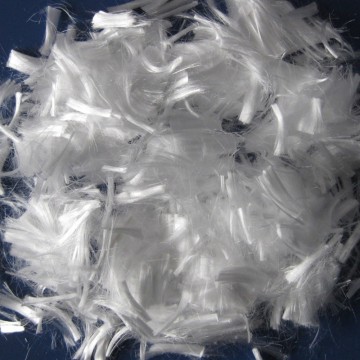
High-durability structural fibers optimized for Chilean seismic infrastructure and heavy industrial construction.
Exploring the commercial growth, environmental synergy, and localized applications of natural cellulose fibers in South America's most progressive economy.
As Chile aggressively pursues its goal of national carbon neutrality by 2050, the domestic construction and industrial manufacturing sectors are undergoing a massive transformation. Traditional carbon-heavy reinforcement materials are being systematically replaced or augmented by sustainable alternatives. Bamboo Cellulose Fiber has emerged as a frontrunner in this ecological shift. Sourced from rapid-growth bamboo forests and processed using advanced eco-friendly technology, this fiber offers an exceptional strength-to-weight ratio, remarkable flexibility, and a negative carbon footprint.
In major metropolitan centers like Santiago, Valparaíso, and Concepción, municipal codes are incorporating stricter environmental regulations. Developers are now incentivized to achieve CES (Certificación de Edificio Sustentable) credentials. Incorporating bamboo cellulose fibers into concrete formulations, precast panels, and plastering mortars significantly reduces the overall environmental impact of new builds while maintaining compliance with Chile's rigorous structural standards.
Chile is situated on the highly active Pacific Ring of Fire, making seismic engineering the absolute priority for any structural project. The primary challenge in concrete design here is not just compressive strength, but tensile ductility and micro-crack control. When seismic waves hit a structure, micro-cracks propagate rapidly, leading to catastrophic failure.
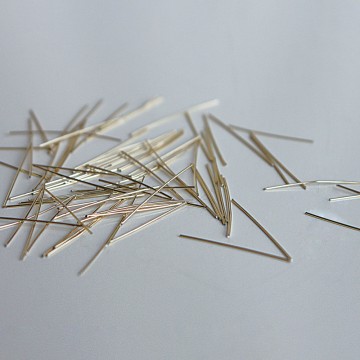
Bamboo Cellulose Fiber, with its natural cellular structure, provides multi-dimensional reinforcement at the microscopic level. Unlike synthetic fibers, bamboo cellulose forms a highly dense physical bond with the cementitious matrix due to its hydrophilic nature and high aspect ratio. This prevents plastic shrinkage cracking during the curing phase and dramatically improves post-crack energy absorption during seismic events. When blended with alkali-resistant cellulose or synthetic fibers, it creates a hybrid reinforcement system that meets the strict requirements of Chilean standard NCh433 for earthquake-resistant design.
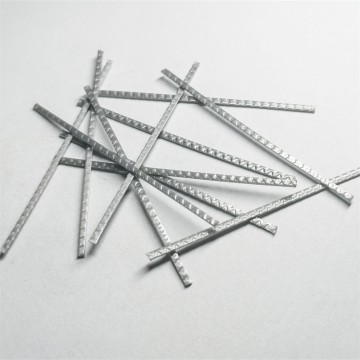
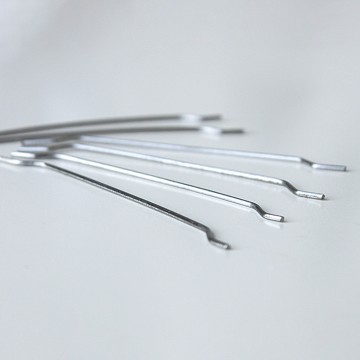
The Chilean mining sector, led by massive operations in the Atacama and Andes regions, demands materials that can withstand extreme environmental pressure. Underground mining tunnels require heavy shotcrete reinforcement to prevent rockbursts and structural collapse. Our specialized bamboo cellulose fibers, when combined with high-tensile steel fibers, provide an optimized shotcrete solution.
The cellulose fibers act as a moisture-retaining agent, ensuring complete hydration of the cement mix in the arid northern Chilean climate. This reduces rebound dust during spraying, improves adhesion to rock walls, and enhances the overall tensile strength of the lining. Furthermore, the non-corrosive nature of bamboo cellulose makes it ideal for mines with highly acidic or saline groundwater, where traditional steel reinforcement alone would degrade prematurely.
As a leading global factory and supplier, we understand the logistical complexities of serving the Chilean market. From the port of San Antonio or Valparaíso to inland mining sites, we ensure seamless supply chain integration. Our factory utilizes cutting-edge processing machinery to guarantee consistent fiber length, purity, and moisture content, complying with international ASTM and Chilean INN standards. By cutting out intermediaries, we offer direct factory pricing, custom packaging, and tailored technical support for large-scale Chilean infrastructure bids.
CHNVIKEN is a professional manufacturer specializing in the research, development, production, and export of sheet metal processing equipment. With more than 10 years of industry experience, we have grown from a local machinery supplier into a globally recognized brand serving customers in over 100 countries and regions.
Our product portfolio includes CNC Press Brakes, Hydraulic Shearing Machines, Fiber Laser Cutting Machines, Hydraulic Presses, Punching Machines, Ironworkers, Roll Bending Machines, and complete Duct Production Lines. We are committed to providing efficient, intelligent, and cost-effective solutions for sheet metal fabrication industries worldwide.
To produce high-quality bamboo cellulose fibers and structural reinforcement elements, precision industrial machinery is vital. CHNVIKEN's heavy-duty sheet metal fabrication equipment provides the structural backbone for manufacturing processing plants, custom sorting silos, and automated packaging lines deployed in fiber production facilities globally.
Our machinery ensures that the metal components housing these advanced biological fibers are built to withstand corrosive, high-humidity processing environments.
High-precision sheet metal processing equipment utilized in the manufacturing of fiber processing plants and structural steel components.

CNC Press Brake

Fiber Laser Cutting Machine

Hydraulic Shearing Machine
Customized engineering and machinery configurations tailored for Chile's unique industrial requirements.



Industrial processing lines and automation solutions installed across key manufacturing hubs.
From press brakes and shearing machines to fiber laser cutters, plate rolling machines and hydraulic presses, VIKEN designs equipment around your material, thickness, working length, accuracy and production volume. Our engineers recommend the right machine configuration, controller, tooling and automation options to help you achieve stable quality, higher efficiency and lower operating costs.
Transform your workshop into a smart factory with our network-connected CNC systems, offering real-time performance tracking, predictive maintenance, and seamless integration with CAD/CAM software for high-precision fiber processing equipment production.
We offer local technical support, rapid spare parts delivery, and remote diagnostics across Chile—from Antofagasta to Puerto Montt—ensuring your production lines experience minimal downtime.
Analyzing future market demands, environmental regulations, and technical innovations driving the adoption of bamboo cellulose fibers.
Modern architectural trends in Chile are rapidly shifting towards bio-composites. Bamboo cellulose fiber is no longer viewed simply as an additive, but as a primary component in building envelopes. Research conducted in collaboration with Chilean universities indicates that concrete infused with bamboo cellulose exhibits up to 25% higher thermal insulation efficiency compared to standard concrete. This is particularly beneficial in regions like Patagonia and the central valley, where reducing heating energy consumption is a top priority for sustainable housing projects.
Chile has been a pioneer in South America regarding plastic reduction laws. As environmental regulations tighten, the construction industry faces pressure to limit the use of petroleum-based synthetic fibers (such as standard polypropylene). Bamboo cellulose fiber provides a fully biodegradable, non-toxic alternative. In the event of building demolition or modification, cellulose-reinforced concrete does not release microplastics into the local soil or water systems, aligning perfectly with Chile's circular economy strategy (Hoja de Ruta de Economía Circular).
Many of Chile's major infrastructure projects, including high-altitude Andean highway tunnels and hydroelectric plants, operate under extreme weather conditions. Standard concrete mixes are prone to freeze-thaw cracking at these elevations. The addition of bamboo cellulose fibers acts as a micro-reservoir, controlling internal humidity during the curing process and creating microscopic voids that relieve hydraulic pressure during freezing cycles. This significantly extends the lifespan of critical transport corridors connecting Chile with Argentina.
In Chile's agricultural heartland, the O'Higgins and Maule regions, water conservation is critical. The construction of irrigation canals, water storage basins, and agricultural processing facilities requires concrete that is highly resistant to water penetration and chemical run-off. Bamboo cellulose fiber creates a dense, low-permeability concrete matrix that prevents water leakage and resists the corrosive action of fertilizers and organic acids, ensuring long-term durability for Chilean farmers.
Browse our complete range of high-performance concrete reinforcement fibers, shipped directly to Chilean ports.