+86 13819274352
Leave Your Message
-
Contact WhatsApp
-
 Contact Phone
-
 Contact Email
In the modern industrial landscape, the manufacturing of agricultural equipment and farm machinery is undergoing a profound paradigm shift. Historically dependent solely on heavy steel plates and cast iron, heavy machinery OEMs are increasingly turning to hybrid materials. The integration of Banana Cellulose Fiber into the metal forming processes represents a groundbreaking advancement in sustainable engineering.
Banana cellulose fibers, extracted from the pseudostems of the agricultural waste of banana plants, offer an extraordinary strength-to-weight ratio, exceptional acoustic damping, and remarkable thermal stability. When combined with advanced sheet metal forming techniques, these natural fibers serve as reinforcement backings, structural sandwich layers, and vibration-absorbing linings. This hybrid approach significantly reduces the overall weight of heavy machinery like harvesters, tractors, and seeders, resulting in lower fuel consumption and minimized soil compaction.
By utilizing agricultural waste products like banana cellulose, manufacturers drastically lower the carbon footprint of their raw material supply chain. This directly supports global environmental mandates for sustainable farming technologies.
Banana fiber composites exhibit high tensile strength and impact resistance. When bonded with formed sheet metal panels, they prevent micro-cracks and absorb heavy shock loads encountered in rugged farming terrains.
CHNVIKEN is a professional manufacturer specializing in the research, development, production, and export of sheet metal processing equipment. With more than 10 years of industry experience, we have grown from a local machinery supplier into a globally recognized brand serving customers in over 100 countries and regions.
Our product portfolio includes CNC Press Brakes, Hydraulic Shearing Machines, Fiber Laser Cutting Machines, Hydraulic Presses, Punching Machines, Ironworkers, Roll Bending Machines, and complete Duct Production Lines. We are committed to providing efficient, intelligent, and cost-effective solutions for sheet metal fabrication industries worldwide.

Integrating banana cellulose fibers into the production of agricultural equipment involves specialized metal forming procedures. These hybrid systems are deployed in several critical zones of modern farming machinery:
Tractors and combine harvesters require massive exterior panels to protect internal combustion engines and hydraulic systems. Traditional heavy-gauge steel panels add unnecessary weight. By using high-precision CNC press brakes and fiber laser cutters, manufacturers form thin-gauge steel or aluminum frames, which are then bonded with banana cellulose fiber-reinforced composite sheets. This combination provides the rigid outer protection of metal with the lightweight, impact-resistant, and sound-dampening properties of bio-cellulose.
Grain threshing and separating mechanisms in harvesters generate extreme vibrational forces, leading to metal fatigue and high operator noise levels. Incorporating banana cellulose fiber sandwich layers within the formed sheet metal structural brackets acts as a natural harmonic dampener. The unique cellular structure of the banana fiber dissipates mechanical energy far more effectively than solid metal or synthetic polymers, extending the service life of the machine frame.
Agricultural hoppers are constantly exposed to chemical fertilizers and high moisture levels, which accelerate metal corrosion. By applying a protective, high-density banana cellulose fiber composite lining to the interior of formed steel hoppers, manufacturers achieve dual benefits: the structural structural load-bearing capacity of formed metal, coupled with the chemical-resistant, non-corrosive properties of the cellulose barrier.
Soil-working tools like ploughs and cultivators experience severe friction and abrasive wear. Metal forming processes shape the high-strength steel blades, while banana cellulose fiber backings are utilized behind the metal plates to absorb shock loads and prevent catastrophic shear failures when the equipment strikes hidden rocks or underground obstacles.
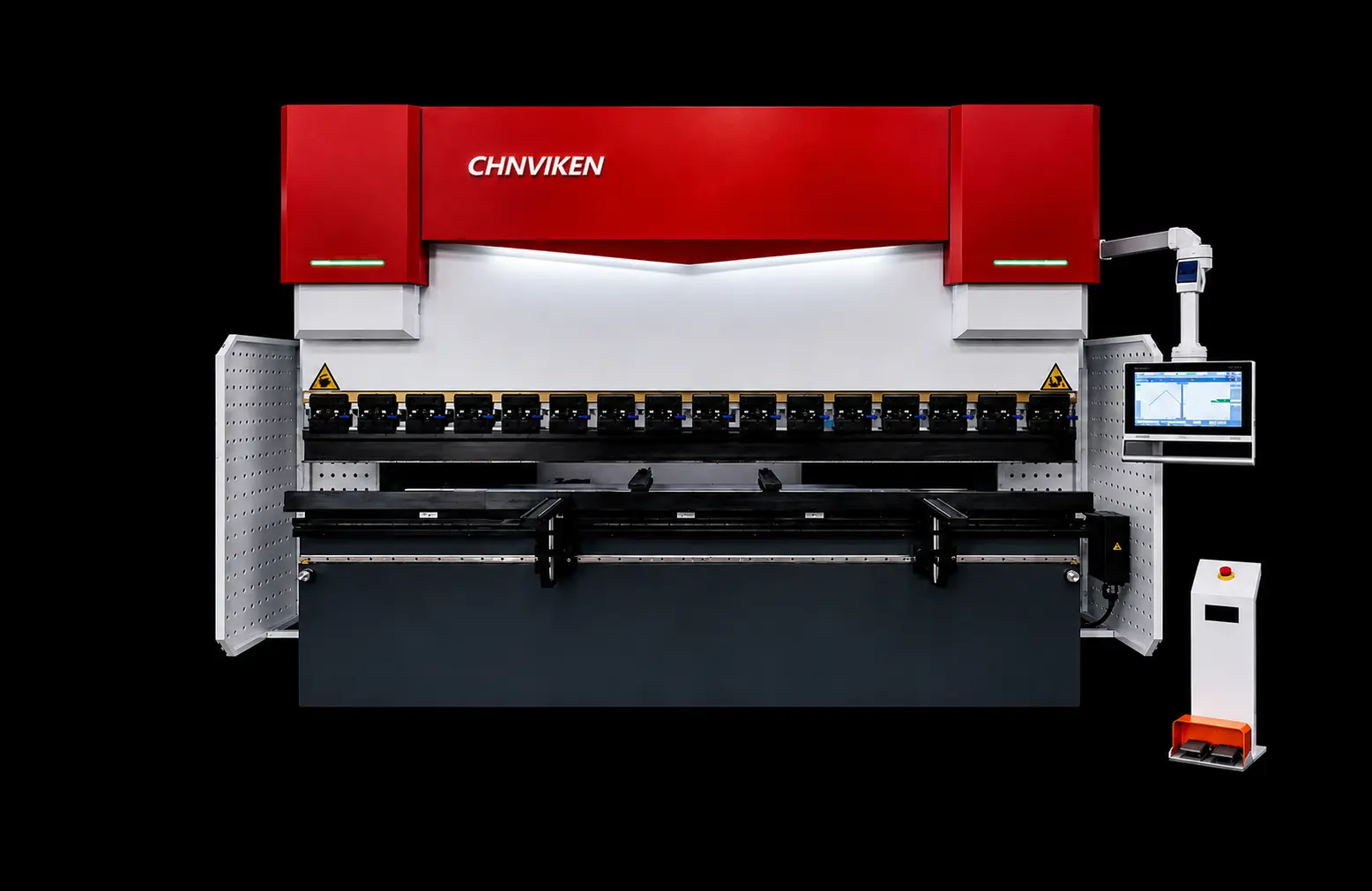
Engineered for high-precision bending of structural metal frames designed to house and support banana cellulose fiber composite panels in heavy agricultural machinery.
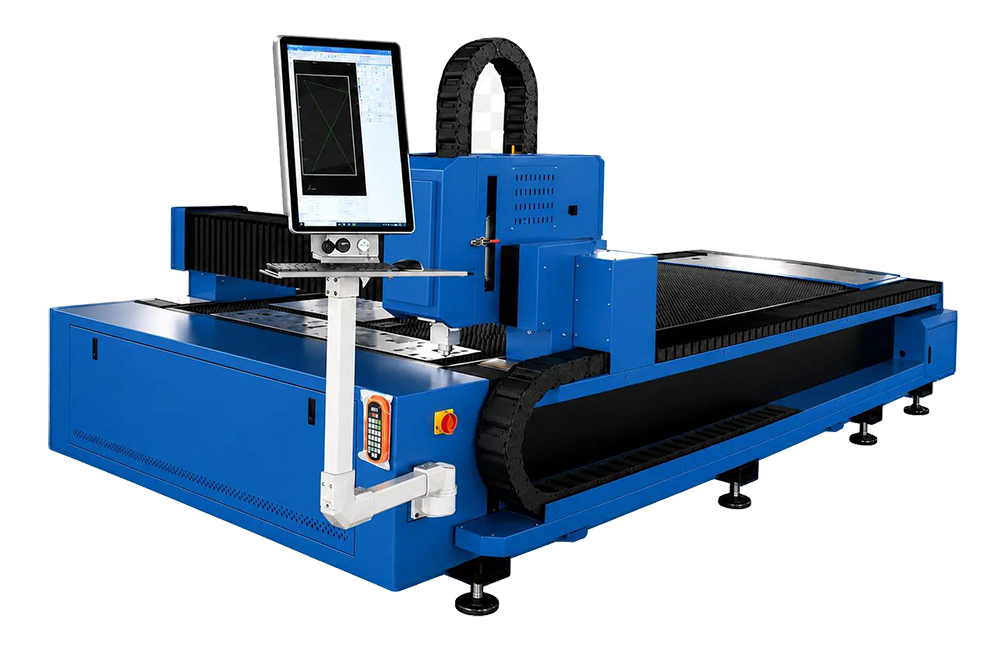
Delivers high-speed, burr-free cutting of complex sheet metal profiles, ensuring seamless integration with natural fiber reinforced backings.
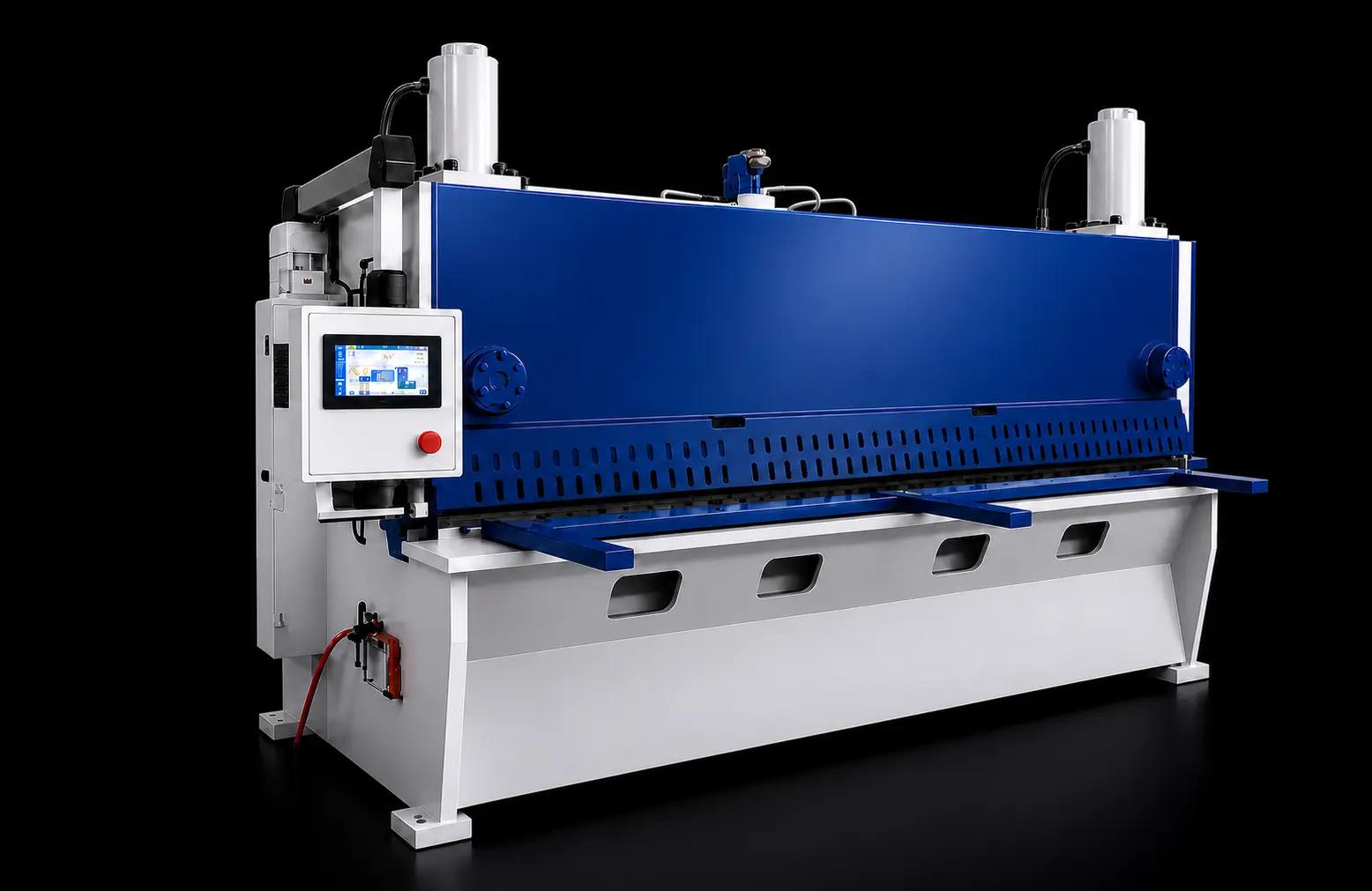
Provides heavy-duty cutting capacity for structural agricultural frame elements prior to composite reinforcement bonding processes.
The marriage of metallurgy and organic material science requires precise control over the forming environment. Metal components must be formed with exact tolerances to accommodate the thickness variations of natural banana cellulose fiber sheets. CHNVIKEN's range of smart CNC press brakes and hydraulic presses are uniquely suited for this task, utilizing adaptive pressure control algorithms to prevent over-stressing the composite interfaces.
Furthermore, fiber laser cutting technology allows for the creation of micro-perforated metal sheets. These perforations act as mechanical interlocking points where the liquid banana cellulose resin can flow and cure, creating a powerful, glue-less bond between the steel substrate and the bio-composite layer. This hybrid material processing technique eliminates the risk of delamination under extreme thermal cycles and high-vibration field environments.
Unlike synthetic glass or carbon fibers, banana cellulose is non-abrasive to processing machinery, biodegradable, non-toxic, and boasts a tensile strength comparable to traditional reinforcement fibers at a fraction of the weight and cost.
Formed metal components wrapped in natural fiber matrices are highly shielded from external chemical agents, preventing rust and moisture ingress, which is vital for machines operating in wet, muddy fields.
From press brakes and shearing machines to fiber laser cutters, plate rolling machines and hydraulic presses, VIKEN designs equipment around your material, thickness, working length, accuracy and production volume. Our engineers recommend the right machine configuration, controller, tooling and automation options to help you achieve stable quality, higher efficiency and lower operating costs.
Our advanced systems are optimized to handle the challenges of processing high-strength structural steels as well as the lightweight hybrid metals required for modern, eco-friendly agricultural machinery manufacturing.
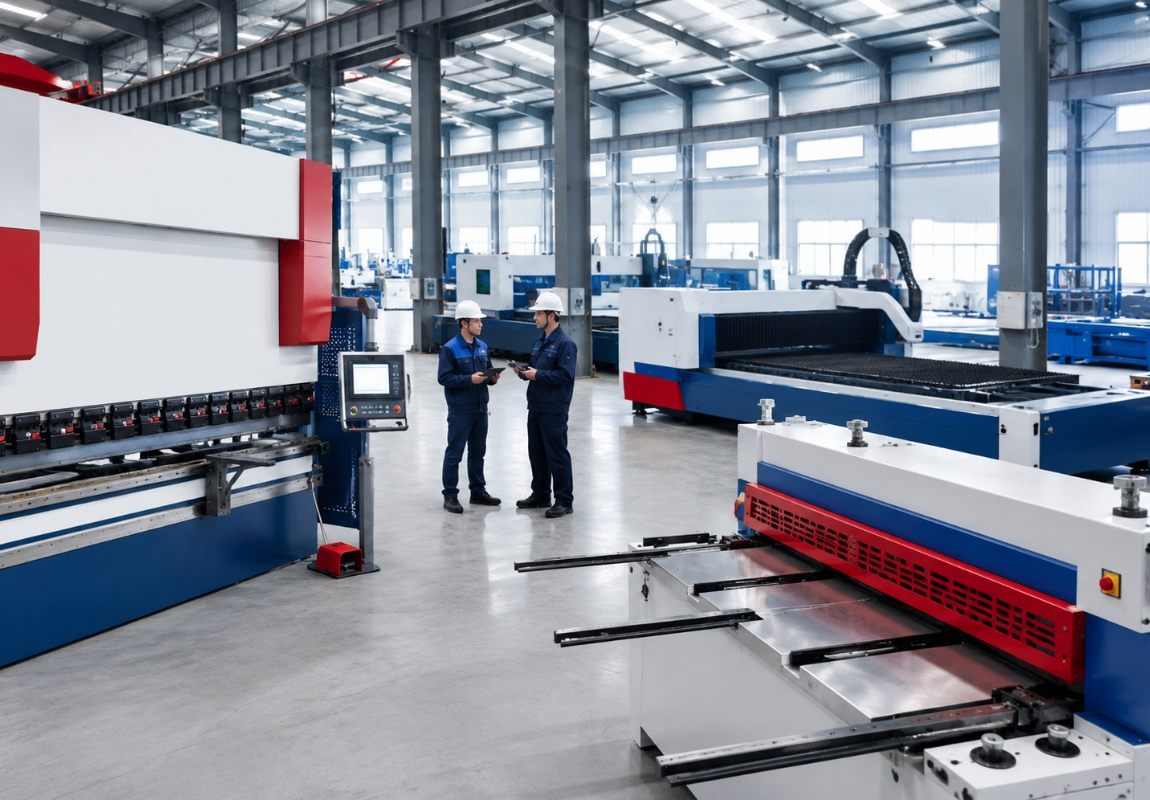
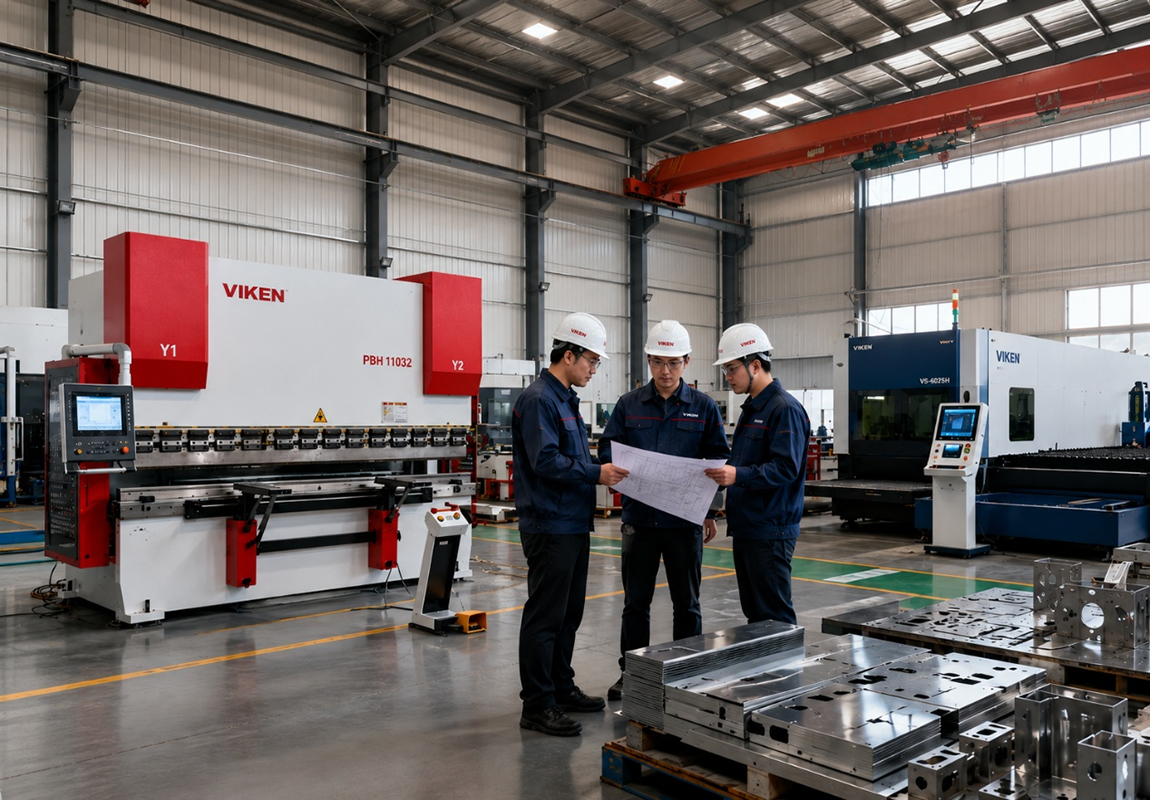
We help manufacturers transition from isolated machinery operations to fully integrated, smart-factory environments. By connecting your CNC press brakes and fiber laser cutters to a centralized MES (Manufacturing Execution System), you can track material utilization, monitor machine performance in real-time, and optimize production schedules.
This digital transformation is crucial when incorporating complex material bills, such as pairing shaped steel structures with natural banana cellulose fiber reinforced sheets, ensuring precise traceability and quality assurance.
CHNVIKEN provides comprehensive post-installation services to guarantee your production line remains highly operational. Our global service network ensures rapid response times for spare parts, maintenance, and operator training.
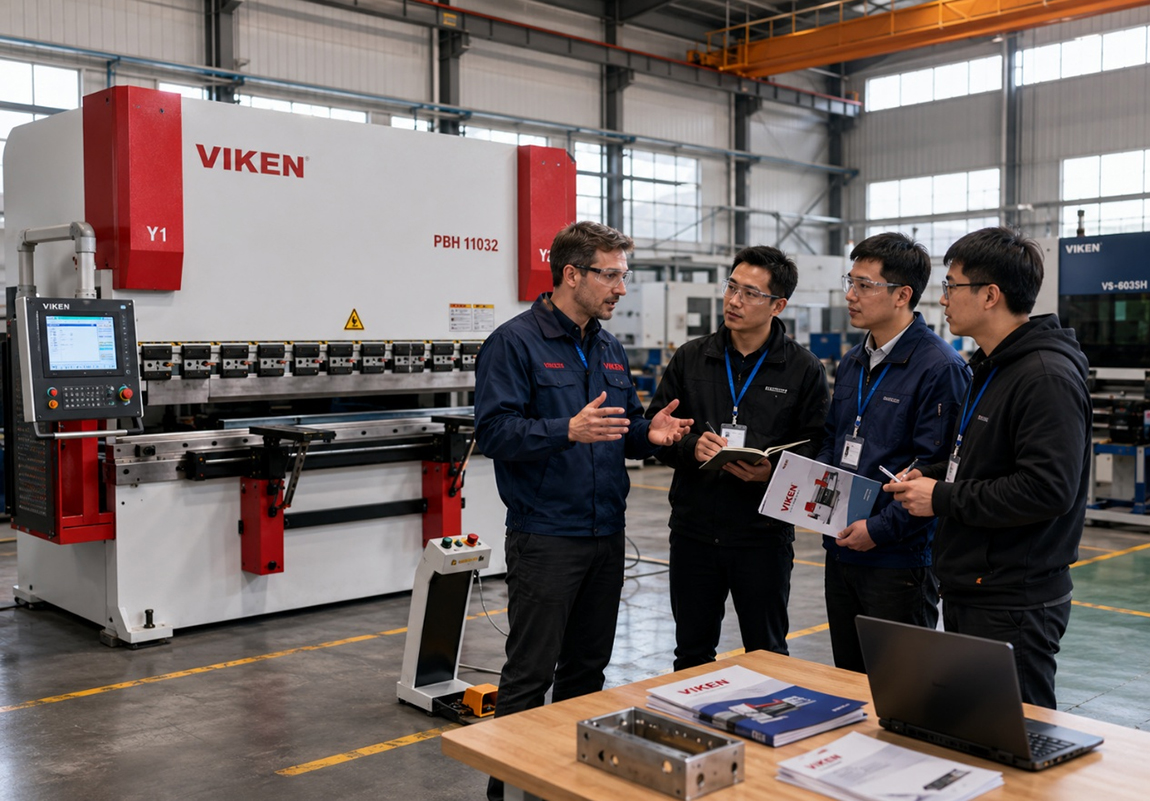
Our engineers assist in configuring parameters for specialized bending, cutting, and shearing operations, ensuring your team can confidently handle both traditional metals and advanced bio-composite hybrid sheets.
The commercialization of bio-composites in heavy machinery is accelerating. Market reports indicate that the demand for natural fiber-reinforced plastics in the agricultural machinery sector is projected to grow at a CAGR of over 8% over the next decade. Major agricultural vehicle manufacturers are actively investing in R&D to replace heavy fiberglass and carbon fiber components with banana cellulose alternatives.
One of the key drivers is the global push for circular economy frameworks. Banana fiber extraction utilizes the pseudostem, which is normally discarded as waste after harvest. By purchasing this waste, agricultural machinery manufacturers not only support rural farming economies but also establish a closed-loop supply chain. The resulting bio-composite parts are easily recyclable or biodegradable at the end of the vehicle's lifecycle, eliminating the landfill challenges associated with traditional fiber-reinforced plastics.
Technological innovations in processing will further drive adoption. Future developments include automated spray layouts for cellulose fibers, co-curing of metal-fiber sheets during the hydraulic pressing phase, and AI-driven quality inspection systems that detect micro-voids in the composite matrix. As these technologies mature, the cost of manufacturing hybrid metal-banana cellulose components will drop below that of traditional composite structures, unlocking mass-market adoption.