+86 13819274352


Banana Cellulose Fiber in Brazil: Industrial Dynamics & Sustainable Evolution
1. The Rise of Bio-Synthetic and Natural Fibers in Brazil
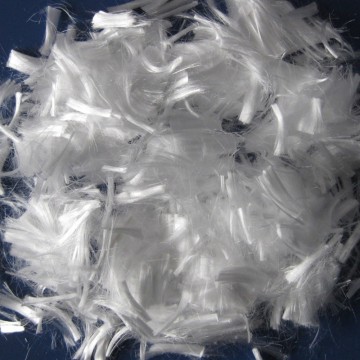
Brazil is currently experiencing an unprecedented industrial transformation, driven by the global mandate for sustainability and the local push towards a circular bio-economy. As South America's largest industrial powerhouse, the nation is actively seeking innovative materials to replace traditional synthetic fibers. Among these alternatives, Banana Cellulose Fiber (BCF) has emerged as a frontrunner. Derived from the agricultural byproduct of banana pseudostems, this natural fiber offers exceptional mechanical strength, lightweight characteristics, and a completely biodegradable footprint.
Historically, the vast banana plantations across Brazilian states like São Paulo, Bahia, Minas Gerais, and Santa Catarina generated significant amounts of agricultural waste. The pseudostems, which must be cut down after harvest, were traditionally left to decompose in fields, creating greenhouse gases. Today, advanced processing technologies are turning this waste into a high-value industrial asset. By extracting the cellulose microfibrils from these pseudostems, manufacturers are creating high-performance reinforcing agents that rival glass fibers and traditional polypropylene (PP) fibers in various applications.
Key Market Stat: Brazil is one of the world's top banana producers, generating millions of tons of agricultural biomass annually. Converting just a fraction of this biomass into banana cellulose fiber could satisfy a significant portion of the country's industrial reinforcement demands, reducing reliance on fossil-fuel-based synthetics.
2. Localized Commercial & Industrial Applications in the Brazilian Market
The applications for Banana Cellulose Fiber in Brazil are vast, stretching across multiple key sectors of the national economy:
- Green Construction & Concrete Reinforcement: In metropolitan hubs like São Paulo and Rio de Janeiro, civil engineers are incorporating alkali-resistant cellulose fibers and banana fibers into concrete mixes. This natural reinforcement helps mitigate plastic shrinkage cracking, increases flexural toughness, and reduces the carbon footprint of major infrastructure projects. It is particularly beneficial for precast concrete elements, rendering mortars, and self-leveling floors.
- Automotive Bio-Composites: The Brazilian automotive industry, centered around Paraná and São Paulo, is heavily investing in lightweight materials to meet strict emissions standards. Banana cellulose fibers are used as reinforcing fillers in injection-molded automotive parts, such as interior door panels, dashboards, and parcel trays. These bio-composites offer weight reductions of up to 30% compared to traditional talc-filled plastics.
- Sustainable Packaging Solutions: With Brazil's aggressive policies against single-use plastics, packaging factories in the South and Southeast regions are blending banana cellulose pulp with recycled polymers to create biodegradable barrier films, molded trays, and structural industrial packaging.
- Geotextiles for Soil Stabilization: Given Brazil's tropical climate and heavy rainfall seasons, soil erosion is a critical concern for highway construction and agricultural projects. Banana fiber-based geotextiles provide a natural, highly durable matrix that holds soil in place while vegetation takes root, eventually decomposing harmlessly into the ecosystem.
3. Industry Trends & Future Outlook in South America
The demand for natural cellulose fibers in South America is projected to grow at a compound annual growth rate (CAGR) of over 8.5% over the next decade. This growth is fueled by several converging trends:
First, the implementation of stricter ESG (Environmental, Social, and Governance) compliance guidelines is forcing major Brazilian corporations to audit their supply chains. Replacing synthetic glass fibers with banana cellulose fibers directly reduces Scope 3 emissions, making it an attractive choice for multinational corporations operating in Brazil.
Second, local research institutions, including EMBRAPA (Brazilian Agricultural Research Corporation) and various federal universities, are actively collaborating with manufacturers to optimize the extraction process. Innovations in chemical treatment, such as eco-friendly alkaline processing and enzymatic extraction, have drastically improved the fiber's thermal stability and adhesion to polymer matrices, making them compatible with standard industrial compounding machinery.
🌱
100% Eco-Friendly
Sourced from agricultural byproducts, reducing waste and capturing carbon throughout its lifecycle.
⚡
High Tensile Strength
Offers excellent mechanical properties, making it an ideal reinforcing agent for concrete and plastics.
🏡
Alkali Resistance
Specially processed to withstand the harsh alkaline environment of cementitious mixes in Brazilian construction.
4. Synergy Between Advanced Fiber Processing & Modern Machinery
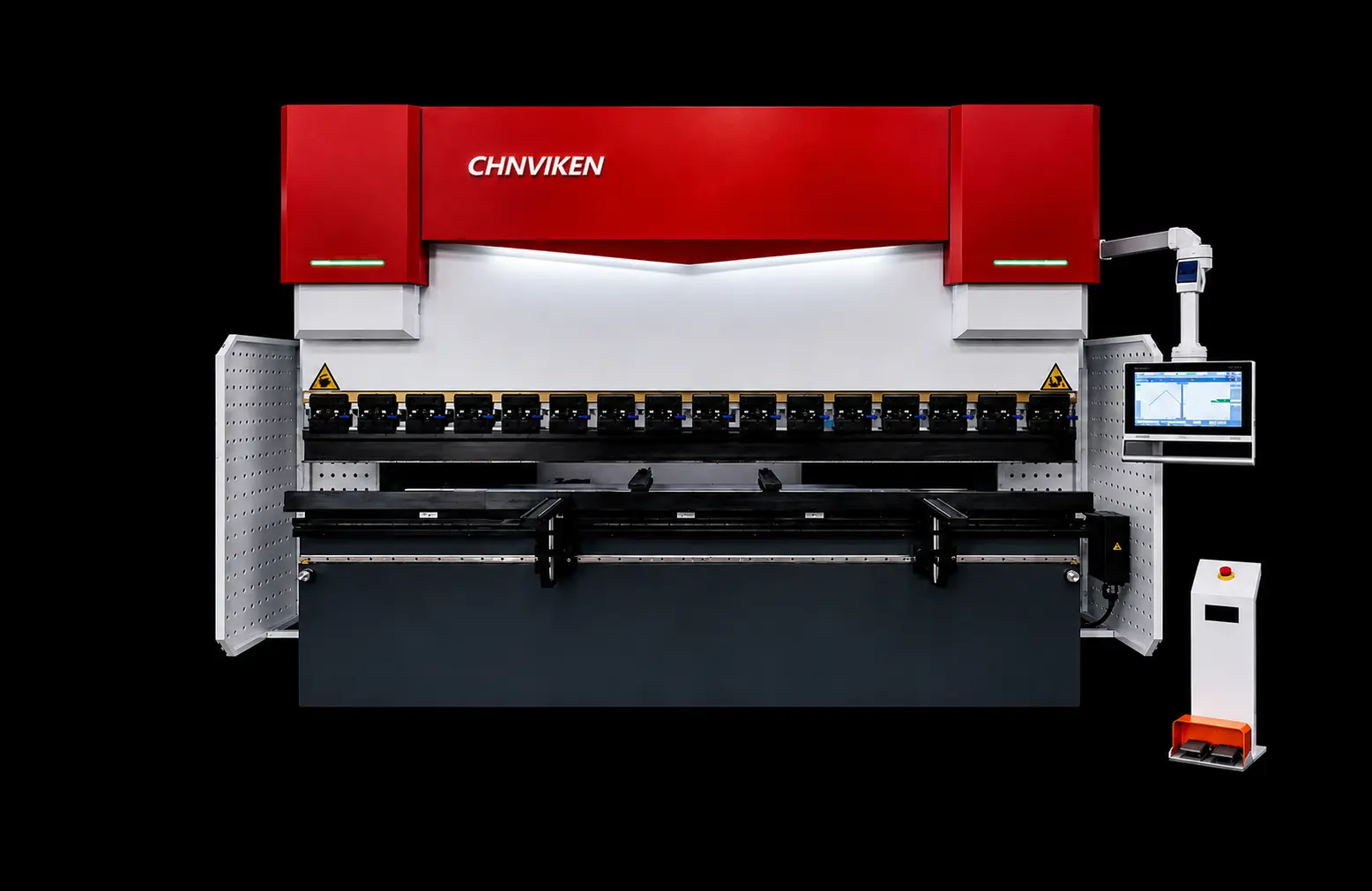
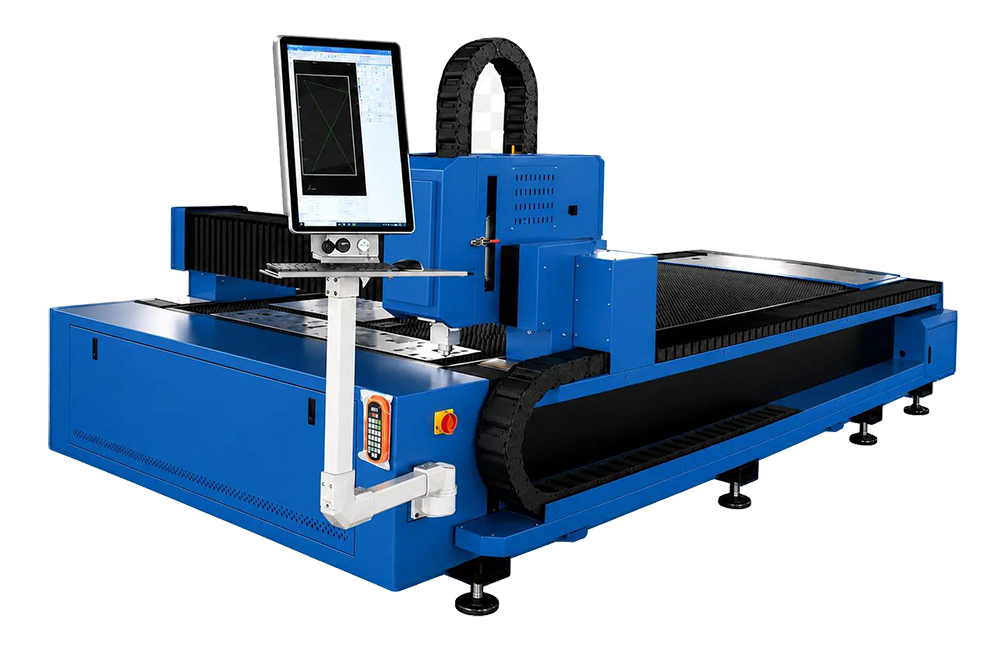
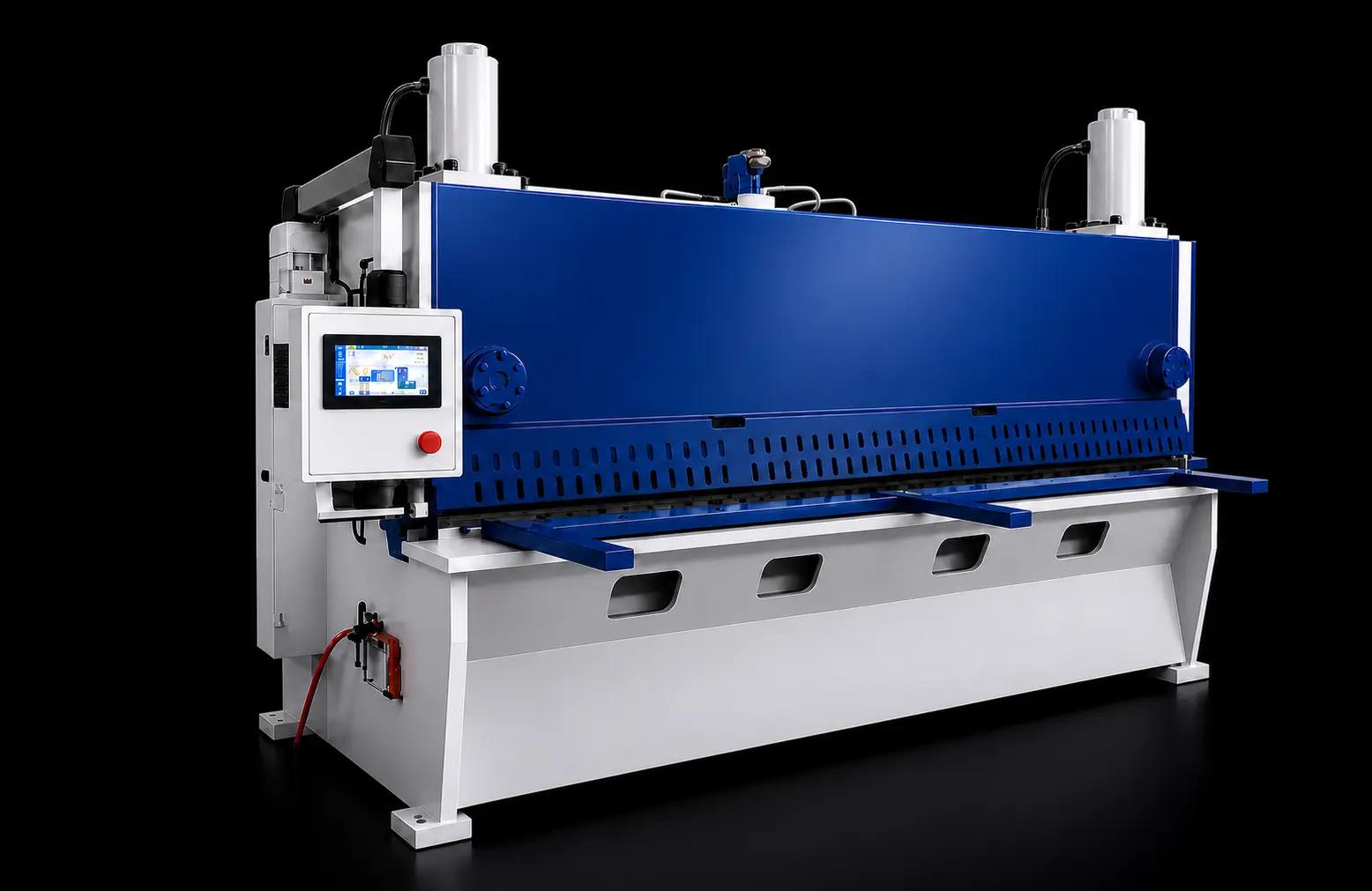
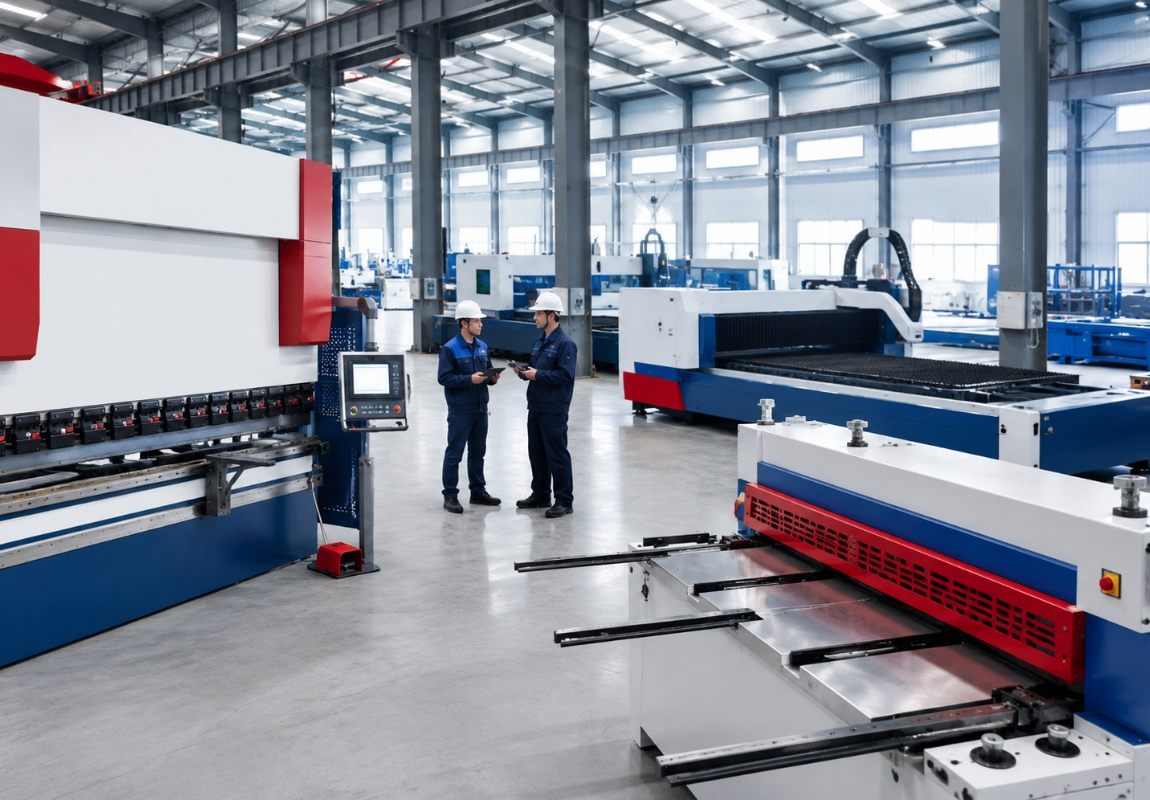
To process raw banana pseudostems into high-precision cellulose fibers, factories require state-of-the-art industrial processing lines. The extraction, cutting, pressing, and packaging of natural fibers involve complex machinery. This is where advanced sheet metal processing and industrial fabrication equipment become indispensable. High-precision CNC press brakes, fiber laser cutters, and shearing machines are used to manufacture the heavy-duty decorticating machines, drying chambers, and fiber balers that local Brazilian factories rely on.
By combining high-quality raw materials with robust, modern machinery, vendors can ensure consistent fiber length, moisture content, and tensile properties, meeting the strict standards required by international and Brazilian buyers alike.