 +86 13819274352
Leave Your Message
-
Contact WhatsApp
-
 Contact Phone
-
 Contact Email
High-quality biodegradable cellulose fibers and heavy-duty processing machinery engineered to support sustainable manufacturing infrastructure across Great Britain.
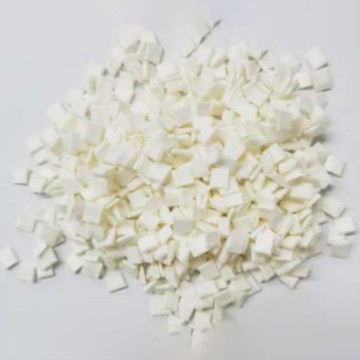
The United Kingdom is currently undergoing one of the most significant industrial transformations of the 21st century. Driven by the legally binding commitment to achieve Net Zero carbon emissions by 2050, British industries are rapidly phasing out fossil-fuel-derived plastics and synthetic polymers. In their place, organic, renewable, and biodegradable alternatives have emerged as the cornerstone of sustainable manufacturing. Among these, biodegradable cellulose fibers stand out as a highly versatile and structurally superior class of materials.
Derived from natural plant sources such as sustainably managed wood pulp, agricultural residues, and regenerated plant matter, cellulose fibers offer a unique combination of high tensile strength, excellent thermal stability, and complete biodegradability. In the UK, the demand for these fibers is soaring across multiple sectors, including eco-friendly packaging, sustainable textiles, automotive composites, and green construction materials. As local manufacturing capacities expand, the reliance on top-tier global exporters and state-of-the-art processing factories becomes essential to maintain a steady and high-quality supply chain.
The transition toward biodegradable cellulose fibers in the UK is heavily accelerated by strict environmental regulations. The introduction of the UK Plastic Packaging Tax (PPT), which imposes a significant levy on plastic packaging containing less than 30% recycled content, has forced consumer goods companies and packaging manufacturers to redesign their product lines. Furthermore, the UK Government’s 25-Year Environment Plan emphasizes the elimination of all avoidable plastic waste. This legislative push has created a massive market deficit for synthetic fibers, opening up unprecedented commercial avenues for biodegradable cellulose fiber suppliers and processing machinery manufacturers alike.
To fully understand the impact of biodegradable cellulose fibers in the United Kingdom, it is necessary to examine their deployment in specific, high-growth sectors:
The UK construction industry is increasingly adopting sustainable building practices, with a strong focus on reducing the carbon footprint of concrete structures. Standard concrete is highly susceptible to micro-cracking caused by plastic shrinkage and temperature fluctuations—a common issue in the damp and volatile British climate. By integrating Alkali Resistant Cellulose Fibers into concrete mixes, UK engineering firms can significantly improve the durability, impact resistance, and crack control of roads, bridge decks, precast components, and residential foundations.
Unlike synthetic polypropylene fibers, biodegradable cellulose fibers are derived from renewable resources and seamlessly blend into the concrete matrix, absorbing water during the mixing phase and gradually releasing it to facilitate optimal curing. This alkali-resistant property ensures that the fibers do not degrade in the highly alkaline environment of cement, providing long-term structural integrity while supporting the UK’s green building standards (such as BREEAM accreditation).
With major projects like HS2 and extensive highway upgrades across England, Scotland, and Wales, the integration of bio-based, alkali-resistant concrete reinforcement is becoming a standard specification to ensure both structural longevity and environmental compliance.
In the UK retail and e-commerce sectors, brands are actively replacing single-use plastic films with cellulose-based alternatives. Biodegradable cellulose fibers are processed into high-barrier films and paperboards that are ideal for food packaging, keeping fresh produce protected while remaining fully compostable at home. Major UK supermarket chains have set ambitious targets to ensure 100% of their packaging is reusable, recyclable, or compostable, driving a massive surge in the importation of specialized cellulose pulp and finished fiber products.
The UK automotive sector, centered around premium manufacturing hubs in the Midlands and Northern England, is utilizing cellulose fiber-reinforced bioplastics to construct interior panels, dashboards, and door casings. These bio-composites not only reduce the overall weight of electric vehicles (EVs)—thereby extending battery range—but also ensure that the vehicle components can be easily recycled or biodegraded at the end of their lifecycle.
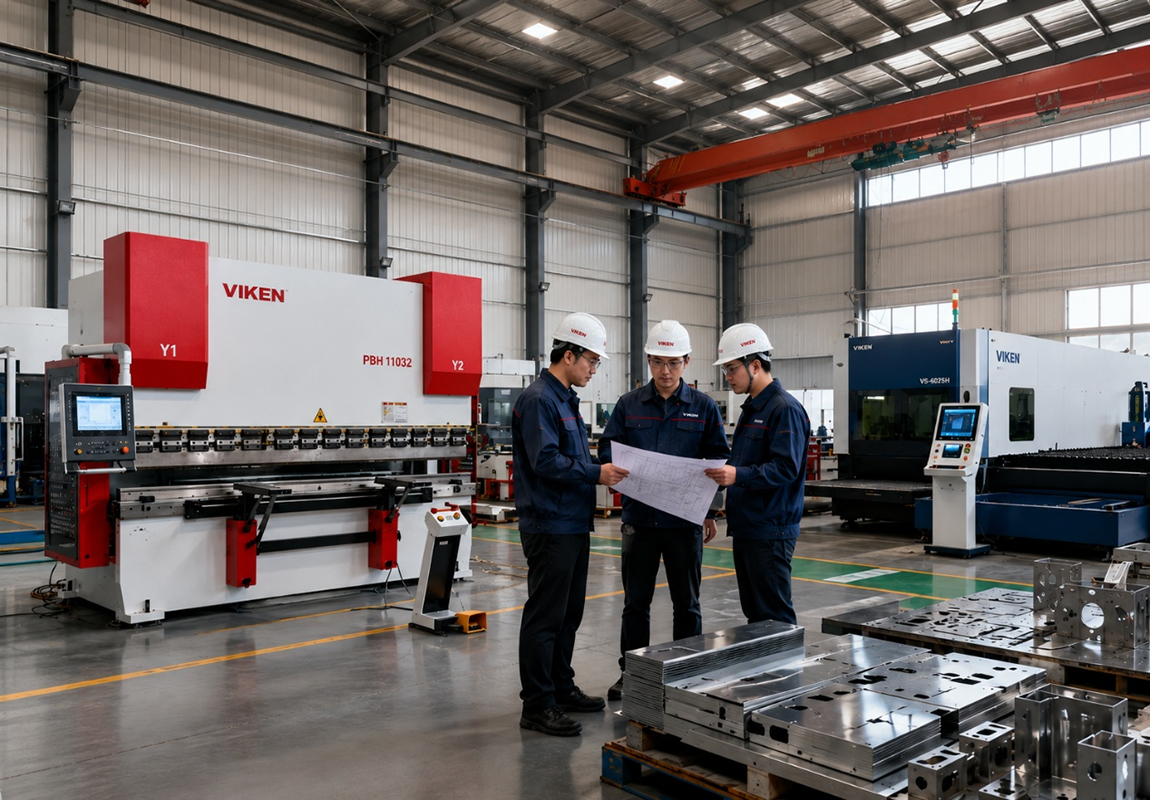
CHNVIKEN is a professional manufacturer specializing in the research, development, production, and export of sheet metal processing equipment. With more than 10 years of industry experience, we have grown from a local machinery supplier into a globally recognized brand serving customers in over 100 countries and regions.
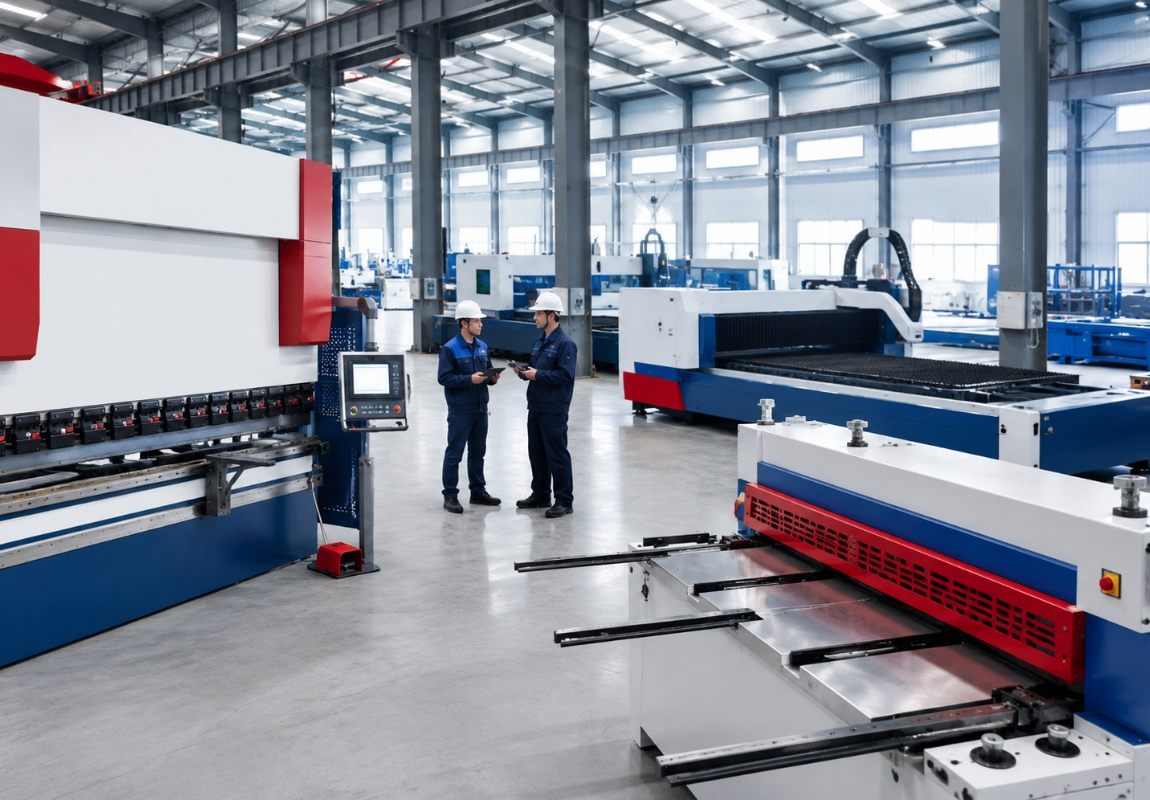
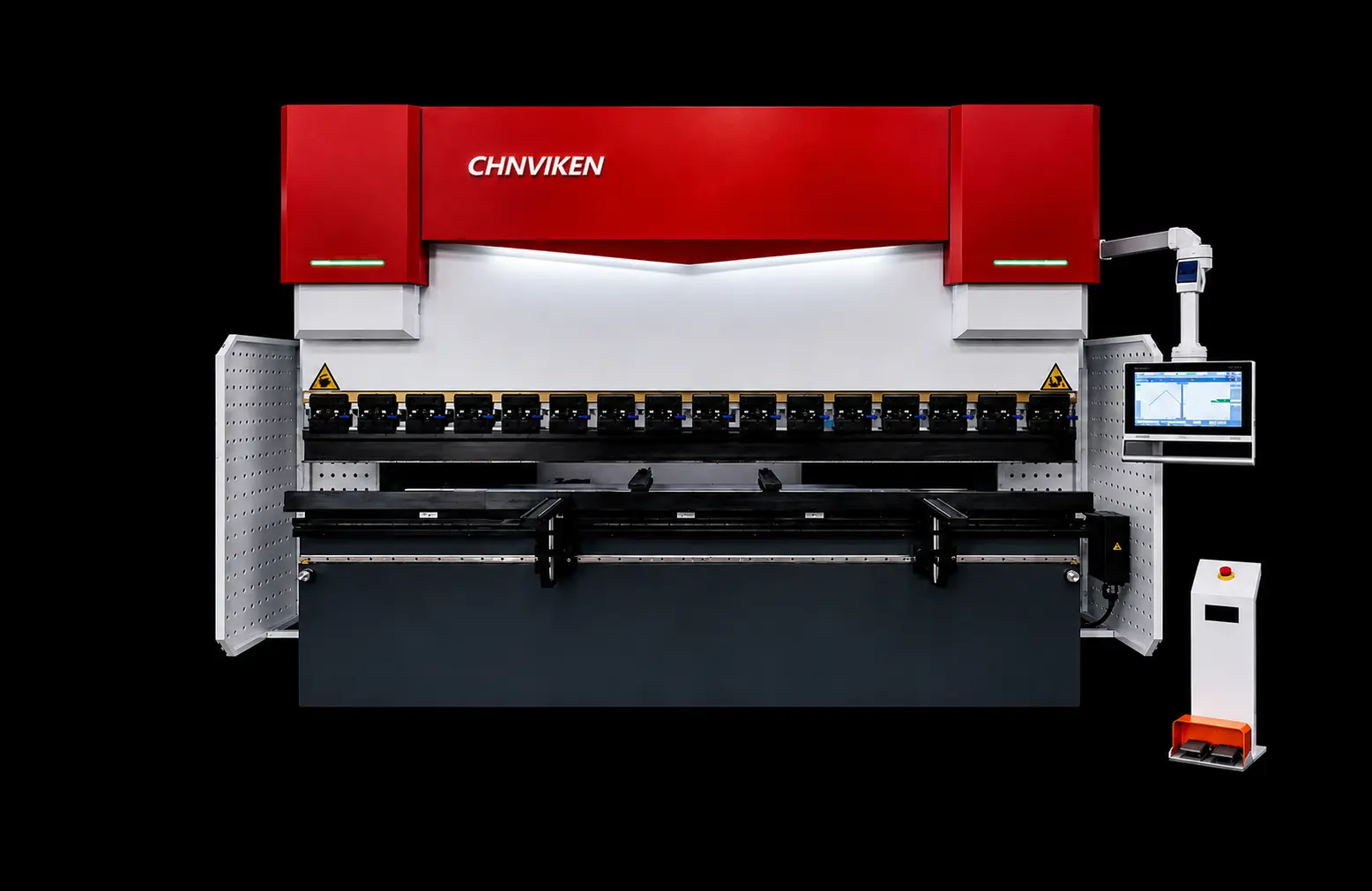
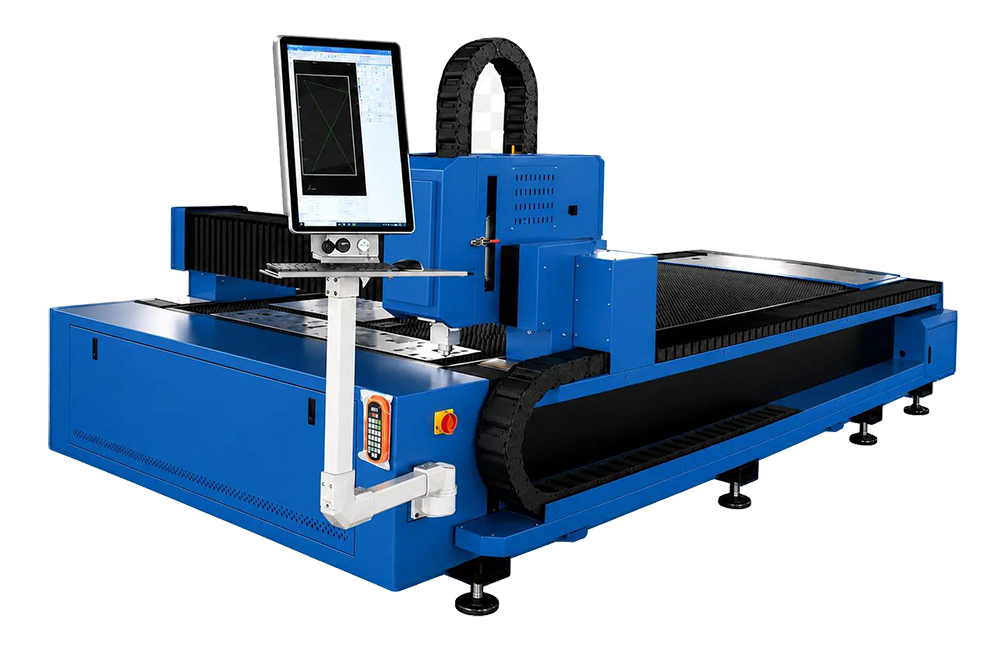
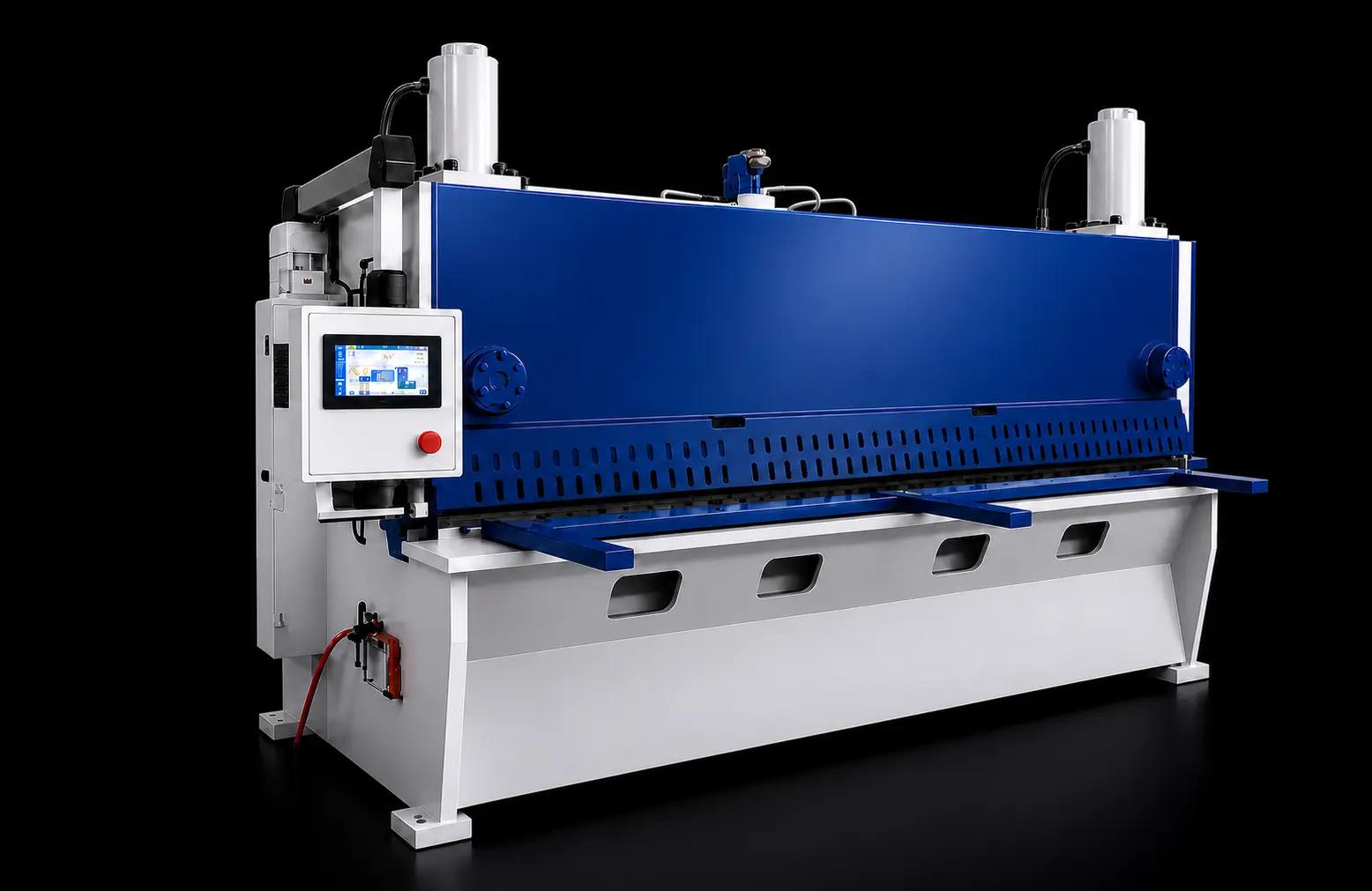
Our product portfolio includes CNC Press Brakes, Hydraulic Shearing Machines, Fiber Laser Cutting Machines, Hydraulic Presses, Punching Machines, Ironworkers, Roll Bending Machines, and complete Duct Production Lines. We are committed to providing efficient, intelligent, and cost-effective solutions for sheet metal fabrication industries worldwide.
In the context of the rapidly expanding green economy, CHNVIKEN provides the essential industrial machinery required to construct and maintain state-of-the-art biodegradable cellulose fiber processing factories. From fabricating stainless steel processing tanks to cutting precise structural components for fiber refining lines, our high-performance machinery ensures that eco-conscious manufacturers can scale their production seamlessly.
How CHNVIKEN's advanced engineering systems empower sustainable manufacturing infrastructure across the UK.
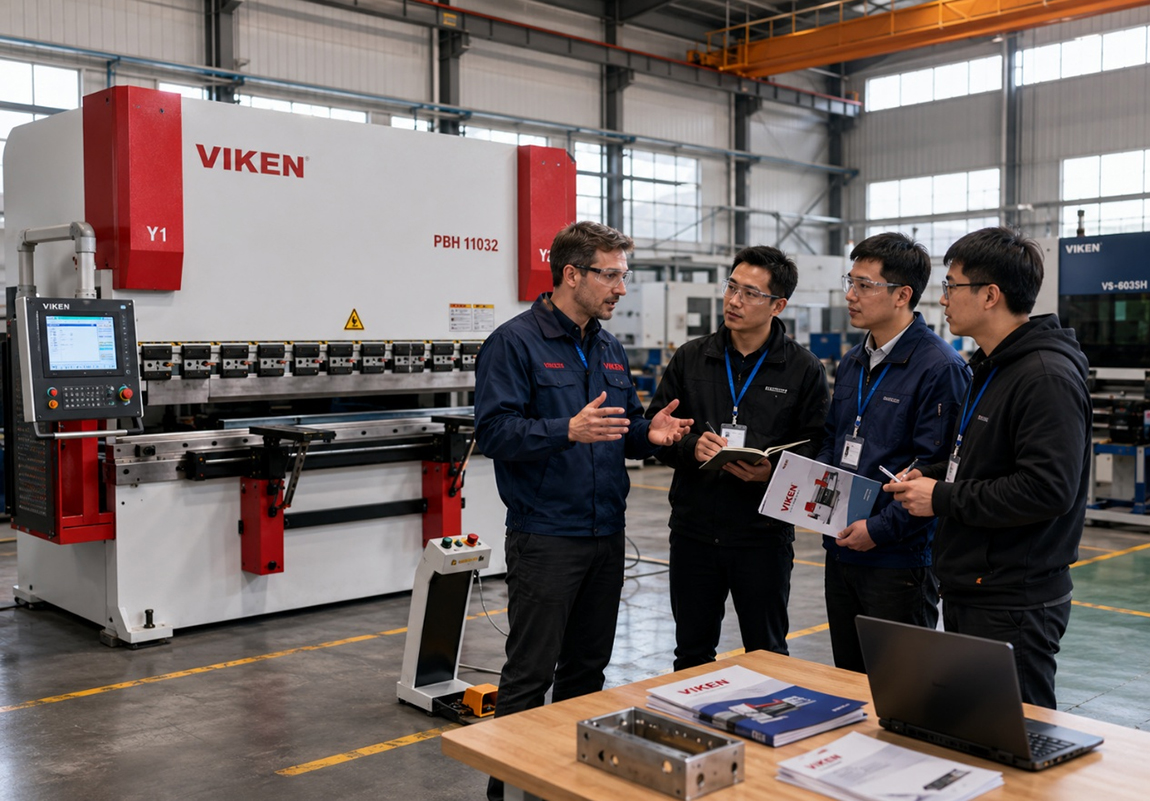
From press brakes and shearing machines to fiber laser cutters, plate rolling machines and hydraulic presses, VIKEN designs equipment around your material, thickness, working length, accuracy and production volume. Our engineers recommend the right machine configuration, controller, tooling and automation options to help you achieve stable quality, higher efficiency and lower operating costs.
For UK manufacturers setting up local biodegradable cellulose fiber production lines, our CNC press brakes and fiber laser cutters are indispensable. They allow for the rapid, high-precision fabrication of customized stainless steel mixing vats, processing ductwork, and structural framing required to handle wet cellulose pulp and high-temperature drying processes.
Modern industrial scaling requires fully integrated smart factories. CHNVIKEN supports UK enterprises in transitioning from isolated, manual machinery to fully automated, IoT-connected production lines. This transition minimizes material waste, optimizes energy consumption, and provides real-time diagnostic data—aligning perfectly with the UK’s Industry 4.0 roadmap and green manufacturing objectives.
We understand that operational downtime is costly. CHNVIKEN provides comprehensive global after-sales support, ensuring that our UK clients receive prompt technical assistance, spare parts supply, and remote diagnostic services. Our commitment to quality ensures that your production lines run continuously and efficiently, maintaining the high-volume output required by modern supply chains.
Looking ahead, the UK market for biodegradable cellulose fibers is poised for exponential growth. As synthetic microplastics face strict bans due to their accumulation in marine environments and soils, natural fibers will become mandatory in consumer textiles and agricultural mulching films. Furthermore, innovations in chemical processing are making regenerated cellulose fibers more cost-competitive with traditional polyester and nylon.
To meet this surging demand, the UK relies on a combination of domestic processing factories and reliable global exporters. Exporters play a critical role by delivering raw cellulose materials, specialized additives (such as alkali-resistant treatments for concrete), and the heavy industrial machinery required to process these fibers. By fostering strong partnerships between UK industrial buyers, global cellulose factories, and precision engineering providers like CHNVIKEN, the UK can successfully build a resilient, circular economy that minimizes environmental impact while maximizing industrial productivity.
Browse our full range of biodegradable cellulose fiber reinforcements, industrial machinery, and customized engineering solutions.