
 +86 13819274352
Leave Your Message
-
Contact WhatsApp
-
 Contact Phone
-
 Contact Email
Explore our core components and advanced CNC sheet processing systems tailored for high-accuracy biodegradable cellulose fiber composite duct fabrication.
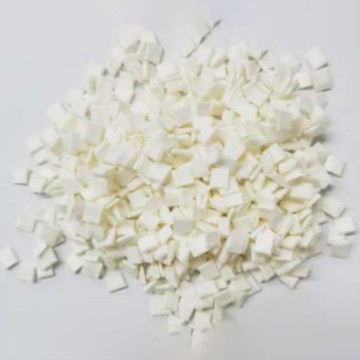
High-strength structural reinforcement fibers designed to improve composite matrix integrity and prevent micro-cracking in rigid bio-ducts.
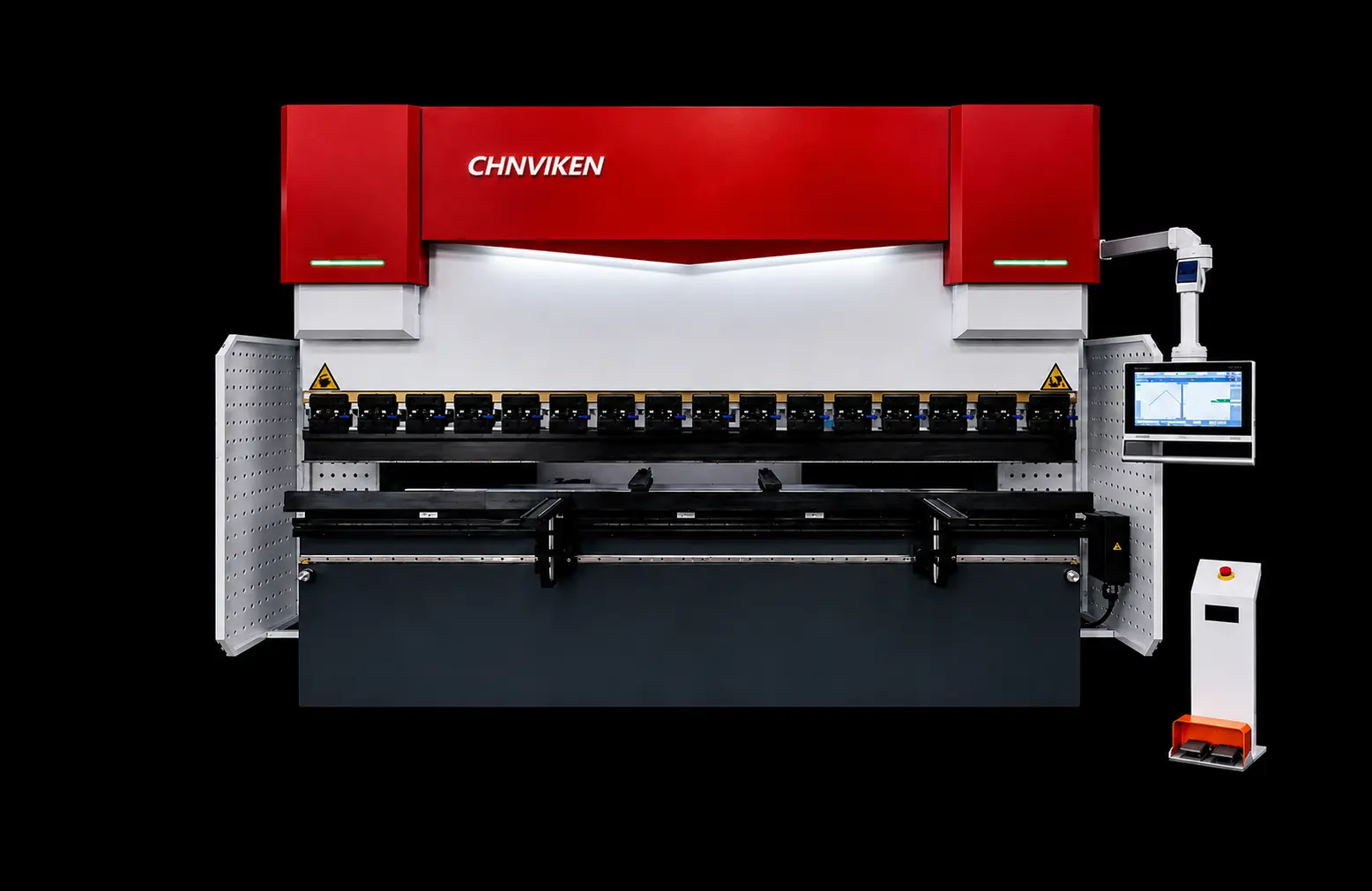
High-precision bending and forming machinery optimized for shaping rigid cellulose composite panels into rectangular air ducts.
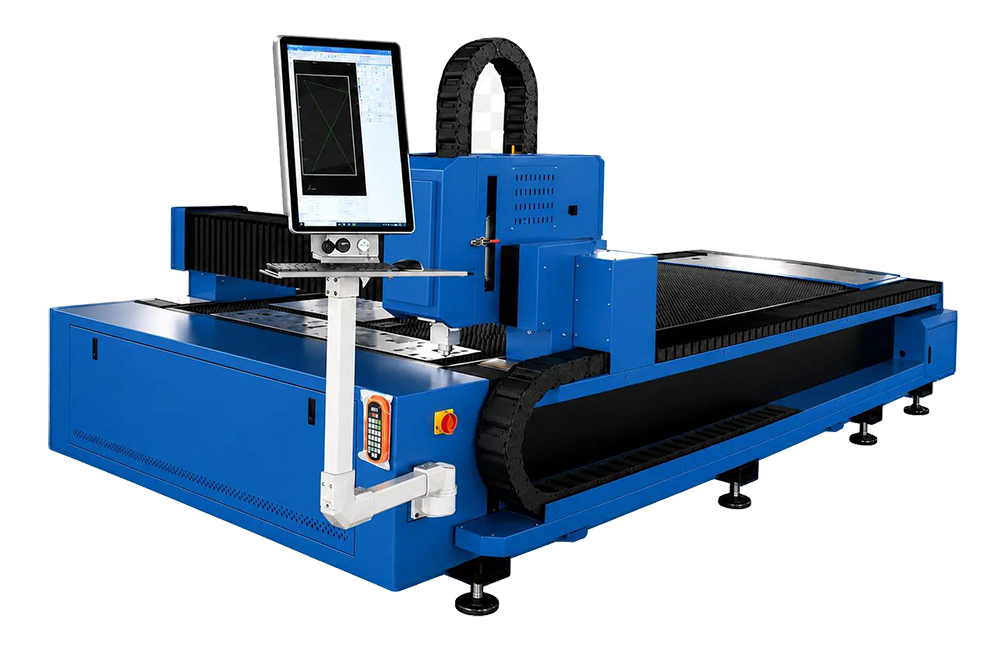
Advanced CNC fiber laser systems engineered to cut complex shapes and ventilation fittings out of dense cellulose fiber sheets with clean edges.
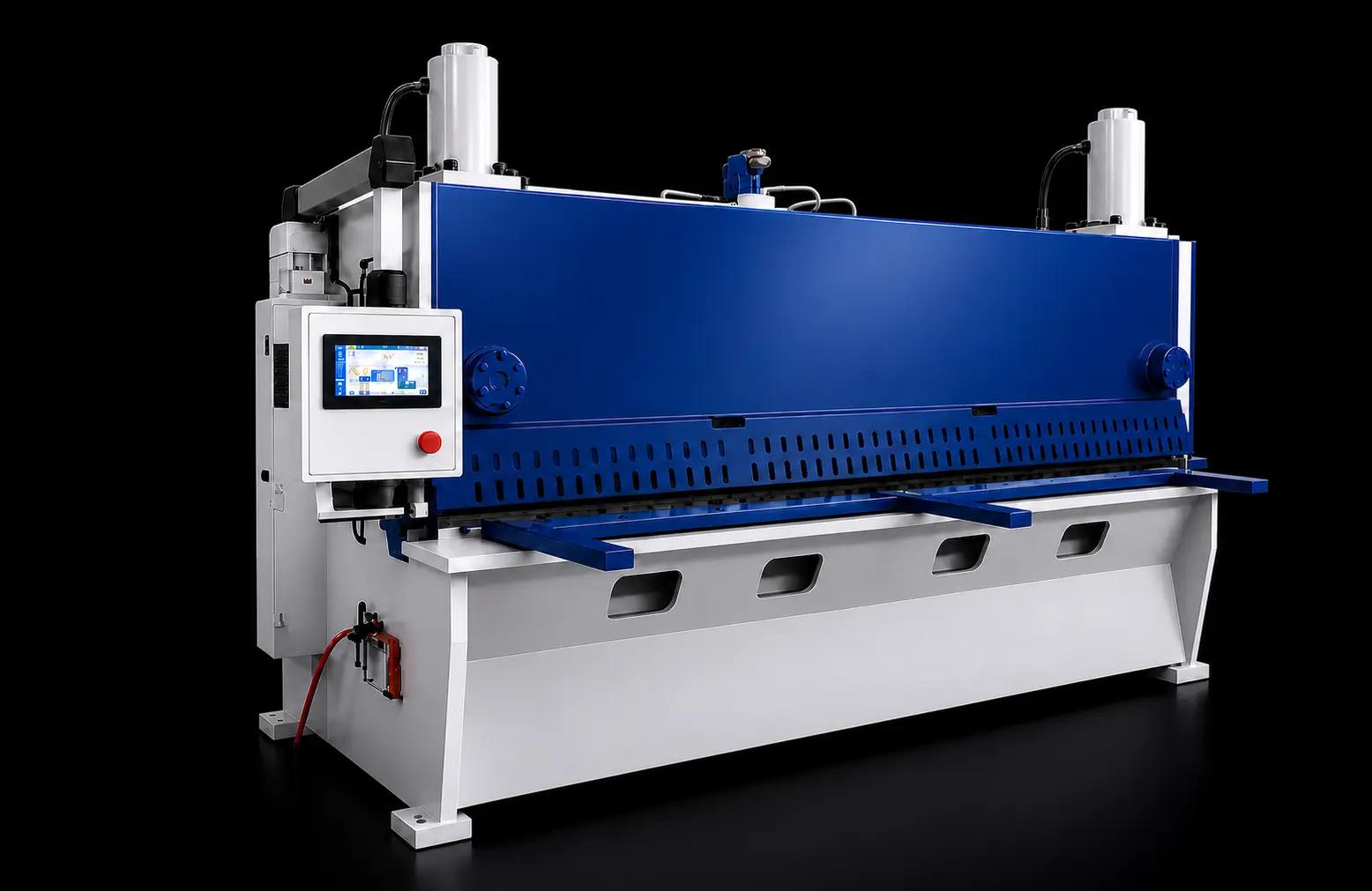
Industrial shearing and cutting machines designed to process bulk cellulose composite sheets prior to the final duct folding stage.
The global heating, ventilation, and air conditioning (HVAC) industry is undergoing a structural transition. Driven by stringent environmental regulations, carbon neutrality goals, and green building standards like LEED and BREEAM, manufacturers are actively seeking alternatives to traditional galvanized iron, sheet metal, and synthetic fiberglass ducts. Among these alternatives, biodegradable cellulose fibers have emerged as a frontrunner for structural reinforcement and insulation in eco-friendly ventilation duct fabrication.
Historically, HVAC systems relied heavily on metals for structural rigidity and glass wool or polyurethane foam for thermal insulation. However, these materials carry high embodied carbon footprints, are difficult to recycle, and can release harmful micro-particles into indoor air streams. Biodegradable cellulose fibers, derived from sustainable agricultural and wood pulp resources, offer a circular-economy solution. When processed and bonded with natural or bio-based resins, these fibers form high-density, rigid panels that exhibit excellent acoustic dampening, low thermal conductivity, and structural resilience.
Derived from renewable plant biomass. Decommissions safely without toxic chemical leaching or landfill accumulation.
Treated with eco-friendly mineral salts to meet international building codes for flame retardancy and smoke suppression.
Natural fibrous microstructures absorb fan and airflow vibrations, eliminating the need for internal acoustic liners.
How cellulose fiber composite technology is deployed across commercial, industrial, and residential projects.
In commercial buildings, rectangular ductwork is preferred for its space-saving profile. Traditional fabrication involves cutting metal sheets, bending them, and then wrapping them manually with fiberglass insulation. Cellulose fiber composite panels integrate both structural rigidity and thermal insulation into a single, dual-density layer. The inner core consists of low-density, highly porous cellulose fiber for thermal resistance, while the outer skin is compressed into a high-density, impact-resistant protective shell. This dual-density composite is shaped using CNC press brakes and shearing lines to ensure tight seals and minimal air leakage.
HVAC plants generate significant low-frequency noise from heavy fans and compressors. Traditional metallic plenum boxes amplify this noise unless lined with synthetic insulation, which deteriorates over time and contaminates the air stream. Biodegradable cellulose fiber panels present an inherently sound-absorbent matrix. When used in plenum fabrication, they dampen sound waves through viscous friction within the porous fiber network, providing a cleaner, quieter indoor environment without fiber shedding.
One of the major challenges of biological fibers in HVAC is moisture. However, modern cellulose fiber panels are infused with natural, non-toxic hydrophobic agents and organic anti-microbial treatments. This prevents mold growth and structural sagging in high-humidity zones like swimming pools, commercial kitchens, and tropical climates, matching the lifespan of traditional metallic ductwork.
CHNVIKEN is a professional manufacturer specializing in the research, development, production, and export of sheet metal and composite material processing equipment. With more than 10 years of industry experience, we have grown from a local machinery supplier into a globally recognized brand serving customers in over 100 countries and regions.
As the HVAC industry transitions to biodegradable cellulose fiber composites, CHNVIKEN is at the forefront, providing adapted machinery solutions. Our product portfolio includes CNC Press Brakes, Hydraulic Shearing Machines, Fiber Laser Cutting Machines, Hydraulic Presses, Punching Machines, Ironworkers, Roll Bending Machines, and complete Duct Production Lines. We are committed to providing efficient, intelligent, and cost-effective solutions for the fabrication of both metallic and composite-based ventilation systems worldwide.
Processing biodegradable cellulose fiber panels requires specific tooling and cutting dynamics. Traditional metal shears can crush fiber matrices, and standard lasers must be tuned to prevent edge charring.
CHNVIKEN’s fiber laser cutting machines feature specialized air-assist and pulse-modulation algorithms designed to cleanly cut dense cellulose fiber sheets. Similarly, our CNC Press Brakes utilize custom-radius tooling to bend composite panels without cracking the outer structural layers, ensuring a perfect 90-degree fold for rectangular ducts.
What lies ahead for biodegradable materials in the building services sector?
The convergence of digital manufacturing and material science is paving the way for next-generation HVAC solutions. Key trends include:
Our high-capacity production lines and machinery optimized for cellulose fiber duct and ventilation system fabrication.
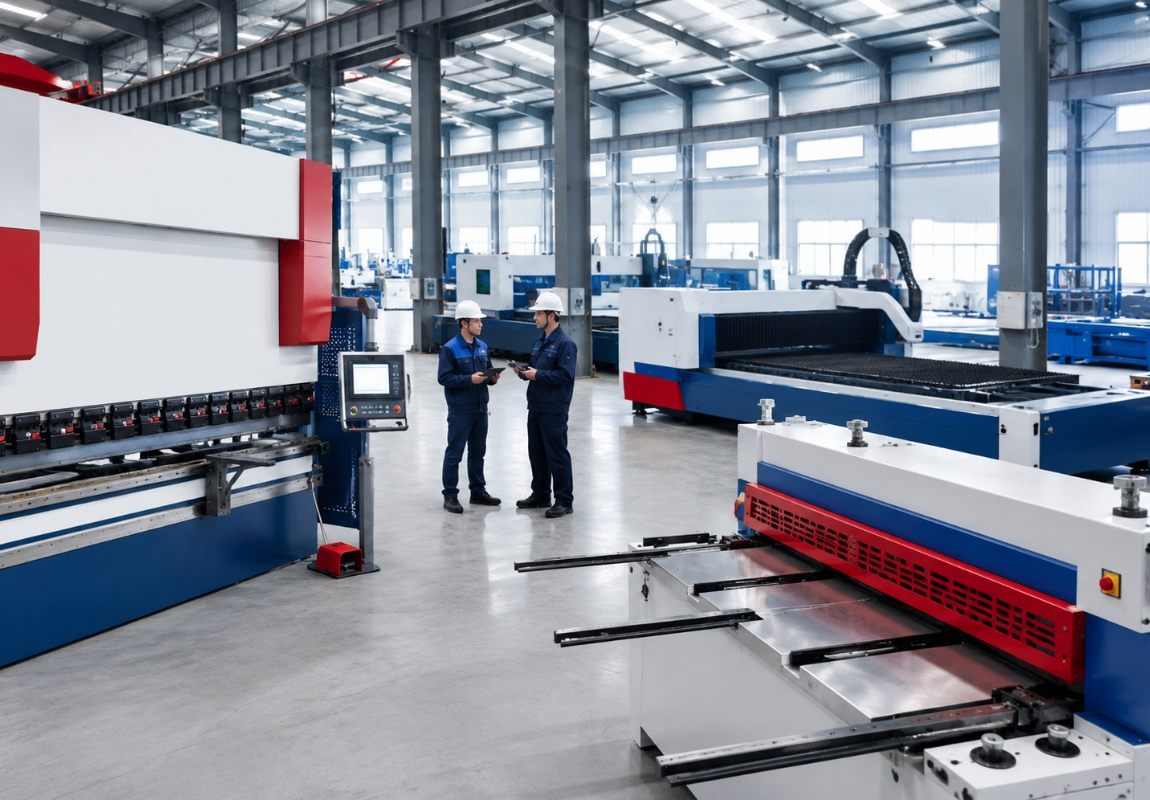
Automated shearing and slitting configuration engineered to handle thick composite fiber sheets with high edge accuracy.
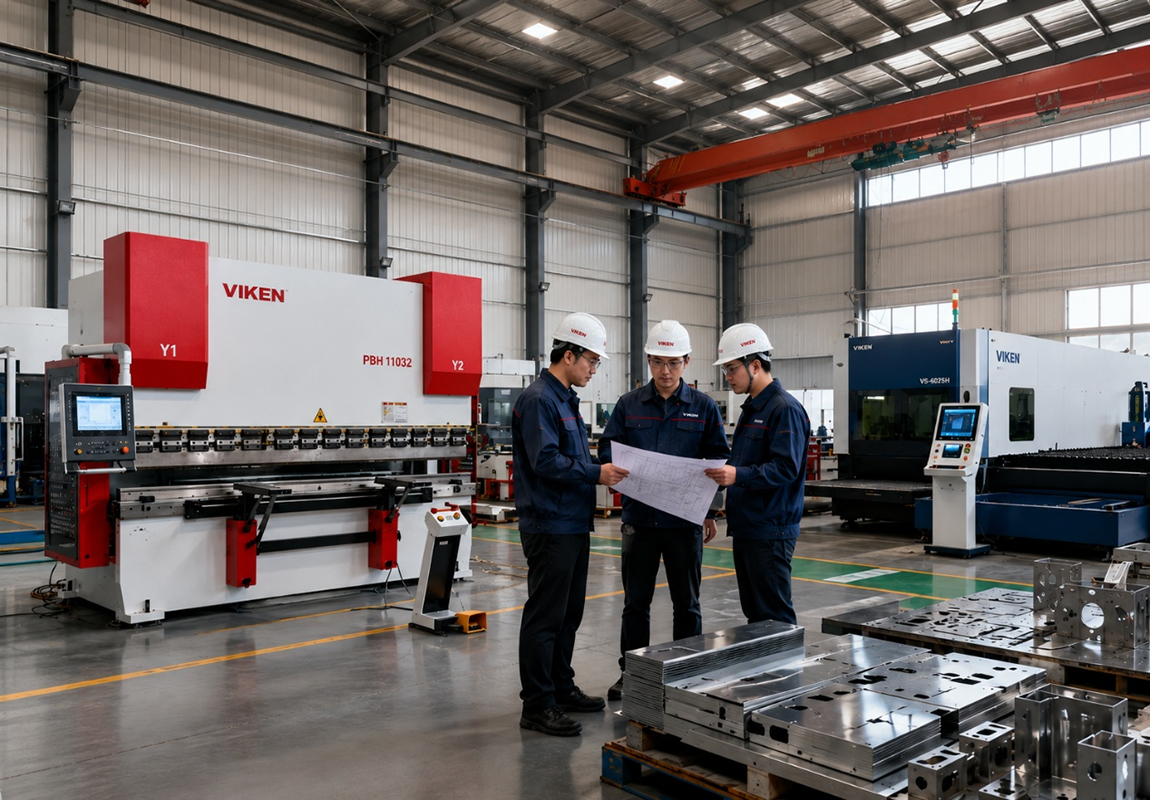
Specialized folding systems designed to create clean seams and joints on biodegradable cellulose duct panels.
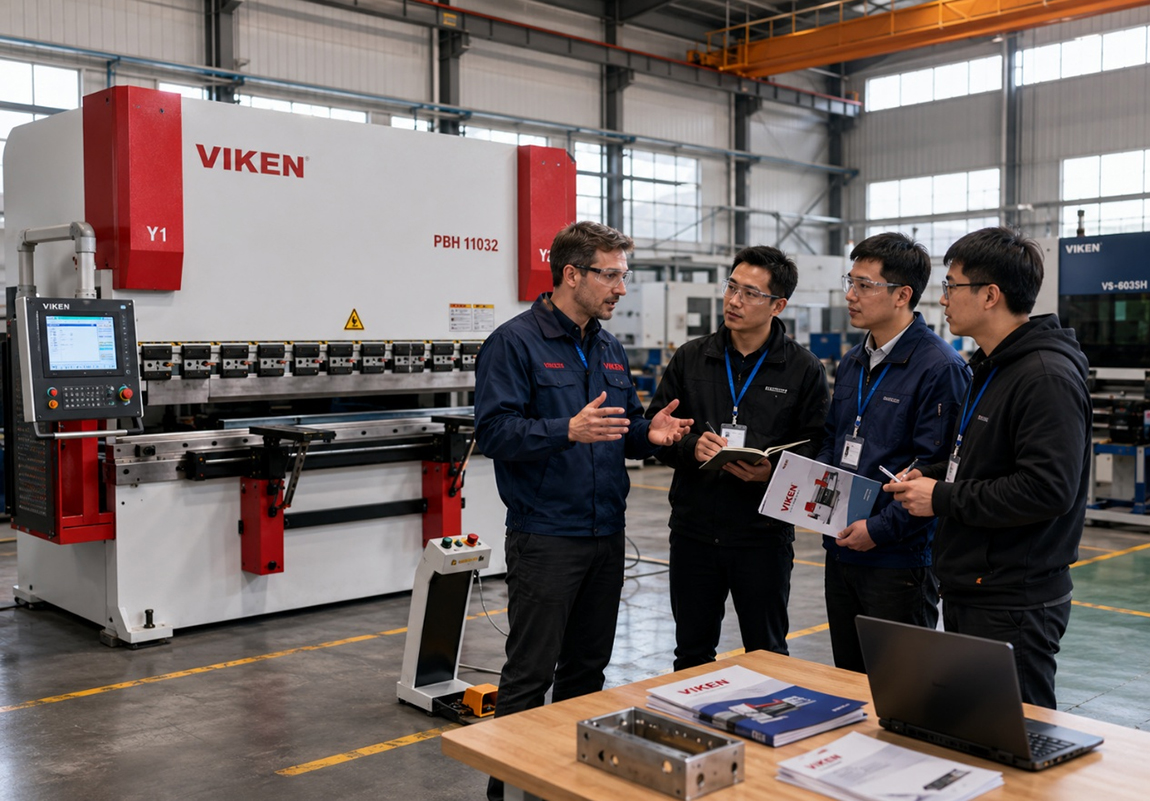
High-speed laser cutting solutions for complex elbows, transitions, and offsets in cellulose ventilation systems.
Heavy-duty material handling equipment designed to feed raw cellulose sheets into cutting systems without surface damage.
High-tonnage hydraulic presses for molding complex 3D cellulose fiber components, such as round air diffusers and grilles.
Precision machinery designed to secure joint profiles on rectangular cellulose ducts, ensuring airtight operation.
Rapid CNC punching solutions to create micro-perforations in cellulose fiber sheets for high-performance silencers.
Fully automated, connected production lines for continuous uncoiling, cutting, folding, and jointing of cellulose air ducts.