
 +86 13819274352
Leave Your Message
-
Contact WhatsApp
-
 Contact Phone
-
 Contact Email
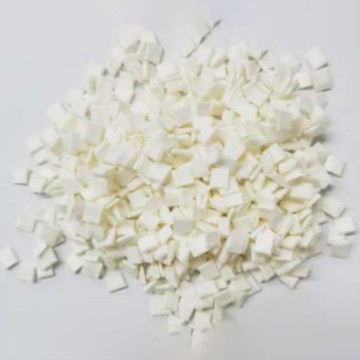



In the modern maritime and heavy engineering sectors, the quest for sustainability and high-performance manufacturing has led to a fascinating convergence of biotechnology and traditional metallurgy. Specifically, the utilization of biodegradable cellulose fibers in the processes of shipbuilding structural steel plate shearing and cutting represents a major leap forward. While steel fabrication has historically relied on heavy chemical lubricants, synthetic support media, and energy-intensive processing, the integration of bio-based cellulose fibers offers an eco-friendly, highly efficient, and technologically advanced alternative. This comprehensive analysis explores the industrial status, technical mechanisms, application scenarios, and future trends of biodegradable cellulose fibers within the heavy-duty shipbuilding sector.
Cellulose, as the most abundant organic polymer on Earth, offers unique mechanical strength, thermal resistance, and biodegradable properties. When engineered at the micro or nanoscale, it serves as a highly effective, non-toxic additive for metalworking fluids, vibration damping, and sacrificial backing materials during high-power cutting and shearing operations.
Maritime transport accounts for approximately 2.5% of global greenhouse gas emissions. In response, the International Maritime Organization (IMO) and global regulatory bodies have instituted strict mandates to decarbonize not only ship operations but also the entire shipbuilding supply chain. Shipyards are massive consumers of structural steel plates, typically high-strength low-alloy (HSLA) steels, which require extensive cutting, shearing, and bending during hull fabrication.
Traditionally, these fabrication processes involve petroleum-based cutting fluids, synthetic polymer backing mats, and mineral lubricants. These substances pose significant environmental hazards, generating toxic wastewater, hazardous air emissions, and non-biodegradable waste. The introduction of biodegradable cellulose fibers—derived from renewable wood pulp, agricultural residues, or bacterial synthesis—provides an elegant solution. By replacing fossil-fuel-derived materials with highly functionalized cellulose, shipbuilders can drastically lower their Scope 3 emissions while maintaining, or even enhancing, the mechanical integrity of their fabrication processes.
To understand how a plant-derived fiber can assist in shearing and cutting thick structural steel plates, we must examine the micro-mechanical and tribological properties of cellulose:
The practical integration of biodegradable cellulose fibers in shipyard operations spans several key stages of structural steel plate fabrication:
In shipbuilding, steel plates often exceed thicknesses of 20mm. Shearing these plates requires immense hydraulic force. Traditional mineral-oil lubricants are sprayed onto the blades to prevent wear. However, these oils cling to the sheared plates, requiring expensive solvent cleaning before welding. By utilizing a water-based lubricant enriched with biodegradable cellulose fibers, shipyards achieve superior blade lubrication. The cellulose fibers act as microscopic roller bearings, reducing friction. Post-shearing, the residue is completely biodegradable and can be easily washed away with water, or even welded directly over without causing weld porosity or carbon contamination.
Fiber lasers are the gold standard for cutting complex structural profiles in shipbuilding. However, the intense laser beam can reflect off the cutting bed, damaging the machine's expensive optics or causing dross (slag) to adhere to the underside of the steel plate. Biodegradable cellulose fiber mats, treated with eco-friendly flame retardants, are placed beneath the steel plate. These mats absorb the bypass laser energy, eliminate back-reflection, and catch molten slag. Once consumed, the mats can be composted or recycled, eliminating the accumulation of hazardous metal-slag-polymer mixtures.
Laser and plasma cutting of structural steel generates massive amounts of airborne metal dust and hazardous fumes. Traditional synthetic filters clog quickly and are difficult to dispose of safely. Filters constructed from biodegradable cellulose fibers offer high porosity and electrostatic charge, capturing sub-micron metal particles with high efficiency. Once spent, these filters, being organic, can be incinerated cleanly or processed to reclaim the valuable steel dust, leaving minimal environmental footprint.
The operation of heavy-duty hydraulic shears and press brakes creates intense vibration and low-frequency noise, which can damage factory floors and cause operator fatigue. High-density biodegradable cellulose fiber composite blocks are used as structural damping pads beneath the machinery. These bio-composites exhibit excellent viscoelastic properties, dampening impact energy more effectively than standard synthetic rubbers, while being fully biodegradable at the end of their service life.
CHNVIKEN is a professional manufacturer specializing in the research, development, production, and export of sheet metal processing equipment. With more than 10 years of industry experience, we have grown from a local machinery supplier into a globally recognized brand serving customers in over 100 countries and regions.
Our product portfolio includes CNC Press Brakes, Hydraulic Shearing Machines, Fiber Laser Cutting Machines, Hydraulic Presses, Punching Machines, Ironworkers, Roll Bending Machines, and complete Duct Production Lines. We are committed to providing efficient, intelligent, and cost-effective solutions for sheet metal fabrication industries worldwide.
By pairing CHNVIKEN's high-precision equipment with sustainable materials like biodegradable cellulose fibers, shipyards can achieve unprecedented levels of efficiency, accuracy, and environmental compliance.
From press brakes and shearing machines to fiber laser cutters, plate rolling machines and hydraulic presses, VIKEN designs equipment around your material, thickness, working length, accuracy and production volume. Our engineers recommend the right machine configuration, controller, tooling and automation options to help you achieve stable quality, higher efficiency and lower operating costs.
Modern shipyards require complete synchronization between material feed, cutting, shearing, and bending processes. Our automated systems integrate smart sensors that monitor the application of biodegradable cellulose-based lubricants in real-time, ensuring optimal tool cooling and minimal resource waste.
Our commitment doesn't end with a machine sale. CHNVIKEN provides comprehensive global support, training, and maintenance services. We assist our partners in transitioning from traditional petroleum-based processing fluids to advanced biodegradable cellulose fiber solutions, ensuring smooth operational integration.



