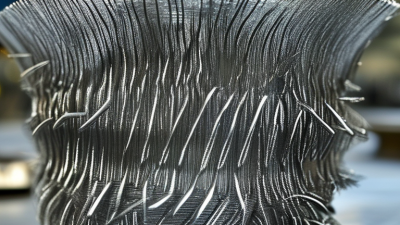
You know, as everyone’s looking for lighter yet super strong materials, Pp Carbon Fiber has really started to catch people's attention across all sorts of industries. I was chatting with Dr. Helen Chang, a top expert in advanced composite materials, and she mentioned, “The versatility of Pp Carbon Fiber genuinely makes it a game-changer for manufacturers.” It’s crazy how this stuff is becoming a must-have in fields like aerospace, automotive, and even sports gear.
Back in 2023, China really stepped up as a major player in supplying Pp Carbon Fiber to international markets. Companies like Toray Advanced Materials and Zhongfu Shenying have made a name for themselves, offering top-quality fibers that tick all the boxes for global standards. What’s pretty cool is that their focus isn’t just on strength — they’re also all about being environmentally friendly, which is a big deal with all the concerns around carbon emissions these days.
Of course, there are still some hurdles. Not every supplier out there can deliver consistent quality, so buyers definitely need to do their homework before jumping in. The Pp Carbon Fiber scene is pretty dynamic, with new tech coming out all the time, so manufacturers really need to stay on their toes. Most experts agree that good collaboration between suppliers, researchers, and customers is essential — it’s the best way to keep pushing innovation and make sure everyone comes out ahead in the long run.

China's Position in the Global Carbon Fiber Market: An Overview
China has solidified its role as a key player in the global carbon fiber market. As of 2023, it accounts for approximately 40% of the world's total production capacity. This dominance comes from a rapid increase in manufacturing capabilities and investments in research and development. The country's focus on high-quality Fiber Pp products has made China a preferred supplier for many international buyers.
The market dynamics reveal a growing demand for lightweight and strong materials across various industries. The aerospace and automotive sectors are particularly notable for pushing the boundaries of carbon fiber application. Reports suggest that global demand for carbon fiber will reach $6 billion by 2027. China's manufacturers are adapting to these trends, though they face challenges in quality consistency and technological innovation. Continuous improvements are essential for sustaining their competitive edge.
Despite the strengths, not everything is perfect. Some producers encounter quality control issues, impacting their reliability. Moreover, the reliance on certain raw materials poses risks. These factors highlight the need for ongoing improvement and adaptation within China's Fiber Pp sector. Only through addressing these gaps can China maintain its status in the global market.
The Role of PP Carbon Fiber in Various Industries
PP carbon fiber is increasingly vital across various industries. Its lightweight and high-strength properties make it ideal for applications in aerospace, automotive, and sports equipment. In the automotive sector, it enhances fuel efficiency and reduces emissions. Manufacturers are drawn to its use in body panels and structural components.
In aerospace, the demand for durable yet lightweight materials is critical. PP carbon fiber helps improve performance and reduce energy costs. The material also holds potential in the medical field, especially in prosthetics and medical devices, where strength and precision are essential.
Tips: When exploring suppliers, consider their production capabilities. Check their quality certifications and previous projects. Trusted suppliers will have consistent performance records. Also, request samples to evaluate the material's properties first-hand.
PP carbon fiber is not without challenges. Issues like cost and sourcing raw materials can affect its adoption. Buyers should weigh the advantages against these considerations. Building relationships with reliable suppliers can help mitigate potential supply chain disruptions.
Top 10 Chinese Suppliers: Market Share and Growth Statistics
In recent years, China's Pp Fiber market has seen significant growth. This boom is driven by rising demand from various industries, including automotive and aerospace. The market share of Chinese Pp fiber suppliers has increased steadily, reflecting their strong position globally. Reports estimate that the Chinese Pp fiber market is projected to reach USD 1.5 billion by 2025, with a CAGR of around 7%.
Several Chinese suppliers dominate this sector, accounting for over 50% of the global market. Their production techniques and raw material sourcing contribute to their competitive edge. However, challenges remain. Quality control issues have arisen, affecting reliability. Some buyers express concerns about inconsistent product specifications. As these suppliers aim for growth, addressing these issues will be critical.
The export of Pp fiber has also surged, with significant shipments to North America and Europe. This trend highlights the global reliance on Chinese suppliers for high-performance materials. Nevertheless, companies must focus on enhancing their research and development capabilities. Investing in better production technology could help mitigate current challenges and improve market confidence.
Comparison of Technology and Innovation Among Leading Suppliers
When exploring the competitive landscape of carbon fiber suppliers in China, technology and innovation emerge as crucial differentiators. Many companies invest heavily in research and development, seeking to enhance production efficiency and product performance. These suppliers explore new materials and methodologies, often looking to bridge the gap between traditional carbon fiber applications and emerging markets.
However, not all innovation leads to commercial success. While some suppliers introduce advanced techniques to improve tensile strength, other attempts may fall short. This variability can impact overall market reliability. In the realm of carbon composites, the integration of Steel Fiber into existing frameworks presents an opportunity. It offers potential enhancements in durability and weight management, yet requires careful engineering to achieve balance.
Moreover, supplier collaboration with academia is vital. It fosters a culture of continuous improvement. Yet, not every partnership yields the expected breakthroughs. Innovation demands patience and time, as trial and error are inherent in the process. As global buyers assess suppliers, they must look beyond mere technological offerings, focusing on the genuine impact of innovations in real-world applications. The journey of innovation often holds lessons in resilience and adaptation.
Sustainability Practices of China's Leading Carbon Fiber Manufacturers
China has made significant strides in sustainable manufacturing practices in the carbon fiber industry. Leading manufacturers are prioritizing innovation to reduce their environmental footprint. Methods such as recycling carbon fiber waste and implementing energy-efficient production processes are becoming standard.
Tips: Look for suppliers who provide information on their sustainability initiatives. This ensures that your sourcing aligns with eco-friendly practices.
Many manufacturers are exploring bio-based resins, which serve as alternatives to traditional materials. These efforts reflect a commitment to sustainability while maintaining product quality. This transition, however, is not without challenges. Suppliers must balance cost-effectiveness and environmental responsibilities.
Tips: Check for certifications that demonstrate a commitment to sustainability. Certifications can validate a supplier's green practices.
Industry players are aware of the growing demand for sustainable products. Transparency in sourcing and production processes enhances trust with global buyers. Continuous improvement in these areas is critical. The path to sustainability often requires constant reflection and adaptation.
Global Buyer Trends: Preferences for Chinese Carbon Fiber Products
Global buyers are increasingly drawn to Chinese carbon fiber products due to their versatility and cost-effectiveness. The demand for lightweight and strong materials has surged across various industries, including automotive, aerospace, and sporting goods. Chinese suppliers have responded by enhancing production capabilities and maintaining competitive pricing, which appeals to international markets.
However, preferences among buyers are evolving. They seek not just competitive pricing but also reliable quality and innovative solutions. Some suppliers are now focusing on niche applications, such as Macro Fiber composites. These materials offer unique benefits for specific industries. Yet, consistency in quality remains an area requiring improvement. Buyers report variations in performance, which can undermine confidence.
As the market matures, buyers are also prioritizing sustainability. They are asking for eco-friendly production methods and recyclable materials. Suppliers that can meet these demands are likely to stand out. The future lies in the balance between innovation, sustainability, and quality assurance. Buyers need to stay informed about the ongoing changes in the Chinese carbon fiber landscape. Only then can they make educated choices for their needs.
China Top 10 Pp Carbon Fiber Suppliers for Global Buyers
Challenges and Opportunities in the Chinese Carbon Fiber Supply Chain
The Chinese carbon fiber supply chain faces several challenges. One major issue is the inconsistency in raw material quality. This inconsistency can lead to variations in the final product. Buyers often struggle to find reliable suppliers with consistent standards. Additionally, rising labor costs can affect pricing. As wages increase, suppliers might seek cheaper materials, impacting overall quality.
Opportunities exist as well. China's technological advancements provide a path for innovation. Many suppliers are investing in research and development. This focus on innovation can lead to superior products. Furthermore, the growing demand for carbon fiber in various industries, such as automotive and aerospace, creates potential markets for suppliers.
However, the competitive landscape is intense. Many companies strive to stand out. As they push for quality, collaboration becomes essential. Building strategic partnerships can enhance reliability. Transparency in the supply chain will foster trust among global buyers, but achieving this requires effort and commitment from suppliers.
Innovative Applications of Monofilament Type PP Fiber for Enhanced Concrete Strength and Durability
Monofilament type polypropylene (PP) fiber has garnered significant attention in the construction industry for its innovative applications that significantly enhance the strength and durability of concrete. This ultra-fine single-strand fiber is meticulously distributed within the concrete matrix, effectively restraining early-age plastic shrinkage cracks during the initial setting phase. According to a report by the American Concrete Institute (ACI), the introduction of fibers into concrete can reduce the incidence of cracking by 30% to 50%, thereby leading to more robust and long-lasting structures.
The unique properties of monofilament PP fiber, including its high quantity per unit weight, enable it to fill micro gaps within the cement matrix. This filling action not only reduces concrete permeability but also enhances resistance to freeze-thaw cycles, which is crucial for outdoor structures exposed to varying weather conditions. A study published in the Journal of Materials in Civil Engineering indicated that concrete reinforced with polypropylene fibers exhibited up to a 20% reduction in permeability, translating into increased durability and longevity of concrete applications in challenging environments.
In addition to its crack-resistance capabilities, monofilament PP fiber improves overall structural integrity by providing additional tensile strength. The fibers help distribute loads more evenly throughout the concrete, promoting uniform stress distribution and reducing the likelihood of localized failures. As construction standards evolve, the integration of innovative materials like monofilament PP fiber is becoming essential for meeting the increasing demands for durable and resilient concrete solutions.
FAQS
: China represents about 40% of the world's total carbon fiber production capacity.
The aerospace and automotive sectors are key drivers of carbon fiber demand.
They struggle with quality consistency and issues in technological innovation.
Global demand for carbon fiber is projected to reach $6 billion by 2027.
Quality control issues and inconsistent product specifications are significant concerns.
Technological advancements and rising demand in various industries create new opportunities.
Building strategic partnerships and enhancing transparency in the supply chain can help.
Addressing existing gaps in quality and consistency is crucial for maintaining market status.
Rising labor costs may lead suppliers to seek cheaper materials, affecting quality.
Investing in R&D is essential to overcome current challenges and boost market confidence.
Conclusion
The article "China Top 10 PP Carbon Fiber Suppliers for Global Buyers" delves into China's significant position in the global carbon fiber market, emphasizing the growing importance of PP carbon fiber across various industries. With a detailed analysis of the top 10 Chinese suppliers, the article highlights their market share, growth statistics, and innovative technologies that set them apart in an increasingly competitive landscape.
Moreover, the discussion on sustainability practices showcases how these manufacturers are addressing environmental concerns while meeting global buyer demands. The trends in buyer preferences reveal a shift towards Chinese carbon fiber products, underscoring the challenges and opportunities present within the Chinese carbon fiber supply chain. This comprehensive overview not only informs potential global buyers but also illustrates China's pivotal role in the evolving carbon fiber market.

 +86 13819274352
 Contact Phone
 Contact Email