So, when you're trying to pick out the best Concrete Floorboards for your project, having some know-how really makes a difference. John Smith, who’s pretty much a go-to guy in flooring over at Concrete Innovations, always says, "Getting the right materials can really make or break your project." That just goes to show how important it is to make informed choices.
Concrete Floorboards are great because they’re super sturdy and look pretty nice too. But, man, with all the different styles and finishes out there, it can feel a bit overwhelming. Each type has its own pros and cons, and honestly, you’ve got to think about what your project really needs. Things like the climate and how much foot traffic there is make a big difference—some boards handle rough conditions better than others.
Honestly, choosing the right one can sometimes feel a bit intimidating. It’s normal to feel unsure about what to focus on first. The trick is to understand what sets the different products apart. I’d say, trust expert opinions and also check out what other folks are saying in reviews. At the end of the day, your choice of Concrete Floorboards should be a good mix of practicality and your personal style. Just take your time, and don't be afraid to ask questions—that’s how you end up with something you really love.
How Concrete Floorboards Impact Structural Integrity in Construction
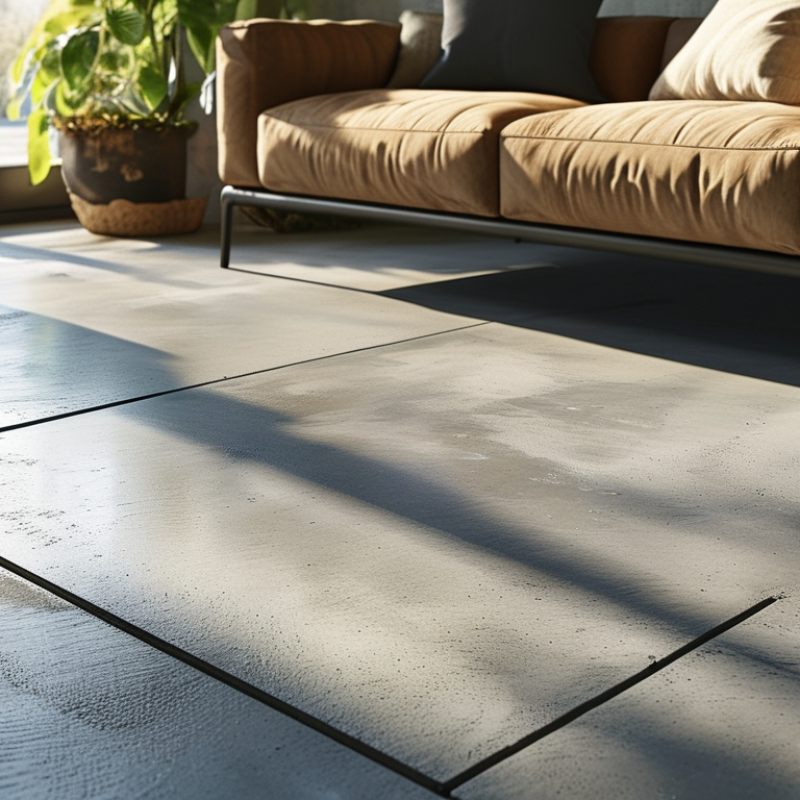
Concrete floorboards play a crucial role in construction. They contribute significantly to the structural integrity of the building. Their strength can support heavy loads. Additionally, they are often more durable than traditional wood flooring. However, one must consider the specific project needs when selecting concrete floorboards.
For better performance, choose the right thickness and density. Heavy-duty construction may require thicker boards. A proper mix design is essential too. It influences both strength and durability. Poorly mixed concrete can lead to cracks over time. This can compromise structural integrity. Careful selection of the mix prevents future problems.
Fr Concrete can greatly influence design flexibility. Depending on the project, concrete can be molded into various shapes. However, this flexibility could lead to over-engineering. It’s essential to balance aesthetics with functionality. Avoid getting lost in elaborate designs. Functionality should always be the primary consideration when selecting materials. Consider seeking advice from experienced professionals to ensure the best outcomes.
Understanding Different Types of Concrete Floorboards Available in the Market
When selecting concrete floorboards for your project, it's crucial to understand the various types available. There are stamped concrete, polished concrete, and aggregate concrete floorboards, each serving different aesthetic and functional purposes. Stamped concrete can mimic natural materials, adding character to spaces. Meanwhile, polished concrete offers a shiny finish, creating a modern look. Aggregate concrete, on the other hand, allows the use of colorful stones, enhancing visual appeal.
Consider the intended use of the space. For high-traffic areas, durable options like polished concrete are ideal. However, for a warm ambiance, stamped concrete might suit residential settings better. Installation methods also vary. Some require professional assistance, while others can be DIY. Reflecting on your project can help clarify which type suits your needs best.
Budget is another important aspect. Some concrete floorboards come at a premium due to their design and finishing methods. Evaluate your finances honestly. Sometimes, the more expensive choices do not always yield the best results. Allow space for potential mistakes in selection. The goal is to find a balance between cost and quality while making informed decisions to avoid regrets down the line.
Key Factors Affecting Durability and Lifespan of Concrete Floorboards
When considering concrete floorboards, durability and lifespan are essential factors. The quality of the materials used significantly impacts their overall resilience. Understand that various mixes and reinforcements can enhance or diminish performance. For example, a higher cement content can lead to stronger boards but may also increase costs. Proper curing is crucial, as incomplete curing might lead to cracking over time.
It’s important to select the right thickness for your concrete floorboards. Thicker boards often exhibit greater durability, making them suitable for heavy loads. Lighter options may be more susceptible to wear and tear. Factor in the specific demands of your project, whether it’s residential or commercial, to make informed choices.
Maintenance plays a pivotal role in extending the life of concrete floorboards. Regular cleaning prevents dirt accumulation that can cause surface damage. Use suitable cleaning agents to avoid eroding the material. It’s equally critical to monitor for cracks or wear regularly. Address minor issues promptly to prevent larger repair needs down the line. Reassessing your choices during the project can ensure maximum durability and satisfaction.
Cost Analysis: Comparing Concrete Floorboards vs. Traditional Materials
When evaluating the cost of concrete floorboards versus traditional materials, several factors come into play. Concrete Floors often require a higher upfront investment. This includes expenses for installation and finishing. However, they provide significant long-term savings due to their durability and low maintenance needs.
Traditional materials like hardwood and tile may offer aesthetic appeal, but they can demand regular upkeep and replacement. Over time, these costs can add up. Concrete floors, on the other hand, can withstand heavy foot traffic and resist wear and tear. They are less likely to buckle or warp, making them a practical choice for many projects.
While concrete offers these advantages, it is essential to consider potential downsides. The initial cost may deter some homeowners. Additionally, the process of pouring and finishing concrete requires skilled labor. If not done correctly, it may lead to issues that can be costly to repair. Reflecting on these aspects will help you make a well-informed decision tailored to your project needs.
Sustainability Considerations in Choosing Concrete Floorboards for Projects
When selecting concrete floorboards, sustainability should be top of mind. Concrete itself is durable, but its production has significant environmental impacts. The key is to choose options with lower carbon footprints. Look for manufacturers that utilize recycled materials or sustainable practices. These choices can help reduce the overall environmental burden of your project.
Consider how long the floorboards will last. A longer lifespan means fewer replacements and less material usage over time. Inside Concrete provides various options designed with longevity in mind. Assess the energy efficiency of your choices too. Enhanced thermal properties can result in lower heating and cooling costs for buildings, further supporting sustainability.
It's also important to reflect on the sourcing of materials. Local production can minimize transportation emissions. Investigate the supply chain behind your concrete floorboards. Understanding these factors can lead to better decisions and a reduced carbon footprint. Remember, the sustainability of your project hinges not just on the product itself but also on its entire lifecycle.
Installation Techniques for Maximizing Performance of Concrete Floorboards
When installing concrete floorboards, proper techniques can significantly enhance their performance. For example, ensuring a well-prepped substrate is crucial. An uneven or poorly compacted base can lead to cracking and uneven wear. According to industry reports, failure in substrate preparation accounts for nearly 30% of installation-related issues.
Concrete Protect is vital during installation. Use moisture barriers to prevent water infiltration. This can minimize damage over time. Additionally, employ expansion joints to allow for natural movement. These joints help reduce cracking from temperature fluctuations. It is important to follow local building codes concerning joint spacing for optimal results.
Proper curing is another often overlooked aspect. Curing promotes hydration, allowing concrete to gain strength more effectively. Research indicates that proper curing can increase the compressive strength of concrete by up to 50%. Neglecting this process might lead to underperformance. Monitoring humidity and temperature during the curing period can also aid in achieving desired outcomes. These are critical insights for effective installation techniques.
Concrete Floorboards Performance Analysis
Maintenance Requirements to Ensure Longevity of Concrete Floorboards
Concrete floorboards are known for their durability and aesthetic appeal. However, maintaining them is crucial for ensuring their longevity. Regular cleaning is essential. Sweep the surface weekly to remove dust and debris. Use a mild detergent mixed with water for deeper cleans. Avoid harsh chemicals that could damage the finish.
It’s important to periodically inspect the floorboards. Look for cracks or signs of wear. Small issues, if left unattended, can lead to bigger problems over time. Consider applying a sealant every few years. This will protect the surface from moisture and stains. A well-sealed concrete floorboard can resist spills and prolong its lifespan significantly.
Despite their resilience, concrete floorboards need proper care. Sometimes, owners underestimate the effects of environmental factors like humidity and temperature changes. These elements can cause expansion and contraction. Regular maintenance helps mitigate these risks. Keep an eye on the climate conditions in your area. Adapting your maintenance routine based on weather can help your floorboards last longer.
Enhancing Concrete Durability: Insights from Industry Reports on Glued Bundled Concrete Steel Fiber Performance and Applications
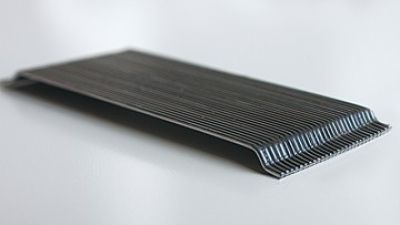
The performance of glued bundled concrete steel fibers has garnered significant attention in the construction industry, particularly regarding their role in enhancing the durability of concrete structures. Recent industry reports indicate that the use of eco-friendly water-soluble adhesives in bundling individual hooked steel fibers into uniform clusters effectively eliminates issues related to fiber clumping and balling during mixing. When the adhesive dissolves in the concrete slurry, it promotes automatic dispersion of the fibers, ensuring a consistent distribution throughout the mixture. This innovative approach leads to the formation of a robust three-dimensional reinforcement network within the concrete, significantly improving its mechanical properties.
Analyses suggest that the incorporation of these glued steel fibers can elevate flexural strength by up to 40% and enhance residual toughness significantly, making them particularly beneficial for heavy-load industrial applications and transportation infrastructure. Furthermore, the fibers contribute to better abrasion resistance and deliver improved control over plastic shrinkage cracks. With the ongoing demand for durable and sustainable construction materials, the deployment of glued bundled steel fibers presents a compelling solution, corroborated by various industry studies that underline their performance benefits in real-world applications.
FAQS
: Material quality, thickness, and proper curing significantly impact durability. A higher cement content can strengthen boards but raise costs.
Thicker boards generally last longer and support heavier loads. Lighter options may wear out more quickly.
Regular cleaning and inspection prevent dirt buildup and catch cracks early. This avoids larger repair needs later.
Sweep weekly and use a mild detergent for deeper cleans. Avoid harsh chemicals that can damage the finish.
Regularly check for cracks and signs of wear. Address small issues quickly to prevent them from worsening.
Yes, while initial costs are higher, their durability and low maintenance lead to long-term savings.
Yes, humidity and temperature changes can cause expansion. Regular maintenance helps manage these effects.
Applying a sealant every few years aids moisture and stain resistance, thus prolonging lifespan.
High initial costs and the need for skilled installation can pose challenges. Reflecting on these aspects is essential.
Neglected maintenance can lead to significant repair needs and shorten the lifespan of your floorboards.
Conclusion
Choosing the best concrete floorboards for your project requires an understanding of their impact on structural integrity, as well as the various types available on the market. Concrete floorboards offer durability and longevity, but their effectiveness can be influenced by key factors such as environmental conditions and installation techniques.
A comprehensive cost analysis reveals that concrete floorboards can be a more economical choice compared to traditional materials when considering long-term maintenance and lifespan. Furthermore, sustainability plays a crucial role in the selection process, as environmentally friendly options are increasingly prioritized. Proper installation techniques and routine maintenance are essential to maximize the performance and durability of concrete floorboards, ensuring they meet project requirements effectively.

 +86 13819274352
 Contact Phone
 Contact Email