When it comes to construction, the flooring really isn’t something to overlook. It’s basically the foundation that everything else is built on. The quality of the flooring you choose can seriously impact safety, how durable the building turns out, plus how good it looks. Picking the right materials means they can handle wear and tear over time without falling apart.
Honestly, a lot of folks tend to focus mainly on the price and don’t give enough thought to the flooring. That’s a mistake because cutting corners financially can lead to all sorts of headaches later on—like cracks, uneven surfaces, or just general wear and tear. It’s super important to think about what kind of space you're working with. For high-traffic areas, you’re gonna want something really sturdy. That way, the floors last longer and you don’t have to keep fixing or replacing them all the time.
Some teams, especially if they’re new or inexperienced, might not realize just how important good flooring is. And if you don’t install it properly, it could mess up the entire project. So, trust me, investing in quality flooring from reliable suppliers isn’t just about looking good—it actually boosts the overall value of the building and keeps everyone safe. Paying attention to these details can really make a difference in your future projects, no doubt.
Definition of Construction Flooring and Its Key Types
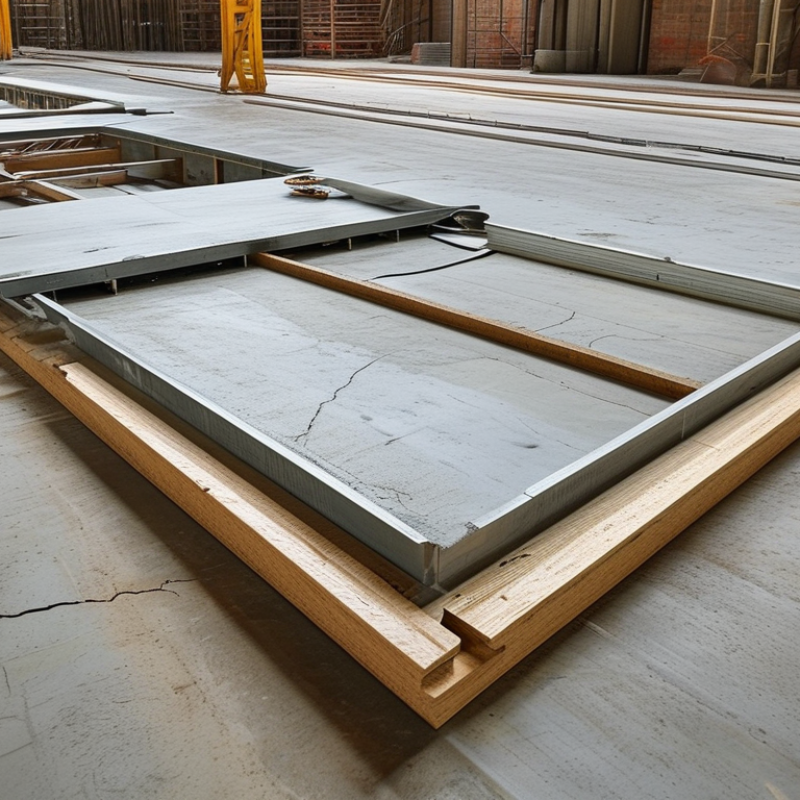
Construction flooring refers to specific types of flooring designed for construction environments. It is crucial for safety, durability, and functionality on job sites. Key types of construction flooring include concrete, vinyl, and wood. Each type serves different purposes and has unique benefits. According to the American Society of Concrete Contractors, concrete is the most commonly used material, accounting for about 60% of the flooring market in construction.
Concrete flooring is praised for strength and longevity. It can withstand heavy machinery and harsh conditions. Vinyl flooring, while less durable, offers flexibility and ease of installation. Many contractors prefer it for temporary setups. Wood flooring, on the other hand, provides an aesthetic appeal but may require more maintenance. Industry studies by the National Floorcovering Association indicate that 30% of construction projects struggle with flooring issues related to performance and durability.
Construction Joints play a vital role in managing the expansion and contraction of flooring materials. They help prevent cracking and maintain structural integrity. However, planning and installing these joints can sometimes be overlooked, leading to costly repairs later. Professionals must have a deep understanding of each flooring type and its requirements to ensure a successful project. Inadequate attention to flooring choices can result in significant setbacks in construction management.
Importance of Construction Flooring in Building Projects
Construction flooring plays a crucial role in building projects. It affects not only aesthetics but also functionality and safety.
A report from the World Floor Covering Association highlights that improper flooring choices can lead to costly repairs, often exceeding 20% of the original project budget.
This underscores the necessity of selecting the right materials early in the construction process.
In addition to financial implications, construction flooring impacts occupant well-being. According to the National Institute of Standards and Technology,
poor flooring selections can contribute to slips and falls, accounting for nearly 40% of workplace injuries. Moreover, sustainable flooring options can improve indoor air quality,
benefiting both workers and residents.
Choosing the right flooring requires expertise. While many contractors prioritize initial costs, long-term performance should be a key consideration.
Evaluating durability, maintenance, and environmental impact is essential. The use of 5 Flooring techniques can enhance quality.
An area often overlooked is waste from flooring installation; proper planning can reduce this waste significantly, aligning with sustainability goals.
Thus, flooring decisions in construction must balance immediate and long-term needs.
Materials Commonly Used for Construction Flooring
Construction flooring plays a critical role in building integrity and aesthetics. Various materials are widely utilized in this sector, each serving distinct purposes. Concrete is a popular choice due to its durability. It can withstand heavy loads and is relatively low-maintenance. However, concrete can be cold and hard underfoot, which may not be comfortable for everyone.
Wooden flooring is another common material that offers warmth. It brings natural beauty to any space. However, wood can be susceptible to moisture and may warp over time. Regular maintenance is required to preserve wooden floors, which can be a drawback for some builders.
Vinyl flooring is often favored for its versatility and ease of installation. It comes in a variety of designs, mimicking natural materials at a lower cost. Yet, some vinyl products may have lower durability compared to other materials. Reflecting on these options can ensure better choices suited to specific needs.
Factors to Consider When Choosing Construction Flooring
When selecting construction flooring, various factors come into play. The space's function is critical. For high-traffic areas, durability is paramount. Materials like concrete or resilient tiles often excel here. In contrast, aesthetics may drive choices in residential settings. Natural wood can add warmth and charm while still being functional.
Cost is another crucial consideration. Different materials have varied price points. Budget constraints often limit options, but long-term performance must factor in. Cheaper choices can lead to repairs or replacements sooner than anticipated. The type of installation is also significant. Some flooring options require professional skills, adding to labor costs. DIY methods might save money but can lead to flaws if not done correctly.
Maintenance is vital as well. Some materials require frequent upkeep, while others are low-maintenance. This difference impacts both time and money. Suppose you choose flooring that looks appealing but is challenging to care for. In that case, it could lead to frustration down the line, impacting the overall functional value of the space. Flooring Us can guide you through these considerations, ensuring you make a well-informed decision.
The Installation Process of Construction Flooring
When considering construction flooring, the installation process plays a crucial role. Proper installation affects both aesthetics and durability. According to industry reports, approximately 30% of flooring failures are due to improper installation techniques. This highlights the importance of skilled professionals during the process.
During installation, it’s essential to prepare the subfloor adequately. Any irregularities can lead to uneven surfaces. This, in turn, may cause wear and damage over time. Proper moisture testing is also vital. Flooring materials can warp if moisture levels are not controlled.
Choosing the right underlayment is another critical factor. Different flooring types require specific underlays to ensure sound absorption and comfort. It is a common oversight when underlayment is not considered, potentially leading to long-term issues.
For optimal results, always verify the installation guidelines provided by flooring manufacturers. Relying on professional expertise is key. Good installation practices can result in a lifespan of 20 years or more for construction flooring, according to the latest studies. Coordination with experienced teams like Ltd Flooring can lead to successful outcomes.
Maintenance and Care of Construction Flooring
Maintaining construction flooring is crucial for longevity and safety. Different materials require specific care methods. For instance, concrete floors need regular sealing to prevent stains and cracks. Wooden floors, on the other hand, benefit from periodic refinishing to retain their beauty and durability. Not every building owner is aware of these nuances, leading to potential damage over time.
Regular cleaning is essential for all flooring types. Using proper cleaning agents can prevent wear and tear. It's important to avoid harsh chemicals, as they can degrade the floor's material. Some may think that mopping suffices, but dirt trapped in the grooves can create issues later. Insufficient cleaning can lead to slip hazards.
Inspecting flooring regularly is a best practice. Look for signs of wear, like scuffs or loose tiles. Addressing issues early can save money and time later. Some may overlook these small problems, but neglect can lead to bigger repairs. Creating a maintenance schedule can help keep flooring in top shape for years to come.
Importance of Construction Flooring Maintenance
Emerging Trends in Construction Flooring Solutions
Emerging trends in construction flooring solutions are reshaping the industry. One notable trend is the increasing adoption of sustainable materials. According to a 2023 report by the Global Flooring Association, over 60% of new projects prioritize eco-friendly flooring. This shift reflects a growing awareness of environmental impact among builders and clients alike.
Another trend is the rise of multifaceted flooring systems. These systems integrate different materials, providing both aesthetic appeal and functional benefits. For example, combining hardwood with rubber offers durability and comfort. As demand for such solutions grows, industry experts predict a 15% increase in multifaceted installations by 2025.
Innovative flooring technologies are also gaining traction. Smart flooring solutions that monitor foot traffic and environmental conditions can enhance building management. Reports indicate that nearly 30% of construction firms are exploring these technologies. However, the reliance on digital solutions can lead to challenges, such as high installation costs and maintenance.
Think about future projects. Consider flooring durability alongside aesthetics. When selecting materials, also focus on their environmental impact. A well-informed choice can significantly enhance a building’s overall value. Explore diverse options in materials and designs. Balancing function and style is essential for modern construction flooring.
What is Construction Flooring and Why is it Important? - Emerging Trends in Construction Flooring Solutions
| Flooring Type |
Material |
Benefits |
Emerging Trends |
| Concrete |
Cement, Aggregate |
Durable, Low Maintenance |
Polished Finishes, Sustainability |
| Vinyl |
PVC, Fiberglass |
Water-Resistant, Affordable |
Luxury Vinyl Tiles, Eco-Friendly Options |
| Wood |
Hardwood, Engineered Wood |
Aesthetic Appeal, Value Addition |
Technology-Enhanced Processing, Reclaimed Wood |
| Tile |
Ceramic, Porcelain |
Versatile Design, Long-Lasting |
Large Format Tiles, Digital Printing |
| Carpet |
Nylon, Polyester |
Comfort, Sound Insulation |
Sustainable Fibers, Smart Carpets |
FAQS
: Construction flooring is designed for safety and functionality in job sites. It includes materials like concrete, vinyl, and wood.
Concrete is strong and durable. It can handle heavy machinery and harsh conditions, making it a top choice for contractors.
Vinyl flooring is flexible and easy to install. It’s often used for temporary setups, despite being less durable than concrete.
Wood flooring offers aesthetic appeal but needs more maintenance. It might not be suitable for all construction environments.
Poor flooring selections can lead to safety hazards and costly repairs that exceed 20% of the project budget, highlighting the need for proper planning.
Construction joints help manage the expansion and contraction of flooring materials. Neglecting them can cause cracks and structural issues.
Improper installation, which accounts for 30% of flooring failures, can lead to uneven surfaces and damaged materials over time.
Uncontrolled moisture levels can cause flooring materials to warp. Testing ensures the longevity of the flooring.
Right underlayment ensures sound absorption and comfort. Neglecting it may lead to long-term problems in flooring performance.
Evaluate durability, maintenance, and environmental impact. Sustainable options improve indoor air quality and support building health.
Conclusion
Construction flooring refers to the specific types of flooring used in building projects, playing a crucial role in the overall integrity and functionality of structures. Key types of construction flooring include concrete, wood, tile, and laminate, each offering distinct advantages based on the project's requirements. The choice of materials is influenced by factors such as durability, aesthetics, and maintenance needs, highlighting the importance of careful selection in the planning phase.
In addition to the materials used, the installation process and ongoing maintenance are essential aspects of construction flooring that impact performance and longevity. Emerging trends in flooring solutions, such as sustainable materials and advanced installation techniques, reflect the industry's evolution towards more efficient and environmentally friendly practices. Understanding these elements is vital for successful construction flooring implementation in any building project.

 +86 13819274352
 Contact Phone
 Contact Email