When it comes to civil engineering, managing Construction Joints is actually super important. I remember John Smith, who’s pretty experienced over at XYZ Engineering, once said, "Getting Construction Joints right can really save you time and money in the long run." That really shows just how crucial this stuff is in construction projects.
If you handle Construction Joints properly, it helps keep the whole structure solid over time. These joints play a big role in how buildings handle stress and stay durable. On the flip side, if they’re not done carefully—like if they crack or leak—it can be pretty dangerous and costly to fix later on. Sometimes, teams miss this detail because they’re racing against deadlines, but paying attention here is a must.
Every project is a little different, so there’s no one-size-fits-all approach to Construction Joints. Sharing tips and lessons learned with your team can really help improve how things turn out. But honestly, a lot of builders still run into the same kinds of problems. Looking back at what’s been done in past projects can help identify what needs fixing and how to do better next time. Mastering Construction Joints isn’t something you learn overnight—it’s a journey of continuous learning and tweaking your methods as you go.
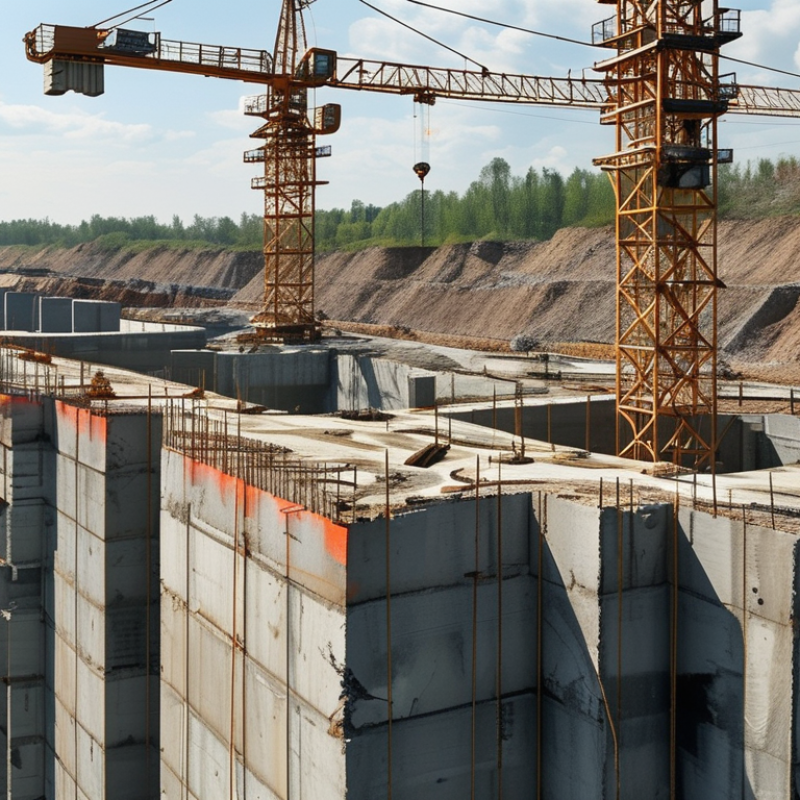
Understanding Construction Joints and Their Importance in Projects
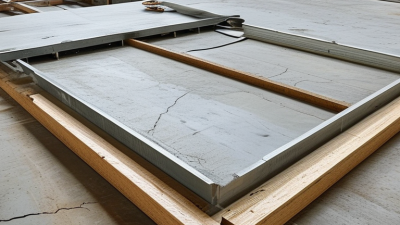
Understanding construction joints is crucial for successful project execution. These joints are necessary for the movement of a structure. They accommodate thermal expansion, contraction, and other environmental factors. Without proper management, they can lead to costly repairs and structural issues.
Managing construction joints involves specific techniques and awareness. One must consider the position and type of joints when planning. Each joint requires careful placement to ensure safety and functionality. It's also vital to communicate these details with the entire project team. Misunderstandings can arise, leading to mistakes that are hard to fix later.
Experience plays a significant role in optimizing construction joints. Not all projects will benefit from the same type of joint. Sometimes, a joint may fail due to unforeseen conditions. Regular inspections can help detect issues early. Keeping an open line of communication can mitigate these problems. Learning from past projects can guide future decisions.
Identifying the Types of Construction Joints for Effective Management
When managing Concrete Construction Joints, understanding their types is essential. Construction joints can be temporary or permanent. They serve different purposes, like controlling shrinkage or enabling expansion. Each type of joint has unique management requirements. For instance, temperature control joints help manage thermal expansion, while contraction joints prevent random cracking.
Data from the American Concrete Institute indicates that improper joint management can lead to structural failures. It’s vital to assess conditions before pouring concrete. Many projects overlook the importance of correct spacing and alignment for joints. Often, professionals underestimate the impact of environmental factors. Inadequate consideration can lead to costly repairs.
Monitoring and maintenance of these joints is also crucial. Regular inspections can help identify potential issues early. Using visual assessments along with advanced techniques enhances reliability. Research shows that effective joint management can extend the lifespan of concrete structures. However, not all teams prioritize ongoing care. Some may find maintenance protocols cumbersome, risking long-term integrity.
Best Practices for Planning and Designing Construction Joints
Effective management of construction joints is crucial for a successful project. Planning and designing these joints require careful consideration to ensure structural integrity. Engage with experienced professionals early on. Their insights can prevent costly mistakes and improve the overall design process.
One important aspect in the planning phase is identifying the right locations for your joints. Consider the expansion and contraction of materials. This is essential in places like bridges and parking structures. Proper placement reduces the risk of cracking.
In addition, ensure that the selected materials for construction joints are compatible with the surrounding elements. Choosing the wrong material can lead to future issues, such as reduced durability or maintenance challenges. Incorporating flexible joint materials can help accommodate movement. Effective Construction Flooring practices can enhance this compatibility, ensuring longevity and stability. Reflecting on past projects can improve future designs. Adjusting your strategies based on experienced observations will lead to better outcomes.
Key Considerations for Material Selection in Construction Joints
When managing construction joints, material selection plays a critical role. Choosing the right materials can affect durability and overall project success. One common material used is concrete. However, not all concrete formulations work well for joints. The environmental conditions and stress factors should be carefully evaluated.
Utilizing advanced adhesives or sealants can enhance joint performance. These materials may offer better flexibility and bonding strength. It's essential to test these materials before large-scale application. Each project differs, requiring an analysis of soil types and weather elements. This step ensures long-lasting results.
Another important aspect is the protective measures for construction joints. Incorporating proper Construction Floor Protection methods reduces risks during the construction phase. Protecting joints from potential damage is vital for the integrity of the entire structure. Sometimes, overlooked details in protection can lead to costly consequences later on, emphasizing the need for diligence in planning and execution.
Effective Communication Strategies Among Stakeholders During Joint Work
Effective communication among stakeholders during joint work is crucial for successful construction projects. It bridges the gap between various teams, ensuring everyone is aligned. Use clear and concise language in all communications. Avoid jargon that may create confusion. A common understanding of project goals is key to successful collaborations. Meetings should be scheduled regularly to discuss updates and address concerns.
Visual aids, such as diagrams and schedules, can facilitate better understanding. They help communicate complex ideas in a simpler manner. Stakeholders often come from different backgrounds. Their perspectives can lead to conflicts if not managed properly. Encourage an open dialogue where all voices are heard. This fosters a culture of trust and respect.
Reflecting on past projects can provide valuable insights. Learn from previous communication failures. What went wrong? How can improvements be made? Continue to adapt communication strategies as teams change. Flexibility is essential in joint work environments. A just-in-time approach to sharing information can keep everyone updated and engaged. Ensure that all stakeholders have access to necessary resources and updates. This boosts collaboration and minimizes misunderstandings.
Top 5 Tips for Effective Construction Joints Management
| Tip |
Description |
Stakeholders Involved |
Communication Strategy |
| Clear Objectives |
Define specific goals for joint work to ensure alignment. |
Project Managers, Clients |
Regular email updates and meetings. |
| Roles and Responsibilities |
Clarify who is responsible for what to avoid overlaps. |
Contractors, Sub-contractors |
Task assignment documents and briefings. |
| Timely Feedback |
Provide feedback promptly to address issues quickly. |
All Stakeholders |
Feedback forms and review sessions. |
| Document Everything |
Keep a thorough record of decisions made during the process. |
Project Managers, Office Staff |
Shared drives and cloud storage for access. |
| Continuous Improvement |
Evaluate and improve processes as the project progresses. |
Quality Assurance Teams |
Regular review meetings and surveys. |
Monitoring and Maintenance Protocols for Construction Joints
Monitoring and maintaining construction joints is crucial for structural integrity. Regular inspections help identify issues early. Look for visible cracks or signs of wear. Ensure that the joints can accommodate movement without compromising stability. Using precise measurement tools can enhance observation efficiency.
Documenting the condition of joints is essential. Establishing a log helps track changes over time. Consider using digital tools for better accuracy and easy access. Regular maintenance should involve cleaning the joints and applying sealants as needed. This can prevent moisture intrusion and prolong the life of the structure.
Even with diligent monitoring, unexpected problems can arise. Sometimes, maintenance protocols may fail to account for certain environmental factors. It's vital to review and adjust strategies regularly. Having a responsive maintenance team can make a difference. They can address immediate issues and adapt to new challenges, ensuring the longevity of construction joints.
Troubleshooting Common Issues in Construction Joint Management
Construction joint management is critical for ensuring the longevity and integrity of concrete structures. Common issues often arise from the improper placement or design of these joints, leading to costly repairs. According to industry reports, poorly managed construction joints can lead to a 30% increase in overall maintenance costs. These statistics emphasize the importance of identifying problems early.
A frequent issue is the improper alignment of joints. Misalignment can cause stress concentrations, resulting in cracking. For example, when joints are not placed at appropriate intervals, they are subject to thermal expansion and contraction, which may lead to deformation. Regular inspections during the pouring process can help mitigate these risks. Utilizing tools such as thermal imaging can detect areas of stress before significant damage occurs.
Another challenge is sealing construction joints adequately. If the sealant fails, water ingress becomes a significant threat to the structure's durability. Studies show that up to 25% of construction joint failures can be attributed to inadequate sealing. Employing high-quality sealants designed for the unique conditions of Concrete Flooring Construction can reduce these failures. However, even the best materials require proper application. Regular training for workers on sealing techniques is an essential yet often overlooked aspect of effective joint management.
FAQS
: Planning construction joints is crucial for maintaining structural integrity and preventing costly mistakes.
Identify joint locations by considering material expansion and contraction, especially in structures like bridges.
Choose materials that are compatible with surrounding elements to avoid durability issues in the future.
Effective communication aligns stakeholders, reduces conflicts, and fosters trust in construction projects.
Look for visible cracks and ensure joints accommodate movement without compromising stability.
Establish a log to track changes over time, using digital tools for accuracy and easy access.
Regular maintenance, including cleaning and applying sealants, prevents moisture intrusion and extends joint life.
Reflecting on past projects can reveal communication failures and inform better strategies for new designs.
Unexpected environmental factors may not be accounted for in maintenance protocols, causing issues.
A responsive maintenance team addresses immediate issues and adapts to new challenges for longevity.
Conclusion
Effective management of construction joints is crucial to ensuring the longevity and stability of construction projects. Understanding the significance of construction joints begins with identifying their various types, which is essential for proper management. Best practices in planning and designing these joints involve thoughtful consideration of their location and purpose, alongside key factors influencing material selection.
Moreover, clear communication among stakeholders during the execution of joint work fosters collaboration and minimizes misunderstandings. Implementing monitoring and maintenance protocols ensures that construction joints remain in optimal condition over time. Lastly, troubleshooting common issues related to construction joint management can prevent costly repairs and enhance the overall integrity of the structure. By following these guidelines, project teams can achieve effective construction joint management and contribute to successful project outcomes.

 +86 13819274352
 Contact Phone
 Contact Email