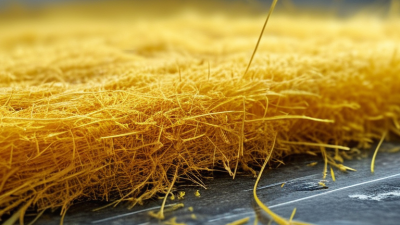
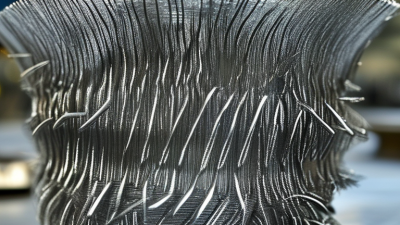
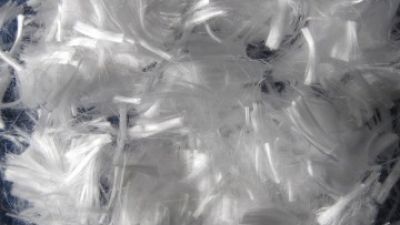
Polypropylene fiber is really gaining traction across different industries these days. It's pretty popular because it's lightweight yet tough enough to handle a lot of wear and tear. Plus, folks love it because it resists moisture, chemicals, and UV rays — kind of the whole package. It's super versatile too, making it a go-to for everything from textiles and carpets to industrial stuff. Honestly, you can find it almost everywhere!
Lots of companies like FiberTech are always trying to improve their products using polypropylene fiber. They’re looking for ways to boost durability and keep costs down—things that matter a lot when you’re trying to get good value. That said, not every manufacturer plays by the same rules, so sometimes you might end up with products that don’t quite meet your expectations. It’s a bit of a gamble.
Getting to know the real benefits of polypropylene fiber is pretty important if you want to make smart buying choices. The market’s growing quickly, and there’s definitely a bit of a learning curve as you figure out what works best. Staying updated on the latest research and innovations can really help you make better decisions. So, keep an eye out for new developments—being informed makes all the difference when investing in this stuff.
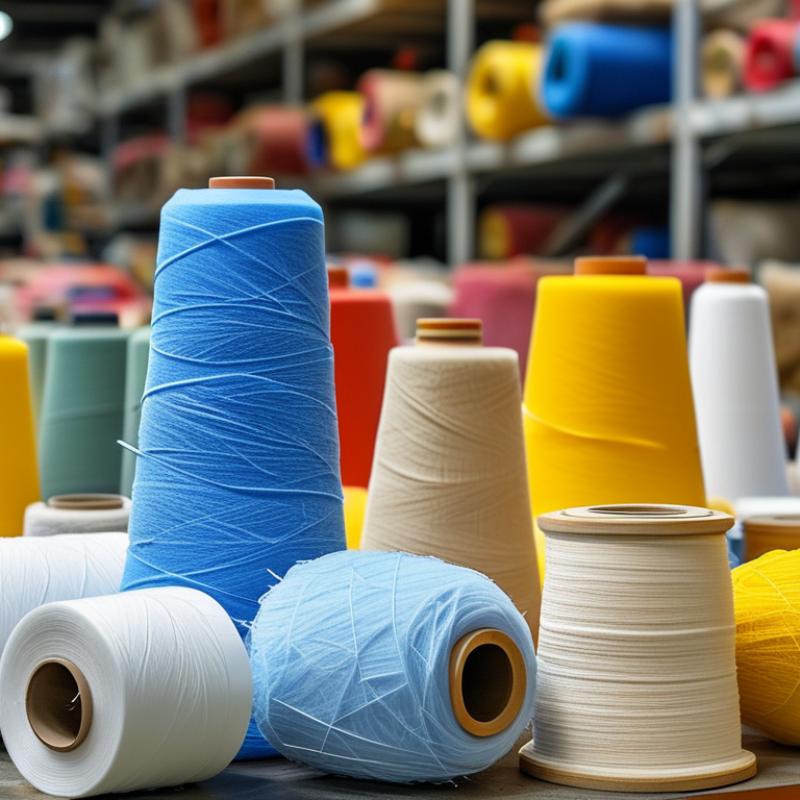
What is Polypropylene Fiber?
Polypropylene fiber is a synthetic material widely used in various industries. Made from polypropylene polymer, it is lightweight yet durable. This fiber exhibits excellent resistance to moisture, chemicals, and UV rays. As a result, it is ideal for outdoor applications and textiles that require durability. Its unique properties make it popular in carpets, upholstery, and even geotextiles.
When using polypropylene fiber products, consider the environment. While this fiber is long-lasting, it can contribute to plastic pollution if not disposed of properly. Always seek recycling options when available. Additionally, some may find the texture of polypropylene less appealing than natural fibers. It's essential to weigh these factors when making purchasing decisions.
Tips to keep in mind: look for labels that indicate the fiber content. Knowing how much polypropylene is in your product can help you gauge its performance. Also, check for certifications that ensure sustainable practices. These details can guide you in selecting high-quality products while promoting eco-conscious choices.
Benefits of Polypropylene Fiber
Polypropylene fiber offers a range of benefits that make it an attractive option for various applications. This chart illustrates key advantages including durability, chemical resistance, lightweight nature, moisture resistance, and cost-effectiveness. The percentage value indicates the effectiveness of each benefit, providing potential buyers with a clear understanding of what to expect from polypropylene fiber.
The Chemical Structure of Polypropylene Fiber
Polypropylene Fiber is an essential synthetic material widely used in textiles and industrial applications. Its chemical structure is based on the polymerization of propylene monomers, resulting in a lightweight yet durable fiber. This fiber consists of long hydrocarbon chains, which contribute to its strength and resistance to chemical degradation. Reports indicate that polypropylene fiber exhibits a melting point of around 160°C, making it suitable for various high-temperature applications.
Despite its advantages, polypropylene fiber can sometimes present challenges in specific scenarios. For instance, while the fiber is resistant to moisture, it can absorb oil-based substances, leading to potential staining issues. Additionally, its production is energy-intensive, which raises questions about sustainability. A recent industry analysis revealed that the demand for polypropylene fiber is expected to grow at a CAGR of 6% through 2027, highlighting its increasing significance in the textile and construction industries.
The versatility of polypropylene fiber makes it appealing for buyers. Its lightweight nature reduces shipping costs, while its resistance to wear ensures longevity. However, potential buyers should consider the environmental impact of fiber production. Balancing performance benefits with sustainability is a crucial conversation in the industry today. As materials science evolves, it will be interesting to see how polypropylene fiber adapts to meet both consumer needs and environmental standards.
Manufacturing Process of Polypropylene Fiber
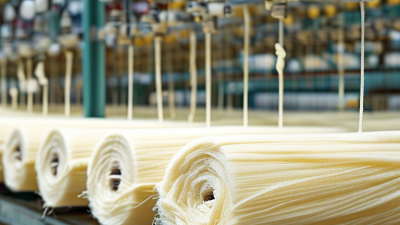
The manufacturing process of polypropylene fiber is crucial to understanding its advantages. Polypropylene, a thermoplastic polymer, undergoes a series of steps during production. Initially, it is polymerized through a process called chain-growth polymerization. This step involves stirring a mixture of propylene and a catalyst to create long-chain molecules. The resulting polymer is then melted and extruded through spinnerets, forming continuous filament fibers.
Once extruded, the fibers are cooled and solidified. They can then be drawn and stretched to enhance their strength and flexibility. According to market reports from the International Fiber Journal, polypropylene fiber has a tensile strength up to five times greater than cotton. This durability makes it an attractive option for various applications, including carpets, textiles, and automotive interiors.
Tips: When choosing polypropylene fiber products, consider their thermal resistance and moisture-wicking properties. Look for fibers that meet industry standards for quality and safety. Not every manufacturer's approach yields the same results, which can affect performance. Researching different manufacturing processes can help buyers make informed decisions.
Key Benefits of Polypropylene Fiber for Consumers
When considering fabric options, Polypropylene Fiber stands out for its unique benefits. This lightweight material is known for its durability and strength. It resists moisture and mold, making it ideal for various applications. Homeowners often appreciate its versatility, especially in outdoor furniture and carpets.
Polypropylene Fiber Mesh can provide added support and structure, allowing for innovative designs.
One key benefit of Polypropylene Fiber is its cost-effectiveness. It is generally more affordable than other synthetic fibers, providing an excellent return on investment. Buyers can often find it in stylish designs without breaking the bank. However, some may find the texture less luxurious than natural fibers. It's essential to balance affordability with quality when making a choice.
Another advantage is its resistance to fading. Polypropylene Fiber maintains its color well in sunlight, which is useful for outdoor products. Still, potential buyers should consider its environmental impact. Recycling options may not be as accessible as for other materials. Exploring these factors can lead to more informed purchasing decisions while enjoying the benefits of Polypropylene Fiber Mesh.
Common Applications of Polypropylene Fiber in Various Industries
Polypropylene fiber is increasingly popular in various industries due to its unique properties. In the textile sector, it is used to create durable, lightweight fabrics. These materials resist moisture and mold, making them ideal for outdoor clothing and furnishings. According to a recent industry report, the global polypropylene fiber market is expected to reach $9.9 billion by 2026, demonstrating significant growth opportunities.
In the construction industry, polypropylene fiber is utilized to enhance concrete. When added to concrete mixtures, it improves toughness and reduces cracking. A study published by the American Concrete Institute found that using Fiberglass Polypropylene can increase the durability of concrete structures by up to 50%. This is crucial for infrastructure projects that require long-lasting materials.
Moreover, the automotive sector benefits from polypropylene fiber for interior components. Its lightweight nature contributes to fuel efficiency while maintaining performance. However, it is essential to consider the environmental impact of polypropylene production. Recycling options and biodegradable alternatives are crucial topics for discussion. Striking the right balance between performance and sustainability remains a challenge in the industry.
Comparative Advantages Over Other Fiber Types
Polypropylene fiber stands out for its unique qualities and benefits. This synthetic fiber offers excellent resistance to moisture and chemicals. Its lightweight nature makes it desirable for various applications. Unlike natural fibers, polypropylene does not absorb water, which leads to faster drying times. This feature is particularly advantageous for outdoor and water-related uses.
When comparing polypropylene fiber to natural fibers like cotton or wool, it shows significant advantages. Polypropylene fibers are less prone to mold and mildew. They also resist fading from sunlight, which makes them valuable for fabrics exposed to outdoor conditions. Furthermore, polypropylene is generally more affordable, making it attractive for budget-conscious buyers.
However, polypropylene is not biodegradable. This raises questions about its environmental impact. As buyers consider options, the durability and longevity of polypropylene may outweigh this concern. Balancing cost, performance, and environmental responsibility becomes crucial in decision-making.
Environmental Impact and Sustainability of Polypropylene Fiber
Polypropylene fiber is gaining attention due to its environmental benefits. This synthetic fiber is made from recycled materials, which supports a circular economy. Its production requires less energy compared to other fibers. This helps reduce greenhouse gas emissions significantly. Many consumers are increasingly aware of their environmental footprint. Yet, not all polypropylene fibers are created equal. The sustainability of these materials can vary based on the manufacturer and production methods.
The environmental impact of polypropylene fiber is multifaceted. On one hand, its resistance to moisture and chemicals makes it durable and long-lasting. This durability means products made from it can be used longer, leading to less waste. Companies using Polypropylene Fiberglass in construction and textiles often highlight these attributes. On the other hand, the production process may involve harmful chemicals that raise concerns. There is ongoing debate about the biodegradability of polypropylene. While it can potentially be recycled, improper disposal remains an issue.
Sustainability in the polypropylene sector is evolving. Innovations in manufacturing aim to minimize waste and energy usage. The challenge lies in balancing performance and eco-friendliness. Consumers should remain informed and seek transparent sourcing practices. Understanding these factors empowers buyers to make informed decisions. The future of polypropylene fiber will depend on continuous improvements and responsible consumption.
Analyzing the Impact of Monofilament Type PP Fiber on Concrete Durability: Insights from Industry Data Reports
The use of monofilament type polypropylene (PP) fiber in concrete has become a critical factor in enhancing the durability of concrete structures. This ultra-fine, single-strand fiber is strategically integrated into concrete mixtures to combat early-age plastic shrinkage cracks that often occur during the initial setting phase. By incorporating a dense distribution of these fibers, the tensile strength of fresh concrete is significantly improved, helping to maintain structural integrity during its earliest stages.
Furthermore, the unique characteristics of monofilament PP fibers extend beyond crack resistance. With a high fiber quantity per unit weight, these fibers are adept at filling the micro-gaps within the cement matrix. This results in reduced permeability, effectively lowering the likelihood of moisture infiltration that can lead to deterioration over time. As a result, concrete structures, especially those exposed to harsh outdoor conditions, experience enhanced freeze-thaw resistance—a crucial property for maintaining long-term durability and performance. The industry's increasing focus on utilizing monofilament PP fibers underscores their importance in advancing concrete technology and ensuring the longevity of construction projects.
FAQS
: It is created through the polymerization of propylene monomers.
It is lightweight, durable, and has long hydrocarbon chains that enhance strength.
No, it resists moisture but can absorb oil-based substances, risking stains.
It has a melting point of around 160°C, suitable for various applications.
Its production is energy-intensive, which raises sustainability concerns.
It is generally more affordable than other synthetic fibers, offering a good return on investment.
It maintains color well in sunlight, making it great for outdoor use.
Its texture may feel less luxurious than natural fibers, which could affect user preference.
Recycling options are not as accessible compared to other materials, complicating sustainability.
Demand may grow at a rate of 6% annually until 2027, underscoring its significance.
Conclusion
Polypropylene Fiber is a synthetic fiber derived from the polymerization of propylene monomers. Its unique chemical structure contributes to its lightweight, durable, and moisture-resistant properties, making it a popular choice in various applications. The manufacturing process involves several steps, including polymerization and spinning, which transform raw materials into functional fibers.
For consumers, the key benefits of Polypropylene Fiber include its resistance to mildew, rot, and insects, as well as its thermal insulation capabilities and cost-effectiveness. Commonly used in textiles, carpeting, and industrial applications, this fiber also presents comparative advantages over other types, such as lower density and superior durability. Furthermore, advancements in sustainability are addressing environmental concerns, making Polypropylene Fiber a more eco-friendly option in today’s market.

 +86 13819274352
 Contact Phone
 Contact Email