+86 13819274352
Leave Your Message
-
Contact WhatsApp
-
 Contact Phone
-
 Contact Email
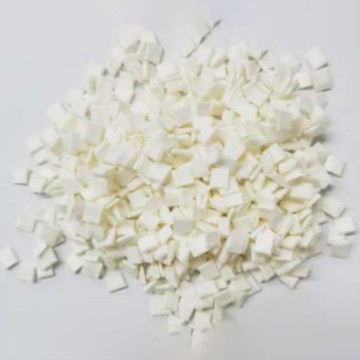
As global industries transition toward sustainable, bio-based economies, the demand for advanced nanomaterials has experienced exponential growth. Among these, Nano Crystalline Cellulose (NCC), also known as cellulose nanocrystals (CNC), stands out as a revolutionary material. Extracted from renewable biomass, NCC possesses exceptional properties, including high mechanical strength, high crystallinity, low density, and a large specific surface area. For manufacturers in Mexico, locating a budget-friendly Nano Crystalline Cellulose supplier and factory is becoming a strategic priority to remain competitive in both domestic and international export markets.
In Mexico's rapidly evolving industrial corridors—ranging from the automotive plants of Puebla and Querétaro to the construction booms in Mexico City and Monterrey—NCC serves as a critical performance enhancer. By reinforcing polymer composites, stabilizing emulsions, and improving the durability of building materials, nanocellulose enables local manufacturers to meet stringent international environmental and structural standards.
Mexico's strategic position as a global manufacturing hub, driven by the "nearshoring" trend, has attracted massive investments in automotive, aerospace, electronics, and packaging sectors. To support this growth, local supply chains must adapt to green manufacturing guidelines. NCC is increasingly integrated into local production processes as a green alternative to synthetic additives, carbon fibers, and glass fibers.
However, importing high-tech nanomaterials from traditional overseas suppliers has historically been cost-prohibitive for many Mexican small-to-medium enterprises (SMEs). This economic barrier highlights the urgent need for a budget-friendly NCC supplier that understands the local market dynamics, import regulations, and industrial requirements of Mexican factories. Sourcing from an optimized factory allows local industries to access consistent, bulk quantities of NCC without compromising their operating margins.
The Mexican construction sector is undergoing significant modernization, with major projects requiring high-durability concrete formulations. When NCC or alkali-resistant cellulose fibers are added to concrete mixes, they act as micro-structural reinforcements. NCC promotes cement hydration at a molecular level, reducing micro-cracks and enhancing compressive strength. This is particularly crucial for structures exposed to harsh marine environments along the Gulf Coast or seismic activity in southern Mexico.
Mexico is one of the world's leading automotive exporters. With the global shift toward Electric Vehicles (EVs), reducing vehicle weight is paramount to extending battery range. NCC-reinforced polymer composites offer high tensile strength comparable to Kevlar but at a fraction of the weight and cost. Mexican Tier-1 automotive suppliers are actively testing NCC in interior panels, dashboard structures, and under-the-hood components to achieve lightweighting goals.
Jalisco, known as the agricultural powerhouse of Mexico, produces vast amounts of food exports. The local packaging industry is shifting rapidly away from single-use plastics to comply with regional environmental laws. NCC acts as an exceptional gas and moisture barrier when applied as a coating to paperboard or blended with biodegradable plastics like PLA. This extends the shelf life of exported Mexican avocados, berries, and processed foods while ensuring the packaging is fully compostable.
For PEMEX and private operators in the Gulf of Mexico, maintaining the stability of drilling fluids under high-temperature and high-pressure (HTHP) conditions is a constant challenge. NCC serves as an eco-friendly rheology modifier, preventing fluid loss and stabilizing the wellbore without introducing toxic chemical additives into sensitive marine ecosystems.
The Mexican government's alignment with the United Nations Sustainable Development Goals (SDGs) and the USMCA trade agreement's environmental chapters is pushing factories to adopt circular economy models. Sourcing budget-friendly, bio-derived materials like Nano Crystalline Cellulose is no longer optional—it is a core business strategy for companies exporting to North America and Europe.
When selecting an NCC supplier for the Mexican market, manufacturers must evaluate several factors beyond the initial price per kilogram:
By leveraging advanced sheet metal processing machinery and industrial scale, our allied production facilities optimize manufacturing efficiency. This allows us to offer premium-grade cellulose fibers and nanocellulose solutions at highly competitive, budget-friendly rates for our Mexican partners.
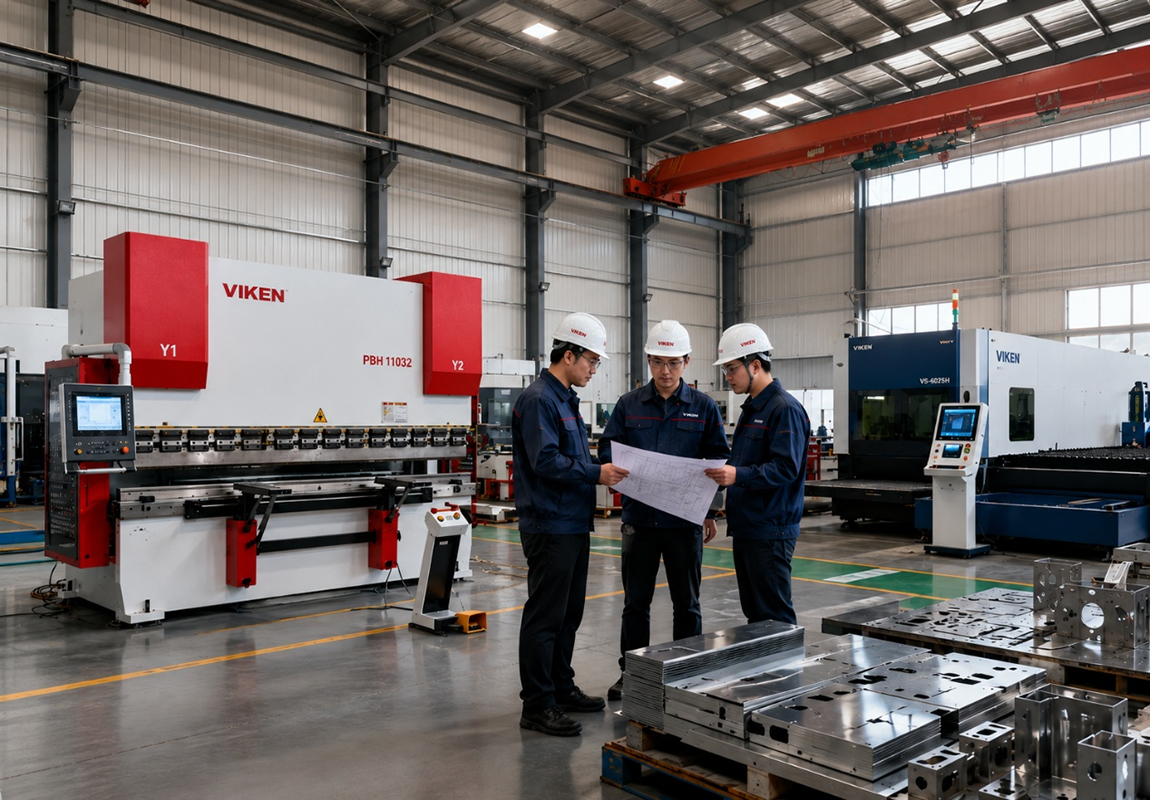
CHNVIKEN is a professional manufacturer specializing in the research, development, production, and export of sheet metal processing equipment. With more than 10 years of industry experience, we have grown from a local machinery supplier into a globally recognized brand serving customers in over 100 countries and regions.
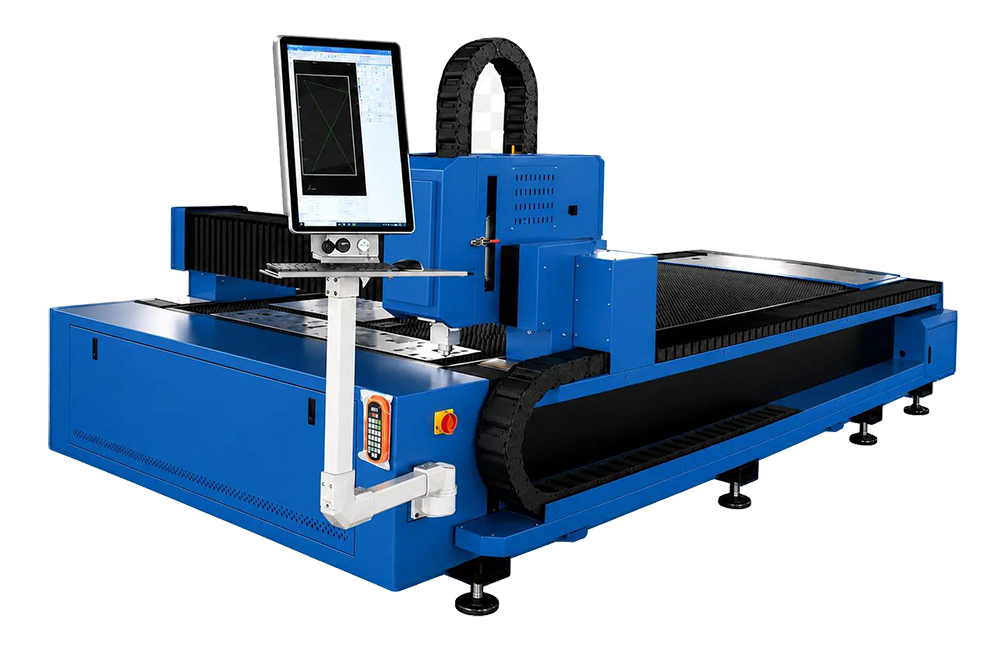
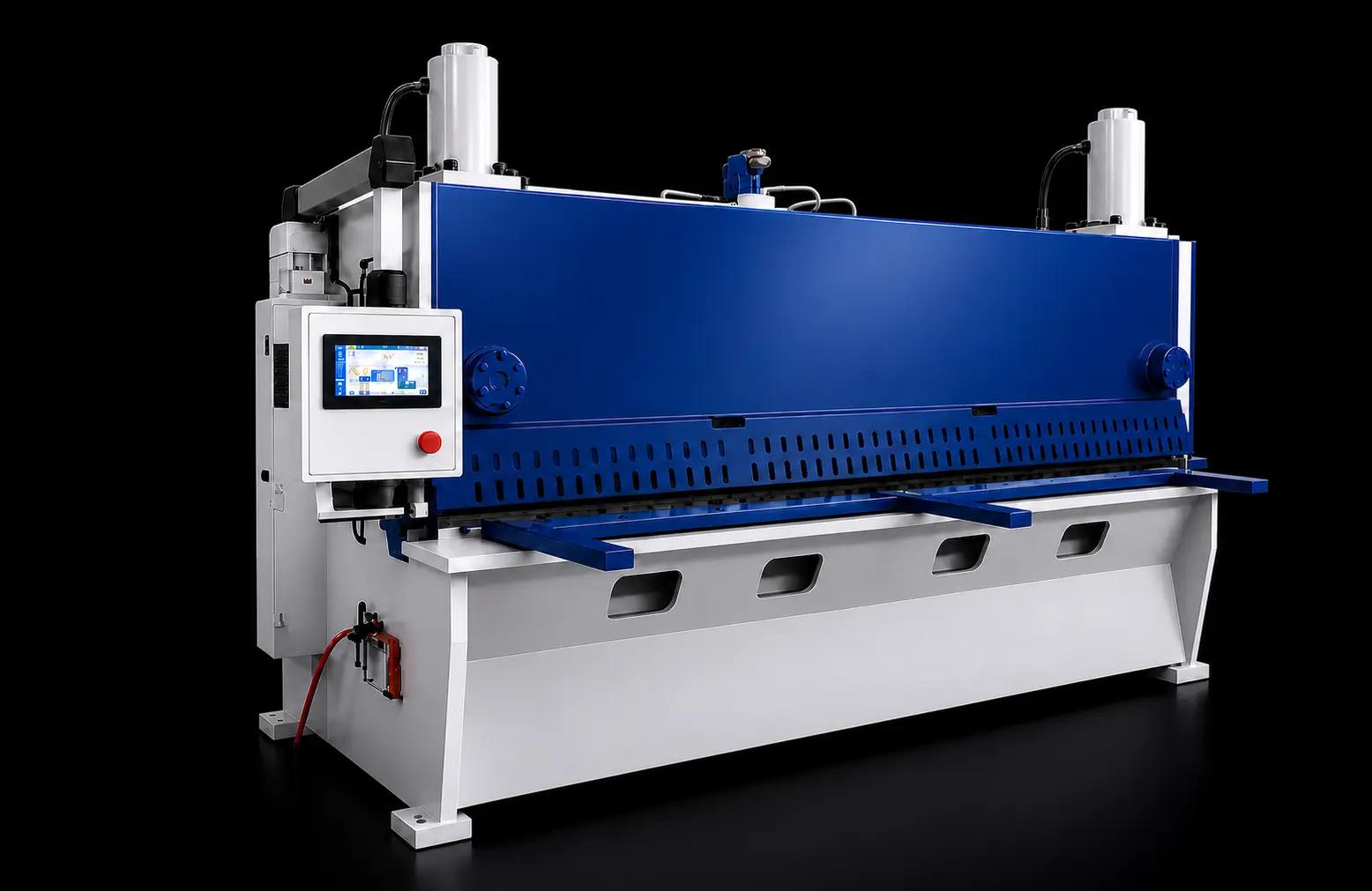
Our product portfolio includes CNC Press Brakes, Hydraulic Shearing Machines, Fiber Laser Cutting Machines, Hydraulic Presses, Punching Machines, Ironworkers, Roll Bending Machines, and complete Duct Production Lines. We are committed to providing efficient, intelligent, and cost-effective solutions for sheet metal fabrication industries worldwide.

To support the localized manufacturing of advanced composites, cellulose extraction, and structural parts in Mexico, we provide state-of-the-art sheet metal fabrication machinery.
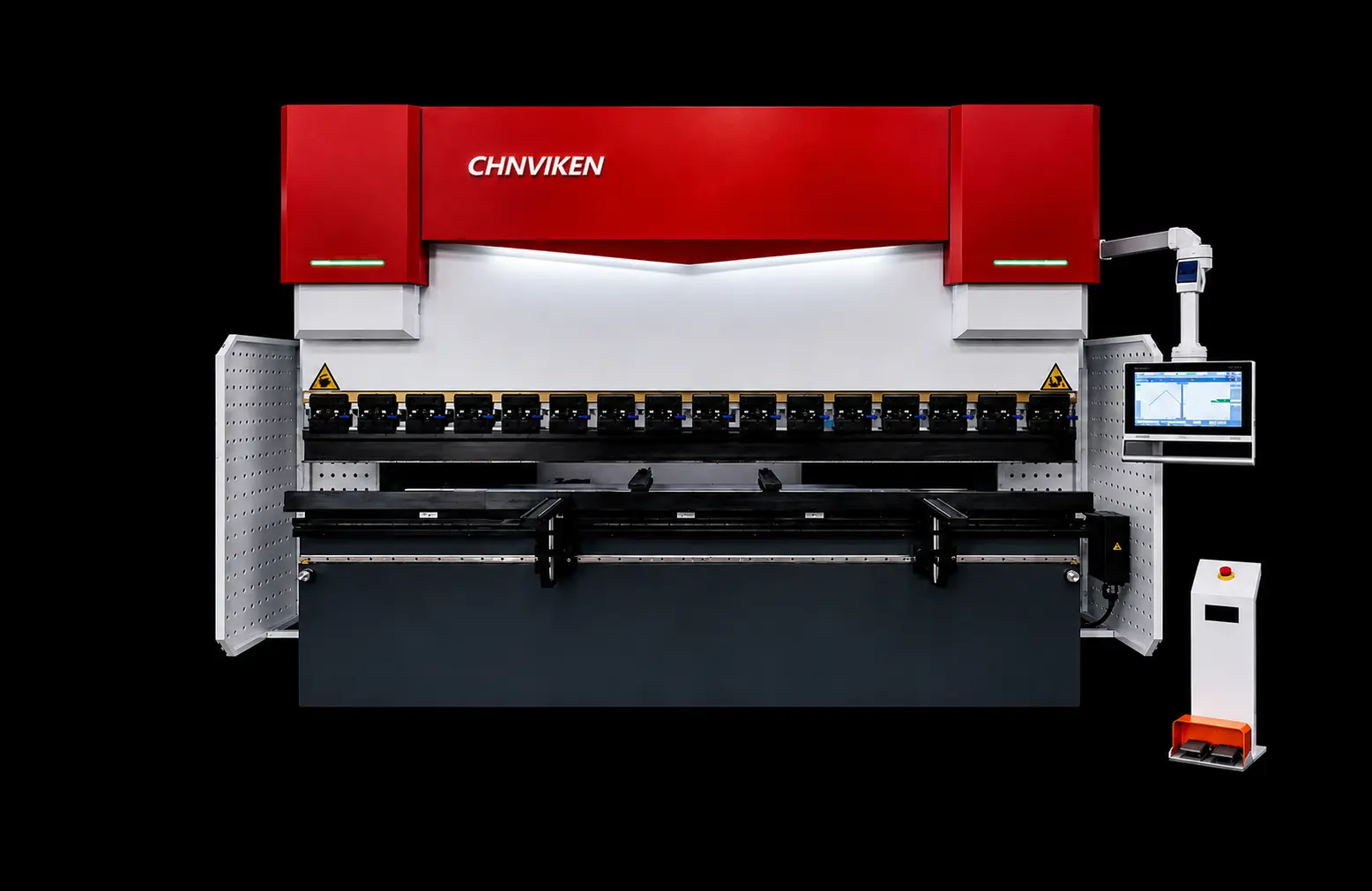
High-precision bending machinery optimized for structural reinforcements and industrial enclosures in Mexico.
Fast, clean, and highly efficient cutting solutions for Querétaro automotive parts suppliers.
Robust shearing systems for high-output manufacturing plants across northern Mexico.
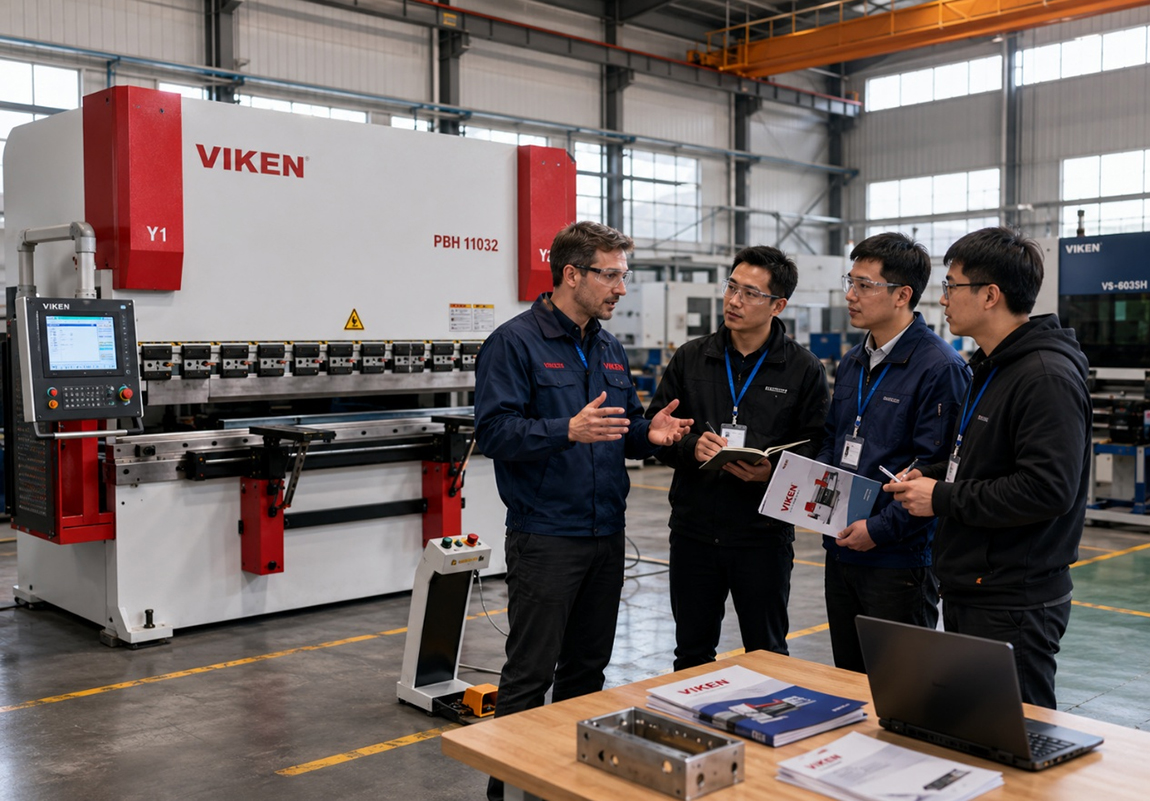
From press brakes and shearing machines to fiber laser cutters, plate rolling machines and hydraulic presses, VIKEN designs equipment around your material, thickness, working length, accuracy and production volume. Our engineers recommend the right machine configuration, controller, tooling and automation options to help you achieve stable quality, higher efficiency and lower operating costs.
Optimize your factory floor in Mexico City or Monterrey with fully integrated production lines, automated material handling, and real-time monitoring systems.
Comprehensive installation, calibration, operator training, and rapid spare parts delivery tailored for Mexican manufacturing hubs.
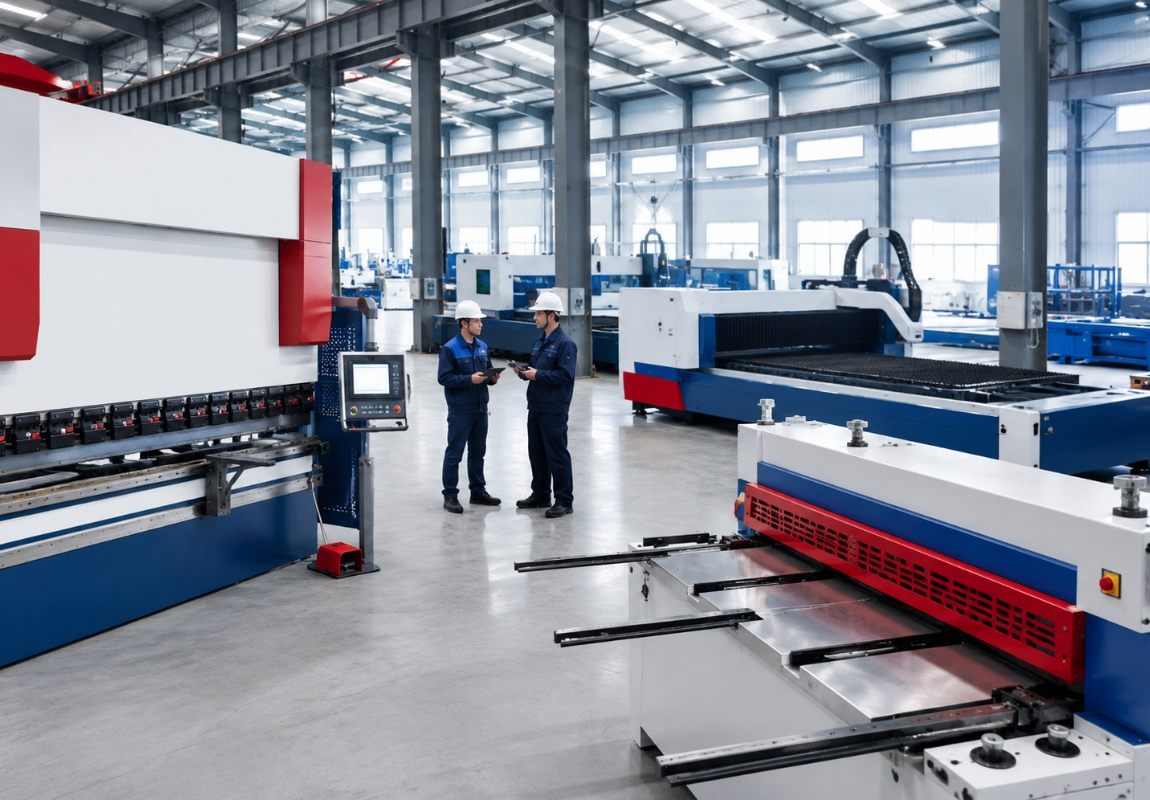
Integrating CNC precision cutting and automated bending systems to produce structural components for local cellulose processing facilities.
Explore our diverse range of successful projects and material solutions deployed across major Mexican industrial corridors.