 +86 13819274352
Leave Your Message
-
Contact WhatsApp
-
 Contact Phone
-
 Contact Email
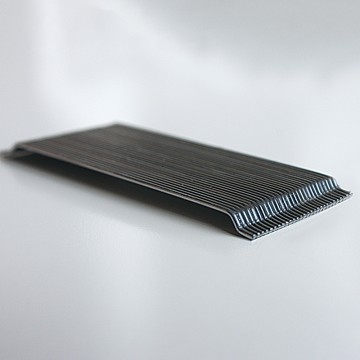
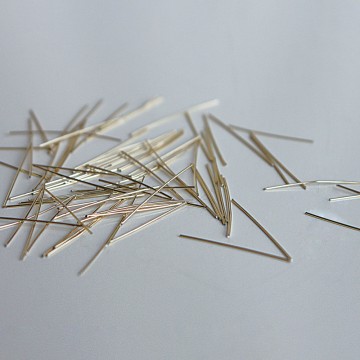

The agricultural machinery manufacturing sector is undergoing a profound paradigm shift. As global demands for food production escalate, the machinery required to plant, cultivate, and harvest crops must become more robust, efficient, and sustainable. In the realm of metal forming—a critical manufacturing phase where heavy-duty components such as plowshares, tractor chassis, harvester frames, and seeding discs are shaped—innovative materials are redefining traditional processes. Among these, Cellulose A Fiber has emerged as a revolutionary agent.
Historically utilized in concrete reinforcement and paper manufacturing, cellulose fibers are now finding highly specialized applications in sheet metal forming, tribology, and composite components for agricultural machinery. By leveraging the unique mechanical, thermal, and chemical properties of cellulose, manufacturers can optimize metal forming processes, enhance the durability of tooling, and significantly reduce the environmental footprint of heavy industrial manufacturing.
Cellulose fibers act as exceptional carrier matrices in green lubricants, preventing metal-to-metal contact during severe stamping and drawing operations.
Replacing petroleum-based lubricants with cellulose-derived alternatives reduces hazardous emissions and simplifies post-forming cleaning processes.
Integrating cellulose fibers into agricultural equipment components enhances impact resistance and dampens operational vibrations.
Metal forming for agricultural equipment often involves high-strength steels that require extreme pressure during stamping, bending, and deep drawing. Traditional metalworking fluids (MWFs) rely heavily on chlorinated paraffin and mineral oils, which pose severe environmental and health hazards.
Cellulose A Fiber, particularly in microcrystalline or nanofibrillated forms, serves as an exceptional rheology modifier and solid lubricant carrier in bio-based lubricating pastes. The fibrous structure of cellulose creates a microscopic physical barrier between the metal sheet and the forming die. Under high pressure and temperature, these fibers align to distribute stress evenly across the forming zone, preventing micro-welding, galling, and tool wear. This results in smoother surface finishes on critical farm machinery parts and extends the lifespan of expensive forming dies.
Agricultural tractors and harvesters operate under harsh, high-torque conditions that place immense stress on wet friction clutches and braking systems. Cellulose fibers are widely integrated into the organic friction paper formulations used in these assemblies.
The high porosity and thermal stability of Cellulose A Fiber allow for optimal oil absorption and heat dissipation within wet clutch systems. During the metal forming of clutch plates and brake bands, cellulose fibers are blended with phenolic resins and other reinforcing agents. This composite matrix provides a stable coefficient of friction, reduces wear rates, and ensures smooth power transmission under the demanding cyclic loads typical of tillage and harvesting operations.
Modern agricultural equipment design prioritizes light-weighting to minimize soil compaction and reduce fuel consumption. Consequently, manufacturers are replacing non-structural sheet metal components—such as engine hoods, cabin interiors, and protective mudguards—with cellulose-reinforced polymer composites.
These bio-composites utilize Cellulose A Fiber to achieve mechanical properties comparable to traditional glass fibers but at a fraction of the weight. The compression molding and sheet forming of these cellulose-reinforced plastics require modified metal forming presses. The resulting parts exhibit outstanding impact resistance, chemical resistance to fertilizers and pesticides, and superior acoustic damping properties, which significantly improves operator comfort in tractor cabins.
The commercial landscape for Cellulose A Fiber in agricultural machinery manufacturing is expanding rapidly, driven by stringent environmental regulations and the global push toward carbon neutrality. Major agricultural OEMs (Original Equipment Manufacturers) are actively seeking sustainable alternatives to petroleum-derived processing aids and carbon-intensive structural materials.
Market research indicates a steady compound annual growth rate (CAGR) in the adoption of natural fiber composites and green lubricants within the heavy machinery sector. The cost-effectiveness of cellulose, derived from abundant and renewable wood pulp or agricultural residues, makes it an economically viable alternative to synthetic fibers. Furthermore, the integration of cellulose fibers aligns with circular economy initiatives, as components reinforced with natural fibers are easier to recycle or biodegrade at the end of the machinery's lifecycle.
CHNVIKEN is a professional manufacturer specializing in the research, development, production, and export of sheet metal processing equipment. With more than 10 years of industry experience, we have grown from a local machinery supplier into a globally recognized brand serving customers in over 100 countries and regions.
Our product portfolio includes CNC Press Brakes, Hydraulic Shearing Machines, Fiber Laser Cutting Machines, Hydraulic Presses, Punching Machines, Ironworkers, Roll Bending Machines, and complete Duct Production Lines. We are committed to providing efficient, intelligent, and cost-effective solutions for sheet metal fabrication industries worldwide.

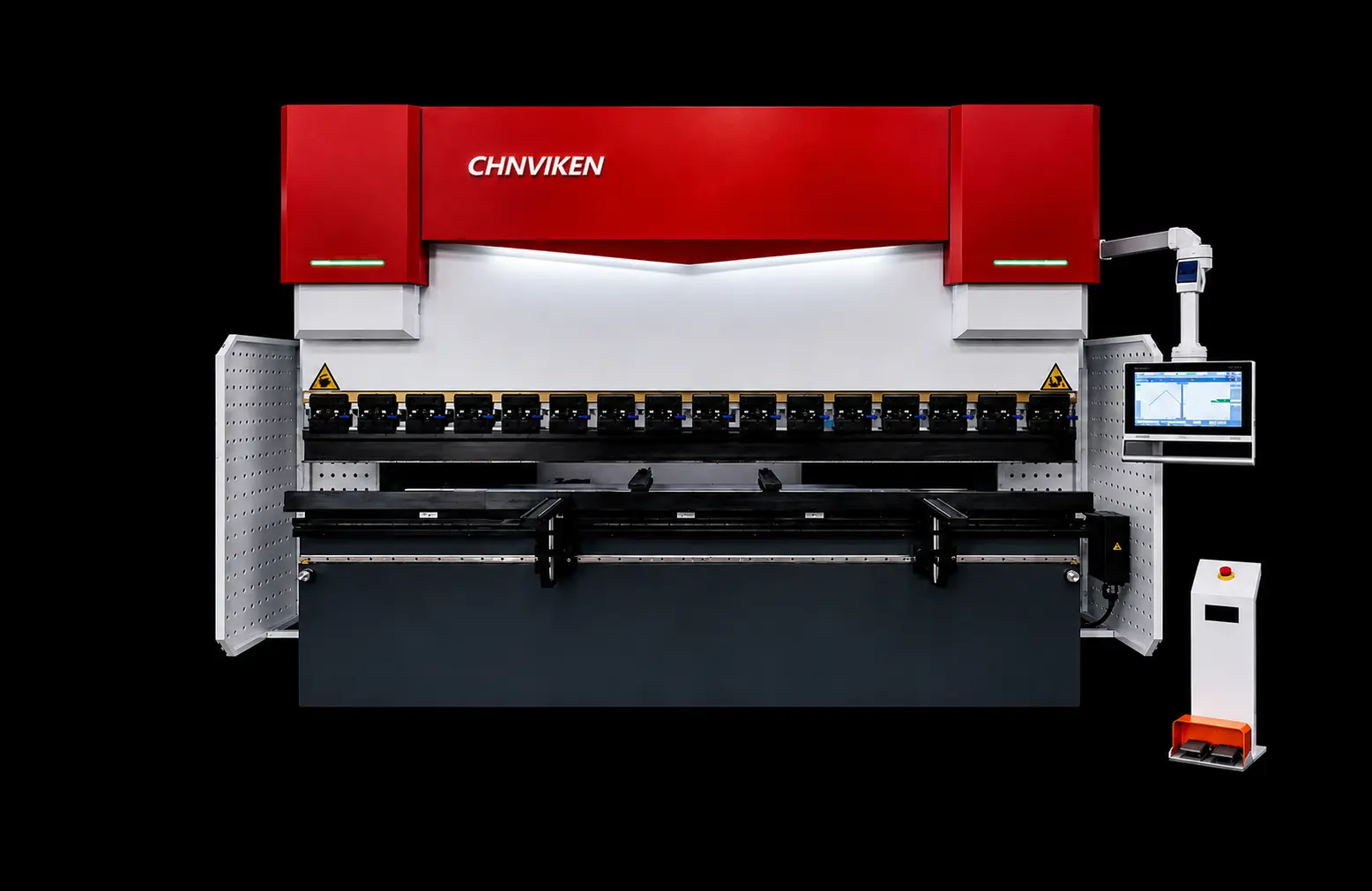
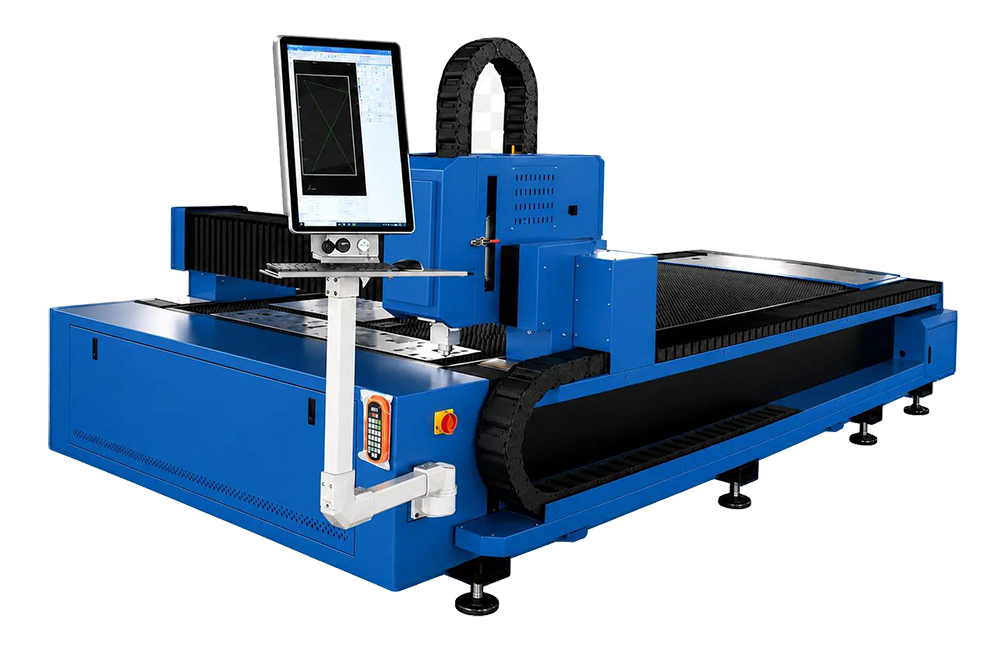
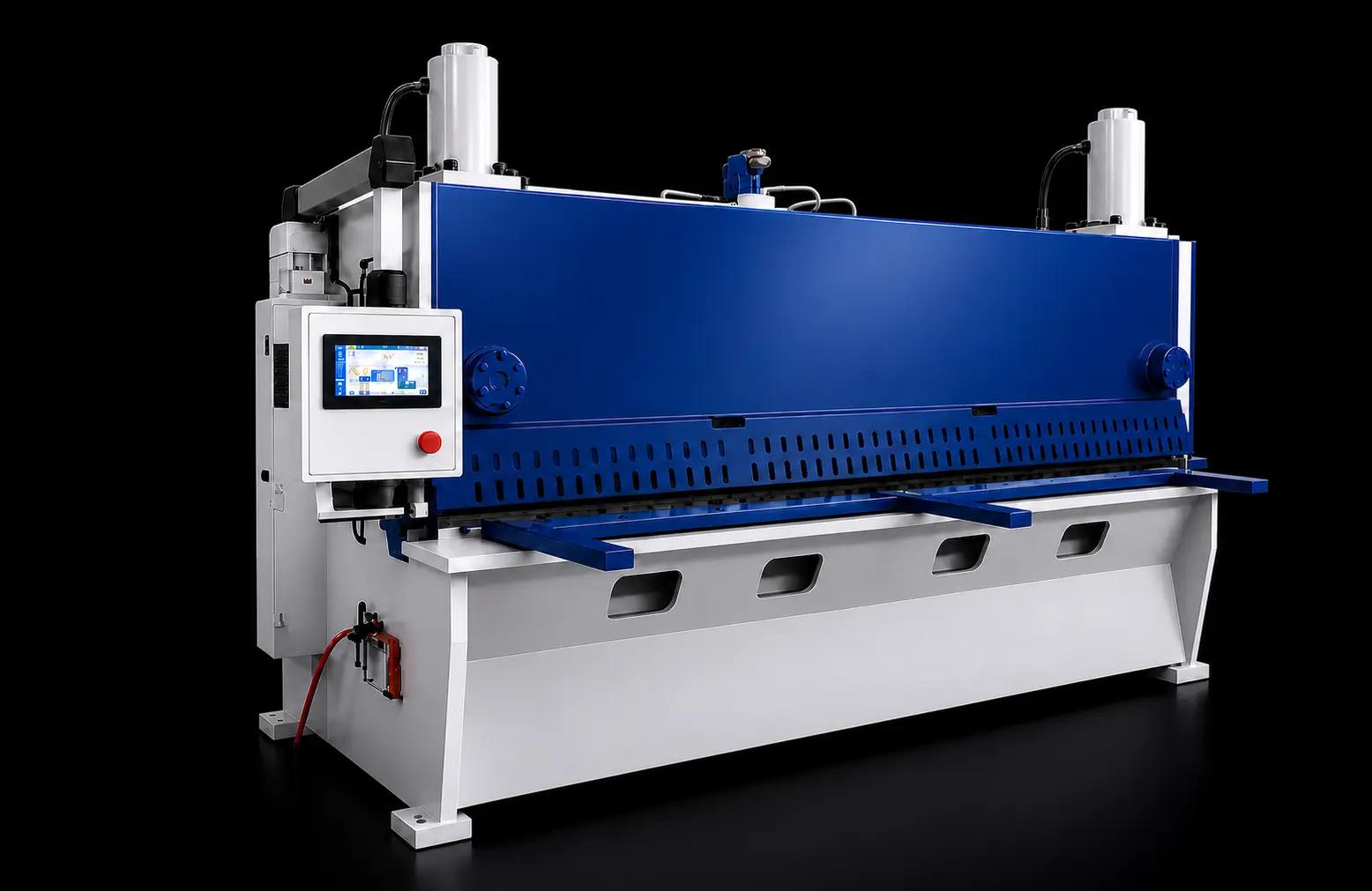
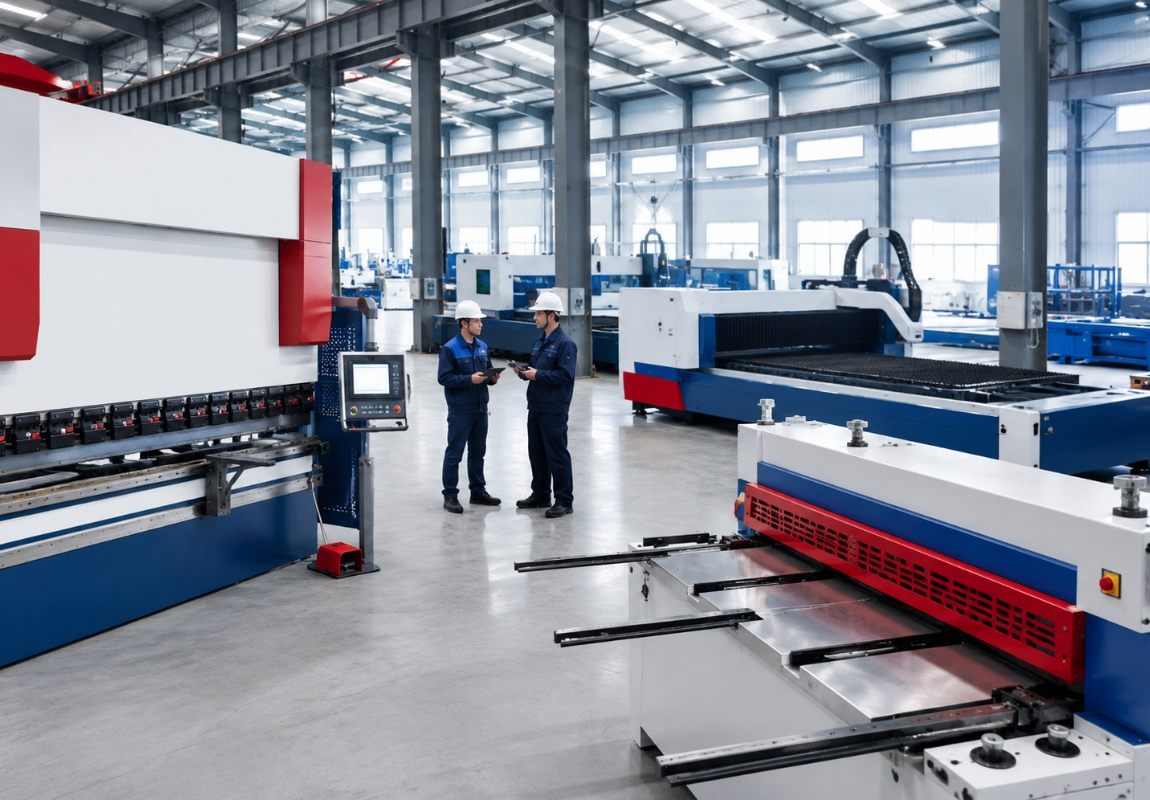
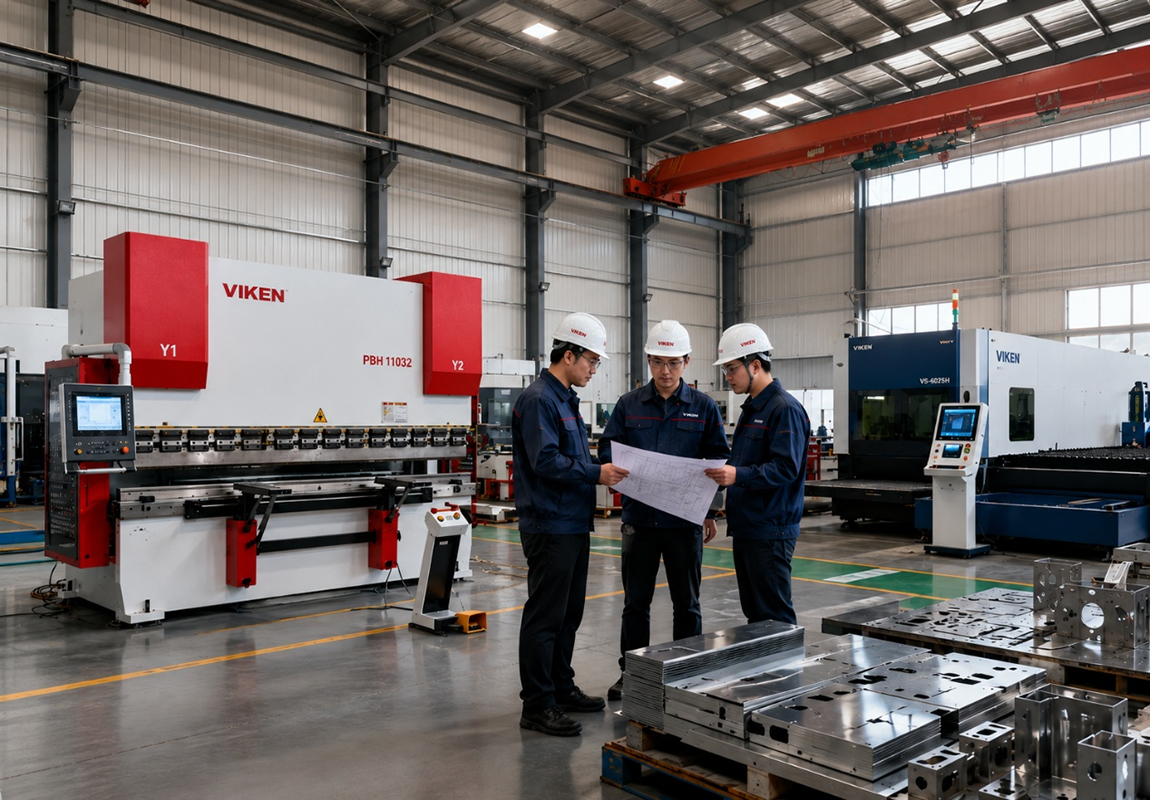
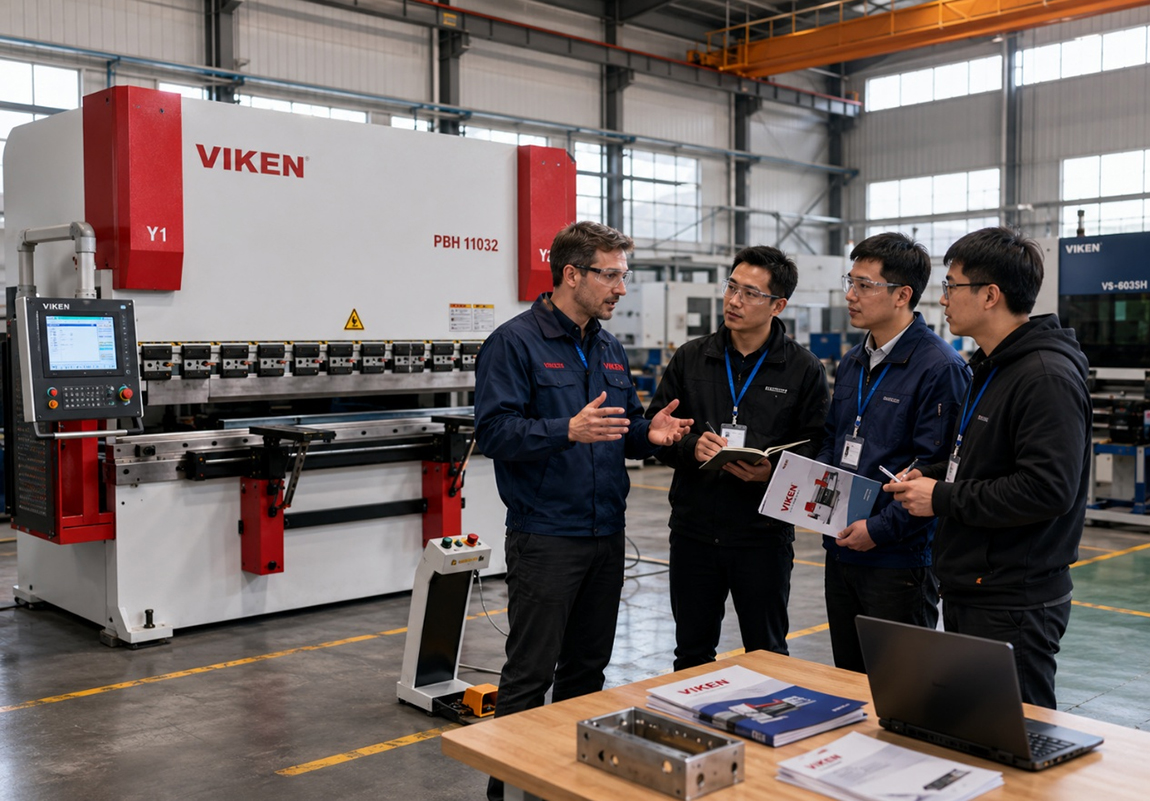
From press brakes and shearing machines to fiber laser cutters, plate rolling machines and hydraulic presses, VIKEN designs equipment around your material, thickness, working length, accuracy and production volume. Our engineers recommend the right machine configuration, controller, tooling and automation options to help you achieve stable quality, higher efficiency and lower operating costs.
The future of Cellulose A Fiber in agricultural machinery manufacturing lies in nanotechnology and smart processing. Nanocellulose (including cellulose nanocrystals and cellulose nanofibrils) is opening new frontiers in high-performance coatings and lightweight structural components.
By incorporating nanocellulose into protective coatings for farm equipment, manufacturers can create self-healing, anti-corrosive surfaces. Agricultural machinery operates in highly corrosive environments, frequently exposed to moisture, soil acids, and chemical fertilizers. Nanocellulose-reinforced coatings form a dense, impermeable barrier that prevents moisture and oxygen from reaching the underlying metal substrate. When micro-cracks occur, the swelling properties of cellulose in the presence of moisture can help seal the breach, dramatically extending the service life of the machinery.
Furthermore, the integration of Artificial Intelligence (AI) in metal forming processes is enabling real-time monitoring of lubricant performance. Sensors installed on CNC press brakes and hydraulic presses can detect changes in friction and temperature. When paired with smart, cellulose-based lubricants, the system can automatically adjust the lubrication rate, ensuring optimal forming conditions and minimizing waste.
To fully capitalize on the benefits of Cellulose A Fiber, manufacturing workflows must be optimized. This involves selecting the right machinery and tooling configurations to handle the unique characteristics of cellulose-lubricated metals and cellulose-reinforced composites.
By combining state-of-the-art sheet metal processing equipment from manufacturers like CHNVIKEN with advanced materials like Cellulose A Fiber, agricultural equipment producers can achieve unprecedented levels of efficiency, precision, and sustainability.