+86 13819274352
Leave Your Message
-
Contact WhatsApp
-
 Contact Phone
-
 Contact Email
The Kingdom of Saudi Arabia (KSA) is undergoing an unprecedented economic and industrial transformation driven by the ambitious Saudi Vision 2030. As the nation pivots from an oil-reliant economy toward advanced manufacturing, sustainable infrastructure, and localization of supply chains, the demand for high-performance engineered materials has surged. Among these materials, Cellulose Acetate Fiber has emerged as a vital component across multiple industrial sectors, including high-end filtration, specialized textiles, eco-friendly consumer goods, and concrete reinforcement technologies.
Historically known for its extensive use in filtration media and luxury textiles, cellulose acetate is a semi-synthetic polymer derived from natural wood pulp or cotton linters. Its unique molecular structure offers exceptional biodegradability, thermal stability, and moisture absorption. In Saudi Arabia's arid environment, where sustainability and resource efficiency are paramount, local manufacturers and procurement entities are increasingly seeking reliable Cellulose Acetate Fiber factories and vendors to establish robust domestic supply chains. The integration of bio-based fibers aligns seamlessly with the Saudi Green Initiative, which aims to reduce carbon emissions and foster circular economy practices throughout the Kingdom.
Supporting the Kingdom's goal of industrial diversification by supplying raw materials that enhance local manufacturing capabilities and replace traditional non-biodegradable plastics.
Tailored fiber formulations designed to withstand high thermal fluctuations, intense UV exposure, and saline soil conditions characteristic of the Arabian Peninsula.
A biodegradable alternative that reduces microplastic pollution in Saudi Arabia's fragile marine and desert ecosystems, meeting strict SASO environmental standards.
The application of cellulose acetate and related advanced fiber technologies in Saudi Arabia spans several critical sectors. Understanding these localized use-cases is essential for vendors aiming to serve the Saudi market effectively:
Saudi Arabia is home to some of the world's largest water desalination plants and petrochemical complexes. Cellulose acetate membranes and hollow fibers are widely utilized in reverse osmosis (RO) pretreatment and microfiltration processes. Their resistance to chlorine and biofouling makes them highly efficient in treating saline Gulf waters. Localized vendors supply specialized cellulose acetate fiber grades to support these critical utilities in Jubail, Yanbu, and Rabigh.
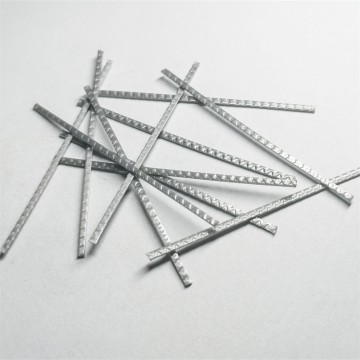
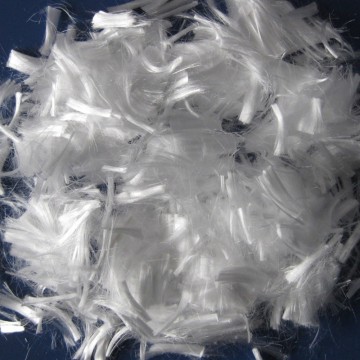
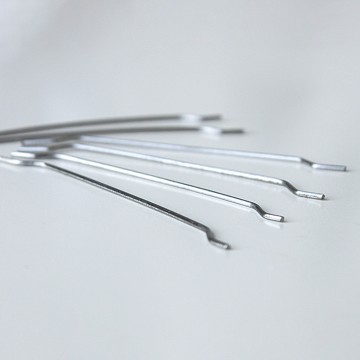
In mega-projects like NEOM, The Red Sea Project, and Qiddiya, sustainable construction is a non-negotiable requirement. While synthetic fibers (like PP and steel fibers) are crucial for heavy structural integrity, alkali-resistant cellulose fibers are increasingly integrated into concrete mixes to prevent early-stage plastic shrinkage cracking. These natural-origin fibers act as internal curing agents, retaining moisture in the harsh desert heat and ensuring the long-term durability of concrete structures without relying solely on petrochemical additives.
As Saudi Arabia positions itself as a global tourism hub, the hospitality sector in Riyadh and Jeddah is expanding rapidly. Cellulose acetate fibers, known for their silk-like drape, breathability, and luxurious texture, are extensively used in premium hotel linens, upholstery, and traditional Saudi garments. Local textile manufacturers partner with international factories to secure consistent, high-purity acetate yarns that meet both traditional aesthetics and modern sustainability standards.

The Middle Eastern market for cellulose acetate is shifting toward localized distribution hubs and value-added processing. Key trends driving the market include:
For Saudi procurement officers, selecting the right vendor involves assessing not only the raw material quality but also the manufacturer's ability to provide technical documentation, consistent bulk supply, and reliable logistics routing through major ports like King Abdulaziz Port in Dammam and Jeddah Islamic Port.






From press brakes and shearing machines to fiber laser cutters, plate rolling machines and hydraulic presses, VIKEN designs equipment around your material, thickness, working length, accuracy and production volume. Our engineers recommend the right machine configuration, controller, tooling and automation options to help you achieve stable quality, higher efficiency and lower operating costs.
Integrating smart automation, robotic bending cells, and centralized control systems to transition your fabrication line into an Industry 4.0 ready facility, optimizing throughput for Saudi Arabia's growing industrial sectors.
Comprehensive technical support, remote diagnostics, on-site installation, and rapid spare parts delivery across major Saudi industrial zones including Riyadh, Jeddah, and Dammam.
Procuring raw materials for large-scale projects in Saudi Arabia requires strict adherence to international quality benchmarks and localized logistical support. When evaluating Cellulose Acetate Fiber factories and vendors, Saudi enterprises and international contractors prioritize several operational capabilities:
First, consistent quality control and certification are essential. Factories must provide detailed testing reports for tensile strength, elongation, moisture absorption, and thermal stability. For concrete applications, ensuring that the fibers possess alkali-resistant coatings is critical to preventing degradation inside the highly alkaline environment of curing cement. Second, custom packaging and storage options are highly valued. Due to the high humidity in coastal areas like Jeddah and the extreme heat in Riyadh, fibers must be packaged in moisture-proof, UV-resistant bulk bags to prevent degradation during transit and site storage.
Furthermore, leading vendors offer comprehensive technical assistance, guiding local engineers on the optimal fiber dosage rates for specific concrete mixes or filtration requirements. By partnering with a factory that understands the unique regulatory and environmental landscape of Saudi Arabia, buyers can mitigate project risks, optimize material costs, and contribute to the successful completion of the Kingdom's landmark infrastructure developments.