+86 13819274352
Leave Your Message
-
Contact WhatsApp
-
 Contact Phone
-
 Contact Email
Engineered to meet the rigorous demands of Santiago's urban development and Chile's extreme geological conditions.
CHNVIKEN is a professional manufacturer specializing in the research, development, production, and export of sheet metal processing equipment. With more than 10 years of industry experience, we have grown from a local machinery supplier into a globally recognized brand serving customers in over 100 countries and regions, including key industrial sectors in Santiago, Valparaíso, and Concepción.
Our product portfolio includes CNC Press Brakes, Hydraulic Shearing Machines, Fiber Laser Cutting Machines, Hydraulic Presses, Punching Machines, Ironworkers, Roll Bending Machines, and complete Duct Production Lines. We are committed to providing efficient, intelligent, and cost-effective solutions for sheet metal fabrication and structural fiber processing industries worldwide.

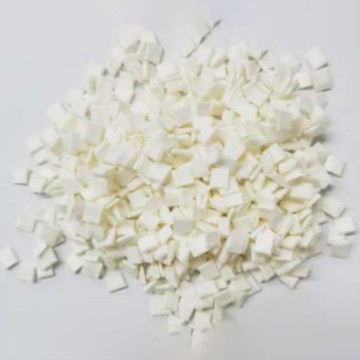
The global shift toward sustainable, bio-based materials has placed Cellulose Acetate Fiber (CAF) at the forefront of industrial innovation. In Chile, a nation renowned for its progressive environmental policies and robust forestry sector, the demand for high-quality cellulose acetate fiber is experiencing unprecedented growth. Derived from renewable wood pulp, cellulose acetate fiber combines the structural integrity of natural polymers with the versatility of synthetic materials. This makes it an invaluable asset for Chilean industries striving to balance economic development with ecological preservation.
As the Chilean government tightens regulations on single-use plastics and carbon emissions, local manufacturers, engineers, and designers are actively seeking reliable cellulose acetate fiber factories and vendors. This guide explores the localized applications, market dynamics, and technological trends shaping the cellulose acetate fiber industry in Chile, providing key insights for businesses looking to source these advanced materials.
With its rich forestry resources and commitment to the UN Sustainable Development Goals, Chile serves as an ideal hub for bio-based material integration. Cellulose acetate fiber offers a biodegradable, high-performance alternative to traditional petroleum-based synthetics, aligning perfectly with the nation's green transition.
Santiago's textile and fashion sectors are undergoing a green revolution. Consumers and brands alike are demanding materials that minimize environmental impact without compromising on quality or aesthetics. Cellulose acetate fiber, often referred to as "acetate silk," is highly prized for its luxurious drape, soft feel, and excellent moisture absorption. Unlike polyester, which can take centuries to decompose, cellulose acetate is biodegradable, offering a circular solution for Chile's fashion industry. Local designers are increasingly partnering with international cellulose acetate fiber vendors to source premium yarns for eco-friendly clothing lines.
Mining is the backbone of Chile's economy, particularly in the northern regions like Antofagasta and Atacama. However, mining operations require vast amounts of water and generate significant airborne particulates. Cellulose acetate fibers are widely utilized in the manufacturing of high-efficiency filtration systems. Their uniform structure and chemical resistance make them ideal for capturing microscopic impurities in water recycling systems and industrial air filters. By integrating CAF-based filters, Chilean mining companies can significantly reduce their environmental footprint and meet stringent local emissions standards.
Chile's Central Valley is a global agricultural powerhouse, producing wines, fruits, and vegetables exported worldwide. Soil erosion and water conservation are critical challenges for local farmers. Biodegradable geotextiles made from cellulose acetate fiber provide temporary support for slopes, prevent soil erosion, and assist in moisture retention. Over time, these fibers naturally decompose into non-toxic organic matter, enriching the soil rather than leaving harmful microplastic residues. This makes them a preferred choice for sustainable viticulture and horticulture across the country.
Naturally decomposes without releasing microplastics, supporting Chile's circular economy.
High surface area and chemical stability ideal for mining and industrial water treatment.
Provides a silk-like texture and brilliant dye affinity for Santiago's fashion industry.
Offers excellent breathability and moisture management in agricultural geotextiles.
Chile is one of the most seismically active regions in the world. Consequently, the Chilean construction sector enforces some of the strictest building codes globally. To enhance the durability and crack resistance of concrete structures in cities like Santiago, Concepción, and Valparaíso, engineers rely on advanced fiber reinforcement. While steel and polypropylene (PP) fibers provide macro-structural support, micro-cellulose fibers play a crucial role in preventing early-stage plastic shrinkage cracking.
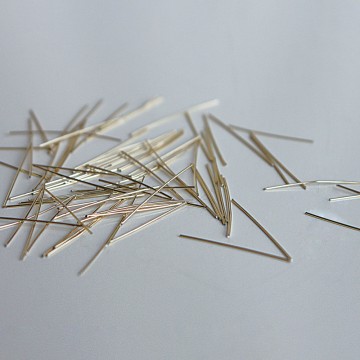
By blending alkali-resistant cellulose fibers with high-tensile steel fibers, Chilean construction companies achieve a hybrid reinforcement system. This synergy prevents micro-cracks from propagating into major structural failures during seismic events. Sourcing these specialized fibers from reputable factories ensures that the concrete mixes used in Chilean tunnels, bridges, and high-rise buildings meet international safety standards.
Currently, the domestic production of specialized cellulose acetate fiber in Chile relies heavily on strategic partnerships with global manufacturers. While Chile exports vast quantities of raw wood pulp, the advanced chemical processing required to convert pulp into cellulose acetate is concentrated in high-tech facilities overseas. Therefore, the role of experienced vendors is critical in bridging the gap between raw material extraction and high-end industrial application.
Key trends shaping the market include:
When sourcing cellulose acetate fiber for industrial projects in Chile, businesses must evaluate several critical factors to ensure quality, compliance, and cost-effectiveness:
First, verify the raw material sourcing. High-quality cellulose acetate should be derived from certified sustainable forestry operations (such as FSC or PEFC). Second, ensure the factory complies with international quality management systems, including ISO 9001 and ISO 14001. For construction applications, look for fibers that meet ASTM or EN standards for concrete reinforcement. Finally, choose a vendor with a proven track record of reliable shipping and customs clearance in Chile, minimizing project delays.
Precision equipment engineered to support the manufacturing and processing of structural components and fiber-reinforced materials.
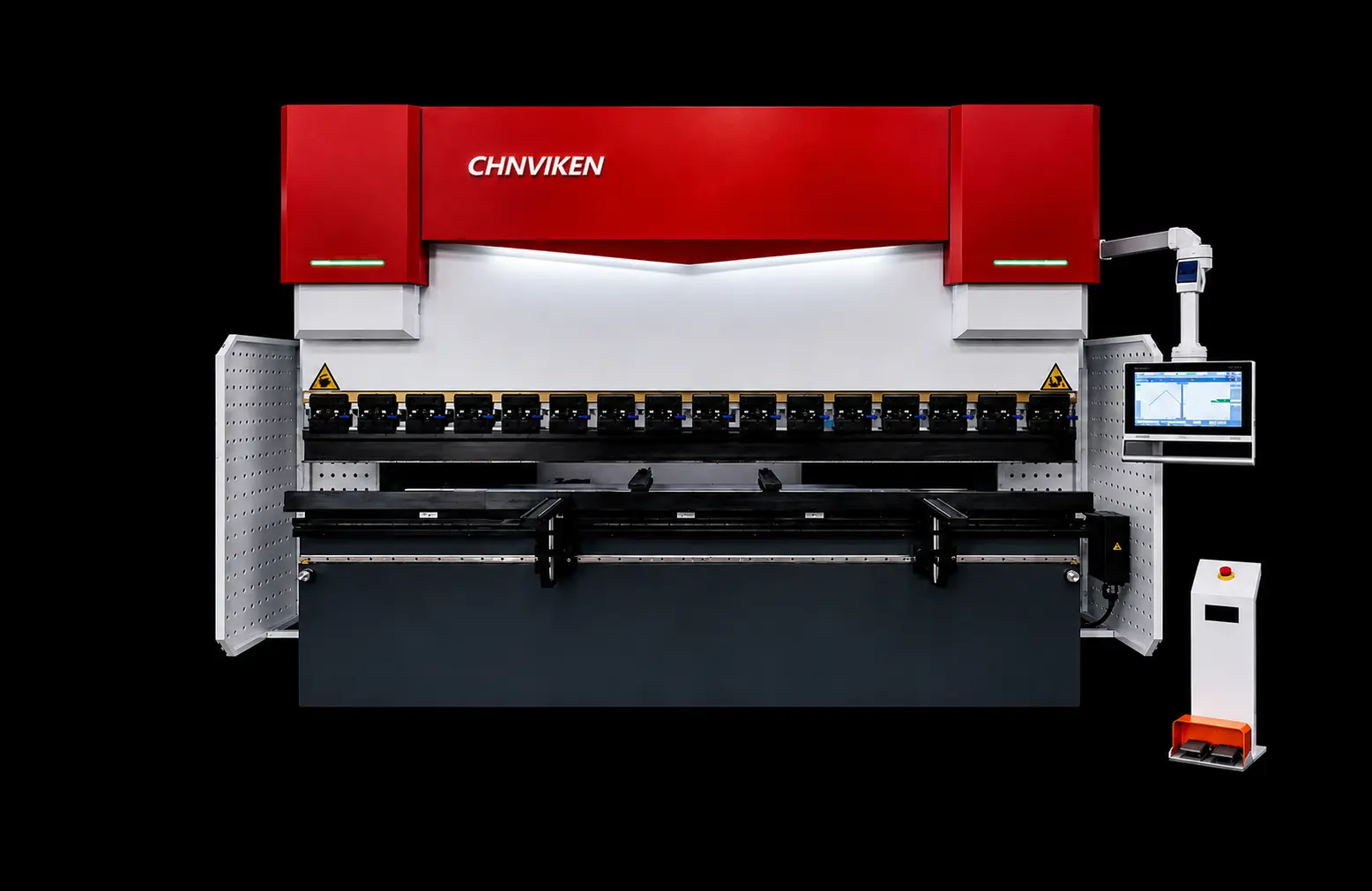
High-precision bending solutions designed for structural steel fabrication in Santiago's heavy industry sectors.
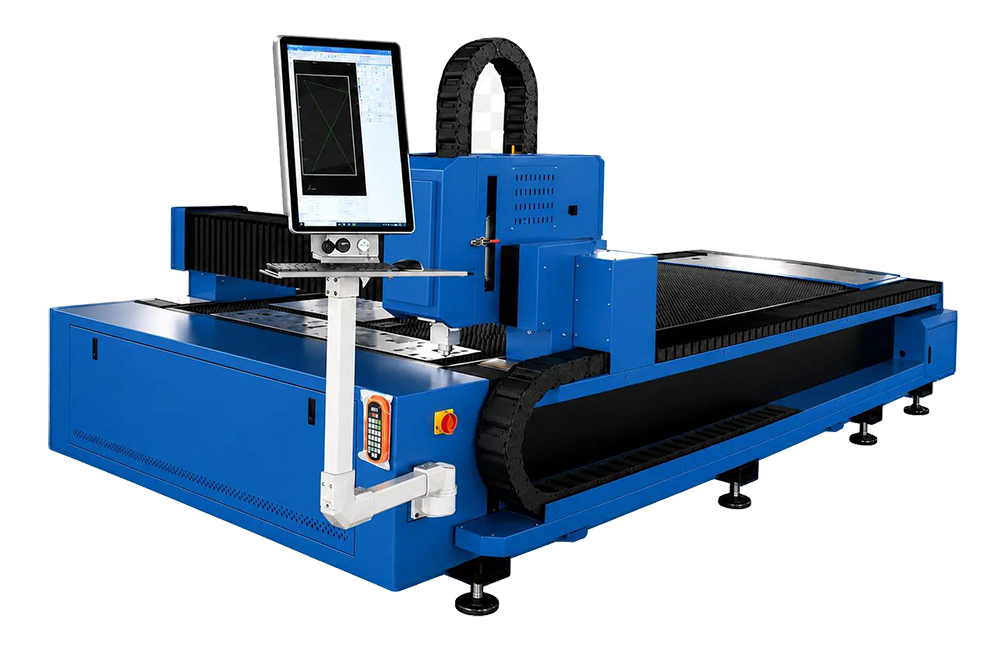
Advanced laser cutting systems offering unmatched speed and accuracy for marine and mining equipment fabrication.
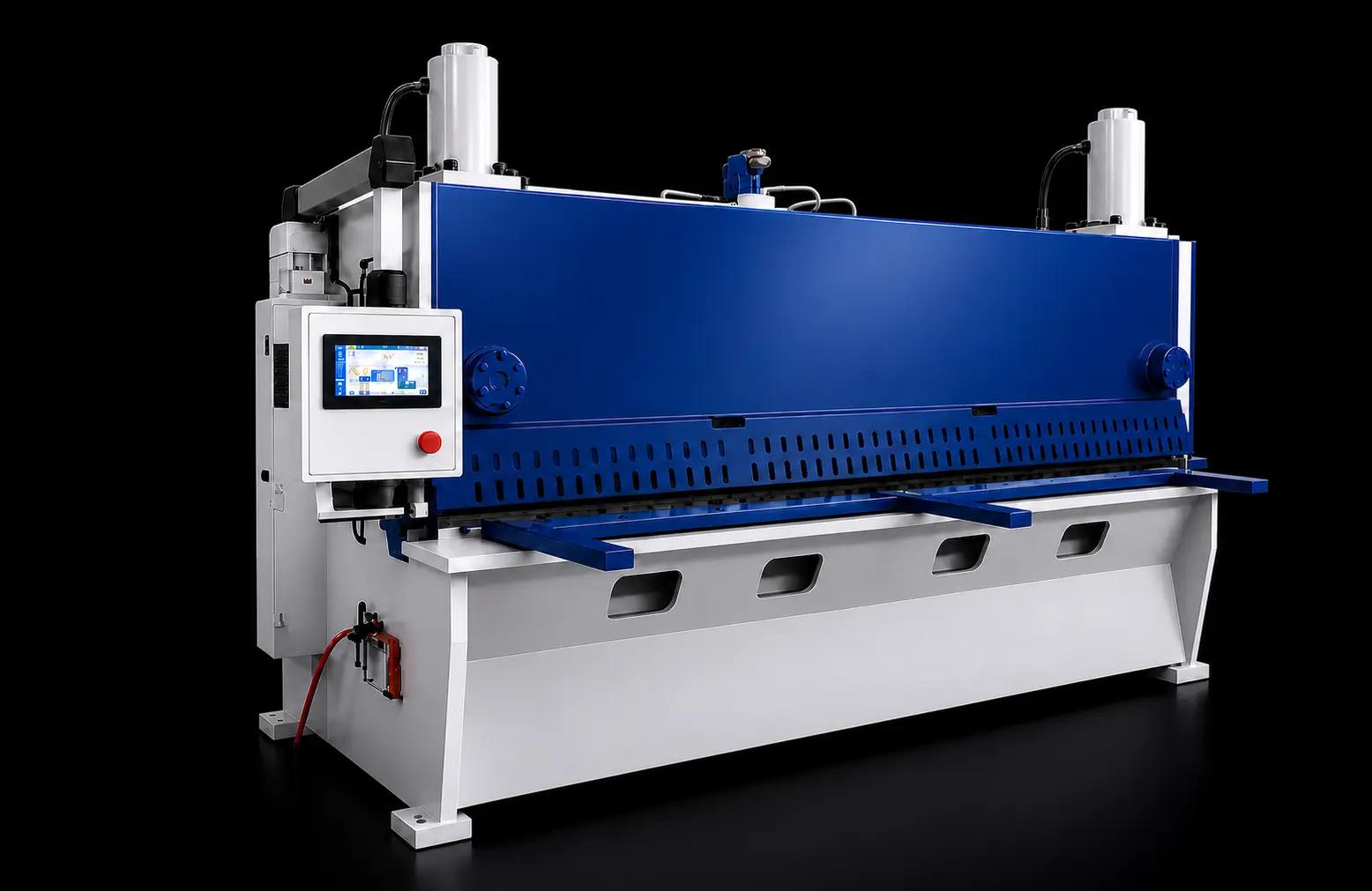
Heavy-duty shearing equipment built to handle high-volume plate cutting for industrial infrastructure projects.
From standalone processing equipment to fully integrated production lines, we deliver tailored engineering solutions.
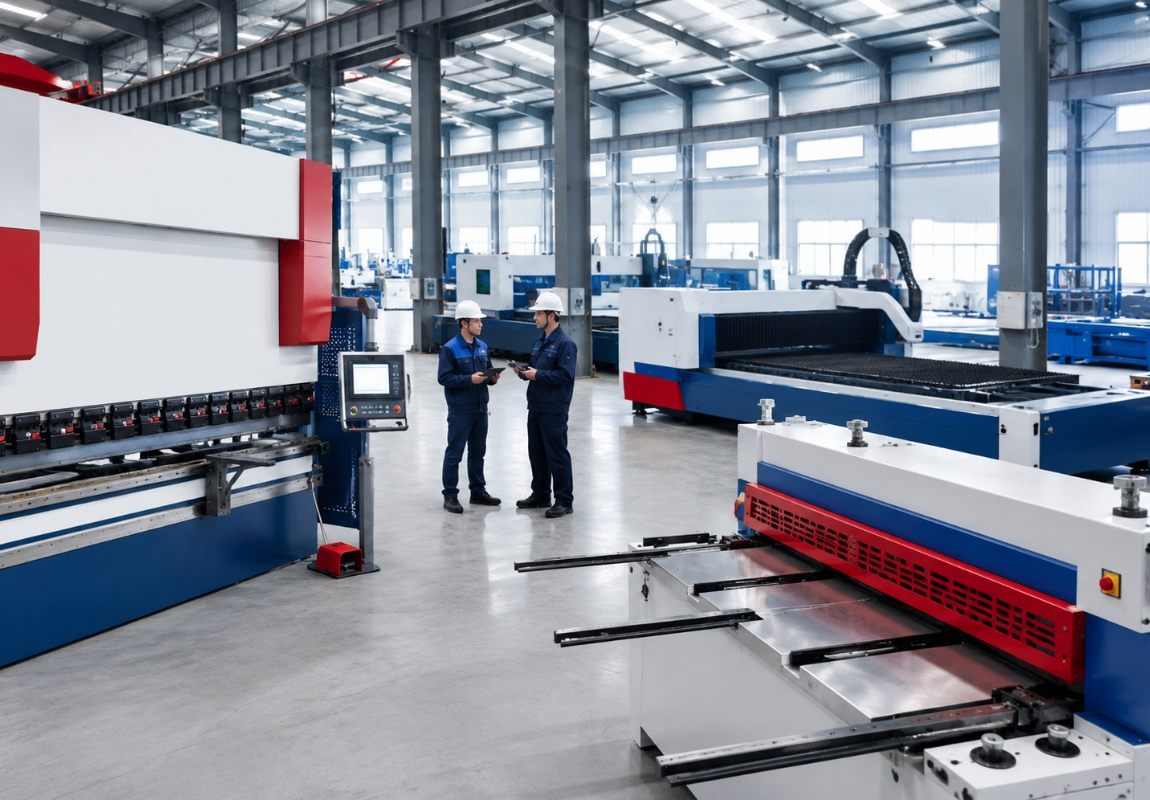
From press brakes and shearing machines to fiber laser cutters, plate rolling machines and hydraulic presses, VIKEN designs equipment around your material, thickness, working length, accuracy and production volume. Our engineers recommend the right machine configuration, controller, tooling and automation options to help you achieve stable quality, higher efficiency and lower operating costs in Chile's challenging industrial environment.
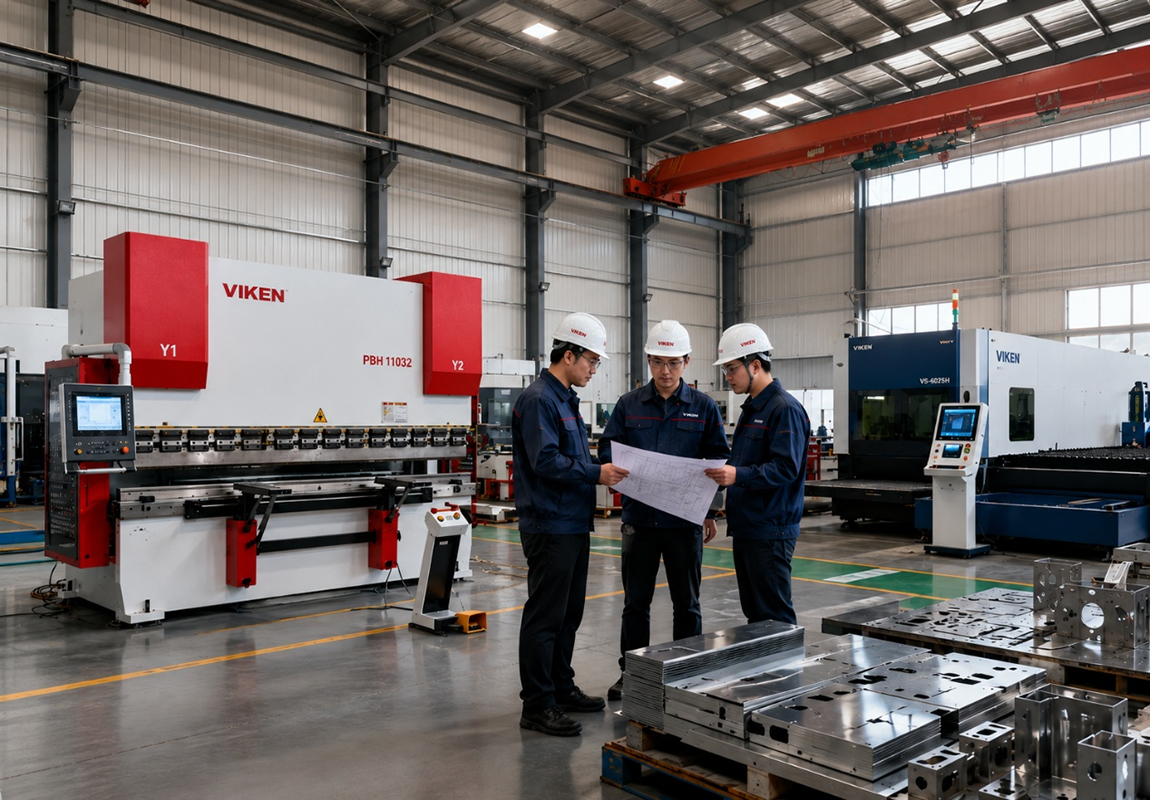
Optimize your factory floor in Santiago with our smart manufacturing solutions. We integrate advanced CNC systems, robotic loading arms, and real-time monitoring software to transform your sheet metal and fiber processing operations into a highly efficient, connected ecosystem.
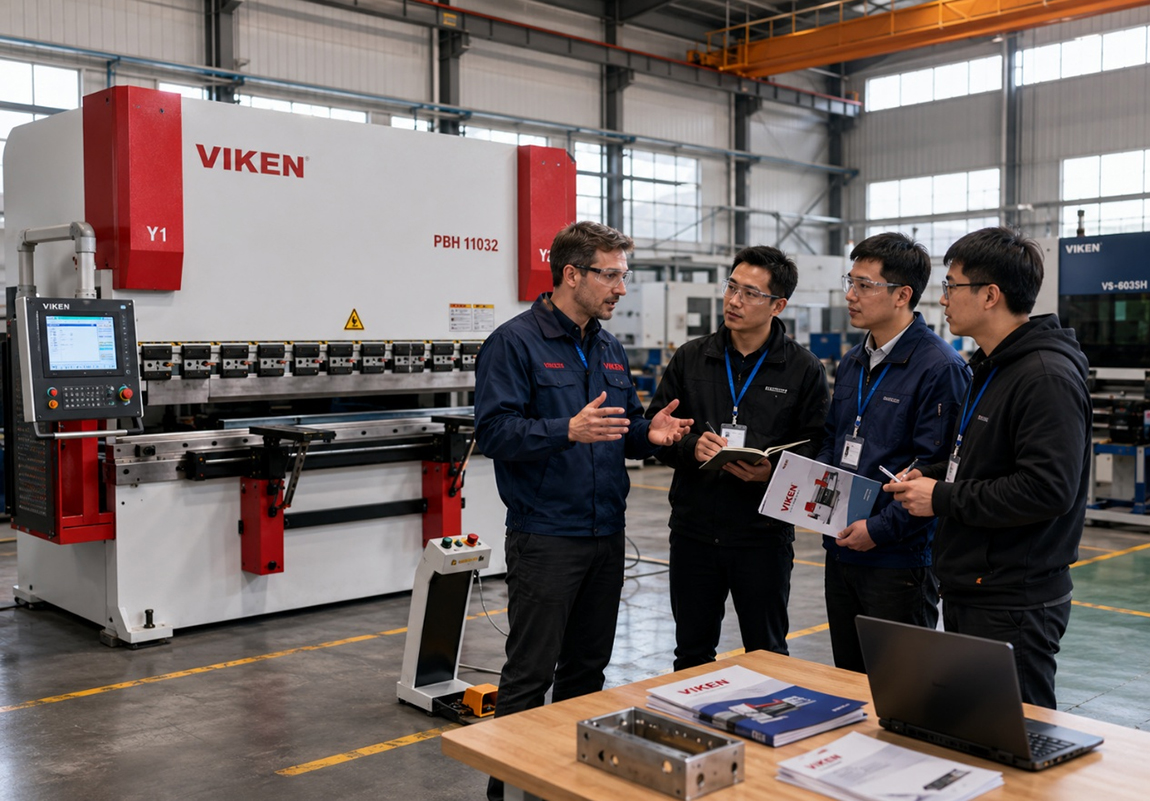
We provide local support across Chile, including installation, operator training, preventative maintenance, and rapid spare parts delivery. Our goal is to ensure maximum uptime and peak performance for your machinery, keeping your projects running smoothly.
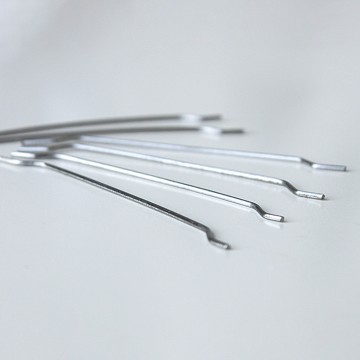
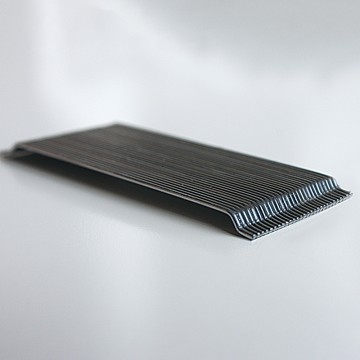
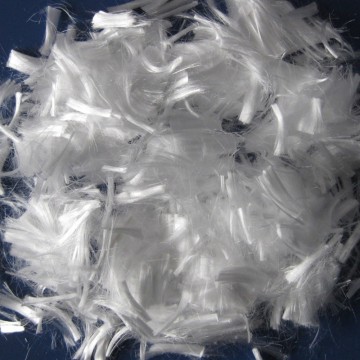
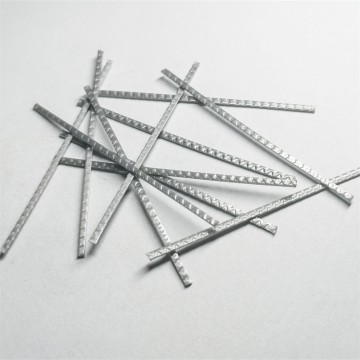
Explore our full range of structural reinforcement and industrial fiber products, trusted by engineering professionals across Chile.