+86 13819274352
Leave Your Message
-
Contact WhatsApp
-
 Contact Phone
-
 Contact Email
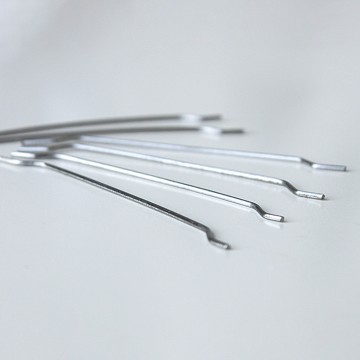
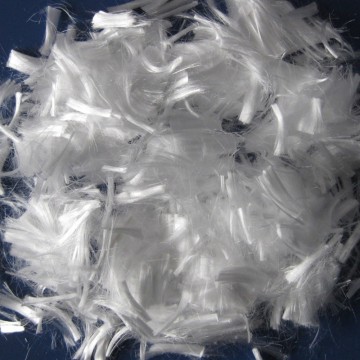
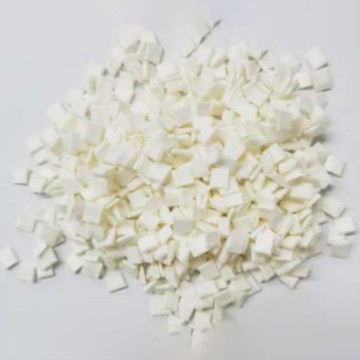

The aerospace manufacturing sector stands at the absolute pinnacle of technological innovation, demanding unprecedented levels of precision, reliability, and material efficiency. As structural designs evolve to incorporate complex, thin-walled geometries and advanced superalloys, the machinery and process aids used in fabrication must keep pace. Among these innovations, the application of Cellulose Acetate Fiber for aerospace precision metal component cutting and bending has emerged as a groundbreaking paradigm shift.
Cellulose acetate fiber, a semi-synthetic polymer derived from natural wood pulp through acetylation, is traditionally recognized for its applications in textiles, filtration, and bio-plastics. However, its unique thermal stability, mechanical resilience, and clean-burning characteristics have opened up critical avenues in precision metalworking. When combined with state-of-the-art CNC press brakes and fiber laser cutting machines, cellulose acetate fiber serves as a vital processing aid, surface protector, and structural modifier, ensuring that aerospace components meet the rigorous standards of modern aviation.
Globally, the aerospace industry is experiencing a transition toward lighter, more fuel-efficient aircraft and spacecraft. This transition requires the extensive use of lightweight alloys, including titanium, aluminum-lithium, and advanced nickel-based superalloys. Processing these materials presents significant manufacturing challenges. Laser cutting can introduce micro-cracks and thermal stress zones, while high-tonnage bending operations often leave surface indentations or micro-scratches that act as stress concentration points, potentially leading to catastrophic fatigue failure during flight.
Commercially, aerospace tier-1 suppliers are actively seeking methods to reduce scrap rates, eliminate secondary surface finishing processes, and align with global sustainability initiatives. Cellulose acetate fiber offers a highly viable commercial solution. As a bio-based, biodegradable material, it replaces petroleum-derived protective films and synthetic lubricants that generate toxic emissions during thermal processing. The integration of cellulose acetate fiber into precision fabrication workflows represents a multi-million dollar optimization opportunity, driving down operational costs while securing the surface integrity of critical flight components.
In aerospace manufacturing, a component's fatigue life is directly correlated to its surface finish. Micro-scratches as shallow as 5 microns can reduce the structural lifespan of a titanium bracket by up to 30%. Implementing cellulose acetate fiber barriers during CNC bending eliminates metal-to-metal contact, preserving the pristine surface of the alloy.
During the fiber laser cutting of complex aerospace components, the laser beam melts through the metal, and high-pressure assist gases expel the molten material. However, when cutting intricate geometries or double-walled structures, back-splatter (or dross) can adhere to the reverse side of the metal workpiece. This dross is incredibly difficult to remove without altering the dimensional tolerances of the component.
By applying a sacrificial backing layer composed of dense cellulose acetate fiber felt, manufacturers can effectively capture and absorb the ejected molten metal. Because cellulose acetate has a structured carbonization profile, it does not melt into a sticky residue when exposed to peripheral laser heat. Instead, it undergoes clean thermal decomposition, leaving behind minimal ash that can be easily vacuumed away. This ensures that the cut edges remain clean, sharp, and free of thermal contamination, greatly reducing post-processing labor.
Aerospace brackets, structural ribs, and ducting components require precise bending on CNC press brakes. The contact between the hardened steel dies and the soft or sensitive aerospace alloys (such as aluminum 2024 or titanium Grade 5) often results in tooling marks. In the aerospace sector, these marks are considered defects that require manual polishing or can lead to component rejection.
Cellulose acetate fiber sheets or woven fabrics are placed directly over the bending die to act as a resilient, compressible cushion. Unlike traditional polyurethane tapes which can tear easily under high tonnage, cellulose acetate fibers exhibit excellent shear strength and slip characteristics. The fibers distribute the bending load evenly across the contact area, allowing the metal to glide smoothly into the die without scratching. Furthermore, because cellulose acetate is chemically inert, it prevents any galvanic corrosion or chemical contamination of the alloy surface.
For extremely intricate aerospace components where traditional cutting is impossible, Electrical Discharge Machining (EDM) is utilized. EDM relies on a dielectric fluid to flush away microscopic metal particles. The purity of this fluid is paramount to achieving sub-micron cutting tolerances.
Cellulose acetate microfibers are engineered into high-efficiency filtration cartridges for EDM systems. Their uniform pore structure and hydrophilic nature allow them to trap ultra-fine metal dust down to 1 micron, preventing the recirculation of debris that could cause electrical arcing and ruin the component's surface finish. This direct application ensures the stability and precision of the cutting process over extended production runs.
When compared to synthetic polymers such as polyethylene (PE), polyvinyl chloride (PVC), or polyester, cellulose acetate fiber offers several distinct advantages tailored to the high-temperature, high-stress environments of aerospace fabrication:
Future iterations of cellulose acetate fiber are being developed with embedded indicator particles that change color under specific pressures or temperatures, giving operators real-time visual feedback on the stress distribution during metal bending operations.
Looking ahead, the integration of cellulose acetate fiber in aerospace precision metalworking is set to expand rapidly. Researchers are currently exploring the carbonization of cellulose acetate fibers to create ultra-lightweight carbon fiber precursors. These precursors can be integrated directly into metal-matrix composites (MMCs) used in next-generation turbine blades and structural airframes, bridging the gap between processing aids and structural components.
Moreover, the push for closed-loop manufacturing systems will drive the adoption of biodegradable cellulose acetate masks. Instead of disposing of contaminated plastic films in landfills, used cellulose acetate protective barriers can be safely composted or recycled back into industrial cellulose derivatives, paving the way for zero-waste aerospace fabrication facilities.

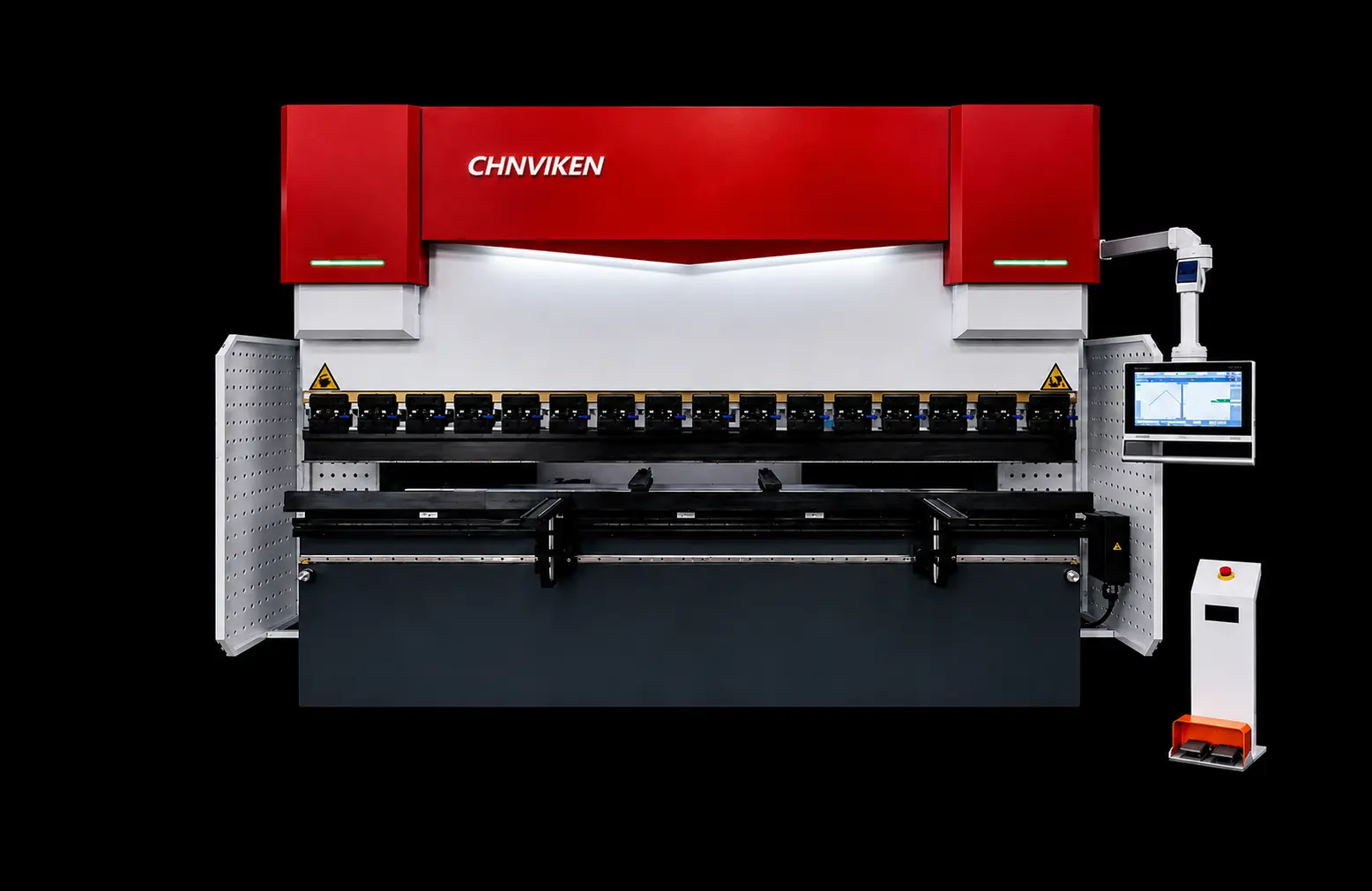
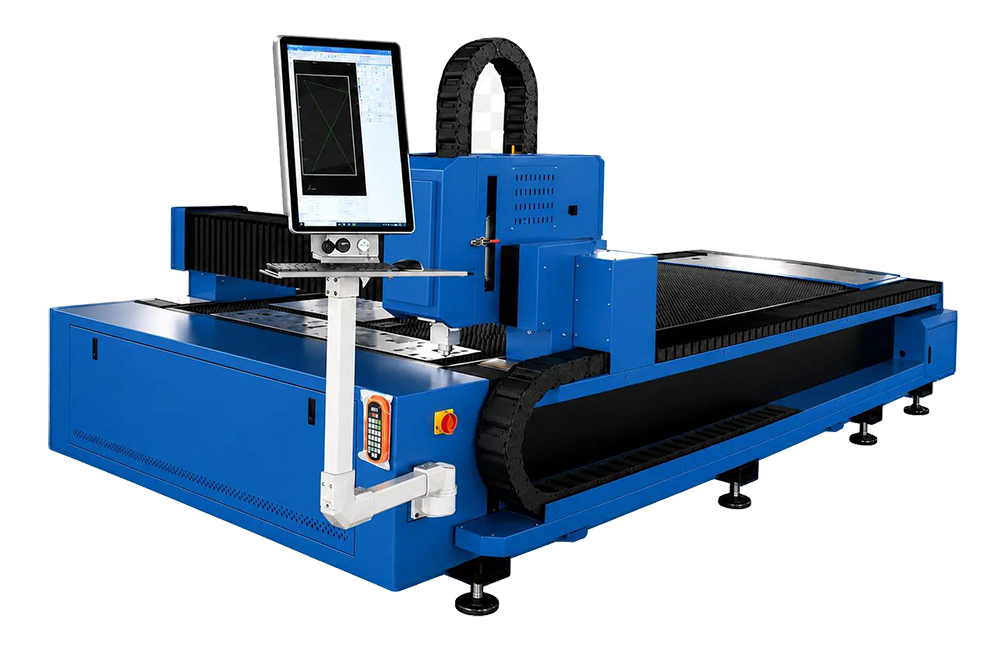
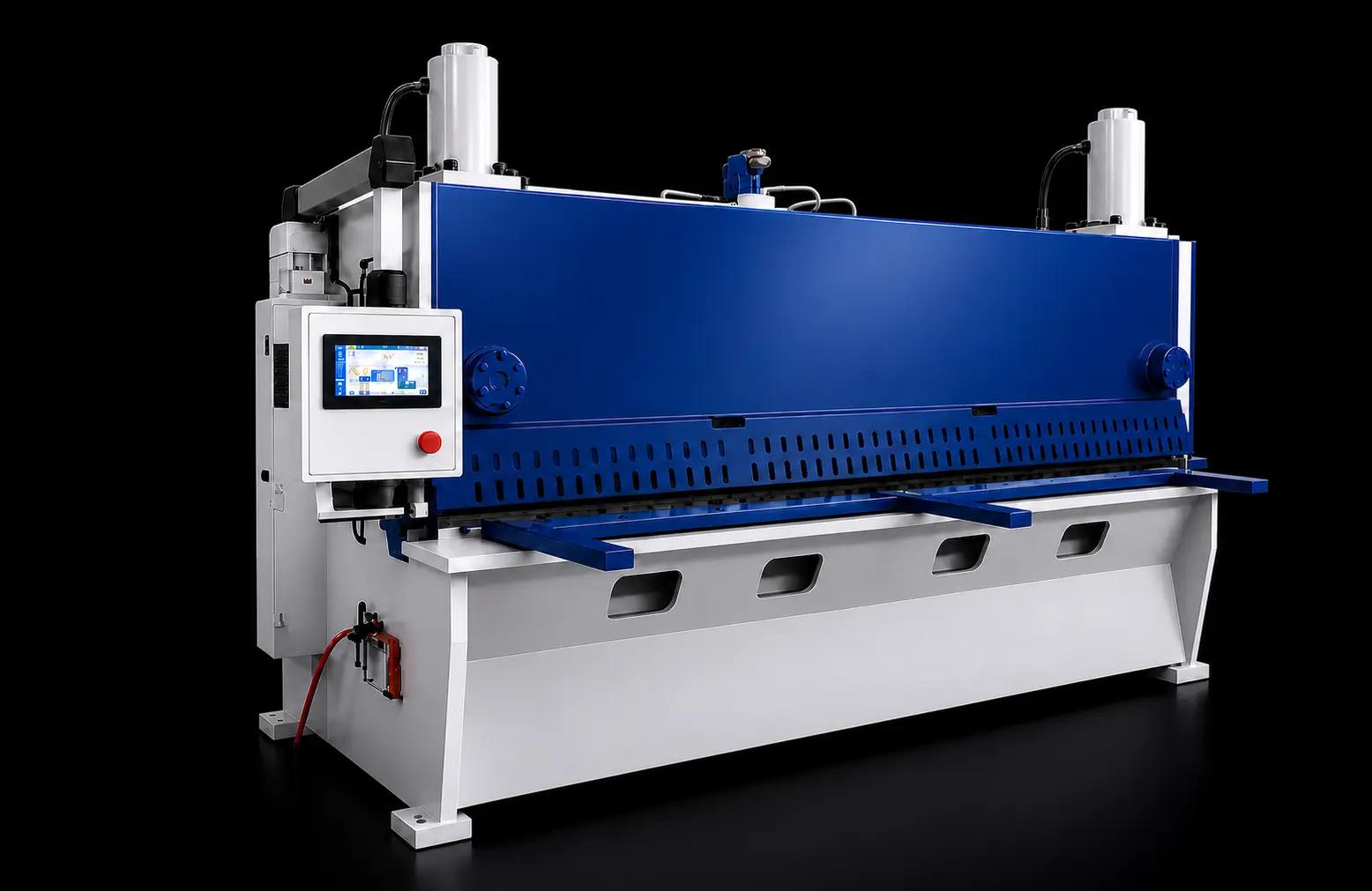
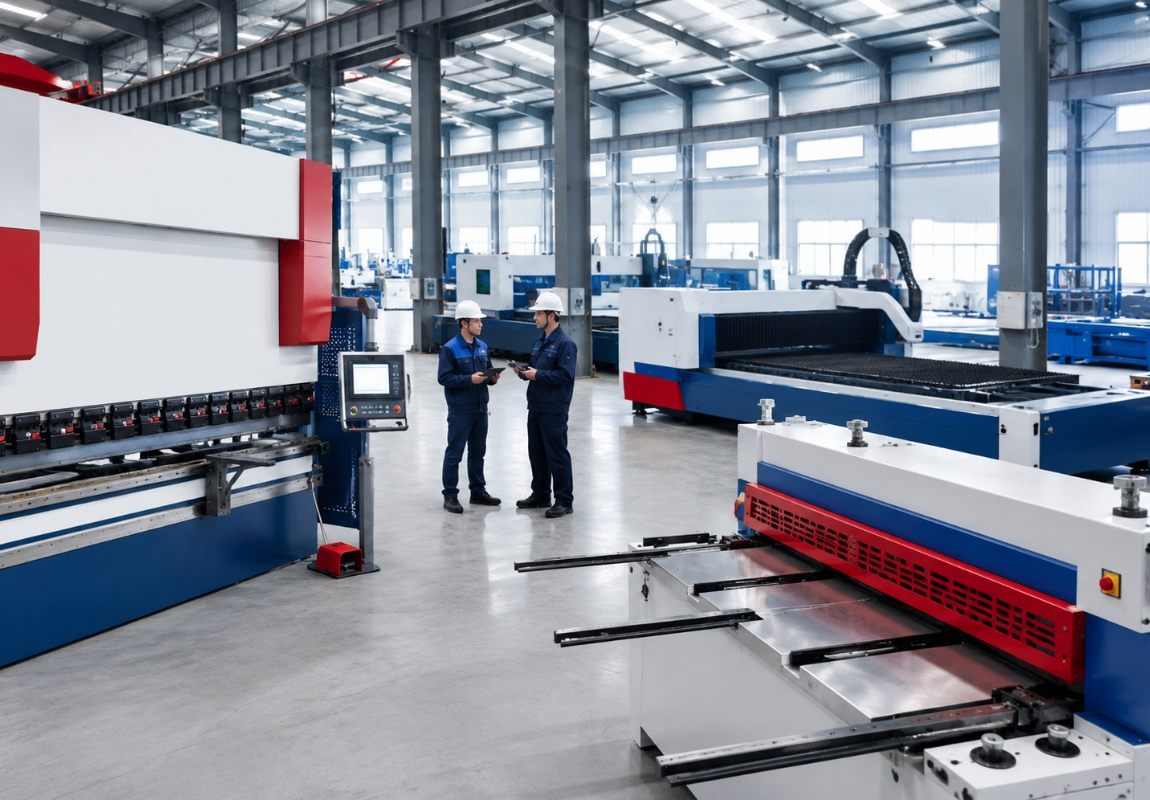
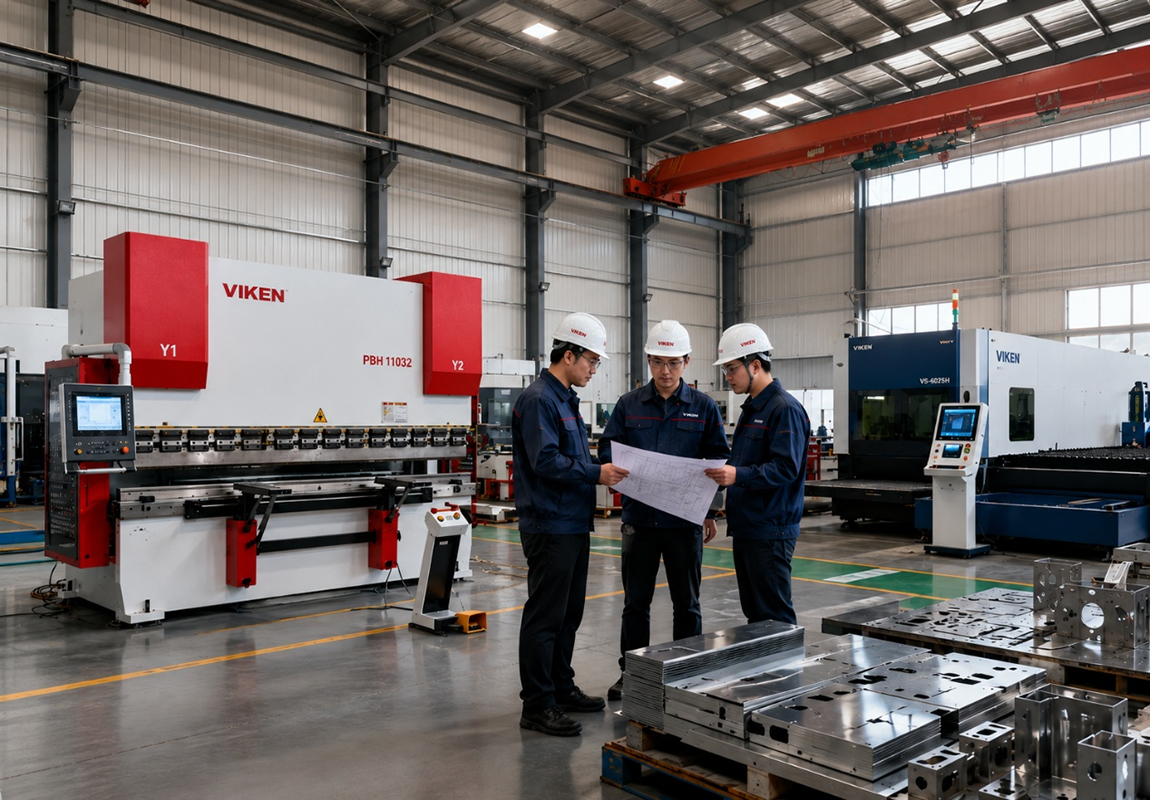
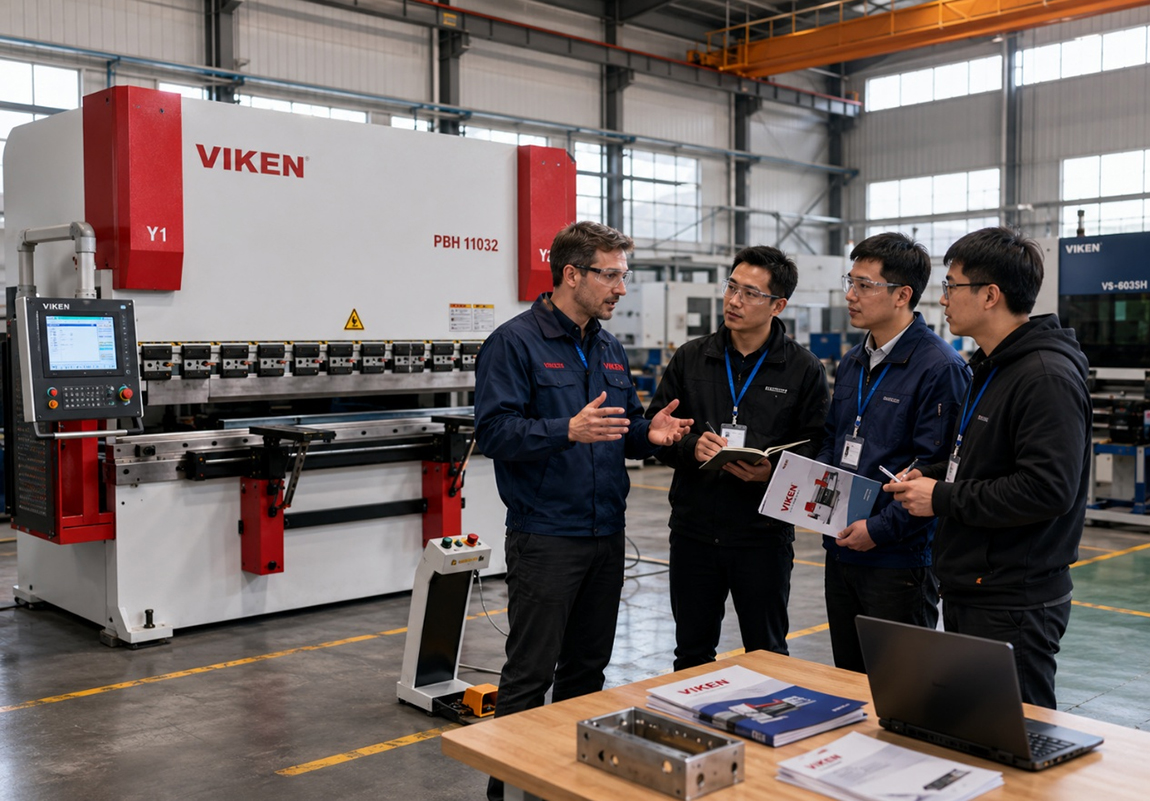
From press brakes and shearing machines to fiber laser cutters, plate rolling machines and hydraulic presses, VIKEN designs equipment around your material, thickness, working length, accuracy and production volume. Our engineers recommend the right machine configuration, controller, tooling and automation options to help you achieve stable quality, higher efficiency and lower operating costs.
We provide advanced integration services to link your cutting, bending, and material handling systems into a cohesive, smart production line, maximizing throughput and minimizing manual intervention.
Our global service network ensures that you receive prompt technical support, replacement parts, and on-site maintenance to keep your production running smoothly 24/7.