+86 13819274352
Leave Your Message
-
Contact WhatsApp
-
 Contact Phone
-
 Contact Email
The global automotive industry is undergoing a paradigm shift driven by environmental regulations, carbon neutrality goals, and the relentless pursuit of fuel efficiency and electric vehicle (EV) range extension. Among these initiatives, lightweighting remains a key strategy. Historically, lightweighting relied heavily on carbon fiber, aluminum, and high-strength steel. However, the energy-intensive production of carbon fiber and the high recycling costs have prompted engineers to seek sustainable alternatives. Enter Cellulose Acetate (CA) fiber.
Derived from natural, renewable resources like wood pulp and cotton linters, Cellulose Acetate fiber is emerging as a critical bio-based polymer reinforcement. When combined with advanced sheet metal stamping processes, CA fiber composites offer a hybrid manufacturing solution that bridges the gap between biological sustainability and structural industrial performance. This article explores the commercial landscape, manufacturing synergies, and deep application scenarios of Cellulose Acetate Fiber in automotive parts and chassis sheet metal stamping.
By replacing synthetic reinforcements with Cellulose Acetate fibers, automotive manufacturers can achieve up to a 40% reduction in carbon footprint during the material processing phase, while maintaining the high mechanical stiffness needed for chassis applications.
Currently, the commercial integration of Cellulose Acetate fiber in automotive manufacturing is transitioning from pilot R&D projects to mass-production feasibility stages. Historically utilized in consumer goods, textiles, and filtration systems, CA fiber is now recognized for its high tensile strength, excellent thermal stability, and natural damping properties.
Automotive OEMs (Original Equipment Manufacturers) are under intense pressure to comply with End-of-Life Vehicle (ELV) directives, which mandate high levels of recyclability and bio-based material content. Cellulose Acetate fibers present a highly viable circular economy loop. When formulated with biodegradable or recyclable thermoplastic matrices, these fiber composites can be easily reshaped, reused, or composted at the end of the vehicle's lifecycle.
From a commercial standpoint, the cost-benefit analysis of CA fiber is highly favorable compared to glass or carbon fibers. While carbon fiber remains prohibitively expensive for mid-market passenger vehicles, CA fiber offers a cost-effective alternative that delivers comparable specific stiffness and significantly better acoustic dampening. As supply chains scale up to process agricultural and forestry byproducts into standardized industrial-grade cellulose acetate, the material cost is projected to drop further, making it a staple in high-volume automotive production.
Chassis sheet metal stamping is the backbone of vehicle structural integrity. The chassis must withstand multi-axial loads, absorb crash energy, and minimize road vibrations. Traditionally, this required heavy steel plates or complex multi-piece aluminum weldments. The modern approach utilizes metal-composite hybrids, where sheet metal is structurally reinforced with Cellulose Acetate fiber prepregs.
In a typical hybrid stamping operation, a high-strength steel or aluminum sheet is stamped concurrently with a CA fiber-reinforced thermoplastic layer. Using advanced hydraulic presses and specialized tooling, the metal and the composite are bonded under heat and pressure. The result is a component that combines the ductility and impact resistance of metal with the lightweight stiffness and vibration-dampening properties of Cellulose Acetate fiber.
One of the standout physical properties of Cellulose Acetate fiber is its internal friction coefficient, which is significantly higher than that of glass or carbon fibers. When integrated into chassis sheet metal components, CA fibers absorb micro-vibrations from the road, acting as an integrated acoustic barrier. This eliminates the need for heavy, secondary sound-deadening mats, thereby reducing overall vehicle weight and assembly complexity.
Metal-to-metal interfaces in chassis assemblies are highly susceptible to galvanic corrosion. By introducing a non-conductive, thermally stable Cellulose Acetate fiber layer between dissimilar metals, manufacturers can prevent corrosion while maintaining structural cohesion. Furthermore, CA fibers retain their mechanical properties across a wide temperature range, ensuring reliable performance in both sub-zero winter conditions and high-temperature engine bay environments.
Combining CNC Press Brakes and Fiber Laser Cutting machines allows for the precise fabrication of hybrid sheet metals, ensuring clean edges and exact bending angles without delaminating the bonded Cellulose Acetate fiber layers.
The underbody of a vehicle is exposed to harsh impacts from road debris, moisture, and chemical agents. Stamped steel underbody panels are heavy, while pure plastic panels lack structural integrity. Stamping a hybrid panel consisting of a thin aluminum core reinforced with CA fiber-reinforced composite sheets yields an ultra-lightweight, high-impact shield that protects battery packs in EVs and exhaust lines in ICE vehicles.
Crossmembers support critical suspension components and require exceptional torsional rigidity. By utilizing localized CA fiber reinforcement patches stamped directly onto steel crossmembers, engineers can reduce steel thickness (gauge reduction) while maintaining the component's overall stiffness. This localized reinforcement strategy optimizes material usage and reduces production costs.
The B-pillar and door inner panels are critical for passenger safety during side-impact collisions. Hybrid stamping with Cellulose Acetate fiber prepregs allows for controlled deformation zones. The metal component absorbs the initial high-energy impact, while the CA fiber layer prevents catastrophic splintering (a common failure mode in carbon fiber composites), protecting passengers from sharp debris.
The firewall separating the engine compartment from the passenger cabin must block both heat and noise. A multi-layered stamped metal sheet containing an inner core of Cellulose Acetate fiber provides dual-action performance: it acts as a thermal barrier and suppresses engine noise across a broad frequency spectrum.
Processing hybrid parts containing Cellulose Acetate fiber and sheet metal requires highly precise, versatile manufacturing equipment. Traditional metalworking machinery must be adapted to handle the unique thermal and mechanical profiles of organic fibers.
CNC Press Brakes: Bending hybrid sheets requires precise angle and pressure control to prevent the delamination of the CA fiber layer from the metal substrate. Modern CNC press brakes equipped with intelligent angle measurement systems ensure that the bending process respects the elongation limits of both the metal and the fiber composite.
Fiber Laser Cutting: Cutting hybrid metal-fiber components presents a unique challenge: the laser must cut through highly reflective metals (like aluminum) and organic fibers without causing thermal damage or charring to the cellulose acetate. High-speed, fiber laser cutting machines utilize optimized gas assists and pulse modulations to achieve clean, burr-free cuts across both materials in a single pass.
Hydraulic Presses and Stamping Lines: The stamping of CA fiber-reinforced hybrids requires rapid cycle times and precise temperature control during the compression phase. Advanced hydraulic presses with heated dies allow for the simultaneous forming and curing/bonding of the thermoplastic composite to the sheet metal, ensuring high-throughput production.
The future of Cellulose Acetate fiber in automotive parts lies in pairing it with bio-based resins (such as PLA or bio-polyamides). This will result in structural parts that are entirely derived from renewable resources and can be fully recycled back into the production cycle.
Furthermore, researchers are exploring the integration of conductive carbon tracks or optical fibers alongside CA fibers within the stamped metal-composite structure. This creates "smart" chassis parts capable of real-time structural health monitoring, detecting fatigue or damage after a collision. AI and machine learning algorithms are also being used to predict the optimal alignment of Cellulose Acetate fibers within the stamped metal part to maximize strength-to-weight ratios, ensuring that the fibers are oriented along the primary load paths and reducing material waste.
CHNVIKEN is a professional manufacturer specializing in the research, development, production, and export of sheet metal processing equipment. With more than 10 years of industry experience, we have grown from a local machinery supplier into a globally recognized brand serving customers in over 100 countries and regions.
Our product portfolio includes CNC Press Brakes, Hydraulic Shearing Machines, Fiber Laser Cutting Machines, Hydraulic Presses, Punching Machines, Ironworkers, Roll Bending Machines, and complete Duct Production Lines. We are committed to providing efficient, intelligent, and cost-effective solutions for sheet metal fabrication industries worldwide.

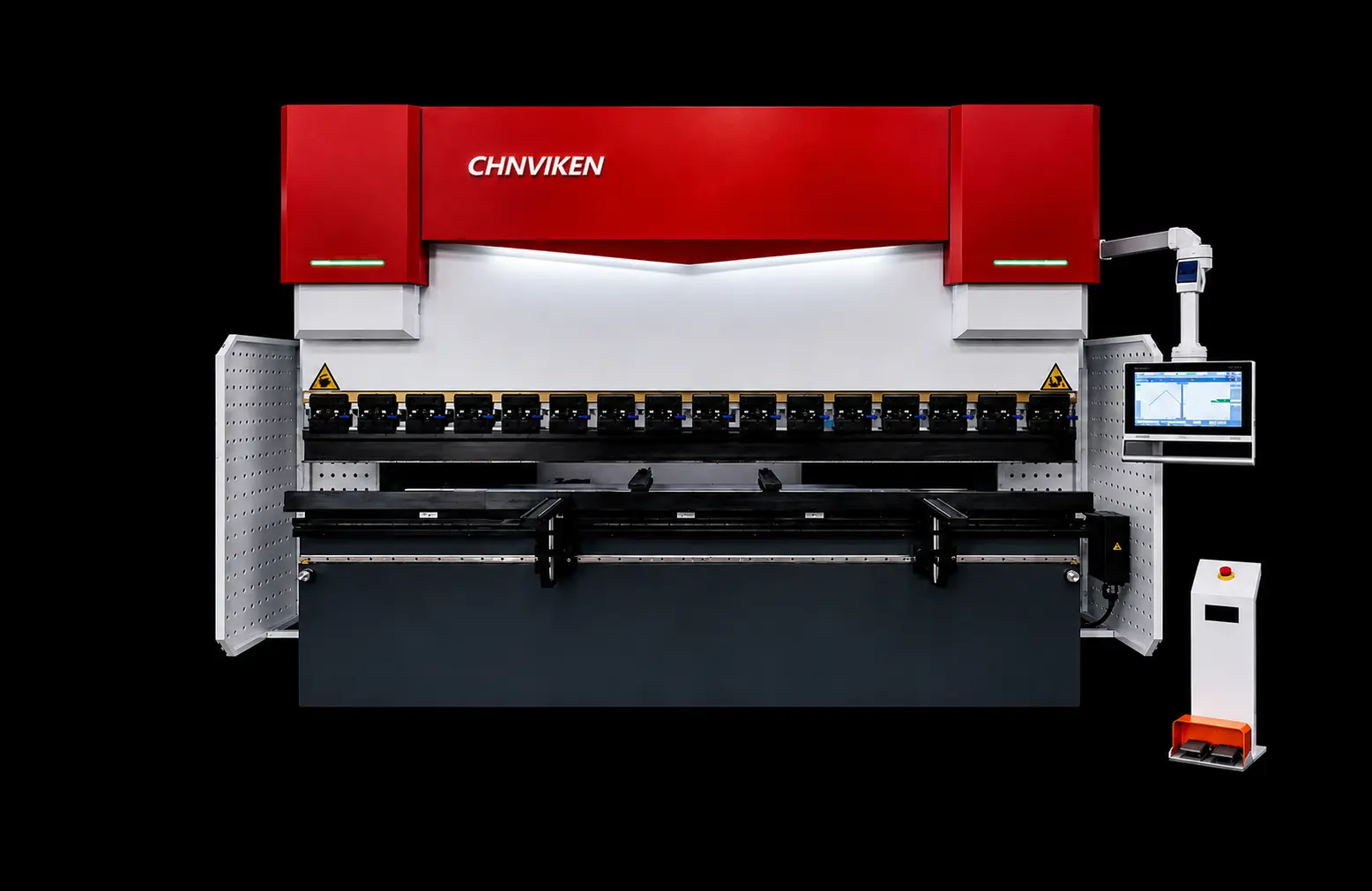
High-precision bending solutions designed to process hybrid sheets and structural chassis components reinforced with Cellulose Acetate fibers.
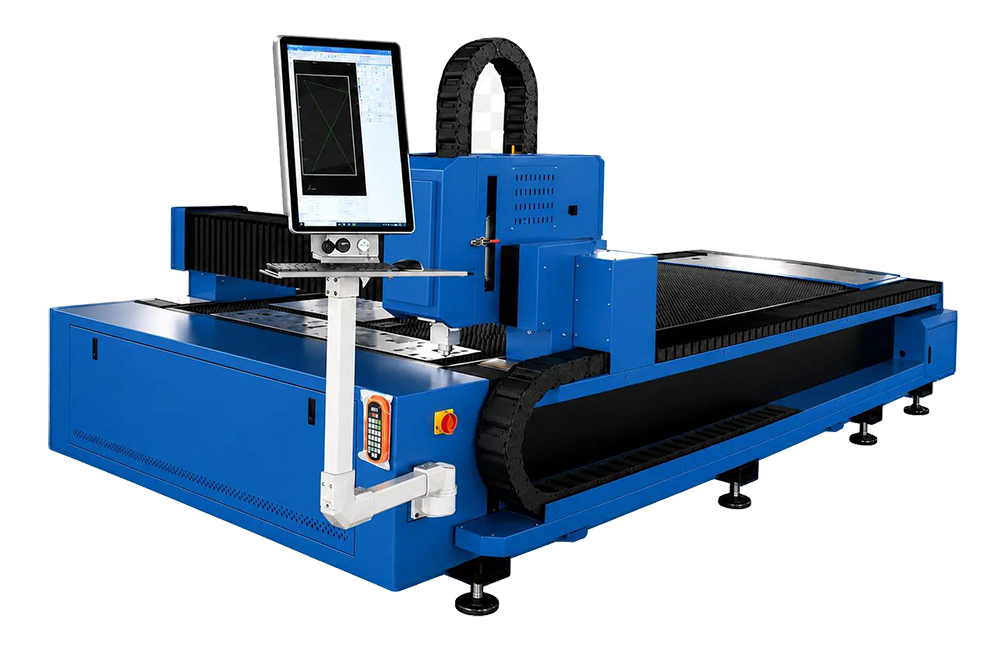
Advanced fiber laser technology offering clean, burr-free cuts on composite-metal interfaces without causing thermal damage to organic fibers.
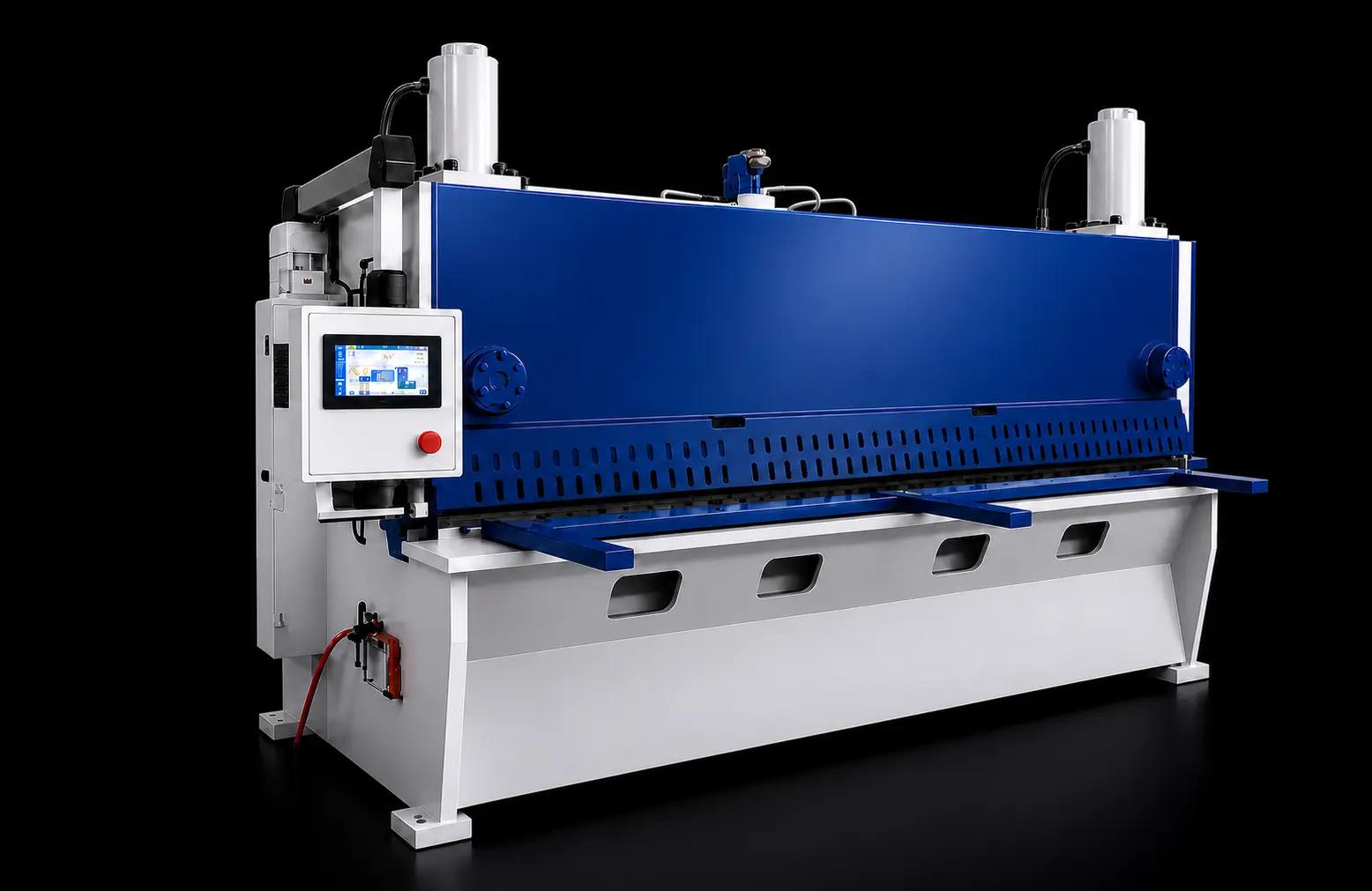
Heavy-duty shearing systems engineered to handle high-strength steel and aluminum blanks prior to composite bonding and stamping.
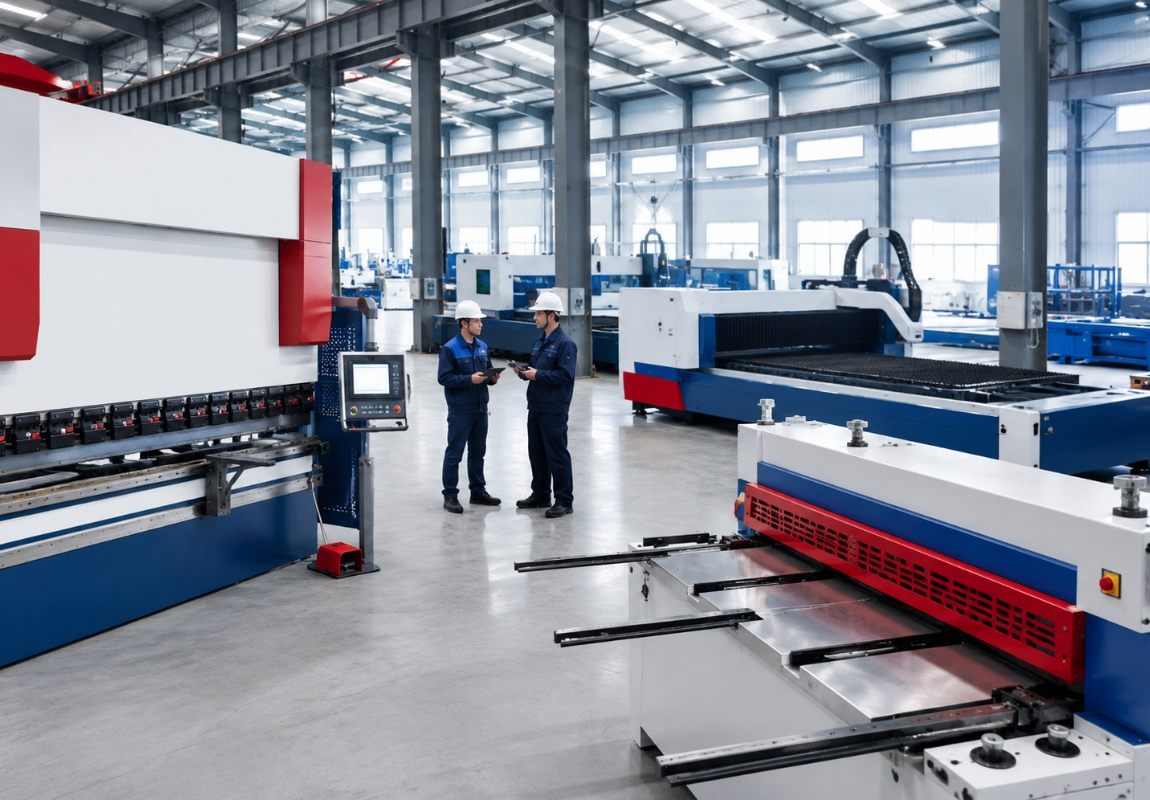
VIKEN designs equipment around your material, thickness, working length, accuracy and production volume. Our engineers recommend the right machine configuration, controller, tooling and automation options to help you achieve stable quality, higher efficiency and lower operating costs.
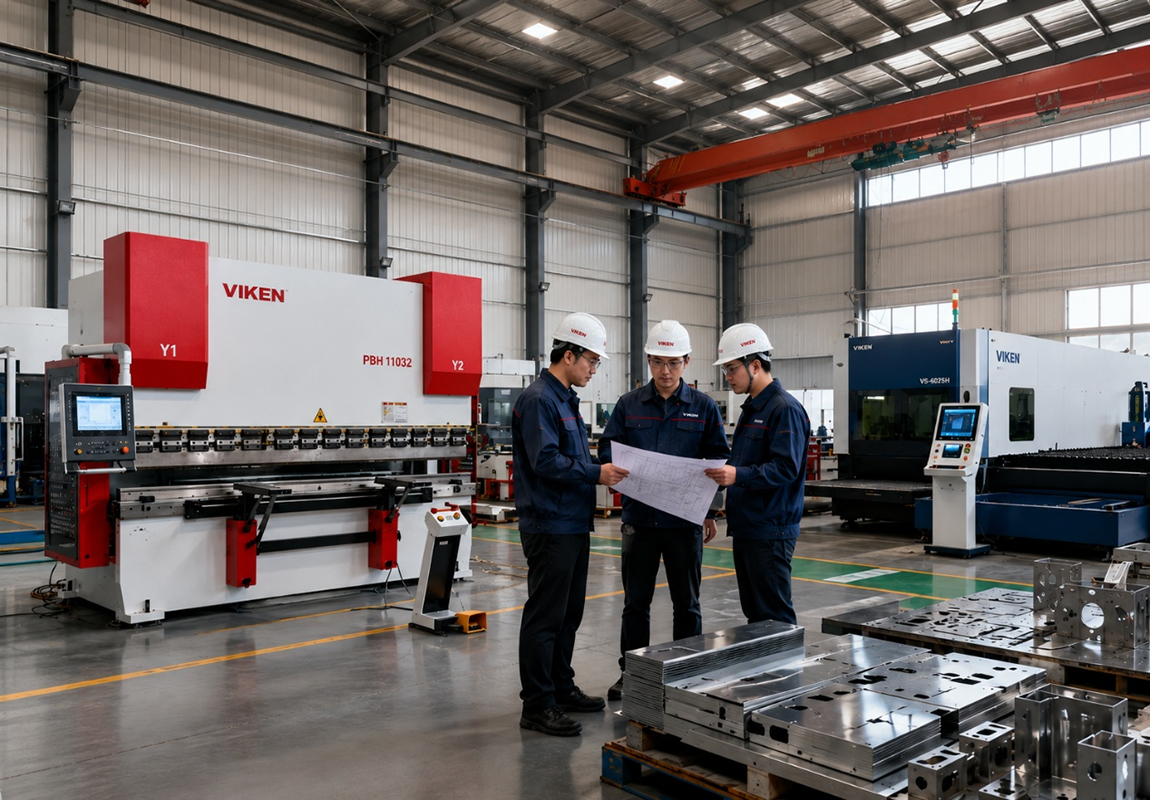
Seamless integration of stamping, cutting, and bending machinery into fully automated smart factory networks optimized for high-volume automotive parts manufacturing.
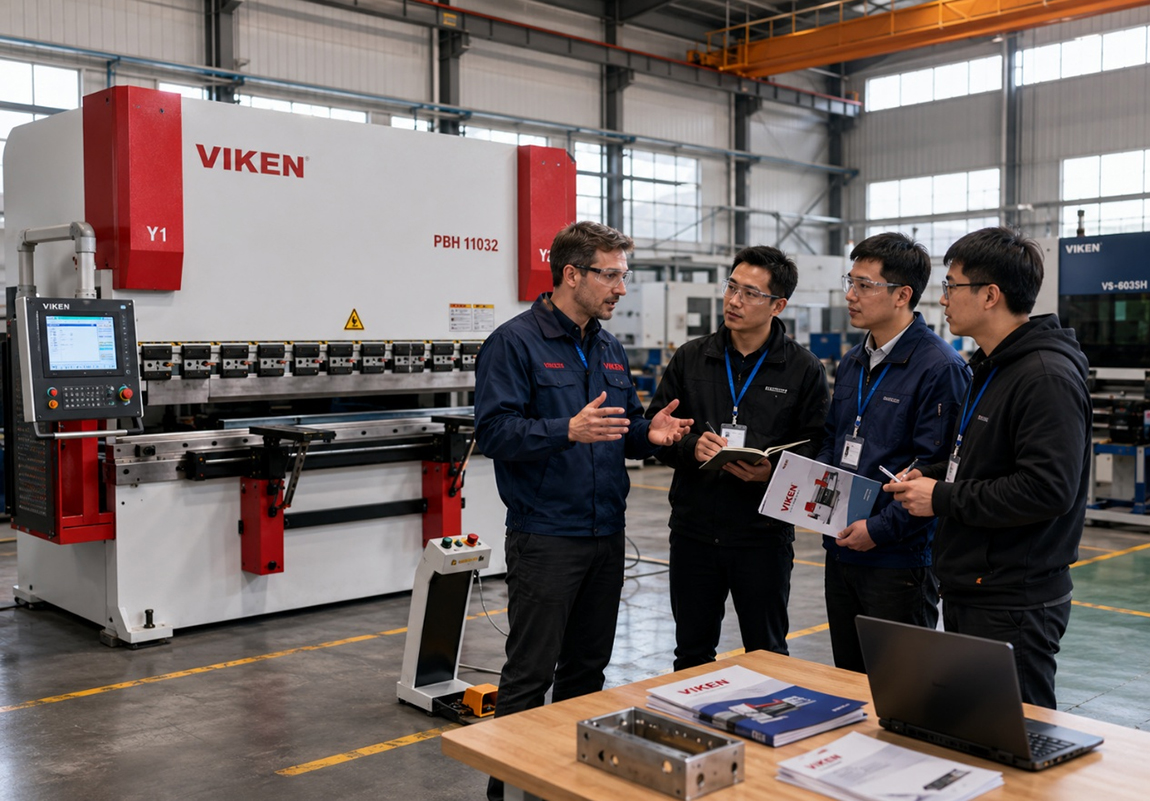
Comprehensive support, maintenance, and training services to ensure maximum uptime and operational efficiency for your sheet metal processing lines worldwide.