+86 13819274352
Leave Your Message
-
Contact WhatsApp
-
 Contact Phone
-
 Contact Email
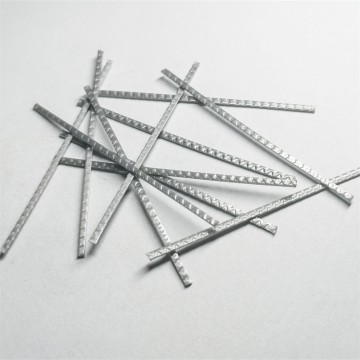
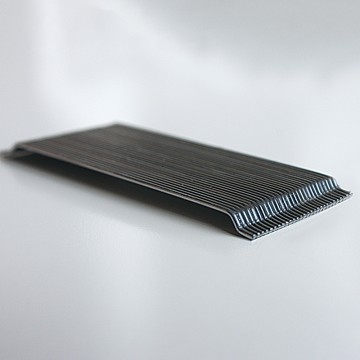
High-performance fiber configurations designed for precision metal bending and structural reinforcing panels.
The global elevator and escalator manufacturing industry is undergoing a massive paradigm shift. As urbanization accelerates and architectural designs reach new heights, the demand for high-performance, aesthetically flawless, and environmentally sustainable materials has intensified. Within this landscape, Cellulose Acetate Fiber for Elevator Door and Frame Precision Panel Bending has emerged as a revolutionary solution. This bio-based polymer, derived from renewable wood pulp or cotton linters, is finding critical applications in both the structural reinforcement and surface preservation phases of precision metal bending.
Precision panel bending is the cornerstone of elevator door and frame production. The process requires bending thin-gauge sheet metals—such as stainless steel, aluminum, and galvanized steel—into complex, highly accurate profiles. During this mechanical deformation, manufacturers face two major challenges: maintaining structural rigidity without adding dead weight, and preventing surface defects (like scratching, tooling marks, and micro-cracking) on architectural finishes. Cellulose acetate fiber addresses both challenges, serving as a clean, sustainable structural core composite material and a high-performance protective medium during the intense shear stresses of CNC bending.
Historically, cellulose acetate was primarily known for its applications in textiles, filtration, and optical films. However, modern material science has unlocked its potential in industrial structural applications. Today, cellulose acetate fibers are engineered into high-strength, biodegradable composite sheets and non-woven matrices. When integrated into the sandwich panels of elevator doors, these fibers offer an exceptional strength-to-weight ratio, superior thermal insulation, and outstanding acoustic dampening.
"According to recent architectural and industrial manufacturing surveys, the integration of bio-based fibers like cellulose acetate in metal sandwich panels reduces overall component weight by up to 30% while improving sound attenuation by 15 decibels compared to traditional synthetic mineral cores."
Commercially, elevator manufacturers are under strict regulatory pressure to reduce the carbon footprint of their products. Traditional panel dampening materials, such as petroleum-based polyurethane foams or asphaltic membranes, emit volatile organic compounds (VOCs) and present recycling challenges. Cellulose acetate fiber, being a bio-derived material, aligns perfectly with LEED (Leadership in Energy and Environmental Design) and BREEAM certifications, making it highly attractive to commercial real estate developers and green building projects globally.
To understand why Cellulose Acetate Fiber is highly suited for elevator door and frame precision panel bending, we must analyze the physics of the bending process. Precision panel benders and CNC press brakes exert immense tonnage over localized metal surfaces. When a sheet of metal is bent, the outer radius undergoes tensile stress, while the inner radius experiences compressive stress. Any direct contact between the metal sheet and the steel tooling can result in surface friction, leading to micro-abrasions that ruin the premium brushed or mirrored finish of elevator doors.
By utilizing cellulose acetate fiber-based protective sheets or films during the bending process, manufacturers create a resilient, sacrificial barrier. Unlike standard plastic films that can tear under high shear stress or leave adhesive residues that are difficult to clean, cellulose acetate fibers possess high tensile strength and thermal stability. They distribute the bending pressure evenly across the tooling interface, ensuring zero-defect surface quality.
The application of cellulose acetate fiber in elevator fabrication is divided into three distinct structural and processing layers:
Looking ahead, the demand for smart, lightweight, and carbon-neutral elevators is projected to grow exponentially. The integration of cellulose acetate fiber with advanced sheet metal processing machinery—such as automated panel benders and fiber laser cutters—represents the future of sustainable industrial design. As CNC machinery becomes faster and more precise, the materials supporting these processes must evolve at the same pace.
Furthermore, the development of fire-retardant cellulose acetate fiber composites is expanding their use in public transportation and high-occupancy commercial structures. Meeting strict fire safety codes (such as EN 81-58 for elevator landing doors) is critical. Modern chemical modifications allow cellulose acetate fibers to achieve excellent flame-retardant ratings without sacrificing their mechanical properties or eco-friendly profile.
As manufacturers seek to optimize their supply chains, partnering with machinery providers who understand the interplay between advanced sheet metal processing and modern fiber composites is key. CHNVIKEN continues to lead this charge, offering CNC bending solutions optimized for handling delicate, composite, and fiber-protected metal panels.
CHNVIKEN is a professional manufacturer specializing in the research, development, production, and export of sheet metal processing equipment. With more than 10 years of industry experience, we have grown from a local machinery supplier into a globally recognized brand serving customers in over 100 countries and regions.
Our product portfolio includes CNC Press Brakes, Hydraulic Shearing Machines, Fiber Laser Cutting Machines, Hydraulic Presses, Punching Machines, Ironworkers, Roll Bending Machines, and complete Duct Production Lines. We are committed to providing efficient, intelligent, and cost-effective solutions for sheet metal fabrication industries worldwide.


High-performance systems optimized for elevator door and frame panel bending applications.


Custom engineering solutions designed around material thickness, precision, and production volume.



From press brakes and shearing machines to fiber laser cutters, plate rolling machines and hydraulic presses, VIKEN designs equipment around your material, thickness, working length, accuracy and production volume. Our engineers recommend the right machine configuration, controller, tooling and automation options to help you achieve stable quality, higher efficiency and lower operating costs.
Integrate your bending, cutting, and shearing processes into a cohesive automated line, minimizing handling wear on delicate composite materials such as cellulose acetate fiber reinforced panels.
Comprehensive installation, training, and maintenance services to ensure your high-precision bending operations maintain absolute peak performance indefinitely.
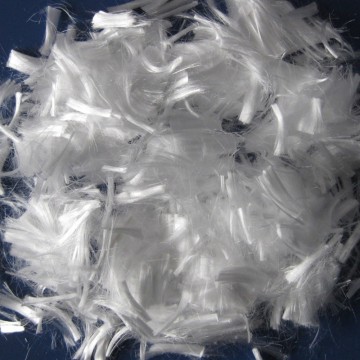
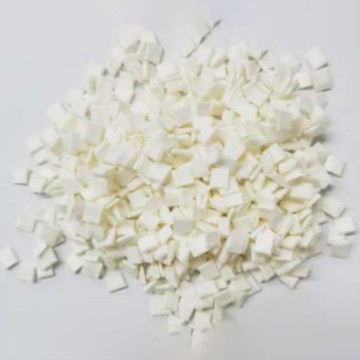
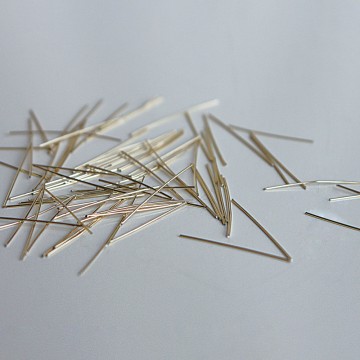
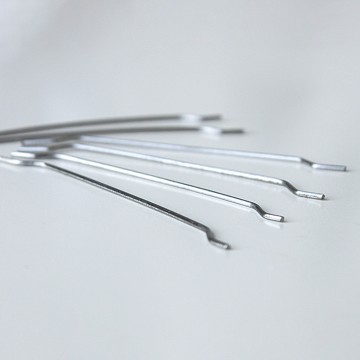
Explore our full range of structural fibers optimized for elevator door panels and high-strength frame bending.