+86 13819274352
Leave Your Message
-
Contact WhatsApp
-
 Contact Phone
-
 Contact Email
The global construction and industrial design paradigms are undergoing a dramatic transformation, driven by the dual imperatives of environmental sustainability and energy efficiency. At the heart of modern commercial and residential infrastructure lies the Heating, Ventilation, and Air Conditioning (HVAC) system. Historically, HVAC ductwork design has been dominated by galvanized sheet metal and traditional fiberglass insulation. However, as building codes tighten and the demand for high-performance, quiet, and hygienic indoor environments rises, the industry is turning to advanced material science.
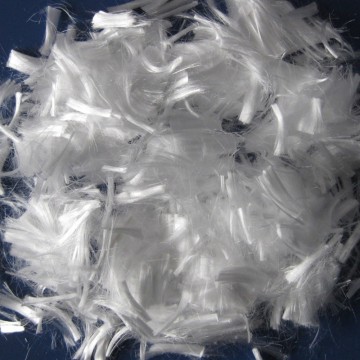
One of the most promising technological developments in this sector is the integration of Cellulose Acetate Fiber (CAF) into HVAC duct and ventilation system fabrication. Cellulose acetate, a semi-synthetic polymer derived from renewable wood pulp or agricultural waste, offers a unique combination of structural integrity, thermal resistance, acoustic damping, and inherent resistance to biological degradation. By incorporating these fibers into duct linings, composite structural panels, and filtration media, engineers can achieve unprecedented levels of system performance while aligning with modern green building standards.
Unlike traditional synthetic polymers, cellulose acetate is derived from natural cellulose through acetylation. This process modifies the molecular structure to exhibit excellent thermal stability, low flammability, and outstanding acoustic absorption properties, making it an ideal candidate for high-airflow HVAC environments.
The commercial landscape for HVAC duct fabrication is expanding rapidly. According to global market analyses, the demand for energy-efficient ventilation systems is projected to grow at a compound annual growth rate (CAGR) exceeding 6.5% over the next decade. This growth is heavily propelled by stringent environmental regulations, such as the European Union's Energy Performance of Buildings Directive (EPBD) and the United States' ASHRAE 90.1 standards.
In this context, Cellulose Acetate Fiber represents a significant market opportunity. Traditionally used in textiles, filtration, and specialty plastics, the industrial application of CAF in construction composites is surging. Manufacturers are leveraging its biodegradable nature and low carbon footprint to appeal to developers seeking LEED (Leadership in Energy and Environmental Design) and BREEAM certifications.
From a supply chain perspective, the production of cellulose acetate benefits from established agricultural and forestry management, ensuring a stable raw material supply compared to petroleum-based synthetic fibers. The industrial transition toward CAF-infused ducts is also driven by the material's safety profile; unlike fiberglass, which can release micro-needles that cause skin irritation and respiratory concerns during installation, CAF is non-toxic, hypoallergenic, and safe to handle, reducing labor-related safety costs.
Thermal efficiency is the primary metric by which HVAC ducting is evaluated. Uninsulated or poorly insulated ducts lead to significant thermal loss, forcing heating and cooling units to work harder and consume more energy. Cellulose Acetate Fiber exhibits a highly porous micro-structure that traps air molecules effectively, resulting in a remarkably low thermal conductivity.
Furthermore, condensation is a persistent threat in ventilation systems. When cold air travels through ducts located in warm, humid spaces (such as drop ceilings or utility shafts), the outer surface of the duct can drop below the dew point, causing moisture to condense. This moisture leads to rust, structural degradation, and mold growth. CAF’s inherent moisture-regulating capabilities allow it to absorb and release moisture dynamically without losing its structural integrity or thermal resistance, preventing the formation of liquid water pools on the duct surface.
Noise pollution from HVAC fans, dampers, and air turbulence can severely disrupt indoor environments, particularly in hospitals, schools, and corporate offices. Traditional sheet metal ducts act as acoustic wave-guides, transmitting sound waves throughout a building.
Cellulose Acetate Fiber is highly effective as an acoustic absorber. When sound waves strike the fibrous matrix of CAF, the air molecules within the fiber pores vibrate, converting acoustic energy into harmless thermal energy via viscous friction. By lining the interior of ducts with CAF blankets, or integrating them into double-walled silencer units, fabricators can achieve high sound transmission class (STC) ratings. This eliminates the need for bulky external silencers, saving space and reducing overall system weight.
Modern ventilation design is moving away from purely metallic structures toward lightweight, high-strength composite ducts. Cellulose Acetate Fiber is increasingly utilized as a reinforcing agent in polymer matrices and lightweight concrete panels used for heavy-duty underground or industrial ducting.
When blended into composite formulations, the high tensile strength of CAF prevents micro-cracking and deformation caused by the high static pressures and pressure fluctuations common in industrial ventilation. This composite approach yields ductwork that is up to 50% lighter than standard galvanized steel, drastically simplifying the installation process and reducing the structural load on building frameworks.
Indoor Air Quality (IAQ) has become a critical public health focus. Ventilation systems must not only distribute air but also clean it. The chemical structure of cellulose acetate allows it to be spun into ultra-fine sub-micron fibers, creating highly efficient particulate air (HEPA) filters.
CAF-based filters display high dust-holding capacity and low pressure drop, meaning air can pass through easily while contaminants are trapped. The natural electrostatic properties of cellulose acetate enhance the capture of fine dust, pollen, and airborne pathogens, making these systems highly desirable for sterile environments like pharmaceutical laboratories and healthcare facilities.
The manufacturing of hybrid HVAC systems—combining metal casings with advanced fiber insulation—requires highly precise machinery. The fabrication process begins with sheet metal processing equipment, where the outer protective shell of the duct is formed.
CNC Press Brakes and Hydraulic Shearing Machines are crucial for cutting and bending the heavy-gauge sheet metal to precise tolerances. Once the metal channel is formed, the Cellulose Acetate Fiber insulation layer is applied. In double-walled duct configurations, an inner perforated metal sheet is bent and nested inside the outer casing, trapping the CAF layer securely in between.
To automate this complex assembly, modern factories employ integrated Duct Production Lines. These lines uncoil the steel, punch holes for connectors, shear the sheets, fold them into rectangular or round shapes, and automatically insert and secure the fiber lining. The compatibility of CAF with automatic adhesive spraying and mechanical pinning systems ensures that the fiber lining does not delaminate or erode under high-velocity airflow, guaranteeing a system lifespan exceeding 25 years.
As the industry looks to the future, several key technological trends are shaping the evolution of Cellulose Acetate Fiber in HVAC applications:
To fully appreciate the value proposition of Cellulose Acetate Fiber, it is helpful to compare its physical and operational characteristics against traditional insulation and reinforcement materials used in HVAC fabrication.
| Material Property | Cellulose Acetate Fiber (CAF) | Standard Fiberglass | Polyurethane (PU) Foam |
|---|---|---|---|
| Source / Sustainability | Renewable Wood Pulp (High) | Silica / Glass (Medium) | Petroleum-based (Low) |
| Acoustic Absorption | Excellent (High porosity) | Good | Poor (Closed cell) |
| Health & Safety | Non-toxic, skin-friendly | Irritant, inhalation hazard | Emits toxic fumes when burned |
| Moisture Behavior | Dynamic moisture regulation | Water retention (leads to sagging) | Impermeable (creates external runoff) |
In summary, while traditional materials have served the industry well, the multi-functional benefits of Cellulose Acetate Fiber make it the clear choice for forward-thinking engineering projects that prioritize energy efficiency, indoor environmental quality, and long-term structural durability.
CHNVIKEN is a professional manufacturer specializing in the research, development, production, and export of sheet metal processing equipment. With more than 10 years of industry experience, we have grown from a local machinery supplier into a globally recognized brand serving customers in over 100 countries and regions.
Our product portfolio includes CNC Press Brakes, Hydraulic Shearing Machines, Fiber Laser Cutting Machines, Hydraulic Presses, Punching Machines, Ironworkers, Roll Bending Machines, and complete Duct Production Lines. We are committed to providing efficient, intelligent, and cost-effective solutions for sheet metal fabrication industries worldwide.

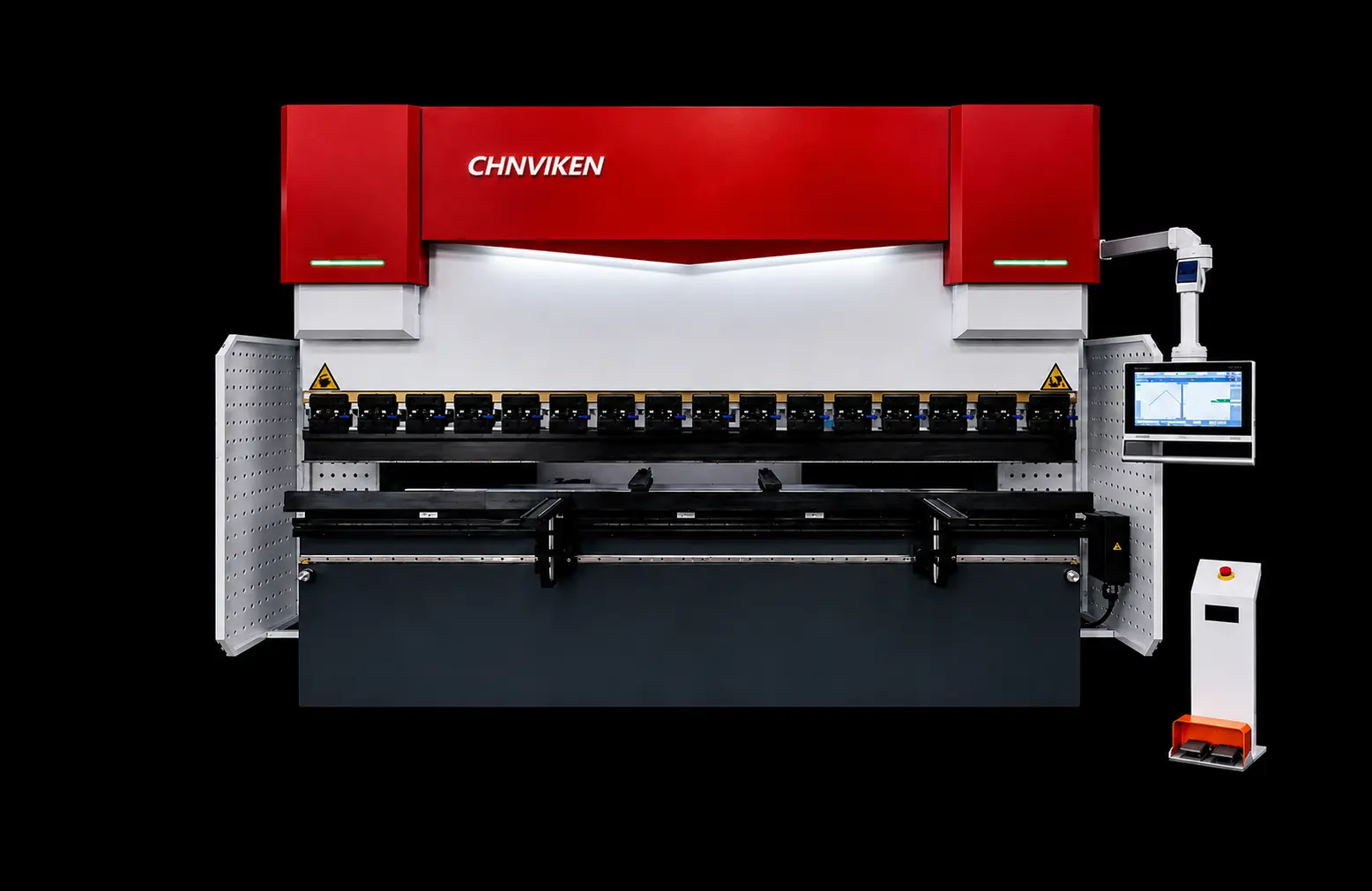
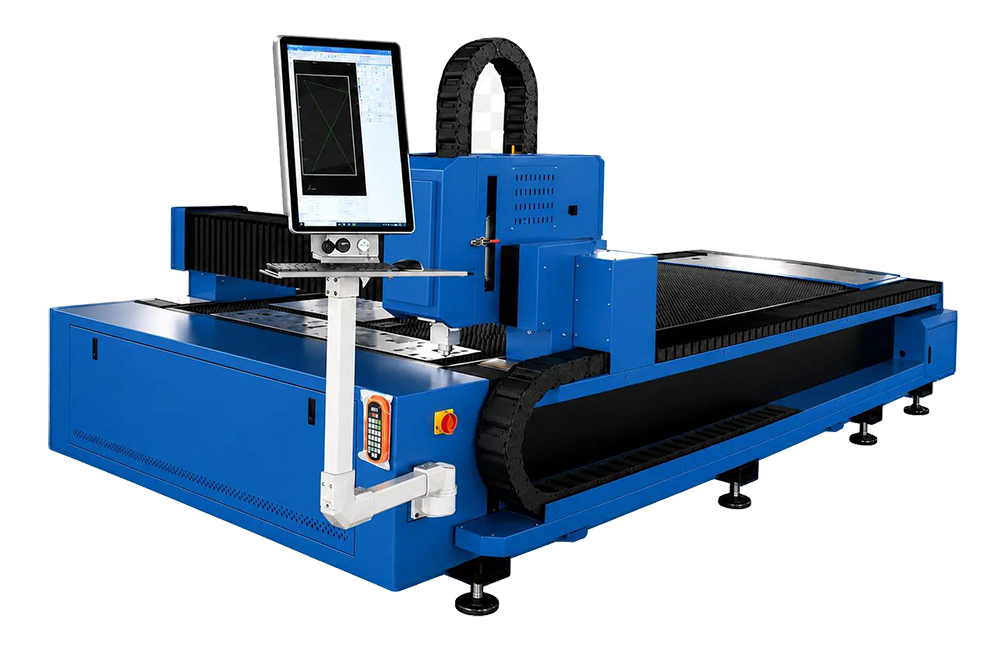
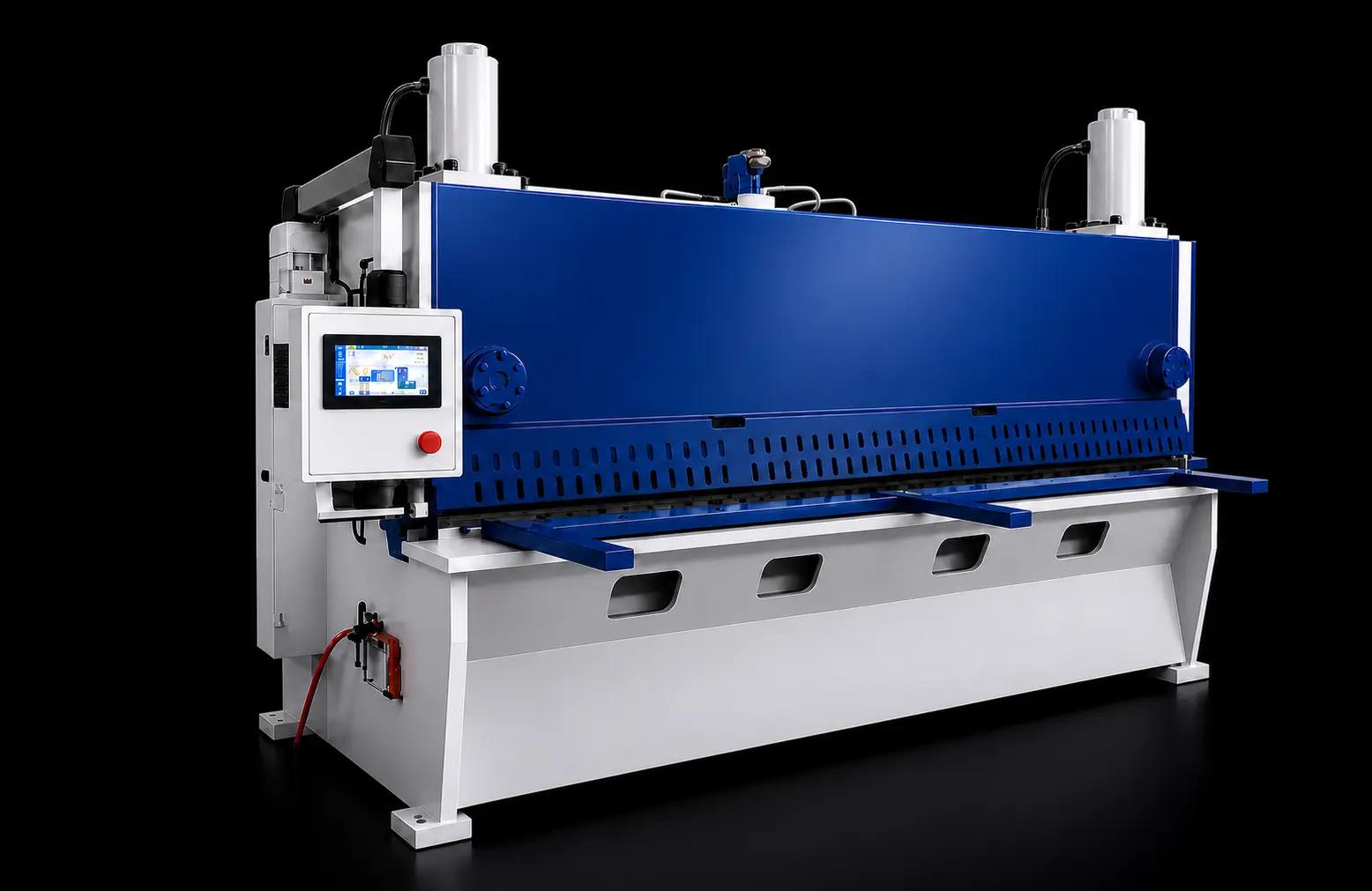
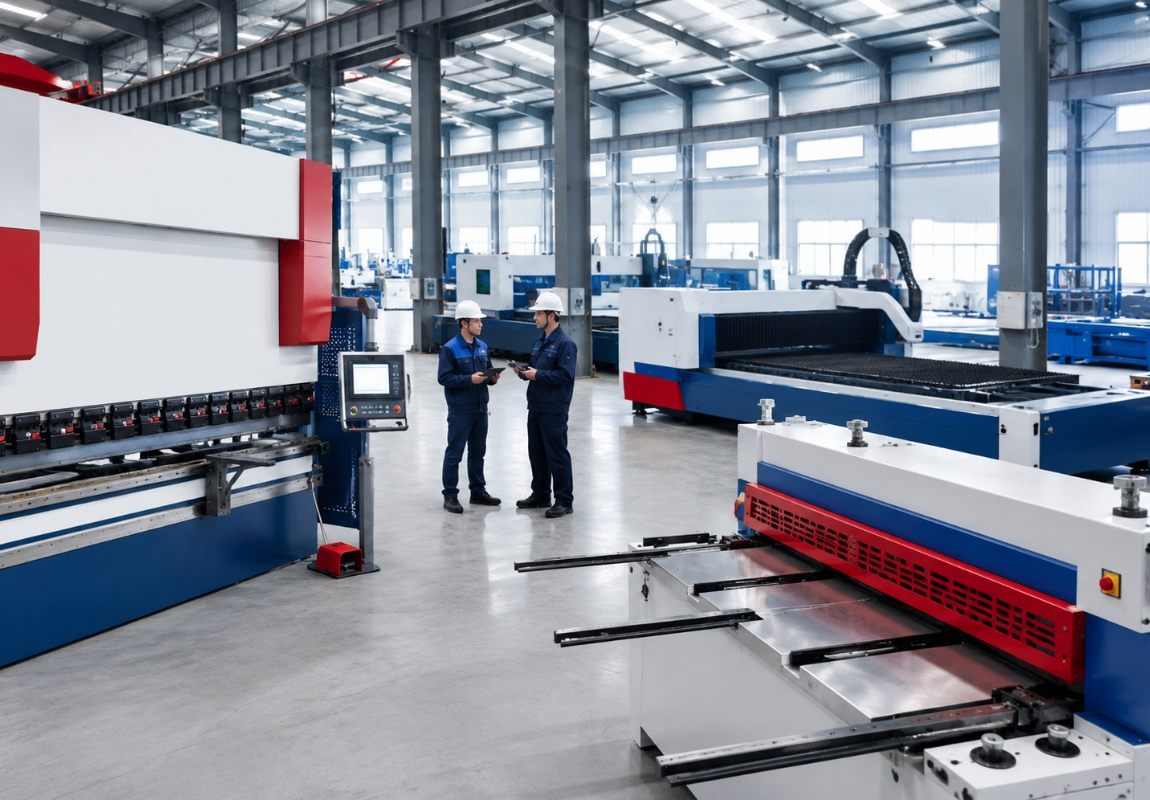
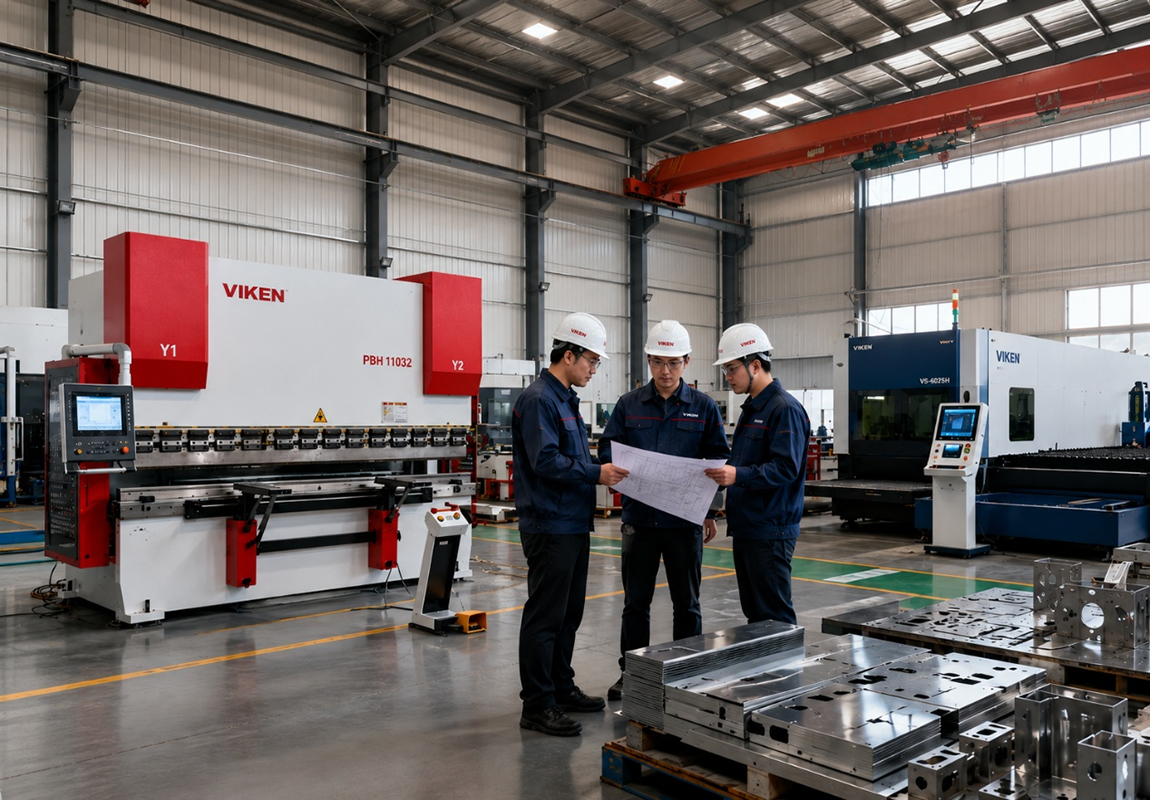
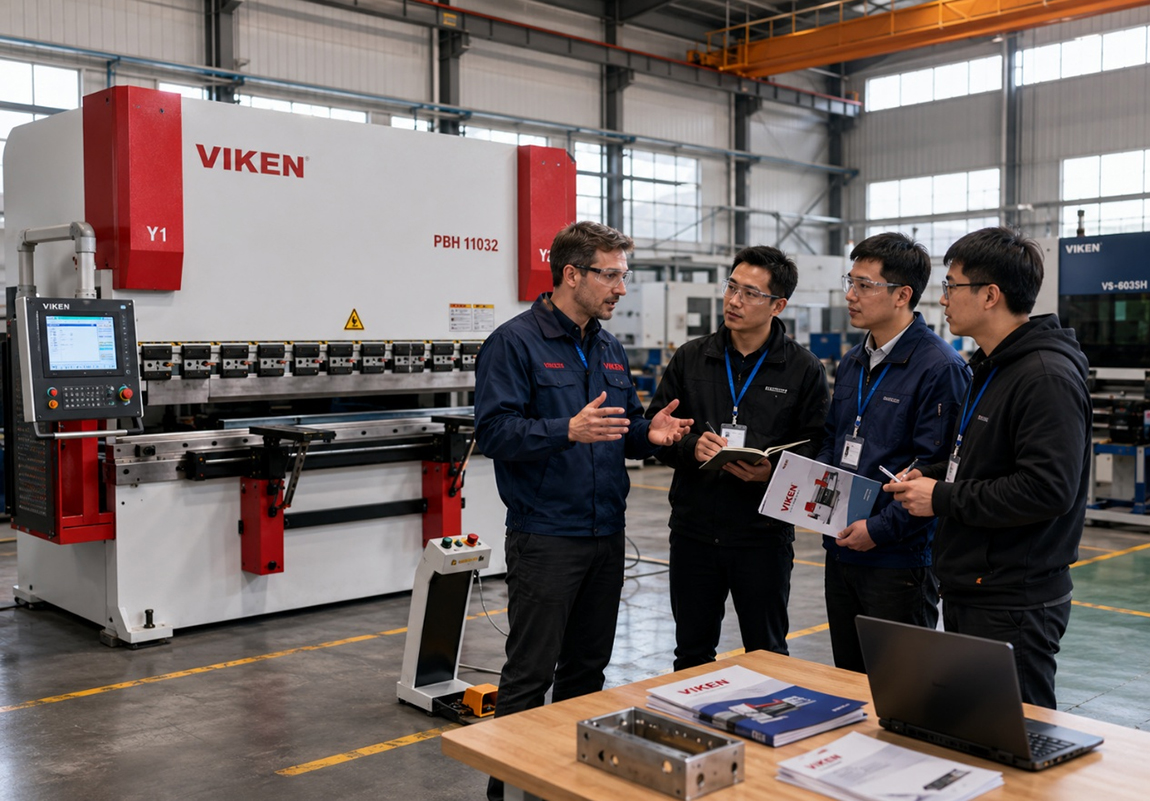
From press brakes and shearing machines to fiber laser cutters, plate rolling machines and hydraulic presses, VIKEN designs equipment around your material, thickness, working length, accuracy and production volume. Our engineers recommend the right machine configuration, controller, tooling and automation options to help you achieve stable quality, higher efficiency and lower operating costs.