 +86 13819274352
Leave Your Message
-
Contact WhatsApp
-
 Contact Phone
-
 Contact Email
Explore our specialized synthetic and micro-cellulose fiber reinforcements optimized for structural steel decks, heavy machinery foundations, and high-impact industrial fabrications.
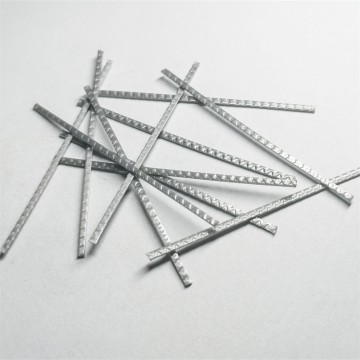
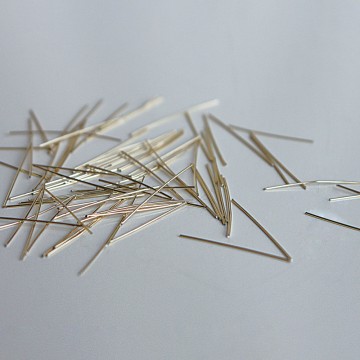
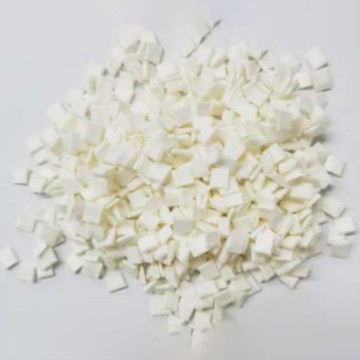
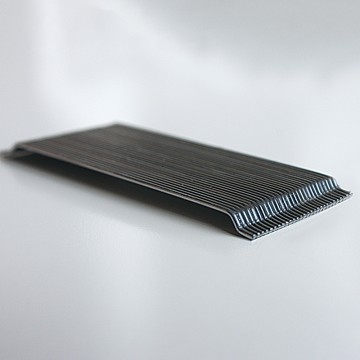
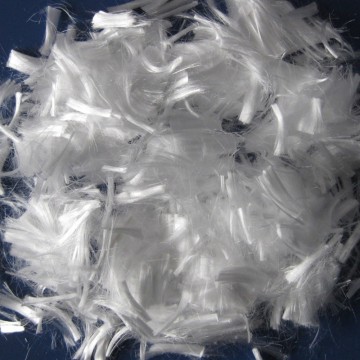
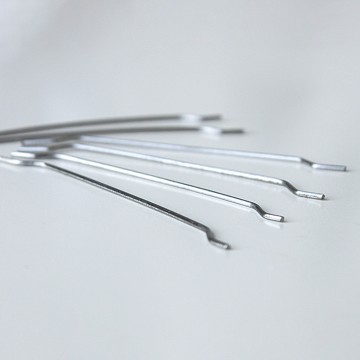
The global heavy construction machinery and structural steel fabrication sectors are undergoing a profound paradigm shift. As mega-infrastructure projects, heavy earthmoving equipment, tower cranes, and high-rise structural frames demand unprecedented structural resilience, conventional materials face strict performance bottlenecks. Cellulose Acetate Fiber (CAF)—a chemically modified bio-based polymer synthesized via the acetylation of natural cellulose—has emerged as a game-changing technical fiber additive. When integrated into composite coatings, intumescent fireproofing, vibration-damping layers, and specialized composite concrete fills for structural steel columns, Cellulose Acetate Fiber provides unmatched mechanical tenacity, chemical resistance, and thermal endurance.
Unlike standard short-chain synthetic fibers, Cellulose Acetate Fiber possesses a highly controlled degree of substitution (DS), endowing it with distinct acetyl functional groups. This unique chemical architecture yields superior interfacial bonding with epoxy resin matrices, polyurethane anti-corrosion primers, and cementitious composite mortars used in heavy machinery fabrication. In heavy construction machinery—such as excavators, hydraulic press frames, crawler cranes, and mining haulers—components endure constant dynamic stress, cyclic fatigue, and aggressive environmental exposure. Incorporating Cellulose Acetate Fiber prevents micro-fracture propagation, enhances energy absorption under mechanical impact, and acts as a barrier against moisture and atmospheric chemical agents.
Delivers exceptional tensile modulus and shear resistance, reducing micro-cracking in high-stress welded joints and heavy plate assemblies.
Absorbs high-frequency acoustic and structural vibrations in heavy construction machinery chassis, extending equipment operational life.
Forms an protective char structure when subjected to high thermal flux, boosting fireproofing efficiency for structural steelwork.
Bio-based cellulosic origin lowers the embodied carbon footprint of industrial steel fabrications, aligning with ESG benchmarks.
In structural steel building construction, passive fire protection is paramount. Steel beams lose structural load capacity at temperatures exceeding 550°C. Cellulose Acetate Fiber acts as a structural thixotrope and mechanical binder within epoxy and acrylic intumescent coatings. When exposed to fire, the fiber decomposes endothermically, releasing non-combustible gases while reinforcing the expanding insulating carbonaceous char. This prevents coating flaking, allowing steel structures to maintain integrity for up to 180 minutes during thermal crises.
Heavy construction equipment, such as hydraulic excavators, track loaders, and vibratory road rollers, generates immense internal harmonic frequencies. When blended into polyurethane dampening pads and undercoating compounds applied directly onto sheet metal structures, modified Cellulose Acetate Fibers dissipate kinetic sound energy into micro-thermal energy. This reduces mechanical fatigue on welded structural seams by up to 34% and improves operator ergonomics.
Modern steel structure fabrication frequently utilizes composite concrete slabs cast over corrugated steel decks. Adding Cellulose Acetate Fiber alongside steel fibers prevents early-age plastic shrinkage cracking and macro-crack expansion. The uniform 3D network formed by cellulose acetate fibers redistributes tensile stresses caused by heavy machinery loads in industrial warehouses, heavy equipment workshops, and mining staging platforms.
Mining hoppers, concrete mixing drums, and dump truck beds experience violent abrasive forces during material handling. Ultra-short Cellulose Acetate Fibers dispersed within resin-bound ceramic wear coatings act as micro-bridges that arrest surface micro-cracks. This reinforcement prevents catastrophic delamination under high-impact loading, dramatically reducing equipment downtime in heavy construction operations.
Offshore steel structures and marine construction machinery are subjected to severe saltwater spray and chloride ion penetration. Cellulose Acetate Fibers treated with hydrophobic silane agents create a tight physical labyrinth inside protective anti-corrosion barrier coatings. This prevents saline migration toward the steel surface, inhibiting oxidation and rust creep across exposed structural welds.
CHNVIKEN is a professional manufacturer specializing in the research, development, production, and export of sheet metal processing equipment. With more than 10 years of industry experience, we have grown from a local machinery supplier into a globally recognized brand serving customers in over 100 countries and regions.
Our product portfolio includes CNC Press Brakes, Hydraulic Shearing Machines, Fiber Laser Cutting Machines, Hydraulic Presses, Punching Machines, Ironworkers, Roll Bending Machines, and complete Duct Production Lines. We are committed to providing efficient, intelligent, and cost-effective solutions for sheet metal fabrication industries worldwide.

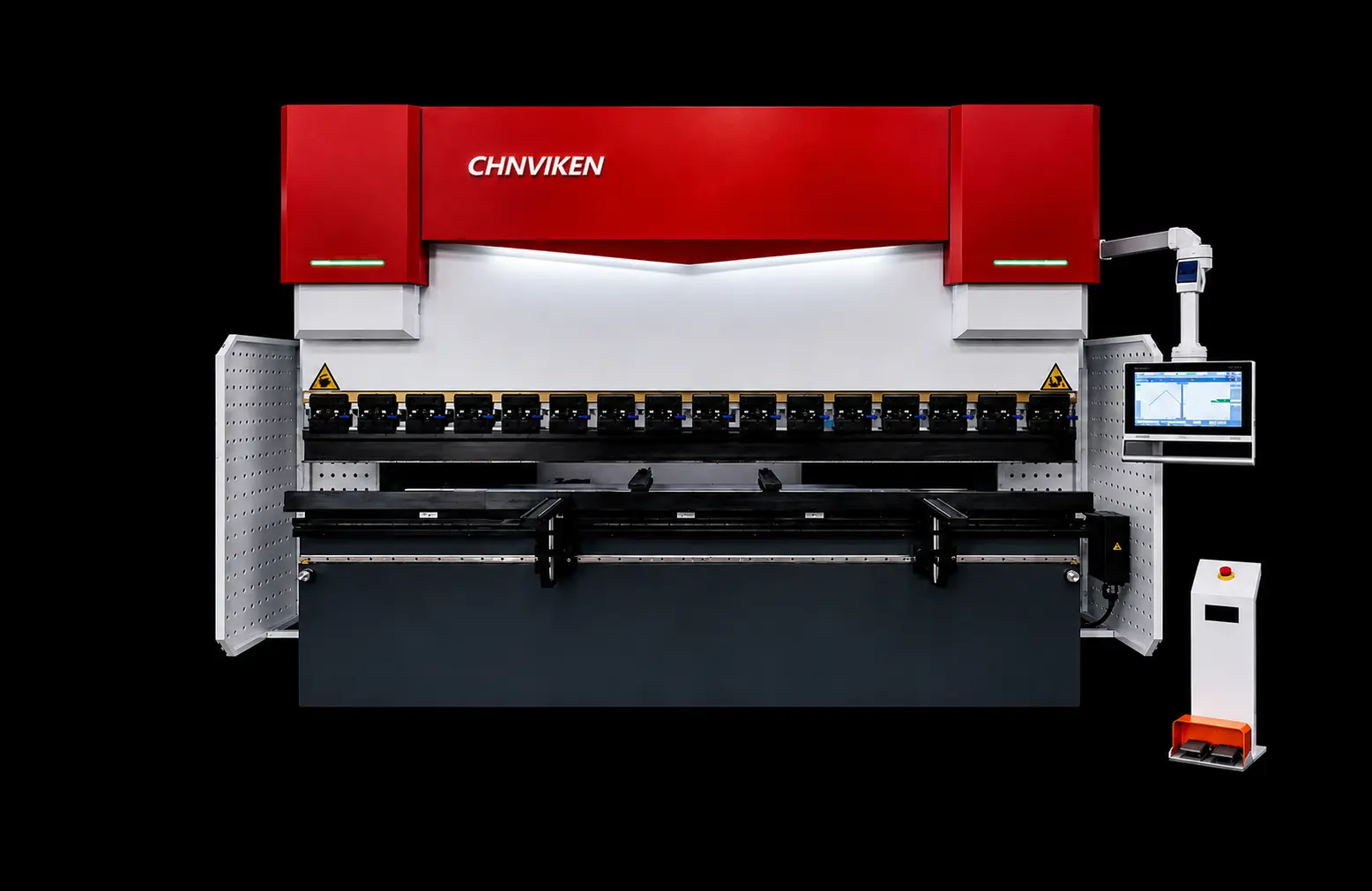
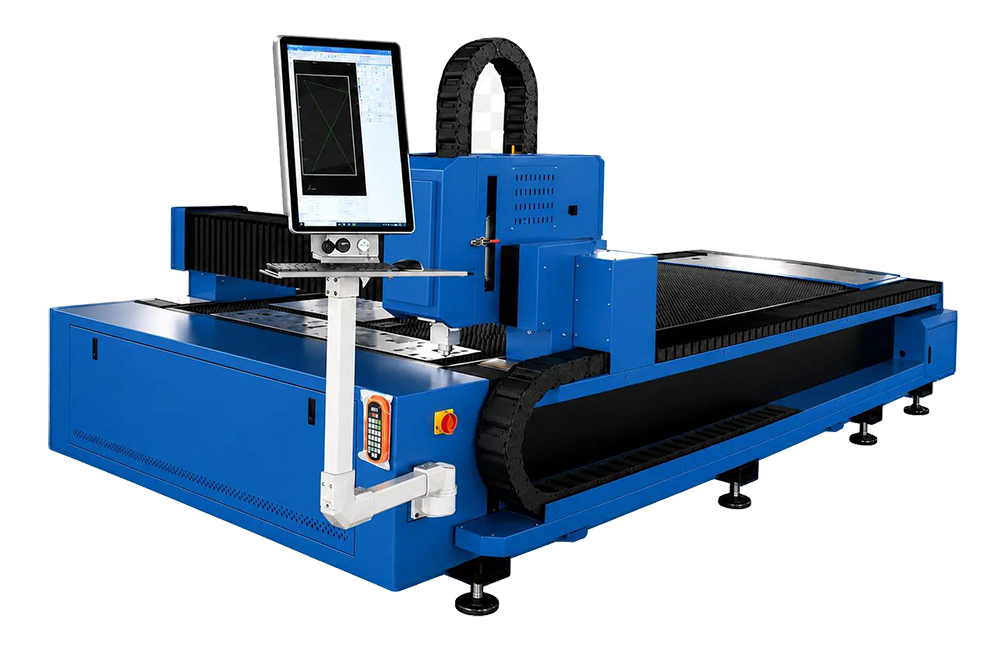
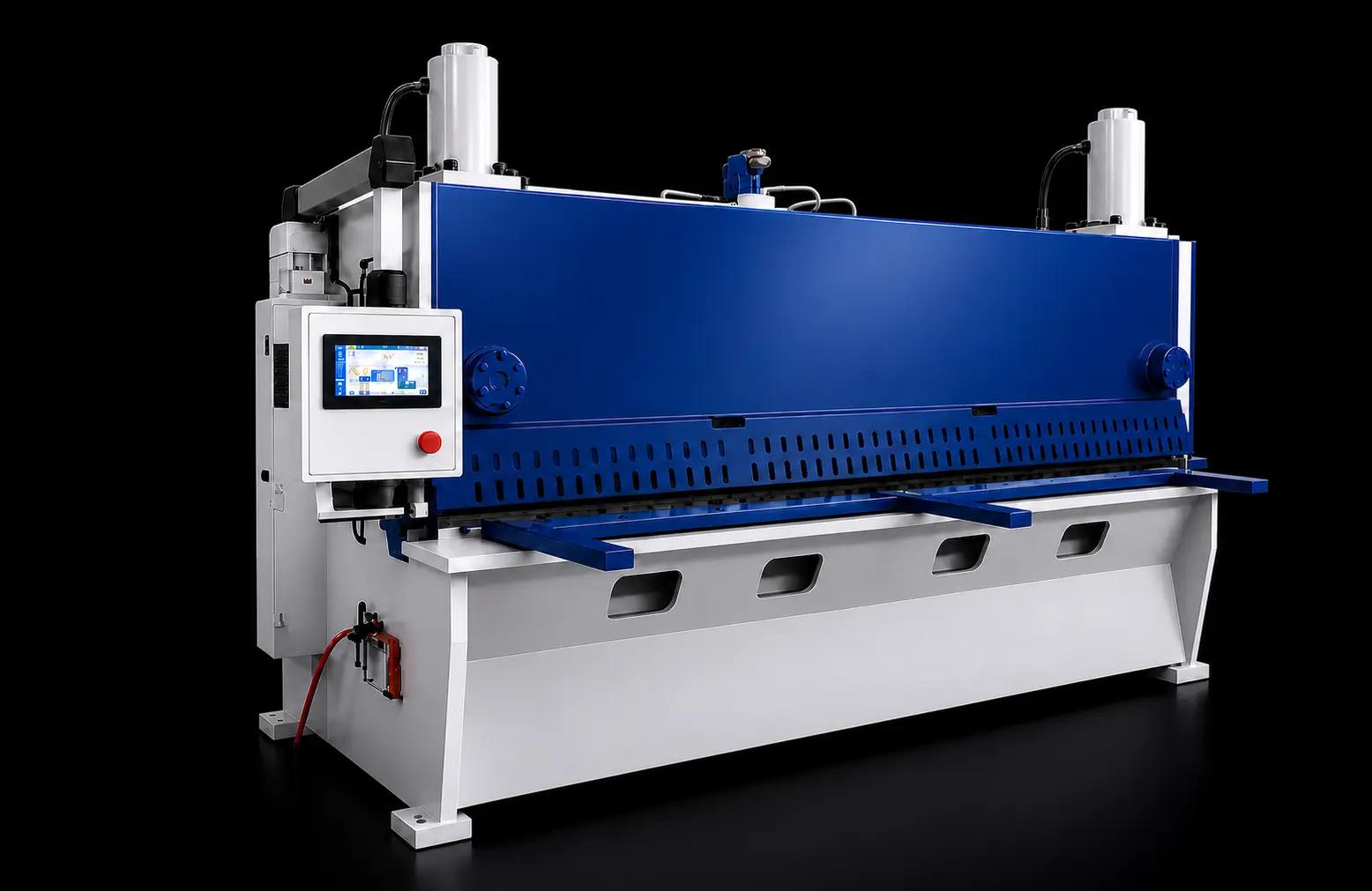
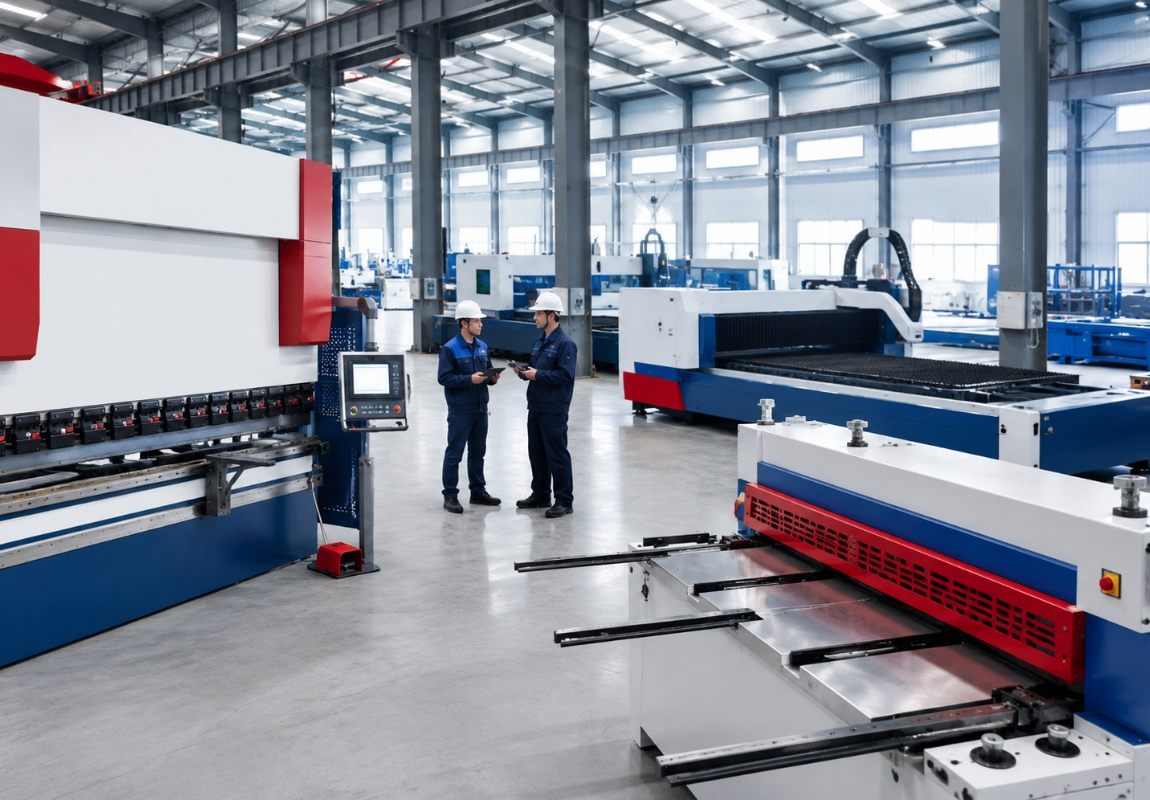
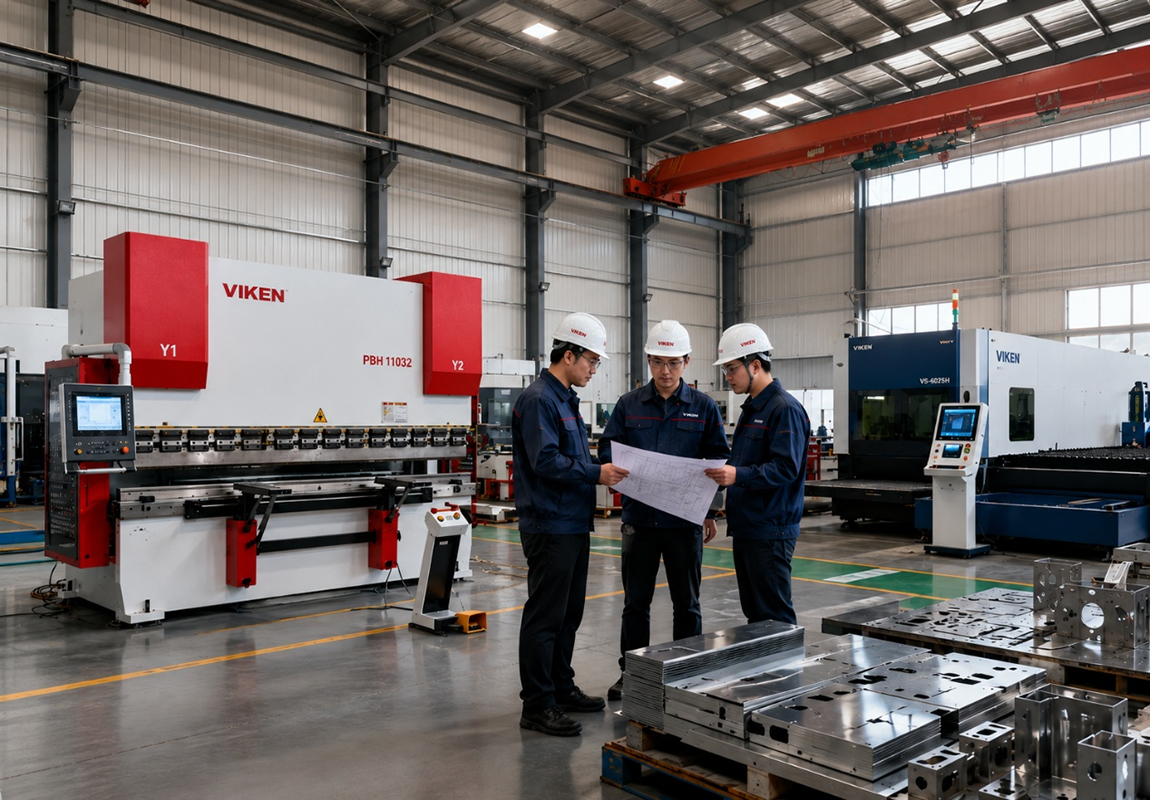
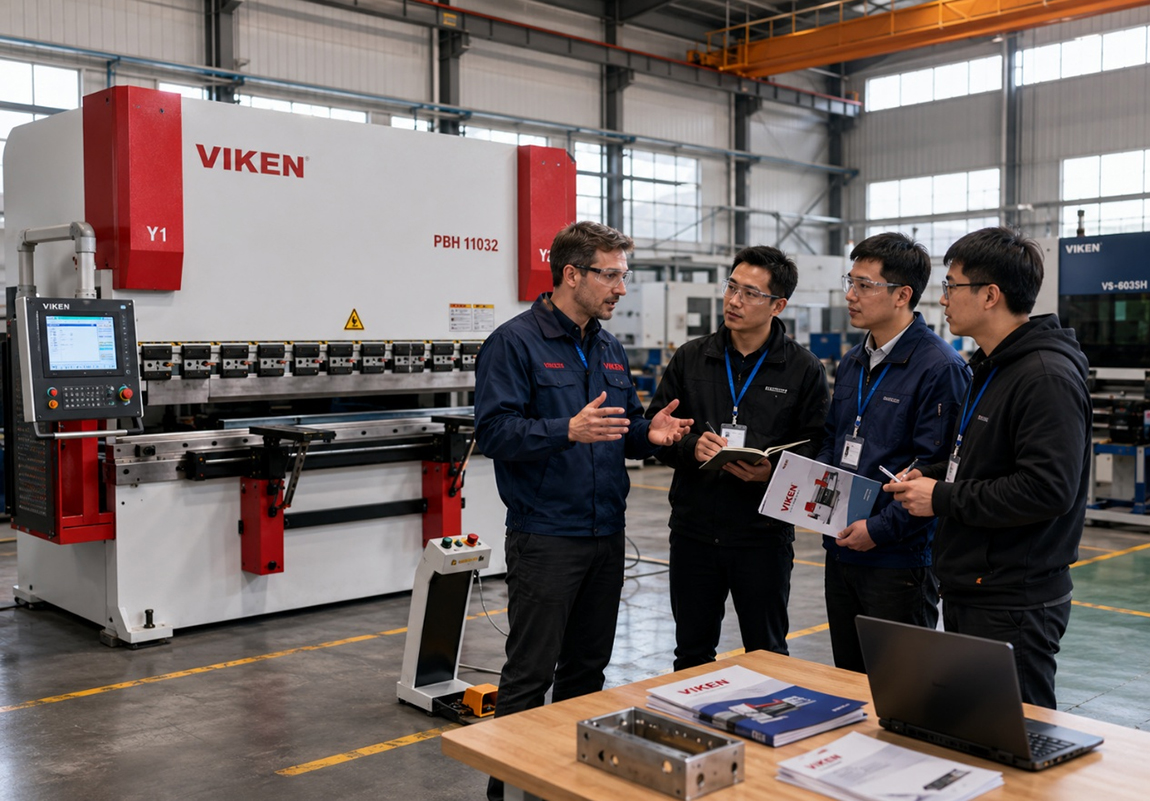
From press brakes and shearing machines to fiber laser cutters, plate rolling machines and hydraulic presses, VIKEN designs equipment around your material, thickness, working length, accuracy and production volume. Our engineers recommend the right machine configuration, controller, tooling and automation options to help you achieve stable quality, higher efficiency and lower operating costs.
Upgrade from stand-alone machines to connected production lines engineered specifically for heavy machinery components and structural steel sub-assemblies.
Comprehensive technical support, rapid spare parts deployment, and life-cycle equipment maintenance for international clients.
Compare how Cellulose Acetate Fiber stacks up against conventional reinforcement materials utilized in structural steel deck composite infills and machinery protective matrices.
| Performance Indicator | Cellulose Acetate Fiber (CAF) | Standard E-Glass Fiber | Polypropylene (PP) Macro Fiber | Steel Hooked Fiber |
|---|---|---|---|---|
| Specific Gravity (g/cm³) | 1.28 – 1.32 | 2.54 | 0.91 | 7.85 |
| Tensile Strength (MPa) | 450 – 780 | 1700 – 2400 | 400 – 600 | 1100 – 2200 |
| Acid & Alkali Resistance | Exceptional (Chemically Modified) | Moderate (Alkali Degrades) | High | Low (Subject to Oxidation) |
| Thermal Stability (°C) | Up to 230°C (Charring behavior) | Softens at >600°C | Melts at ~165°C | High (>1000°C) |
| Coating Adhesion & Dispersion | Superior Hydrophilic Affinity | Poor Dispersion in Epoxies | Hydrophobic / Poor Bonding | Requires Mechanical Anchorage |
| Embodied Carbon & Sustainability | Bio-Based / Ultra-Low CO₂ | High Energy Input | Petrochemical Derived | High Carbon Intensity |
Cellulose Acetate Fiber provides a unique balance of bio-derived sustainability, superior chemical compatibility with industrial coatings, and micro-crack arresting properties. Unlike standard synthetic fibers that soften under moderate frictional heat, CAF retains mechanical stability under tough operational temperatures.
When blended into intumescent fireproofing coatings, CAF forms a robust fiber network within the char barrier. This structural mesh holds the char together during high-heat exposure, preventing delamination and extending steel thermal survival times up to 3 hours.
Yes. When sheet metal is laser cut, bent via CNC press brakes, or sheared, the resulting structural elements are coated or filled with composite layers containing CAF. The fiber improves coating flexural tolerance, preventing paint chipping along bent edges.
Absolutely. Chemically modified cellulose acetate fibers create a dense tortuous path within anti-corrosion primers. This micro-barrier hampers saltwater and oxygen ingress, protecting underlying steel welds from localized pitting and galvanic corrosion.
For composite steel decking and heavy equipment concrete foundations, a dosage between 0.9 kg/m³ to 2.5 kg/m³ of Cellulose Acetate Fiber is typically recommended to optimize early-age crack resistance and structural toughness.
CHNVIKEN's high-precision CNC Press Brakes, Fiber Laser Cutters, and Hydraulic Shearing Machines allow structural steel fabricators to produce sub-millimeter accurate steel frames, plates, and enclosures designed to work seamlessly with advanced fiber-reinforced coatings and composite fills.
Comprehensive reinforcement fibers tailored for concrete, structural steel, and heavy construction equipment fabrications.