+86 13819274352
Leave Your Message
-
Contact WhatsApp
-
 Contact Phone
-
 Contact Email
High-performance fibers used in manufacturing composite backings, structural elements, and heavy-duty foundations for electrical enclosure projects.
Advanced cellulose pressboard and vulcanized fiber sheets provide critical dielectric strength and thermal barrier properties within bent sheet metal frames.
High-density fiber backings absorb vibrations and reinforce cabinet doors, ensuring dust-proof, moisture-proof, and NEMA-compliant cabinet sealing.
Optimized sheet metal bending processes ensure seamless integration of insulation slots, mounting brackets, and composite panels without micro-cracking.
In modern industrial engineering, the design and manufacturing of electrical enclosures and switchgear cabinets have evolved far beyond basic metal fabrication. Today’s high-voltage panels, outdoor telecommunication racks, and smart grid distribution boxes require a sophisticated blend of mechanical strength, thermal management, environmental sealing, and electrical insulation. This demand has catalyzed a unique technological convergence: the integration of advanced cellulose and synthetic fiber materials with precision sheet metal bending processes.
Sheet metal bending forms the physical skeleton of any electrical enclosure. Using CNC press brakes, raw metal sheets (often mild steel, stainless steel, or aluminum) are transformed into complex, multi-folded cabinet structures. However, to make these metal structures safe, functional, and durable, they must be paired with high-performance non-metallic materials. Cellulose fibers, vulcanized fibers, and fiber-reinforced concrete bases play a critical role in providing electrical insulation, structural dampening, and environmental resilience to the final assembled cabinets.
The global market for electrical enclosures is experiencing unprecedented growth, driven by the rapid expansion of renewable energy systems (such as solar inverters and wind turbine control panels), electric vehicle (EV) charging infrastructure, and data centers. According to recent industrial market analyses, the demand for smart, highly insulated, and weather-resistant outdoor cabinets is growing at a compound annual growth rate (CAGR) of over 6.5%.
Traditionally, manufacturers relied heavily on plastic or composite enclosures for small-scale applications and pure sheet metal for large-scale industrial distribution boards. However, pure metal enclosures present significant challenges regarding electrical conductivity, thermal transfer, and weight. Conversely, pure plastic enclosures lack the structural integrity and electromagnetic shielding (EMI) required for heavy-duty industrial environments.
The current industrial standard has shifted toward hybrid construction. By utilizing CNC sheet metal bending to create a robust, EMI-shielded outer shell, and lining the interior with cellulose-based insulation panels, vulcanized fiber barriers, and synthetic fiber gaskets, manufacturers achieve the optimal balance of strength, safety, and thermal efficiency. This hybrid approach has become the commercial benchmark for premium switchgear cabinets, control consoles, and outdoor telecom enclosures.
Within high-voltage electrical enclosures, preventing electrical arcing between phases and the metal chassis is paramount. Cellulose-based insulation pressboards (often referred to as transformer boards) are widely used due to their exceptional dielectric strength and mechanical stability. During the sheet metal bending process, specific slots, tabs, and mounting channels are designed into the cabinet walls. Once the metal bending is complete, pre-cut cellulose fiber sheets are slid into these channels to act as physical barriers. These fibers are highly compatible with transformer oils and can withstand high operating temperatures without degrading, making them indispensable in power distribution cabinets.
Outdoor cabinets housing sensitive telecommunication equipment or solar inverters are subject to extreme temperature fluctuations. This environment creates a high risk of internal condensation, which can lead to short circuits and corrosion. Natural cellulose fiber insulation panels, integrated directly into the double-walled sheet metal structure, act as a thermal buffer. The fiber structure absorbs micro-amounts of ambient moisture during high-humidity cycles and releases it safely when the temperature rises, maintaining a stable internal micro-climate. The precision bending of the double-walled sheet metal must account for the exact thickness of these fiber panels to ensure a tight, rattle-free fit.
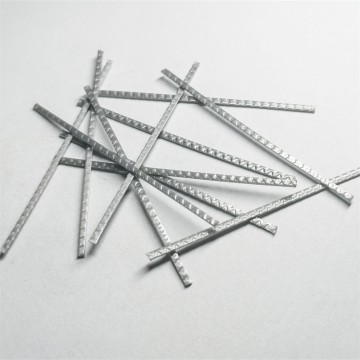
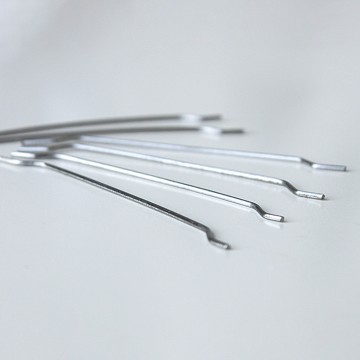
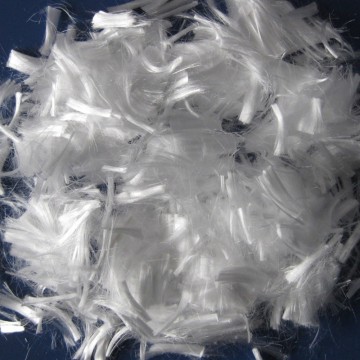
For massive industrial control cabinets housing heavy transformers and motor drives, structural stability is a major challenge. These cabinets are often mounted on concrete foundations reinforced with steel and synthetic fibers. Products like Glued Bundled Concrete Steel Fiber and PP Macro Synthetic Fiber are mixed into the concrete bases of these cabinet installations to prevent cracking under dynamic loads and vibrations. Furthermore, inside the cabinet, high-density fiberboards are placed under heavy components to isolate mechanical vibrations, protecting sensitive microprocessors and relays from fatigue failure caused by constant motor hum.
In circuit breakers and switch cabinets, the generation of electrical arcs during switching operations is inevitable. Arc chutes, which cool and extinguish these arcs, are frequently made from vulcanized fiber (a heavily gelatinized cellulose fiber material). Vulcanized fiber possesses a unique property: when exposed to the high temperature of an electric arc, it releases a small amount of gas that helps extinguish the arc quickly. The sheet metal enclosure surrounding these switch mechanisms must be bent with extreme precision to house these fiber chutes securely, ensuring that hot gases are directed away from critical components.
As industries push toward carbon neutrality and smarter manufacturing, several key trends are shaping the future of cellulose and fiber applications in sheet metal cabinet fabrication:
To successfully integrate advanced fibers and cellulose panels into electrical cabinets, the sheet metal fabrication process must be flawless. Any deviation in bending angles, slot dimensions, or cutting tolerances can lead to poor insulation fit, compromising the safety of the entire system. This is where high-performance machinery, such as CNC press brakes and fiber laser cutting machines, becomes indispensable.
Precision bending ensures that the tolerances required for sliding in cellulose insulation boards are met consistently. Advanced press brakes utilize angle-measuring systems to compensate for material springback, ensuring that every bend is perfect. Similarly, fiber laser cutters provide clean, burr-free cuts on the metal sheets, preventing sharp edges from puncturing or damaging the delicate insulating fibers during assembly.







Get in touch with CHNVIKEN's engineering team today to find the perfect CNC Press Brake or Fiber Laser Cutting configuration for your enclosure project.
Contact Our SpecialistsExplore our full suite of technical fibers designed for concrete base reinforcement, electrical insulation composites, and high-performance industrial applications.