+86 13819274352
Leave Your Message
-
Contact WhatsApp
-
 Contact Phone
-
 Contact Email
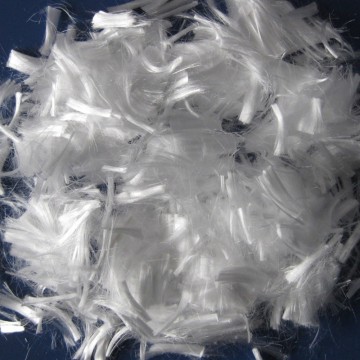
The global heating, ventilation, and air conditioning (HVAC) industry is undergoing a profound transformation. Driven by stringent environmental regulations, rising energy costs, and an unprecedented focus on Indoor Air Quality (IAQ), engineers and architects are looking beyond traditional sheet metal and fiberglass insulation. The integration of cellulose-based fiber in HVAC duct and ventilation system fabrication has emerged as a game-changing innovation. This natural, renewable resource offers a unique combination of thermal resistance, acoustic dampening, and mechanical durability, making it an ideal candidate for next-generation green building infrastructure.
Historically, galvanized sheet steel has been the standard for commercial and residential ductwork. While metal ducts provide structural integrity, they suffer from high thermal conductivity, necessitating heavy external insulation wraps, and are prone to transmitting mechanical noise throughout a building. Fiberglass linings, while effective for acoustics, present concerns regarding fiber shedding and moisture retention, which can harbor mold and bacteria. Cellulose-based fiber composites address these challenges by providing a structural, self-insulating, and bio-friendly alternative that aligns with the principles of circular economy and sustainable architecture.
Derived from renewable plant-based sources, cellulose fibers drastically reduce the embodied carbon of HVAC systems compared to traditional metals.
The complex, porous micro-structure of cellulose fiber naturally dampens fan noise and air turbulence, creating quieter indoor environments.
Engineered with eco-friendly flame retardants, modern cellulose composites meet strict building codes and smoke development standards.
In the commercial construction sector, developers are actively seeking materials that contribute to LEED (Leadership in Energy and Environmental Design) and BREEAM certifications. Cellulose-based fiber, often sourced from post-consumer recycled paper or agricultural byproducts, offers a massive advantage in the "Materials and Resources" category. Furthermore, the lightweight nature of cellulose composite ducts reduces the structural load of the building and simplifies the installation process, leading to significant labor cost savings.
From an industrial perspective, the fabrication of these systems requires advanced machinery that can handle composite matrices. Sheet metal processing equipment, such as CNC press brakes and laser cutters, are now being adapted or paired with specialized composite forming tools to produce hybrid duct systems. These hybrid systems feature a durable metallic outer shell for physical protection and a thick, high-density cellulose fiber core for thermal and acoustic insulation. This hybrid approach ensures that the ventilation network remains robust while achieving peak thermal efficiency.
The global market for sustainable ducting is projected to grow rapidly over the next decade. As governments implement stricter net-zero energy building codes, the demand for pre-insulated, low-leakage ductwork will skyrocket. Cellulose fiber composites, with their low thermal conductivity (K-value) and inherent airtightness when sealed, are perfectly positioned to capture a major share of this expanding market.
1. Commercial Office Buildings and Schools: In environments where concentration and communication are key, acoustic comfort is critical. Cellulose-insulated ducts absorb low-to-mid frequency noises generated by HVAC compressors and dampers, eliminating the need for expensive silencers. Additionally, their natural moisture-regulating properties help maintain stable indoor humidity levels, preventing the dry air often associated with standard HVAC systems.
2. Cleanroom and Laboratory Environments: High-precision air distribution is vital in pharmaceutical and semiconductor manufacturing. Unlike traditional fiberglass, which can shed microscopic particles into the airstream, modern cellulose fiber composites are bound with advanced polymers that prevent fiber migration. This ensures a clean, particle-free airflow that meets ISO cleanroom standards.
3. High-Humidity Industrial Facilities: Standard metal ductwork is highly susceptible to condensation and subsequent corrosion in humid environments, such as food processing plants or indoor pools. Alkali-resistant and moisture-treated cellulose fibers do not corrode, and when treated with non-toxic biocide additives, they actively resist the growth of mold and mildew, extending the lifespan of the ventilation system.

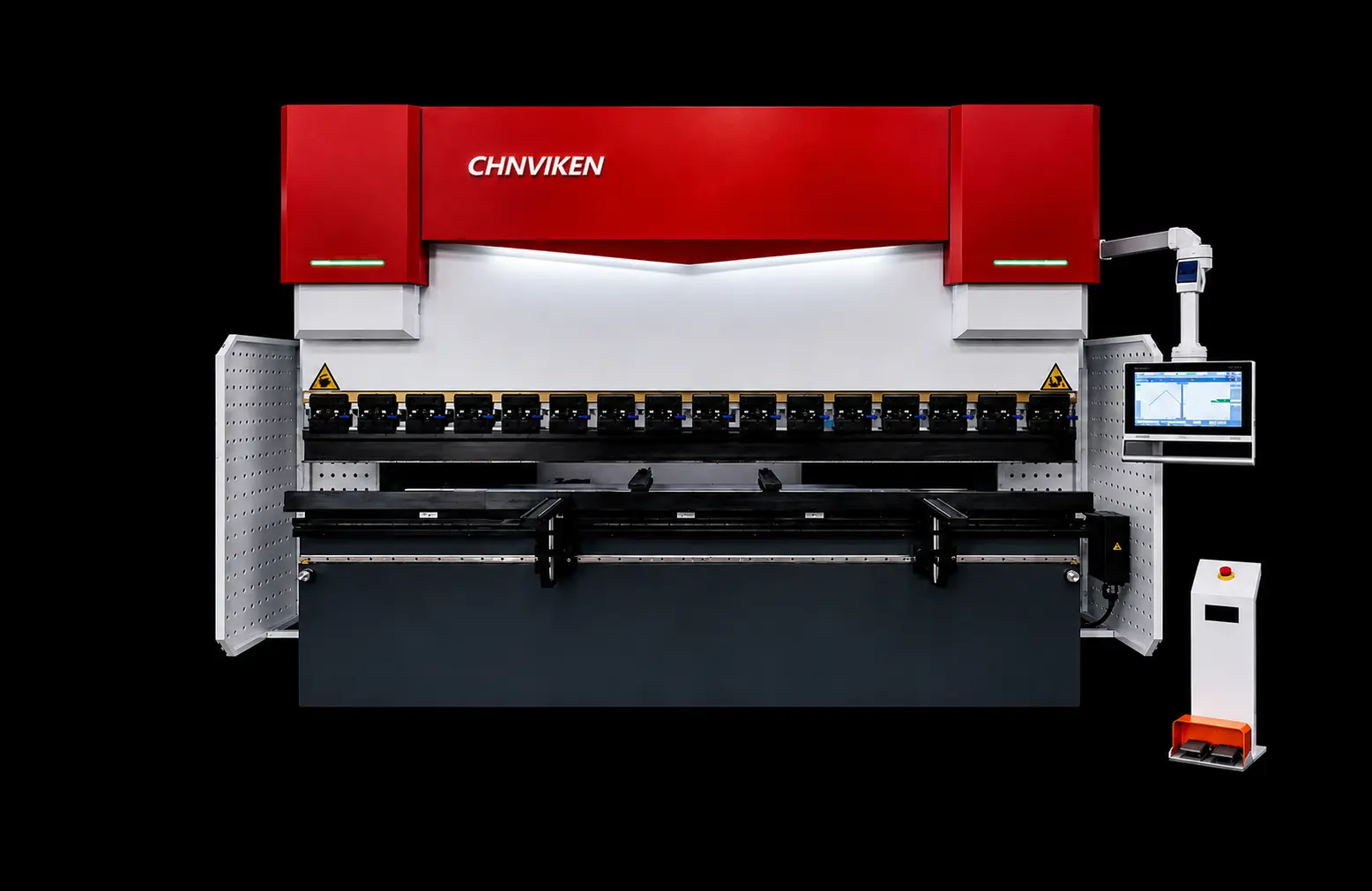
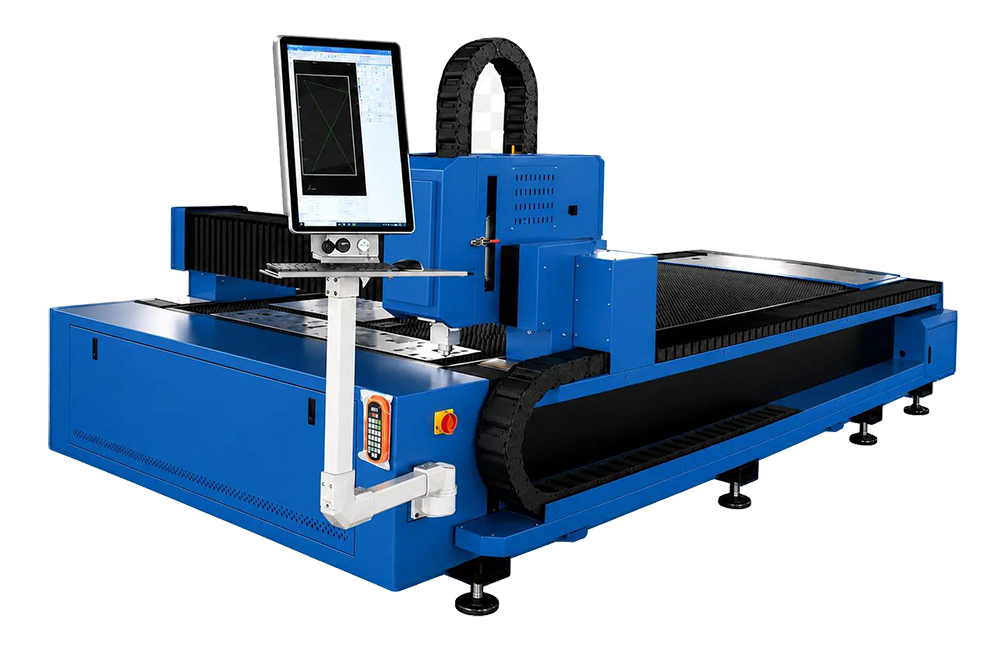
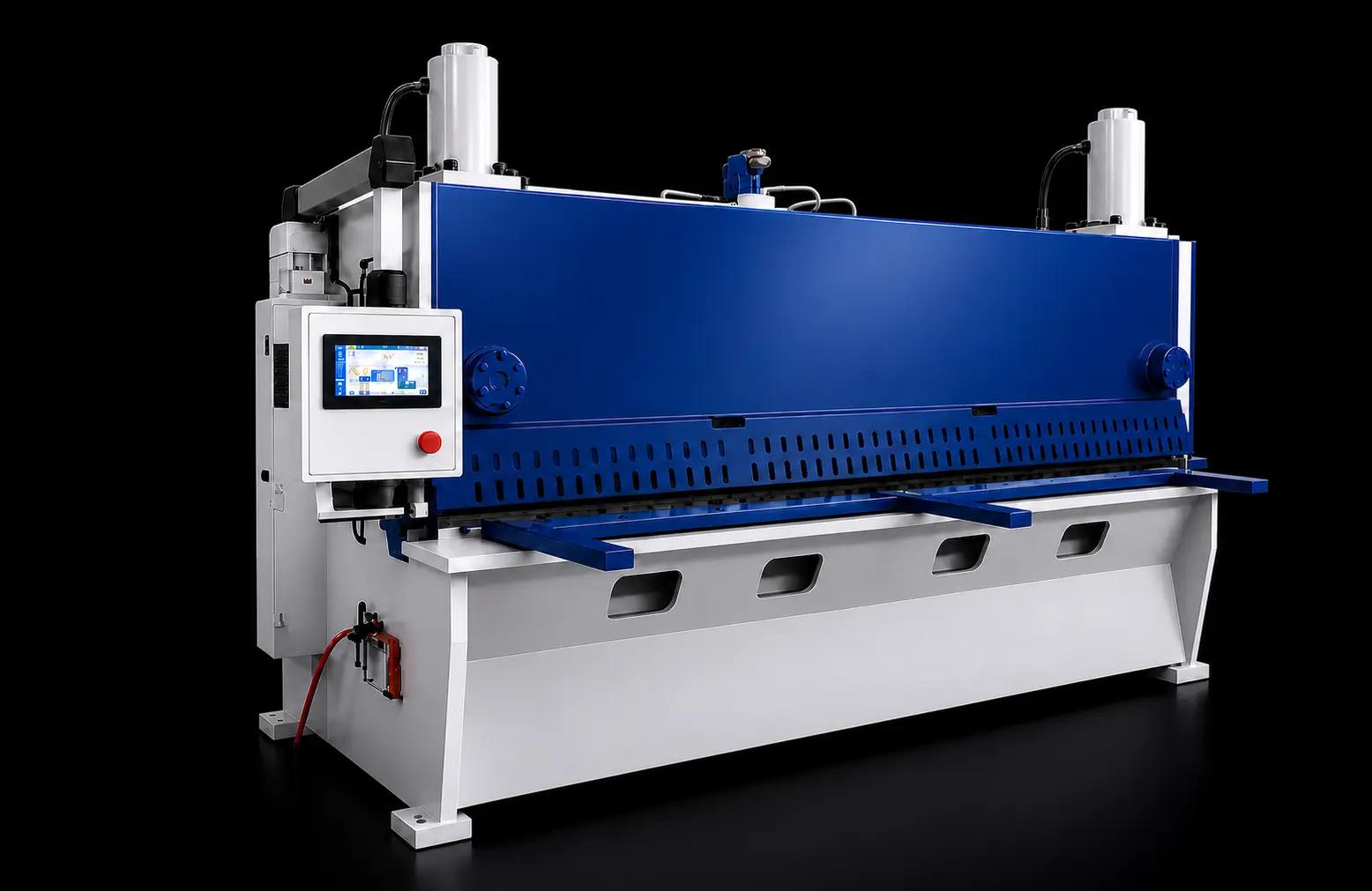
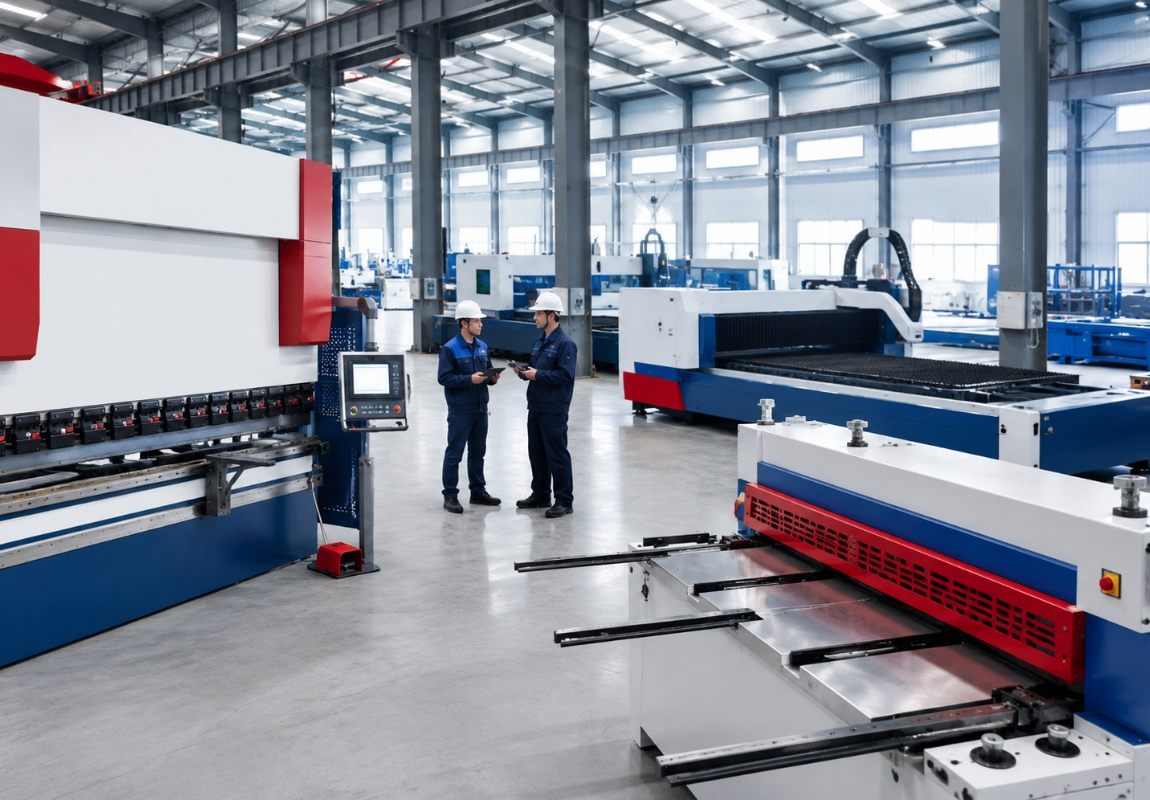
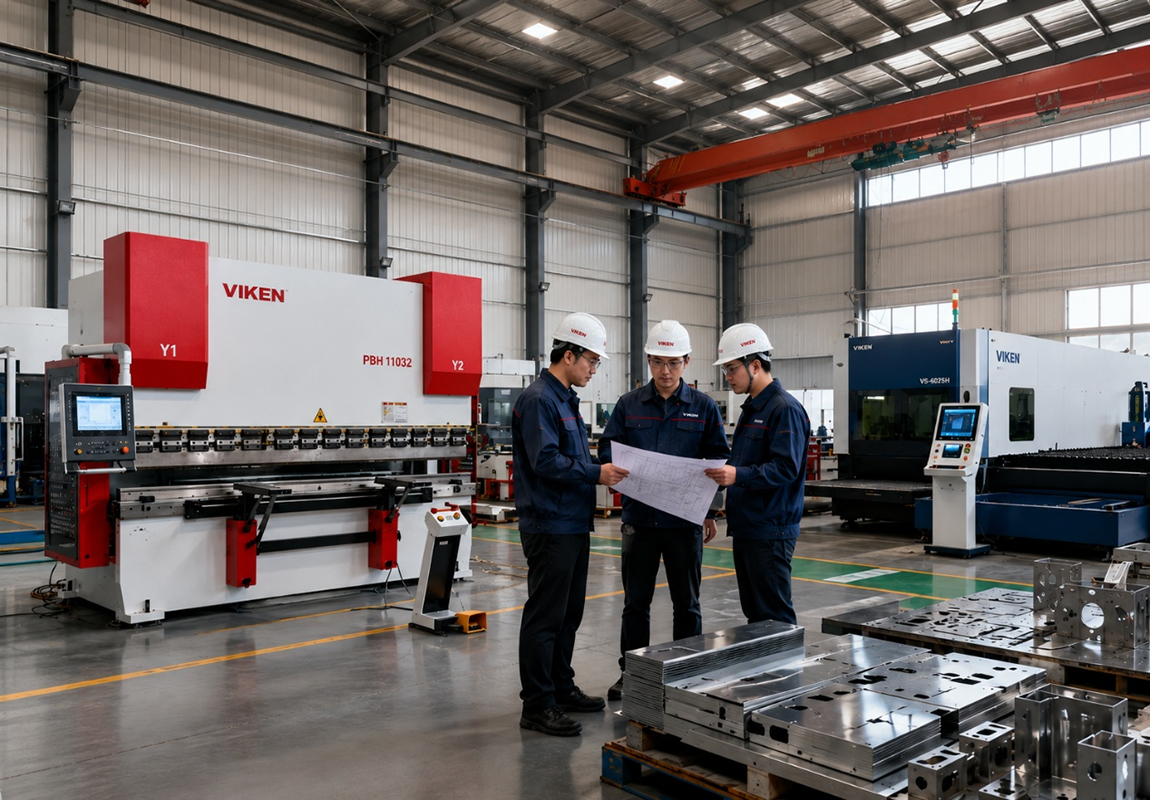
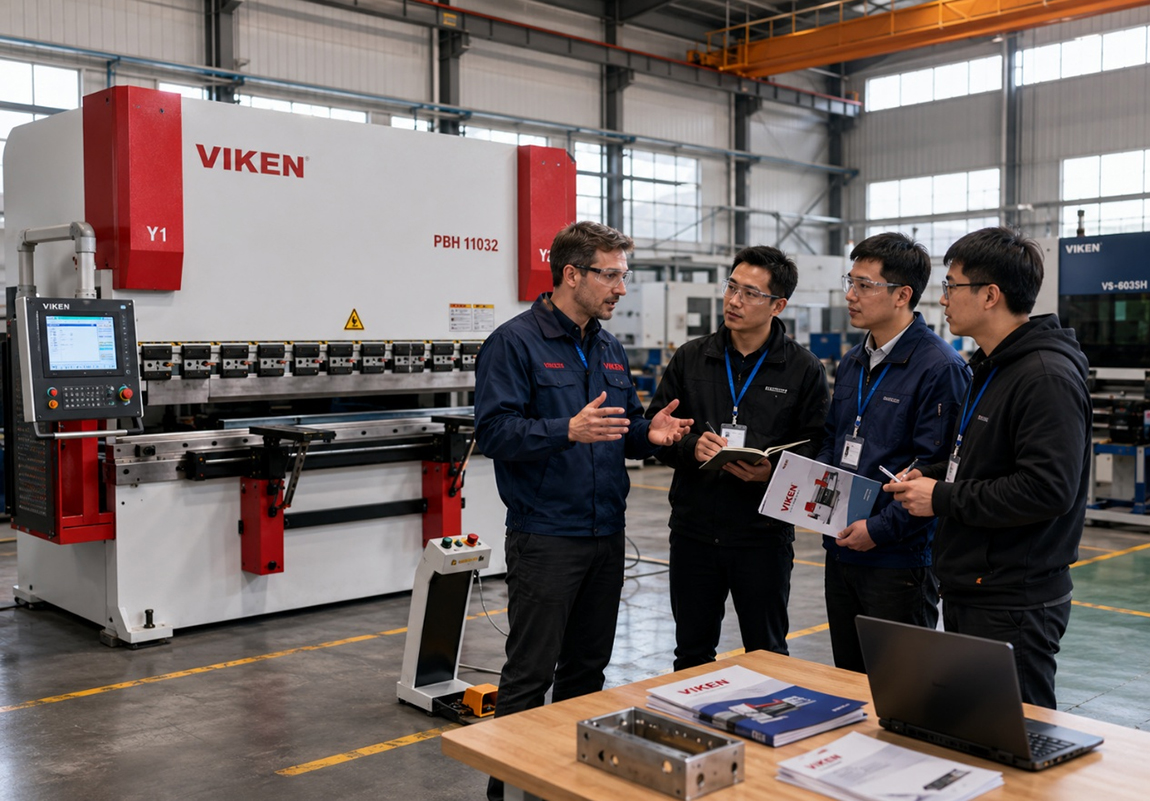
From press brakes and shearing machines to fiber laser cutters, plate rolling machines and hydraulic presses, VIKEN designs equipment around your material, thickness, working length, accuracy and production volume. Our engineers recommend the right machine configuration, controller, tooling and automation options to help you achieve stable quality, higher efficiency and lower operating costs.
Seamlessly integrate your duct fabrication processes. Our connected production lines communicate via advanced IoT protocols, minimizing downtime and optimizing material yield for composite and metallic duct fabrication alike.
Enjoy peace of mind with our global service network. We provide remote diagnostics, on-site calibration, and rapid spare parts delivery to keep your HVAC production lines running smoothly 24/7.
The future of HVAC duct fabrication lies in the convergence of material science and digital technology. As building management systems (BMS) become smarter, the ducts themselves are evolving. Researchers are currently exploring the integration of conductive carbon fibers into cellulose composite matrices. This would allow the duct walls to act as distributed sensors, monitoring temperature, humidity, and structural integrity in real-time.
On the manufacturing side, Artificial Intelligence is playing a pivotal role. AI-driven nesting algorithms optimize the cutting of cellulose fiber sheets on CNC laser systems, minimizing waste. Predictive maintenance systems on CNC press brakes analyze bending resistance to automatically adjust parameters for slight variations in fiber density, ensuring perfect dimensional accuracy for every duct segment.
As the industry marches towards net-zero carbon goals, the synergy between sustainable materials like cellulose fibers and intelligent production technologies from manufacturers like CHNVIKEN will define the next generation of global building infrastructure.