Leave Your Message

Cellulose Based Fiber For New Energy Storage Enclosure High Precision Manufacturing

Pioneering Sustainable Material Integration & High-Precision Processing Technologies for Next-Generation ESS Infrastructure

Introduction: The Rise of Cellulose-Based Fiber in Clean Energy Systems

The global transition toward renewable energy sources has catalyzed an unprecedented demand for battery energy storage systems (BESS) and other large-scale energy storage configurations. To ensure the safety, efficiency, and longevity of these systems, the structural components—specifically the enclosures—must meet rigorous engineering standards. Historically, heavy metals and synthetic composites dominated this space. However, the emergence of cellulose-based fiber has revolutionized the manufacturing landscape, offering a sustainable, lightweight, and high-performance alternative for high-precision energy storage enclosures.
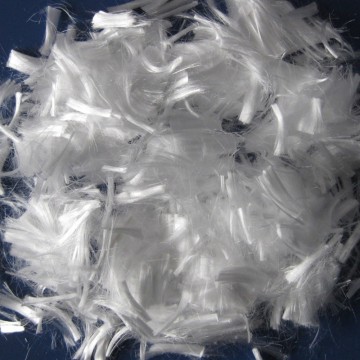
Cellulose-based fibers, derived from natural plant sources or synthesized microcrystalline networks, are characterized by their high tensile strength, exceptional thermal stability, and low environmental footprint. When integrated into high-precision manufacturing processes, these fibers act as critical reinforcing agents. They mitigate micro-cracking, enhance dimensional stability under extreme thermal cycling, and significantly reduce the overall carbon footprint of the enclosure. This alignment of green materials and advanced manufacturing is defining the next era of clean energy infrastructure.

Industrial Trend Note: The integration of cellulose-based fibers in structural composites is projected to grow exponentially, driven by global decarbonization mandates and the technical necessity for lightweight, non-conductive, and fire-resistant materials in utility-scale battery enclosures.

Commercial and Industrial Status of Cellulose-Based Composites

Industrially, the adoption of cellulose-based fibers has evolved from simple filler applications to highly engineered, structural-grade composite systems. Leading automotive and energy storage manufacturers are actively collaborating with chemical and material research institutes to standardize cellulose-reinforced polymers. These materials are replacing traditional glass fibers, which are notoriously difficult to recycle and energy-intensive to produce.
In the commercial sector, the demand is driven by the rapid expansion of lithium-ion, solid-state, and flow battery installations. Enclosures made with cellulose-fiber reinforcements offer superior vibration damping—a critical factor for mobile energy storage and electric vehicle (EV) battery packs. Furthermore, the inherent non-conductive nature of cellulose provides an extra layer of electrical insulation, reducing the risk of thermal runaway propagation inside densely packed battery modules.

Precision Manufacturing Equipment Partner: CHNVIKEN

CHNVIKEN is a professional manufacturer specializing in the research, development, production, and export of sheet metal processing equipment. With more than 10 years of industry experience, we have grown from a local machinery supplier into a globally recognized brand serving customers in over 100 countries and regions.
Our product portfolio includes CNC Press Brakes, Hydraulic Shearing Machines, Fiber Laser Cutting Machines, Hydraulic Presses, Punching Machines, Ironworkers, Roll Bending Machines, and complete Duct Production Lines. We are committed to providing efficient, intelligent, and cost-effective solutions for sheet metal fabrication industries worldwide.
14 +
More than 14 years experience
100 +
Countries & Regions Served
3200
Client Partners
Learn More py-about-arrow1

Deep-Dive Application Scenarios in New Energy Storage Enclosures

1. Thermal Management and Fire Mitigation Barriers

One of the most critical challenges in new energy storage design is thermal management. Cellulose-based fibers, when treated with eco-friendly flame retardants, exhibit outstanding thermal insulation properties. They can be manufactured into high-precision barrier sheets placed between battery cells or lining the inner walls of the enclosure. In the event of a localized cell failure, these cellulose-composite barriers restrict heat transfer to adjacent cells, preventing a catastrophic chain reaction (thermal runaway).

2. Structural Reinforcement for Outdoor Utility-Scale Enclosures

Utility-scale energy storage containers are frequently deployed in harsh outdoor environments, exposing them to extreme solar radiation, rain, wind, and seismic activities. Traditional concrete or pure steel structures are heavy and prone to environmental degradation. Incorporating alkali-resistant cellulose fibers into composite structural panels enhances their flexural strength and prevents micro-cracking caused by thermal expansion and contraction. This ensures the structural integrity of the enclosure for its planned 20-to-25-year operational lifespan.
⚡
40%
Weight Reduction compared to traditional steel enclosures, enabling easier transport and installation.
🔥
Class A
Fire retardancy rating achieved when cellulose fibers are integrated with advanced bio-resins.
🌱
85%
Lower carbon footprint compared to synthetic glass fiber reinforcements.

3. Precision Molding of Intricate Components

Modern battery enclosures feature complex internal geometries to accommodate wiring harnesses, cooling channels, and electronic control units. High-precision manufacturing techniques, such as compression molding and automated fiber placement (AFP), utilize cellulose-based fiber compounds to produce parts with extremely tight tolerances. The low shrinkage rate of cellulose composites during curing ensures that the molded components align perfectly with CNC-machined metal frames, preventing gaps that could compromise the enclosure's ingress protection (IP) rating.

Fabrication Machinery for Advanced Enclosure Manufacturing

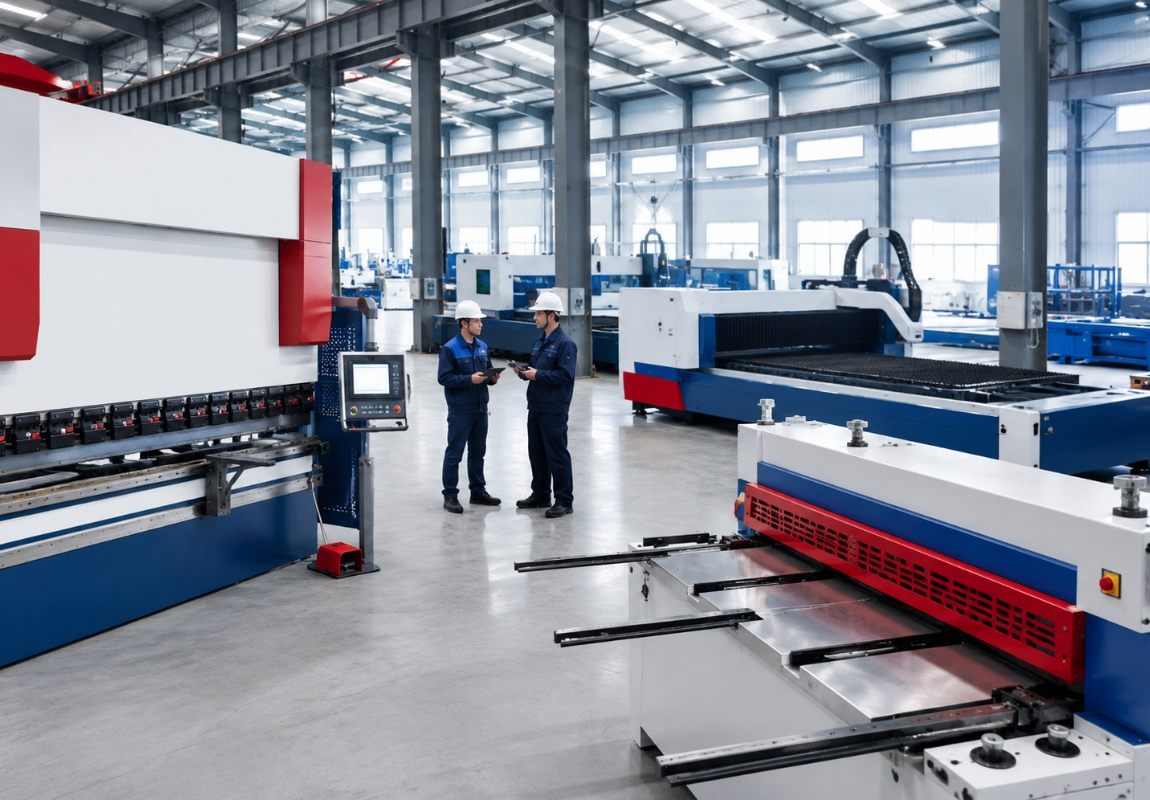
High-precision manufacturing of energy storage enclosures requires a seamless integration of advanced composite materials and state-of-the-art metalworking machinery. The hybrid metal-composite structural frames are cut, bent, and assembled using specialized industrial equipment to ensure absolute dimensional accuracy.
Press Brake
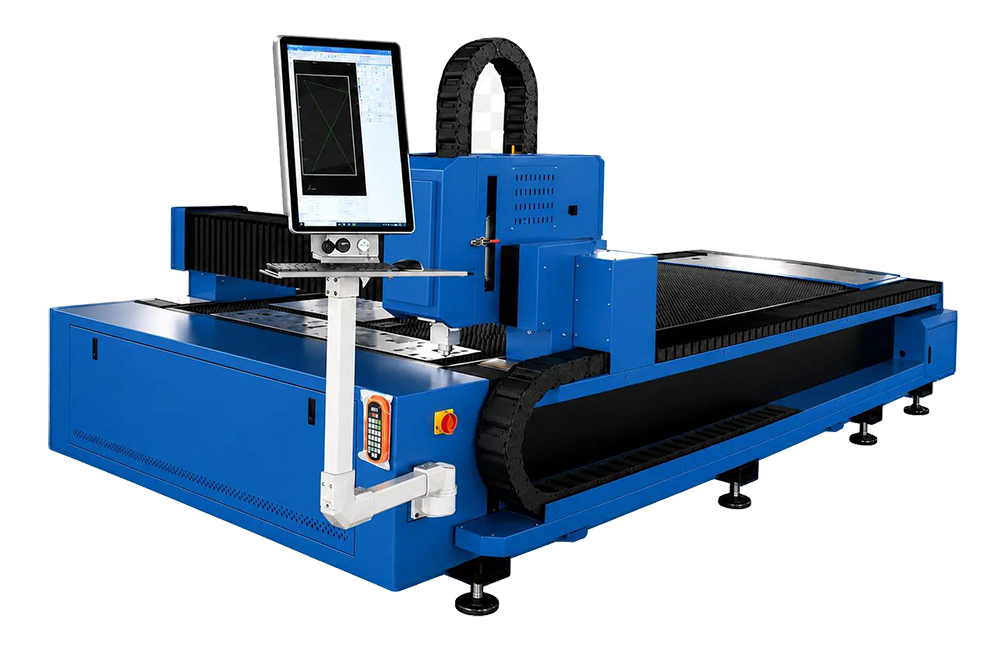
Laser Cutting Machine
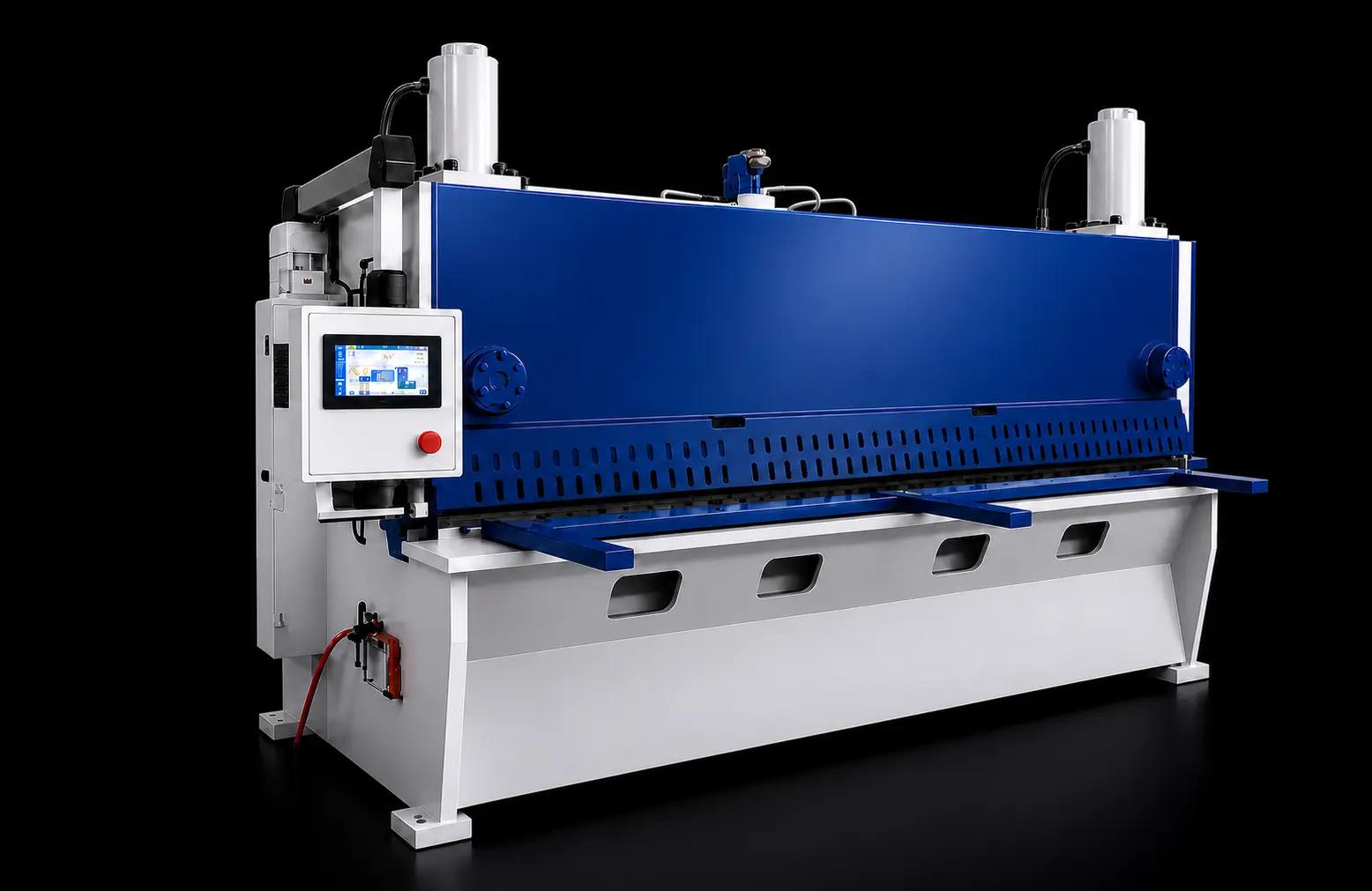
Shearing Machine
pressbrake
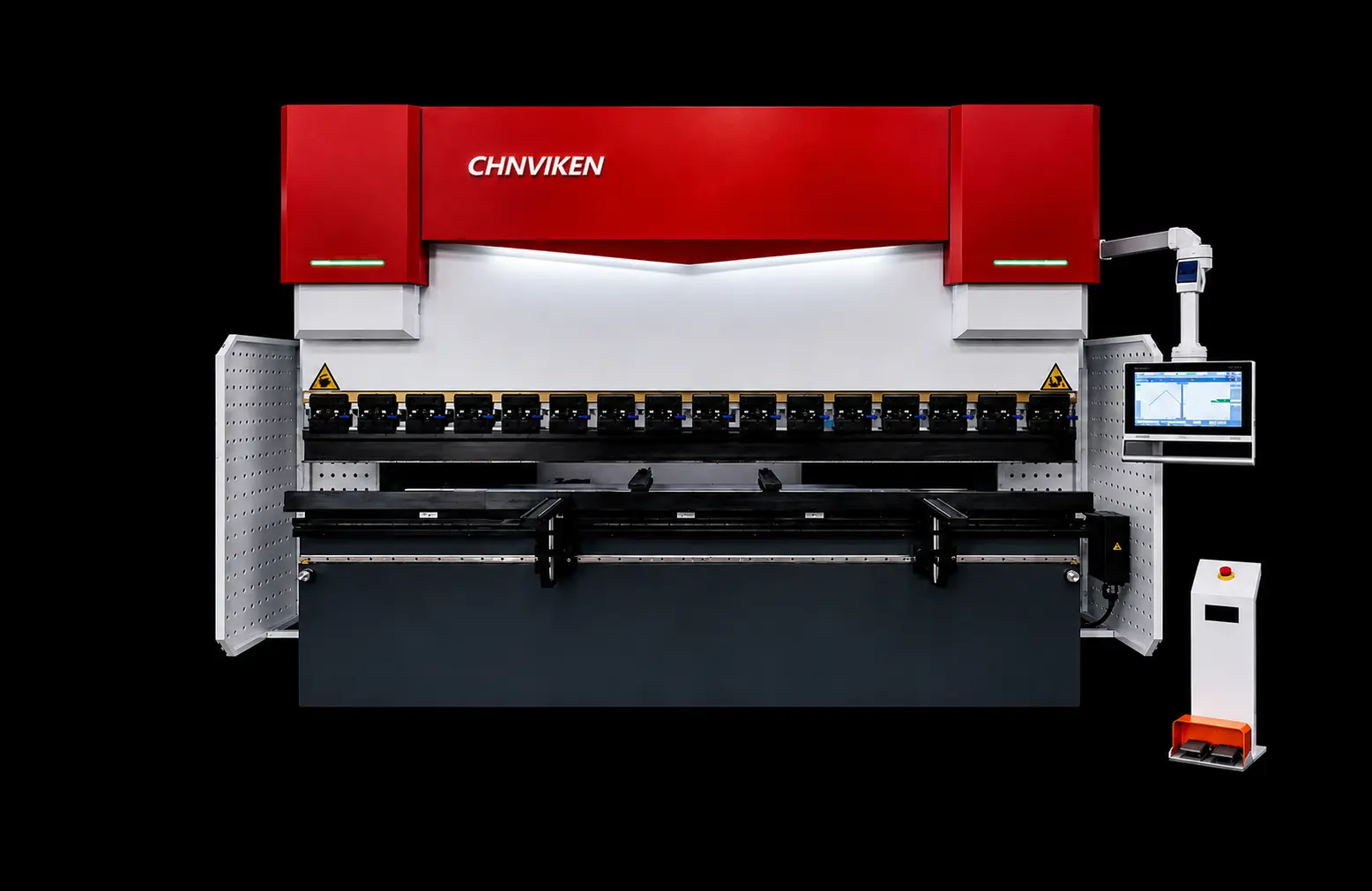
CNC Press Brake for Enclosure Frame Bending
laser cutting machine
Fiber Laser Cutting Machine for Precision Sheet Metal
shearing cutting machine
Hydraulic Shearing Machine for Panel Sizing

Technological Challenges and High-Precision Manufacturing Solutions

Processing cellulose-based fiber composites alongside high-strength structural metals presents unique manufacturing challenges. Cellulose fibers are hygroscopic, meaning they absorb moisture from the atmosphere, which can lead to dimensional warping or internal delamination during high-temperature bonding. To overcome this, advanced manufacturing facilities utilize closed-loop environmental controls and automated pre-drying systems before processing.
Furthermore, cutting and drilling cellulose-reinforced panels requires specialized tooling geometries. Standard machining tools can cause fiber fraying or delamination. High-precision fiber laser cutting systems, calibrated to specific wavelengths and pulse frequencies, offer clean, sealed edges on hybrid composite panels. Similarly, CNC press brakes must be configured with precise pressure control algorithms to bend hybrid metal-cellulose panels without cracking the inner composite core.
By utilizing high-precision machinery, manufacturers can achieve tolerances within micrometers, ensuring that seals, gaskets, and locking mechanisms on the energy storage enclosure function flawlessly. This prevents moisture, dust, and corrosive gases from entering the battery compartment, thereby safeguarding the critical electronic components inside.

Our Solutions for Cellulose-Reinforced Enclosure Processing

solution1
From press brakes and shearing machines to fiber laser cutters +

From press brakes and shearing machines to fiber laser cutters, plate rolling machines and hydraulic presses, VIKEN designs equipment around your material, thickness, working length, accuracy and production volume. Our engineers recommend the right machine configuration, controller, tooling and automation options to help you achieve stable quality, higher efficiency and lower operating costs.

Upgrade from stand-alone machines to connected production +

We provide automated production cell integration, enabling seamless data flow between CAD systems, CNC controllers, and material handling robots for high-precision composite and metal manufacturing.

Comprehensive After-Sales Service and Support +

Our global service network provides on-site calibration, preventative maintenance, and rapid spare parts delivery to keep your enclosure production line running at peak efficiency.
Future Trends: AI, Smart Manufacturing, and Circular Economy

As we look toward the future of new energy storage infrastructure, two major trends are shaping the industry: the integration of Artificial Intelligence (AI) in manufacturing and the transition to a fully circular economy. AI-driven vision systems and real-time sensor monitoring are being deployed on production lines to inspect cellulose fiber alignment and detect micro-defects during the extrusion or layup phases. This ensures that every enclosure meets strict structural safety standards before deployment.
Simultaneously, the end-of-life recyclability of energy storage systems is receiving intense regulatory scrutiny. Unlike traditional carbon or glass-fiber composites, which often end up in landfills, cellulose-based fiber composites can be easily repurposed or biodegraded under controlled industrial conditions. This makes them the ideal material choice for forward-thinking manufacturers committed to achieving net-zero emissions throughout the entire product lifecycle.
In conclusion, the synergy between cellulose-based fiber technology and high-precision metal fabrication machinery represents a monumental leap forward for the energy storage industry. By combining sustainable material sciences with intelligent CNC processing, manufacturers can produce enclosures that are lighter, safer, more durable, and environmentally responsible.