 +86 13819274352
Leave Your Message
-
Contact WhatsApp
-
 Contact Phone
-
 Contact Email
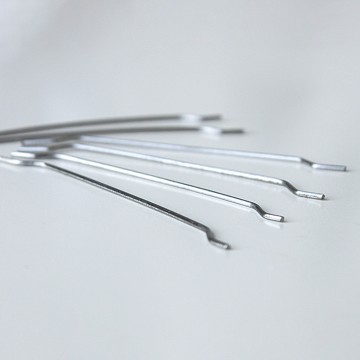
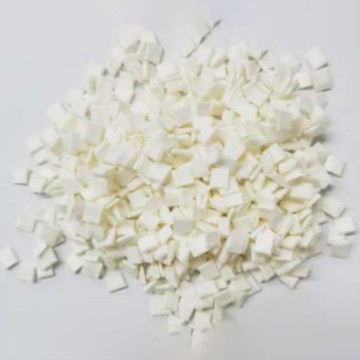
The aerospace manufacturing sector stands at a critical juncture where the demand for ultra-precise, lightweight, and eco-friendly components is higher than ever before. Traditional methods of metal component fabrication, specifically cutting and bending of high-strength alloys like titanium, aluminum-lithium, and nickel-based superalloys, require complex tooling systems. To optimize these processes, materials science has introduced Cellulose Carbamate Fiber (CCF) as a revolutionary structural and auxiliary material. By combining bio-based sustainability with high mechanical performance, CCF is transforming how precision aerospace metal components are cut, bent, stabilized, and processed.
Cellulose Carbamate Fiber is produced through the reaction of cellulose with urea, forming a stable cellulose carbamate intermediate that can be dissolved in environmentally benign solvents and dry-wet spun into fibers. This process completely bypasses the toxic carbon disulfide chemistry associated with traditional viscose production, aligning with the strict environmental mandates of modern aerospace conglomerates. In precision cutting and bending, CCF acts as a reinforcing agent in composite tooling, vibration-damping backing blocks, and surface-protection matrices that preserve the integrity of thin-walled aerospace skins during high-pressure CNC bending operations.
Unlike conventional synthetic polymers, CCF offers excellent thermal stability up to 200°C, zero abrasive wear on delicate metal surfaces, and high tensile strength. These properties make it ideal for protecting aerospace alloys from micro-scratches and thermal stress during laser cutting and heavy press brake bending.
The commercial adoption of Cellulose Carbamate Fiber in aerospace precision fabrication is driven by two main factors: weight reduction and green manufacturing. The global aerospace industry is actively seeking alternatives to petroleum-based carbon and glass fiber reinforcement for secondary structures and tooling jigs. CCF offers a carbon-negative footprint while maintaining structural properties that rival glass fibers under specific loading conditions.
In manufacturing facilities, CCF-reinforced composites are increasingly used to manufacture lightweight modular bending dies and press brake support blocks. Because these tools are light, they reduce setup times and energy consumption on the factory floor. Furthermore, during high-speed laser or waterjet cutting of aerospace components, CCF-based backing materials absorb excess vibrational energy and prevent back-reflection, ensuring cleaner cut edges and higher dimensional accuracy.
Aerospace alloys such as Titanium Ti-6Al-4V and Aluminum 2024 are notorious for their springback behavior during bending and their susceptibility to heat-affected zone (HAZ) degradation during laser cutting. Precision metal cutting and bending machinery must operate with extreme consistency. Here is how Cellulose Carbamate Fiber plays a crucial role in these processes:
During fiber laser cutting of thin sheet metal, high-frequency vibrations can cause micro-fissures along the cut edge. By using CCF-reinforced composite support beds, these vibrations are absorbed more efficiently than on traditional steel or copper slat tables. The natural internal friction of cellulose fibers dissipates energy, resulting in a smoother edge profile and reducing the need for manual deburring or secondary edge finishing.
When bending polished aluminum skins or titanium structural brackets on a CNC press brake, direct contact between the steel die and the workpiece can cause surface galling or scratching. CCF-based protective sheets placed between the die and the metal sheet distribute the bending force evenly. Because CCF has high thermal resistance, it does not melt or bind under the heat generated by severe plastic deformation, ensuring a flawless surface finish.
For complex, low-volume aerospace profiles, metal dies are expensive and slow to manufacture. CCF-reinforced epoxy tooling blocks can be rapidly machined into custom bending mandrels. These composite tools are up to 70% lighter than steel, significantly reducing the load on the press brake's hydraulic systems and allowing for faster cycle times.
CHNVIKEN is a professional manufacturer specializing in the research, development, production, and export of sheet metal processing equipment. With more than 10 years of industry experience, we have grown from a local machinery supplier into a globally recognized brand serving customers in over 100 countries and regions.
Our product portfolio includes CNC Press Brakes, Hydraulic Shearing Machines, Fiber Laser Cutting Machines, Hydraulic Presses, Punching Machines, Ironworkers, Roll Bending Machines, and complete Duct Production Lines. We are committed to providing efficient, intelligent, and cost-effective solutions for sheet metal fabrication industries worldwide.
We design and configure our machinery to handle the latest material innovations, including Cellulose Carbamate Fiber reinforced composites and advanced aerospace alloys. Our systems ensure maximum precision, minimal material waste, and seamless integration into automated production lines.
Discover how CHNVIKEN integrates high-precision machinery with advanced materials like Cellulose Carbamate Fiber to deliver robust, high-performance manufacturing solutions.
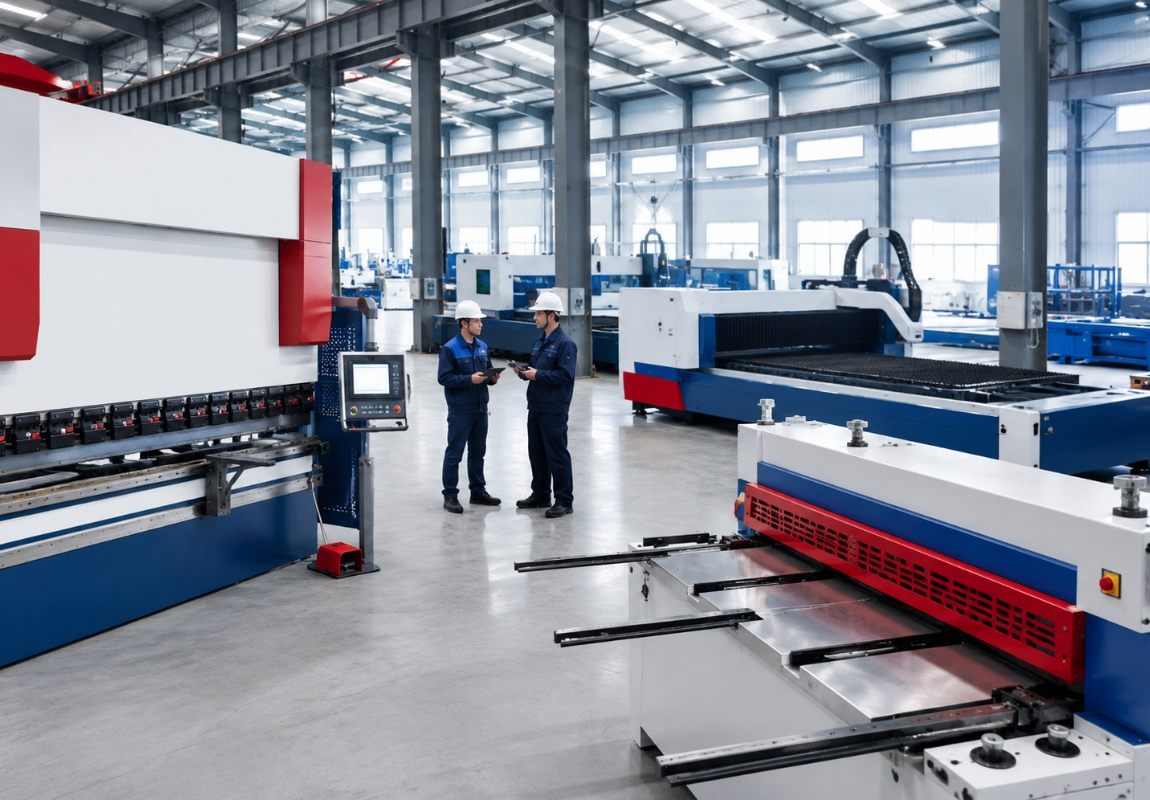
From press brakes and shearing machines to fiber laser cutters, plate rolling machines, and hydraulic presses, VIKEN designs equipment around your material, thickness, working length, accuracy, and production volume.
Our engineers recommend the right machine configuration, controller, tooling, and automation options to help you achieve stable quality, higher efficiency, and lower operating costs when processing delicate sheets protected by Cellulose Carbamate Fiber matrices.
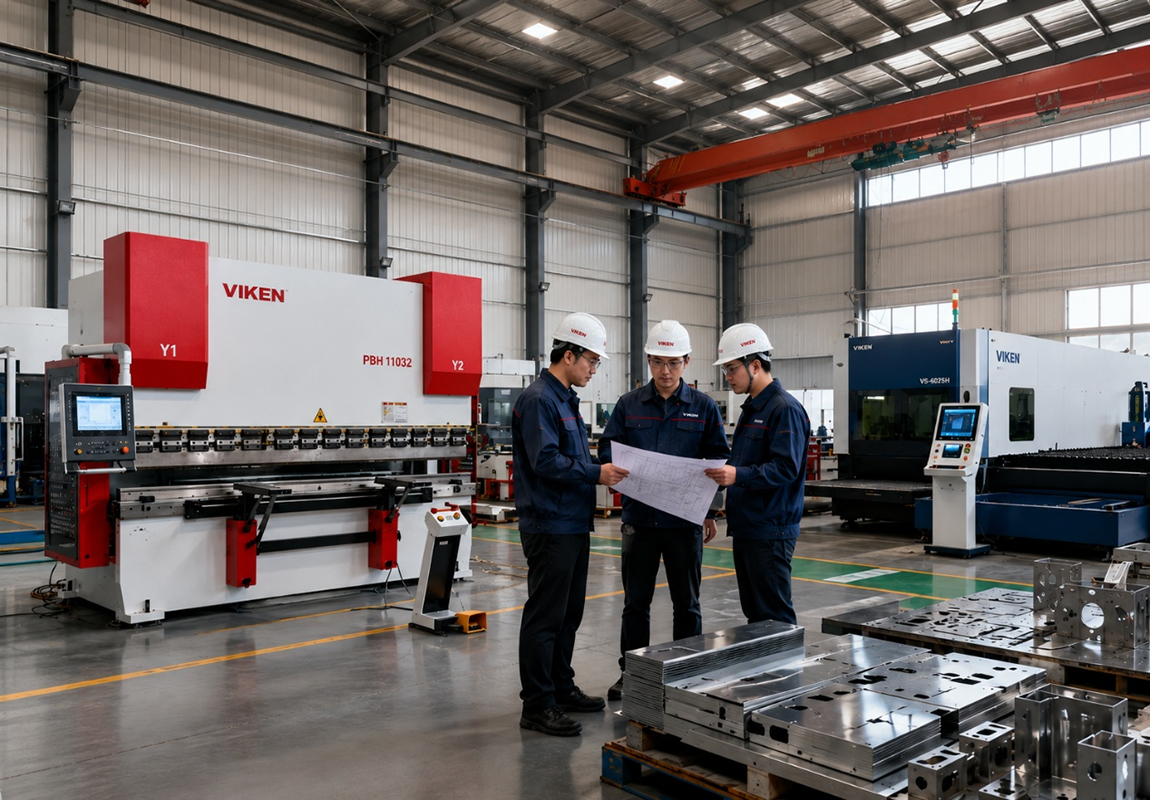
Modern aerospace manufacturing demands digital traceability and automated workflows. Our connected production systems allow for real-time monitoring of bending forces and laser power adjustments, ensuring compatibility with hybrid metal-composite materials.
By integrating smart sensors and IoT gateways, CHNVIKEN machines communicate directly with your factory ERP, optimizing material usage and minimizing downtime during tooling changes.
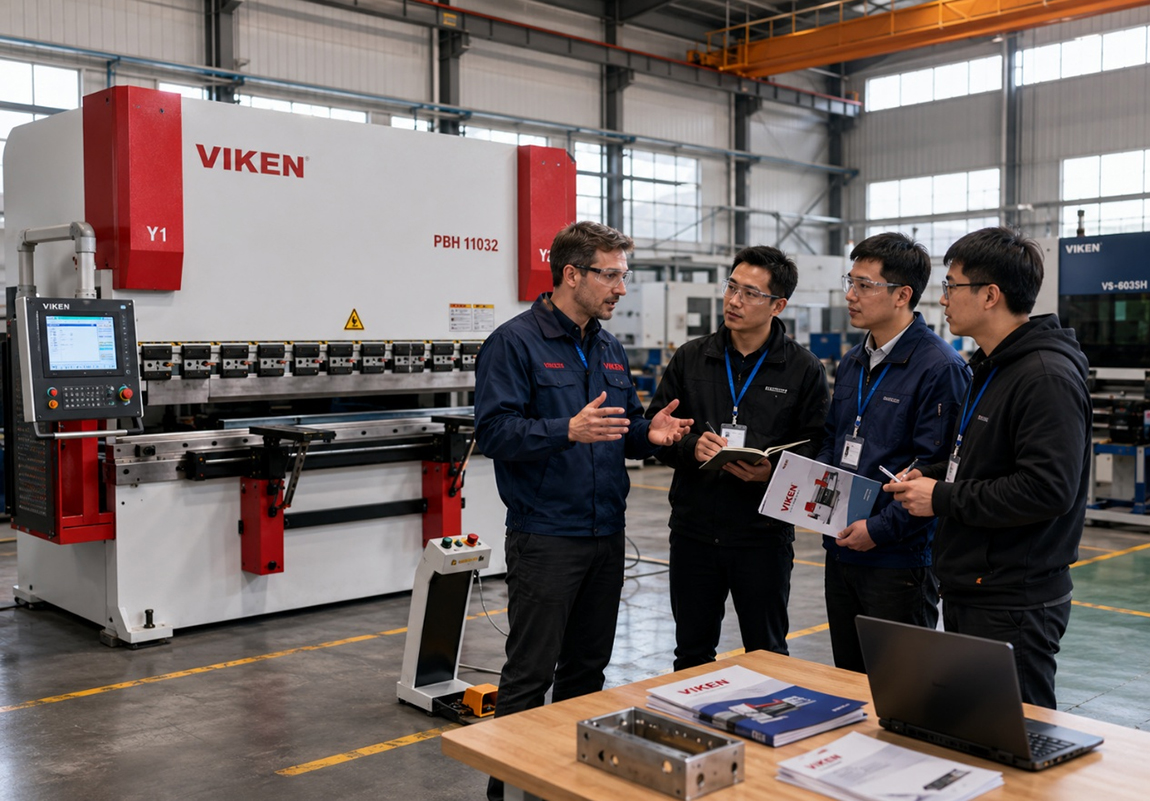
We provide comprehensive global support, including on-site installation, calibration, and training. Our engineers are trained to assist you in optimizing cutting and bending parameters for specialized materials like Cellulose Carbamate Fiber composites.
With spare parts hubs located strategically around the world, we guarantee minimal downtime and rapid response times for all your maintenance requirements.
Explore our flagship machinery designed to handle advanced sheet metal fabrication, offering unmatched precision and compatibility with Cellulose Carbamate Fiber tooling.
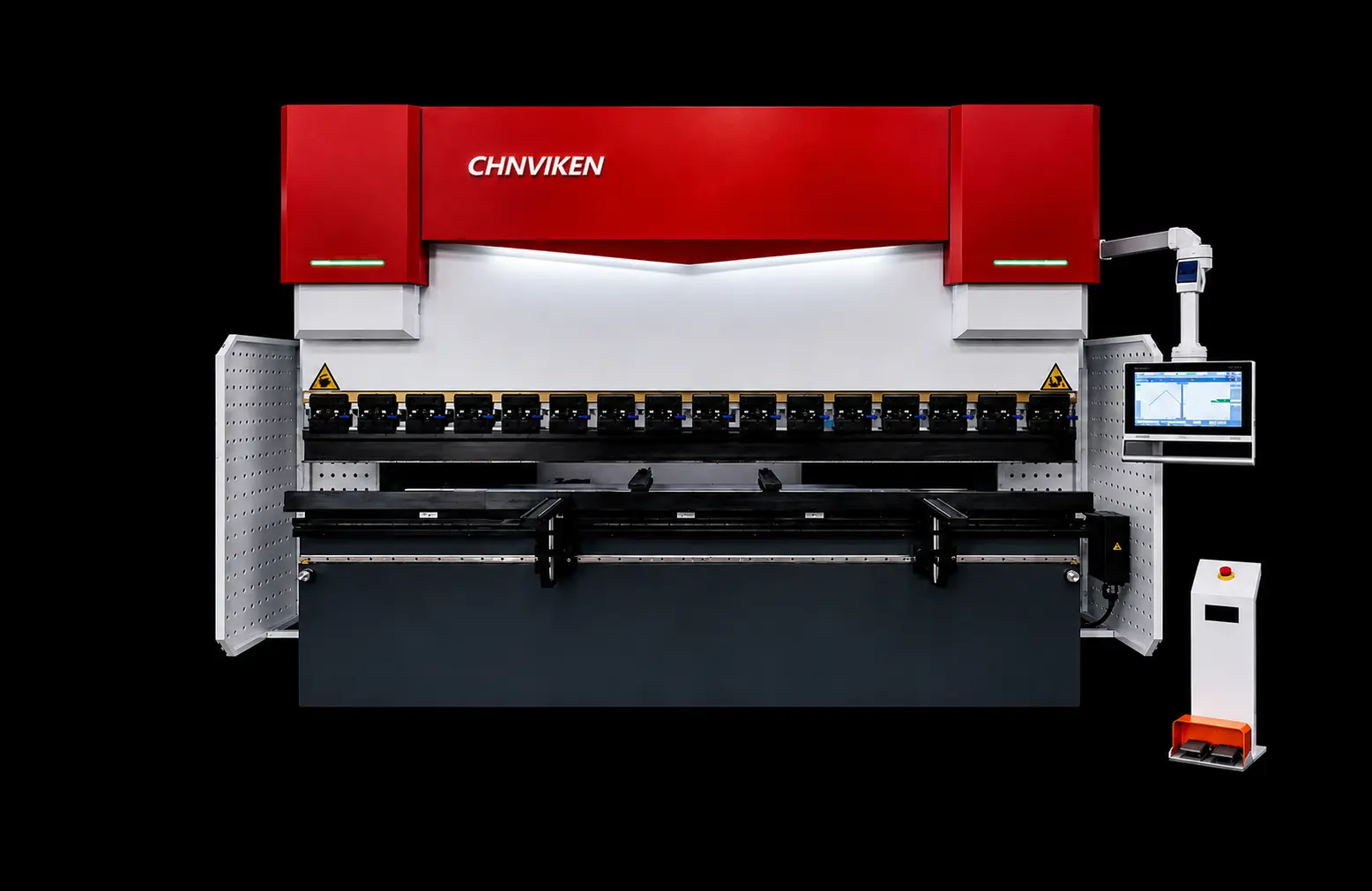
Designed for high-accuracy bending with integrated deflection compensation systems.
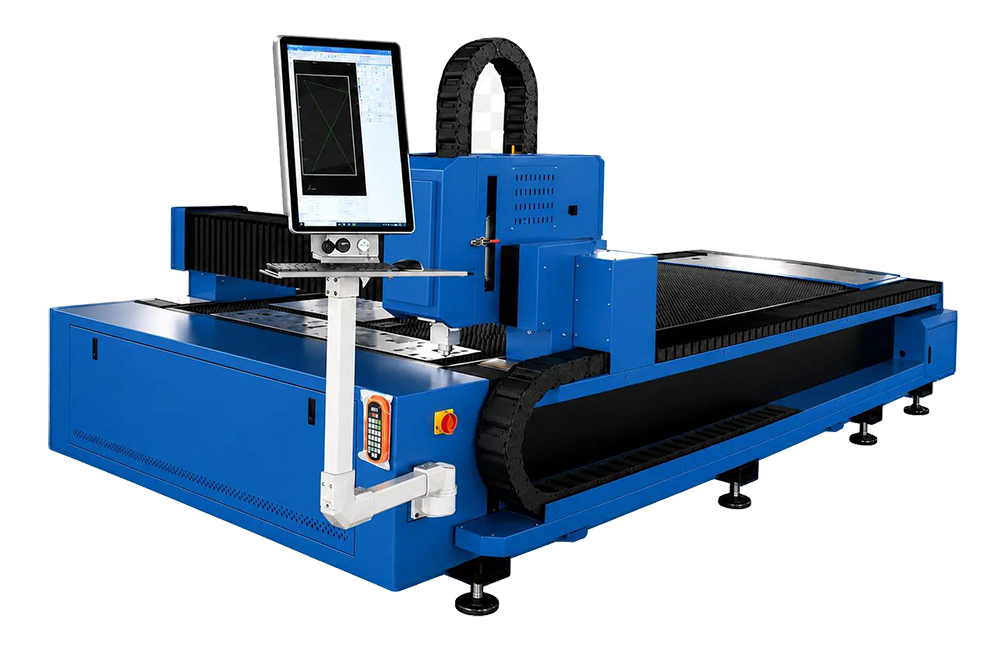
Delivers clean cut edges on titanium and aluminum with minimal heat-affected zones.
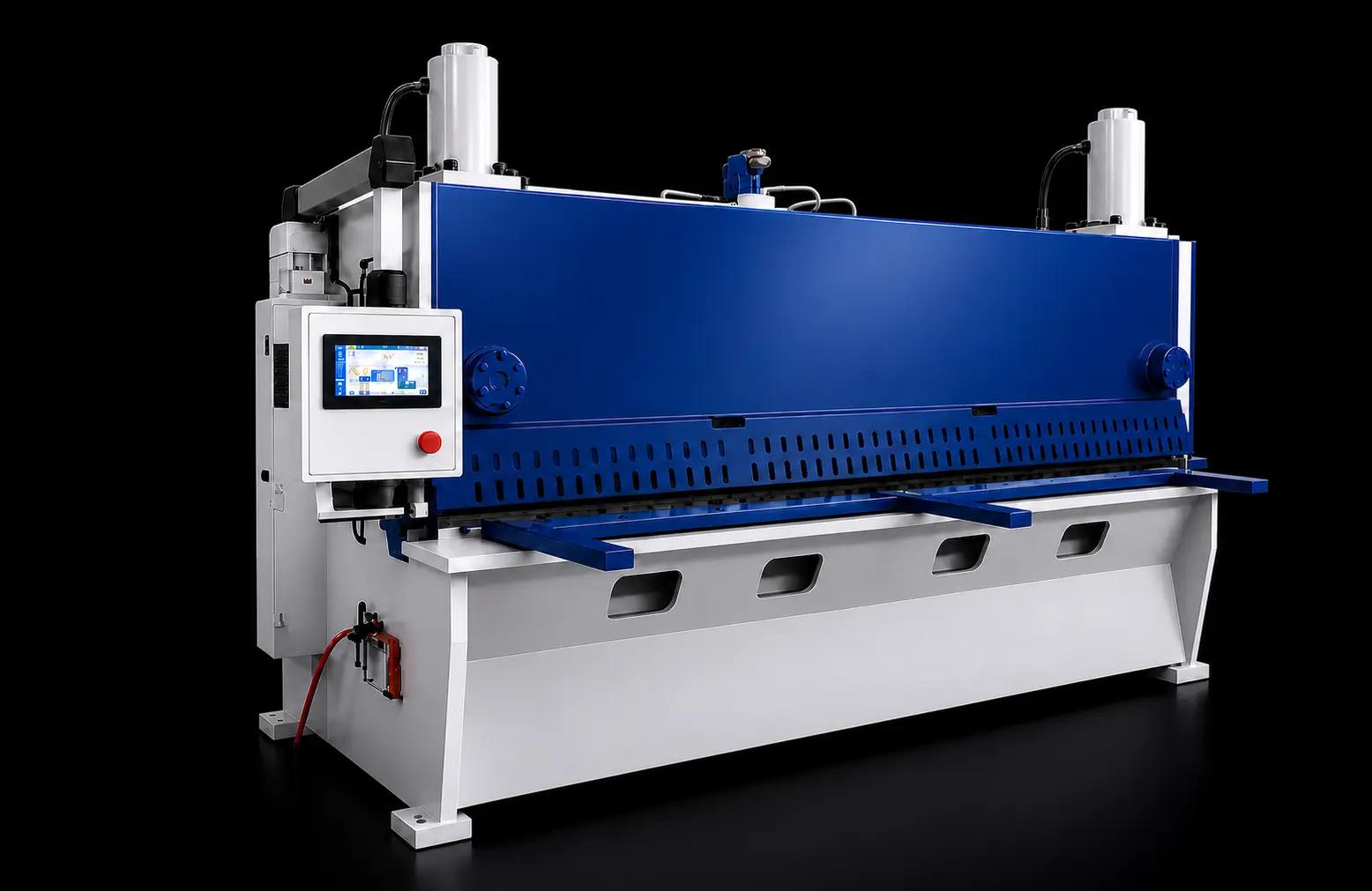
Engineered for fast, clean cuts on thick alloy plates with minimal deformation.
Fully automated bending cell for high-volume aerospace component production.
As the aerospace industry moves towards Industry 4.0, the integration of smart materials in the fabrication process is accelerating. Cellulose Carbamate Fiber is at the forefront of this shift. Researchers are currently developing "smart CCF" by coating the fibers with conductive carbon nanotubes or graphene. When embedded in composite tooling or protective pads, these conductive fibers can measure real-time pressure distribution during bending operations.
This sensory feedback allows the CNC press brake to adjust its hydraulic pressure dynamically, correcting for springback in real-time and achieving sub-millimeter precision. In laser cutting, smart CCF backing materials can detect thermal overflow, alerting operators before the workpiece suffers from microstructural damage.
Furthermore, the biodegradability and ease of recycling of CCF align with the circular economy goals of modern aviation companies. Unlike glass fiber tools, which end up in landfills, CCF-reinforced tools can be chemically dissolved and re-spun, or safely composted at the end of their operational lifecycle.
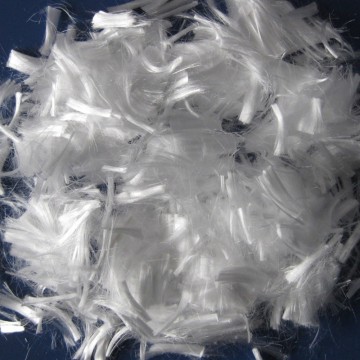
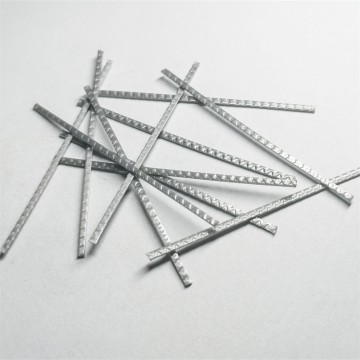
We offer a comprehensive range of structural and reinforcing fibers to optimize your industrial fabrication, concrete bedding, and composite tooling applications.