
Hot Products
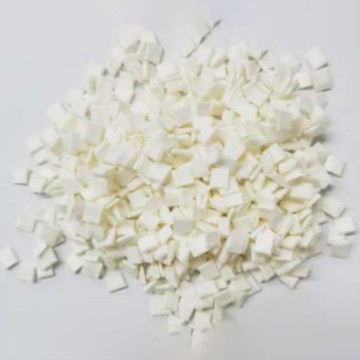
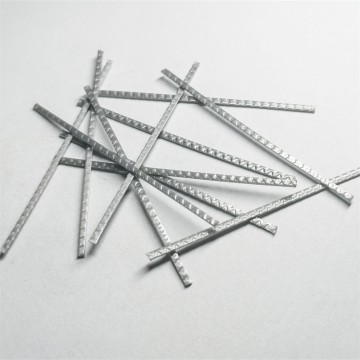

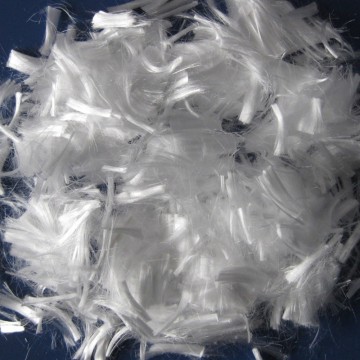
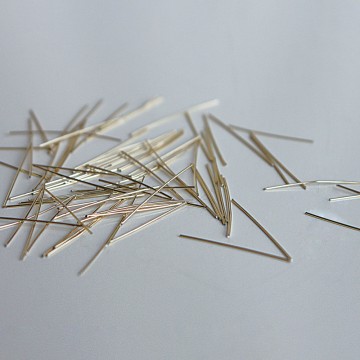
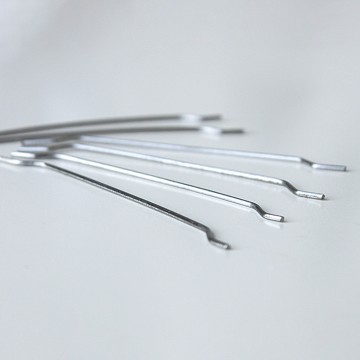
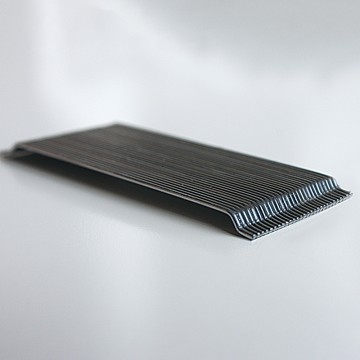

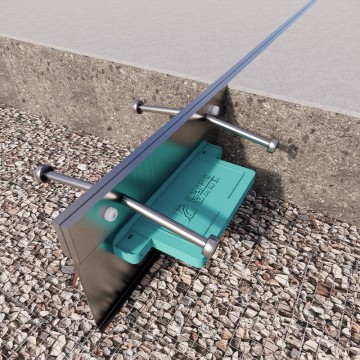
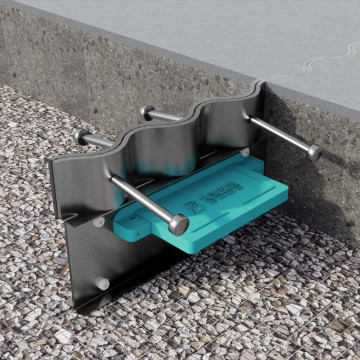
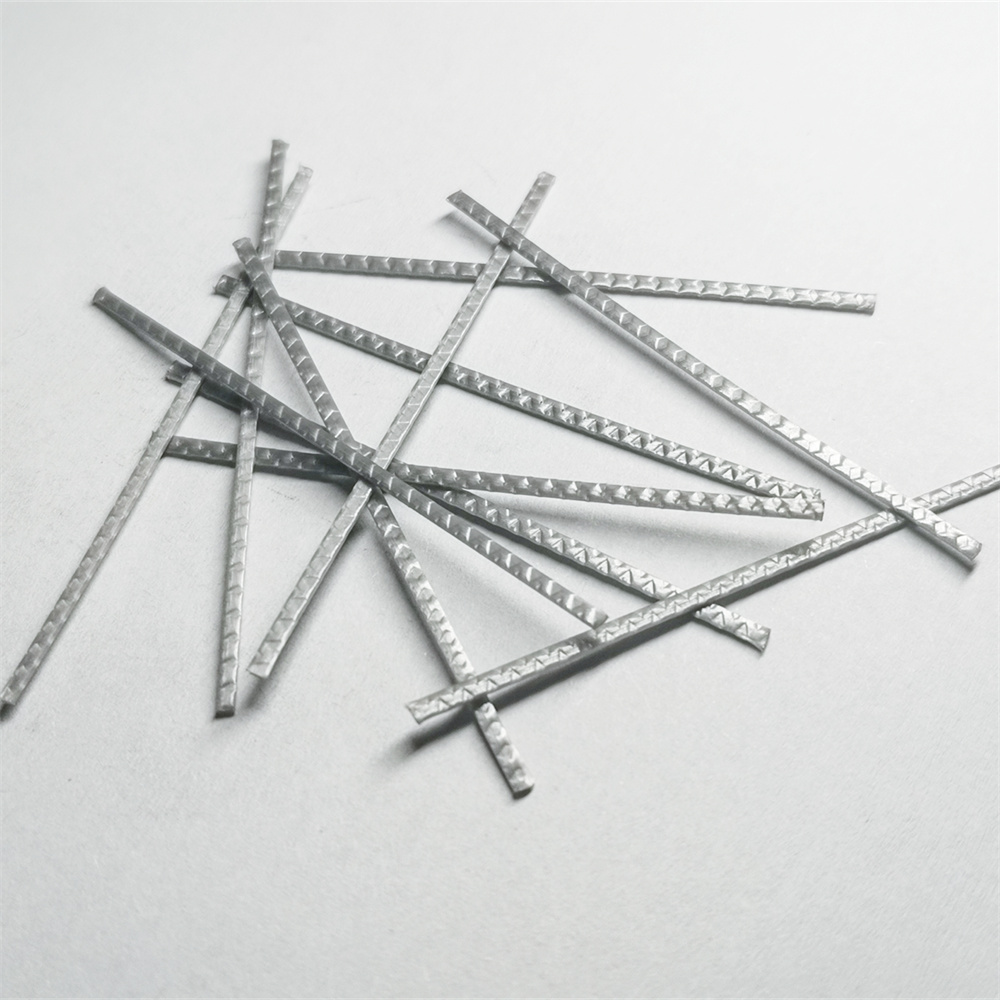
China PP Macro Synthetic Fiber for Concrete - Suppliers & Factory for Enhanced Durability and Crack Control
Raw Material & Structural Advantages
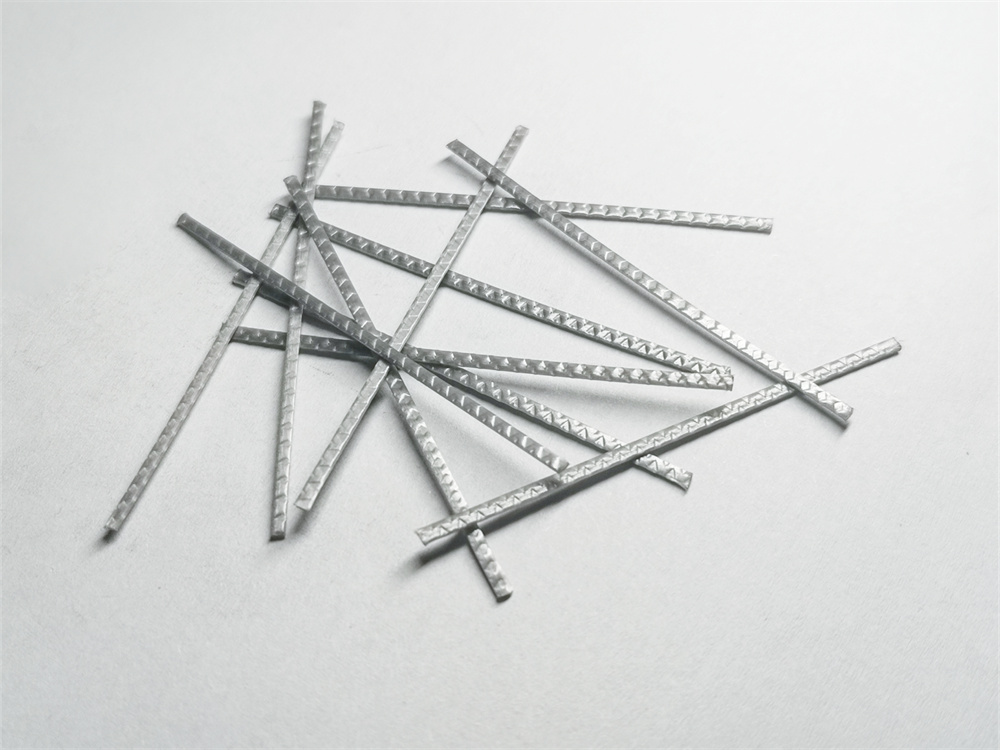
Produced with modified high-molecular polypropylene raw material, the fiber has stable chemical inertness, completely resisting alkali corrosion from cement hydration and avoiding rust expansion damage that steel fiber may cause. The thick fiber body delivers strong load transfer capacity after concrete cracking.
Uniform fiber length and section size ensure even dispersion during mixing, no floating or floating segregation issues. It forms continuous interlocking structures inside mortar to disperse internal stress generated by temperature change and slab shrinkage.
Mixing & Construction Performance
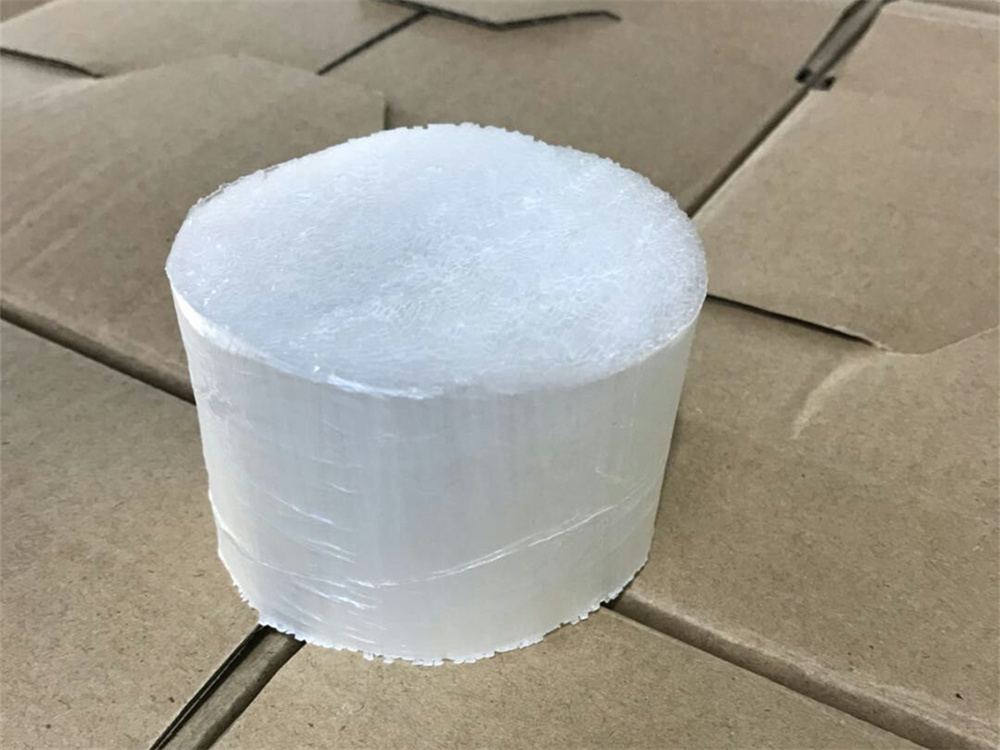
PP macro fiber can be automatically fed by mixing station equipment without extra additives. It has minor influence on concrete slump, and will not tangle or ball under standard mixing procedures, suitable for pumping, vibrating and trowel finishing of all concrete floors.
It can be used alone or mixed with cellulose fiber, matching all types of floor armoured joints and PE foam joint fillers, forming a full crack control system without bringing surface fuzz or blemishes on decorative concrete.
Application Scenarios
PP macro synthetic fiber applies to medium and heavy-load concrete ground projects, including logistics warehouse slabs, factory production floors, municipal pavement, pervious pavement, parking lots and shotcrete slope protection. It is widely adopted in automobile manufacturing plants, light industrial workshops, commercial plazas and rural road reconstruction projects. It greatly reduces plastic shrinkage and temperature cracks, lowers later maintenance cost, and serves as an economical alternative to welded wire fabric for secondary reinforcement, perfectly fitting budget-controlled industrial ground construction projects.
Frequently Asked Questions
Q1: What are the primary material advantages of PP macro synthetic fiber over steel fiber?
PP macro synthetic fiber is produced with modified high-molecular polypropylene, offering stable chemical inertness. Unlike steel fiber, it completely resists alkali corrosion from cement hydration and prevents rust expansion damage.
Q2: Does the fiber disperse evenly during concrete mixing?
Yes. The uniform length and section size of the fibers ensure even dispersion during mixing, preventing floating, segregation, tangling, or balling under standard mixing procedures.
Q3: How does this fiber affect concrete construction workability?
It has minor influence on concrete slump. It is highly compatible with standard construction techniques, including pumping, vibrating, and trowel finishing of concrete floors.
Q4: Can it be combined with other fibers or joint systems?
Yes, it can be used alone or mixed with cellulose fiber. It matches all types of floor armoured joints and PE foam joint fillers to form a comprehensive crack control system.
Q5: What projects are best suited for PP macro synthetic fiber?
It is ideal for medium and heavy-load concrete projects such as logistics warehouses, factory floors, parking lots, municipal pavements, pervious pavements, and shotcrete slope protection.
Q6: Can this fiber replace traditional welded wire fabric?
Yes, it serves as an economical alternative to welded wire fabric for secondary reinforcement. It reduces plastic shrinkage and temperature cracks while lowering maintenance and construction costs.