


Hot Products


China Suppliers Factory for Alkali Resistant Cellulose Fiber: Enhance Concrete with Superior Anti-Shrinkage Properties
Raw Material & Structural Advantages
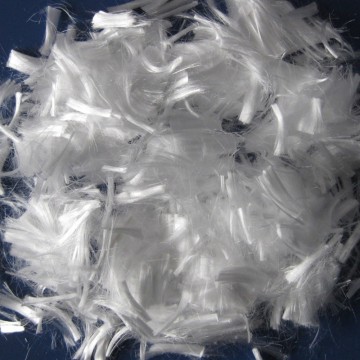
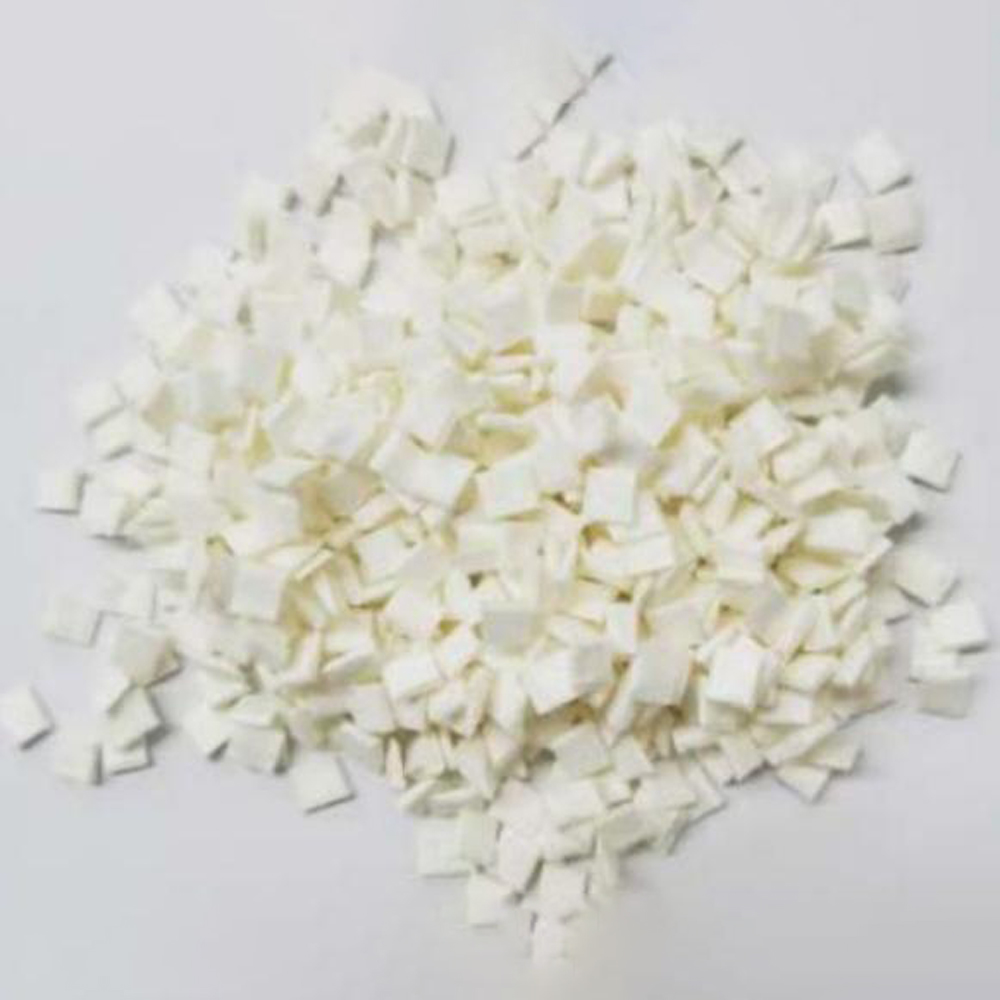
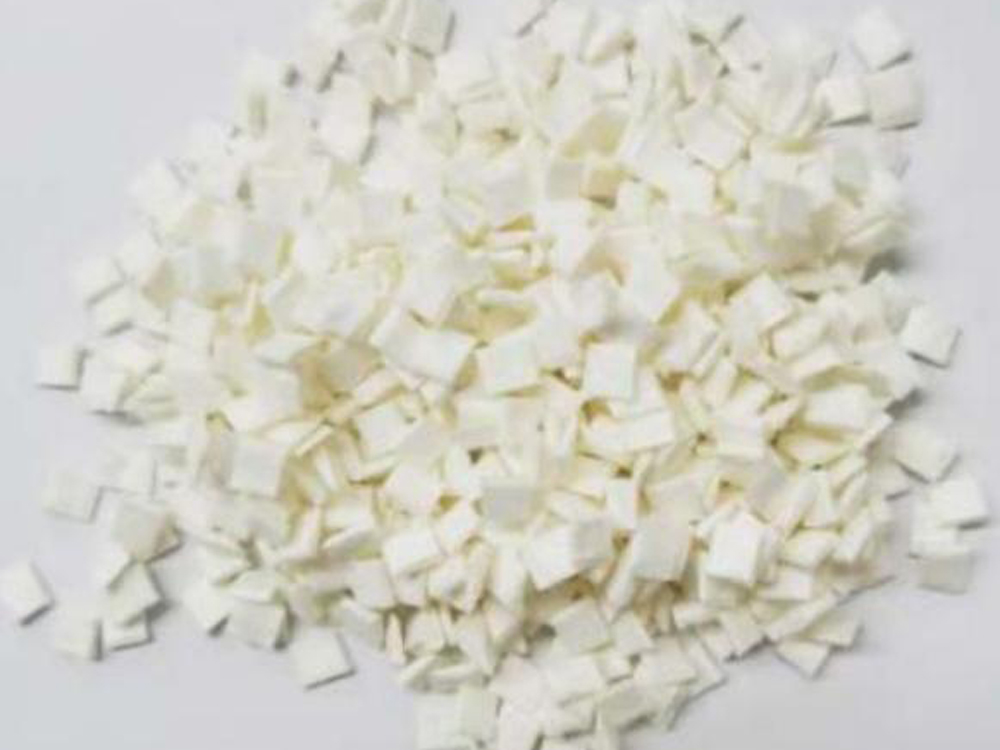
Sourced from responsibly managed renewable timber, the cellulose fiber undergoes exclusive alkali resistance modification. It can retain over 96% tensile strength under high alkaline cement environment, avoiding degradation inside concrete over decades. Its high water absorption capacity up to 85% of self-weight releases stored moisture slowly to activate internal curing, boosting cement hydration and improving overall concrete density.
Each pound contains hundreds of millions of tiny fibers with ultra-small diameter, forming dense micro-reinforcement networks to disperse shrinkage stress evenly. Unlike hydrophobic PP fibers, it closely bonds with cement paste without generating internal micro voids, reducing concrete permeability and water absorption.
Mixing & Construction Performance
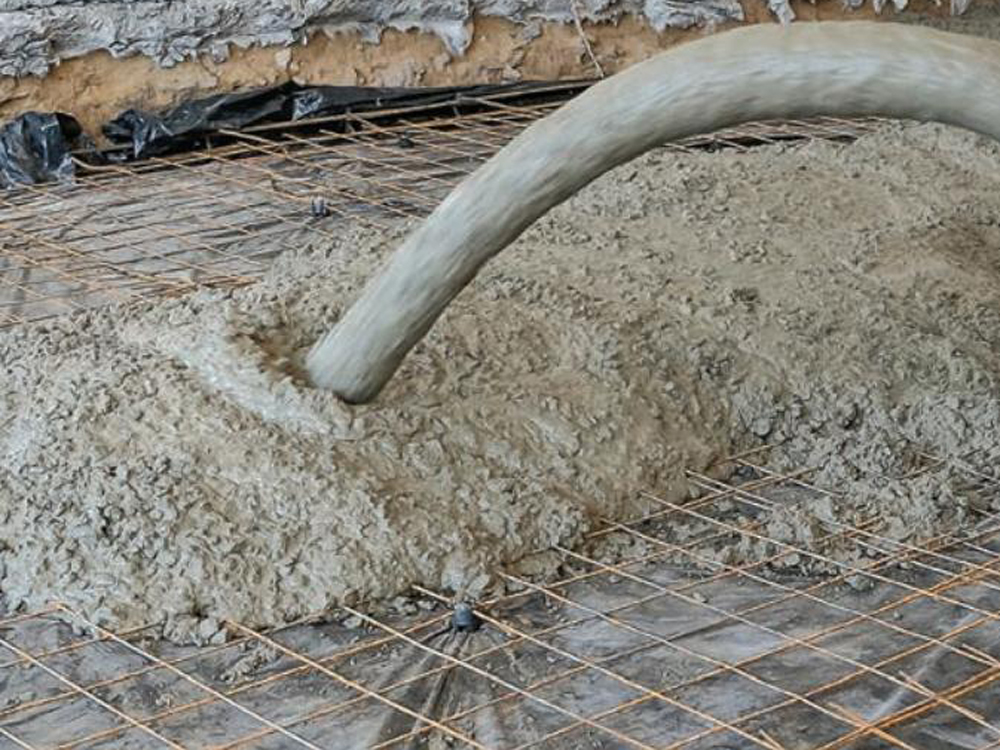
Cellulose fiber has negligible negative impact on concrete slump, so extra mixing water is rarely needed on construction sites, which avoids strength loss and secondary cracking risks. It disperses evenly during mixing with zero balling or floating issues, and leaves no visible traces after floor finishing.
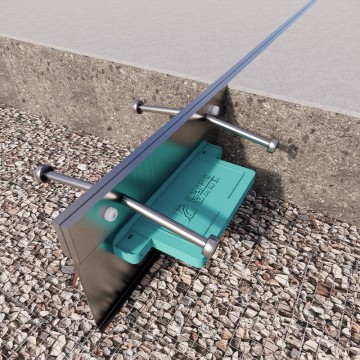
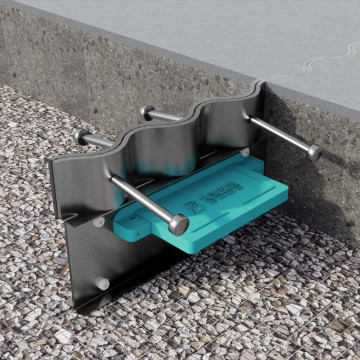
It works compatibly with PP macro fiber, steel fiber and all concrete admixtures, and can coordinate with floor armoured joints and PE foam strips to form a complete floor protection system. It is ideal for decorative stamped concrete, colored slabs and superflat industrial floors requiring flawless surface finish.
Application Scenarios
This cellulose fiber is widely used in commercial and residential slabs, architectural decorative concrete, permeable pavement, curb gutters, shotcrete, metal composite decks and white topping overlay projects. It is popular for new energy workshop floors, retail plaza ground, landscape decorative pavement, factory architectural facings and residential building ground construction. It cuts plastic shrinkage cracks by up to 80% at standard dosage, enhances freeze-thaw durability and impact resistance, and serves as an eco-friendly secondary reinforcement substitute for welded wire fabric, greatly lowering long-term concrete repair expenses for decorative and industrial ground projects.
Frequently Asked Questions
How does this cellulose fiber resist degradation in concrete?
The cellulose fiber undergoes an exclusive alkali resistance modification. This allows it to retain over 96% of its tensile strength in high alkaline cement environments, preventing degradation inside the concrete over decades.
Does adding this fiber require extra mixing water?
No, the cellulose fiber has a negligible impact on concrete slump. Extra mixing water is rarely needed on-site, which helps avoid strength loss and secondary cracking risks.
How does it compare to hydrophobic PP fibers?
Unlike hydrophobic PP fibers, this modified cellulose fiber bonds closely with the cement paste without generating internal micro voids. This close bonding reduces concrete permeability and water absorption.
Can it be used with other types of concrete reinforcement?
Yes, it is highly compatible with PP macro fibers, steel fibers, and all standard concrete admixtures. It can also coordinate with floor armored joints and PE foam strips for a complete floor protection system.
What crack reduction performance can be expected?
At standard dosage, it cuts plastic shrinkage cracks by up to 80%. It also enhances freeze-thaw durability and impact resistance, serving as an eco-friendly secondary reinforcement substitute for welded wire fabric.