
Hot Products

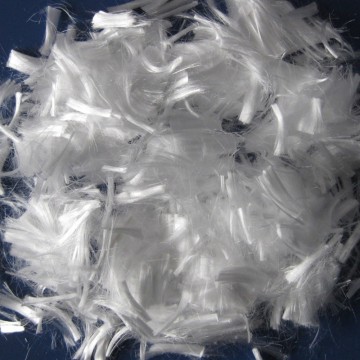
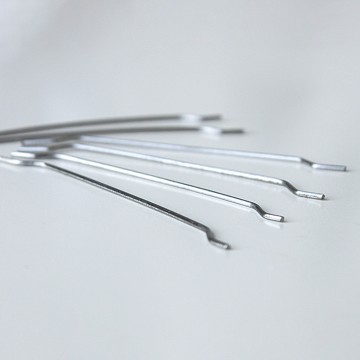
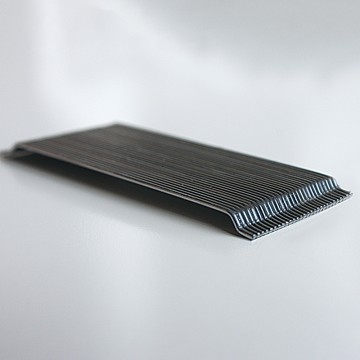

China Suppliers Factory Offering Mesh Type PP Fiber for Enhanced Crack Control in Concrete
Raw Material & Structural Advantages
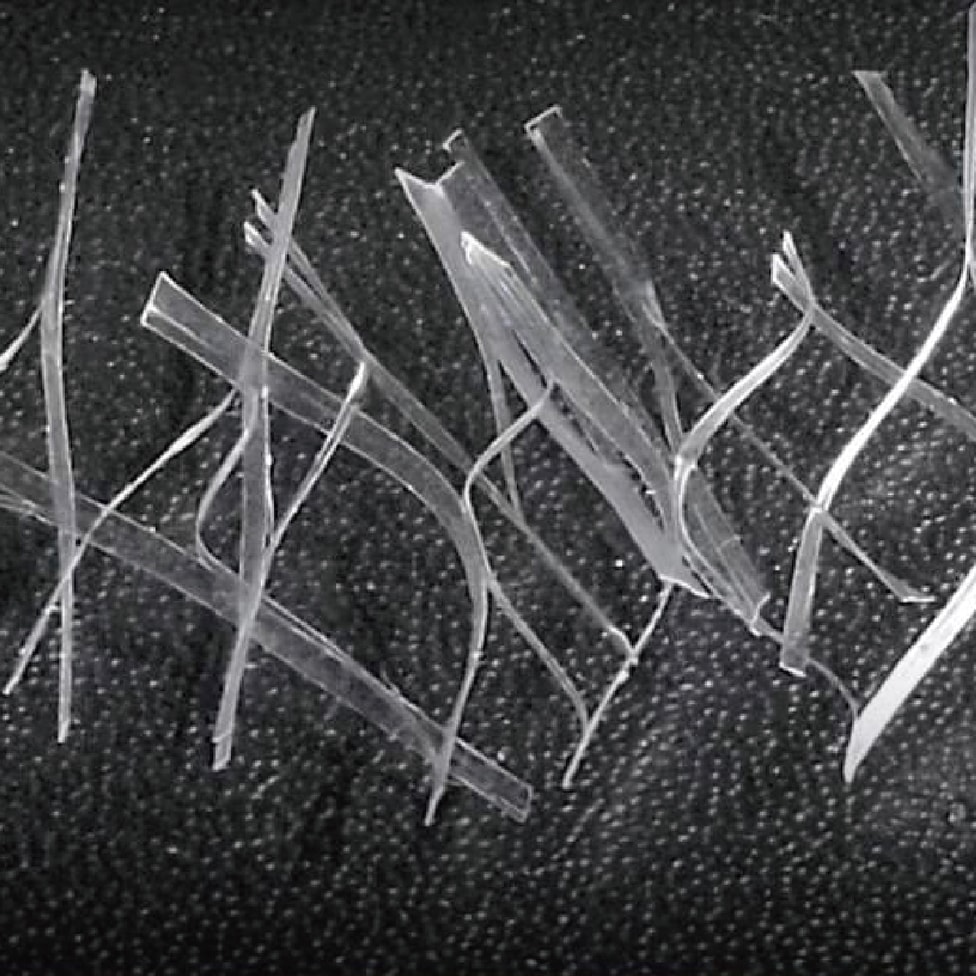
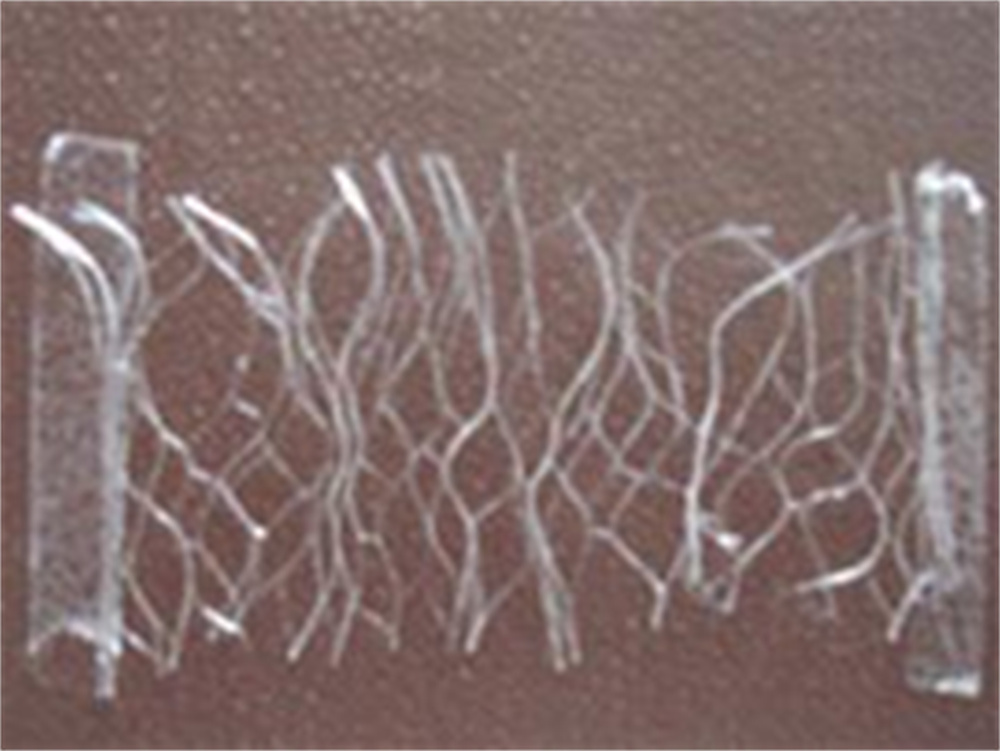
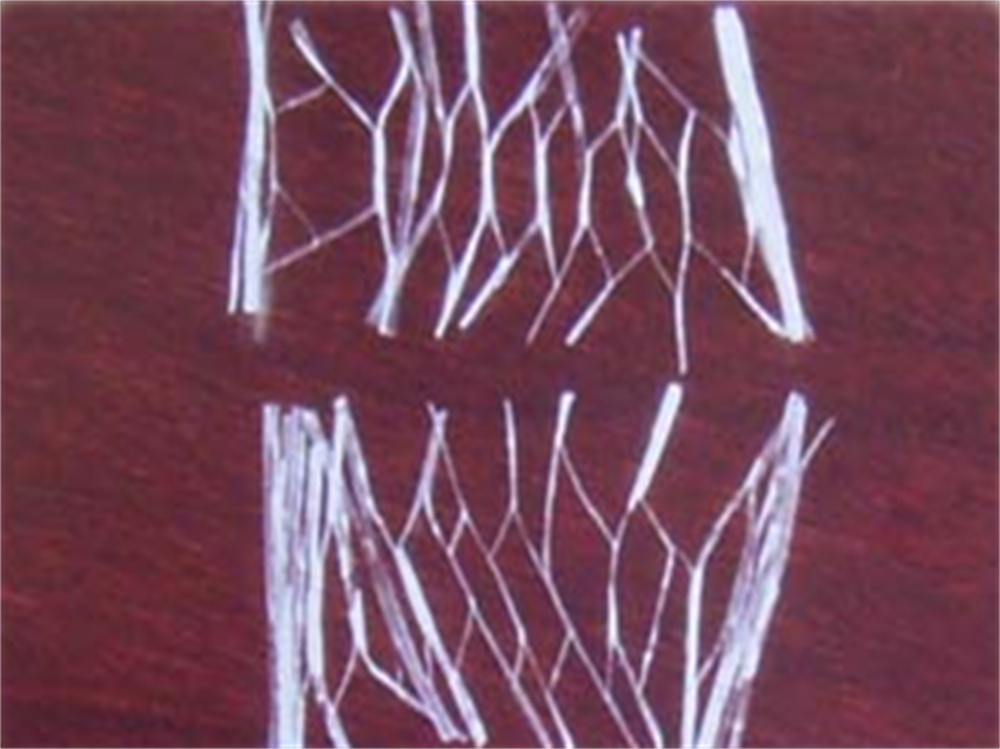
- Woven into mesh sheets by multi-strand modified polypropylene filament, the mesh will automatically split into independent fine fibers under mechanical stirring force of mixer. The interwoven mesh structure prevents floating accumulation before full dispersion, solving the uneven distribution defect of loose PP fiber.
- Polypropylene material has excellent alkali resistance, anti-aging and hydrophobic performance, no corrosion or degradation in cement matrix, and effectively reduces concrete surface crazing and micro-cracks caused by water loss shrinkage.
Mixing & Construction Performance
- Mesh fiber can be put into mixing truck directly without pre-breaking. After standard mixing time, the mesh fully dissociates into uniform fine fibers, which will not affect concrete pumping, vibrating and manual trowel finishing operations.
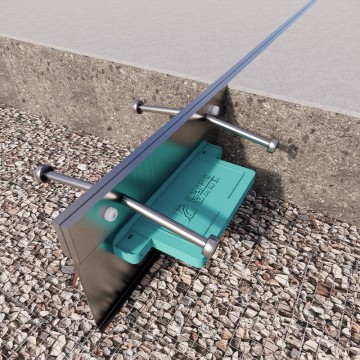
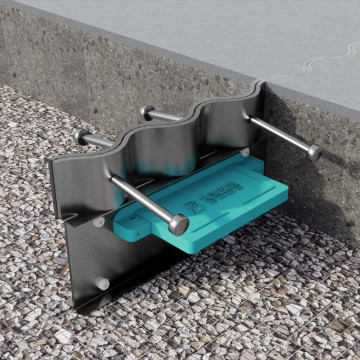
- It can be compounded with cellulose fiber and macro PP fiber to realize dual control of early plastic cracks and later temperature cracks, and compatible with all hot-dip galvanized floor armoured joints and PE foam sealing strips.
Application Scenarios
Mesh type PP fiber is widely suitable for large-area continuous concrete construction, including large logistics warehouse floors, factory workshop slabs, municipal main roads, square ground, underground parking lots and thin concrete overlays. It is favored by medium-sized industrial park projects, supermarket parking lots and municipal public infrastructure construction. Its integrated mesh packaging greatly simplifies feeding operation for mixing stations, stabilizes mixing quality, and effectively cuts down the repair cost of surface shrinkage cracks for large-area concrete ground, serving as a cost-effective early crack control fiber for medium-traffic industrial and municipal ground projects.
Frequently Asked Questions
How does the mesh-type PP fiber disperse during mixing?
The mesh is woven from multi-strand modified polypropylene filament. When introduced to the mixing truck, the mechanical stirring force of the mixer automatically splits the mesh sheets into independent, uniform fine fibers without requiring pre-breaking.
What are the chemical and durability benefits of using polypropylene material?
Polypropylene provides excellent alkali resistance, anti-aging properties, and hydrophobic performance. It does not corrode or degrade within the cement matrix, which helps significantly reduce surface crazing and micro-cracks caused by water loss shrinkage.
Does mesh PP fiber affect standard concrete construction processes?
No, after standard mixing, the fibers dissociate completely and uniformly. This process does not negatively impact concrete pumping, vibrating, or manual trowel finishing operations.
Can this fiber be combined with other fiber types or joint systems?
Yes, it can be compounded with cellulose fiber and macro PP fiber to achieve dual control of early plastic cracks and later temperature cracks. It is also fully compatible with hot-dip galvanized floor armoured joints and PE foam sealing strips.
What are the main application scenarios for mesh-type PP fiber?
It is ideal for large-area continuous concrete construction, such as logistics warehouse floors, factory workshop slabs, municipal main roads, squares, underground parking lots, thin concrete overlays, supermarket parking lots, and industrial park projects.
How does the integrated mesh packaging benefit mixing stations?
The integrated mesh packaging simplifies the feeding operation, stabilizes overall mixing quality, prevents floating accumulation before full dispersion, and ultimately lowers repair costs related to surface shrinkage cracks.