+86 13819274352
Leave Your Message
-
Contact WhatsApp
-
 Contact Phone
-
 Contact Email
High-performance polyurea floor joint fillers, heavy-duty armored joints, and structural synthetic fibers tailored to protect slab edges under high-impact food processing machinery and stainless steel equipment operations.
Modern commercial food preparation plants, industrial central kitchens, and high-precision stainless steel equipment fabrication facilities demand exceptionally durable, seamless, and hygienic floor systems. Concrete floor control joints and expansion gaps—if left unsealed or filled with sub-standard materials—become the single weakest link in the entire facility infrastructure. Under continuous mechanical vibrations, point loads from heavy stainless steel machinery (such as CNC press brakes, laser cutters, and boiling pans), thermal shocks from boiling washdowns, and relentless forklift or stainless trolley traffic, control joint edges spall, crack, and harbor dangerous foodborne bacteria.
Utilizing advanced semi-rigid polyurea joint fillers alongside armored expansion joints and fiber-reinforced concrete matrices resolves these foundational challenges. Specially formulated semi-rigid floor joint fillers accommodate minimal slab contraction and expansion while providing total edge support to control joints under heavy wheel loads. When paired with precision stainless steel fabrication machinery and proper concrete slab engineering, facility owners achieve long-term floor integrity, sanitary compliance, and zero equipment alignment drift.
Fills concrete joint control cuts to full depth, creating a solid bridge that prevents joint edge crumbling under hard plastic or steel-wheeled cart traffic in commercial kitchens and metal shops.
Creates an impermeable barrier against organic acids, animal fats, harsh cleaning chemicals, and high-pressure steam, completely eliminating bacterial traps in food production areas.
Maintains dynamic flexibility and adhesion across sub-zero walk-in freezer zones and high-temperature cooking suites where hot oil spills and steam washdowns are standard daily occurrences.
In high-volume commercial kitchens, industrial bakeries, and meat processing facilities, concrete floors endure extreme chemical and mechanical stress. Heavy stainless steel equipment—such as commercial combi ovens, tilting skillet braising pans, continuous fryers, and dishwashing lines—are anchored directly to concrete floor slabs. Water containment, floor drains, and joint seals must withstand constant moisture, hot greases, caustic degreasers, and steam cleaning.
Standard flexible caulking fails rapidly under these conditions, leading to sealant debonding, water seepage beneath stainless steel legs, sub-slab erosion, and structural slab rocking. Applying semi-rigid 100% solids polyurea floor joint filler into saw-cut control joints creates a continuous shave-flush seal. This prevents water pooling under heavy kitchen equipment bases, meets strict USDA and FDA sanitary guidelines, and supports intense rolling rack loads without sagging or tearing.
Manufacturing commercial kitchen equipment requires heavy metalworking machinery—including CNC press brakes, high-power fiber laser cutting machines, hydraulic shearing equipment, and plate bending rolls. Stainless steel plate, sheet stock, and fabricated frame assemblies generate extreme point loads during material handling, crane unloading, and automated shuttle operations.
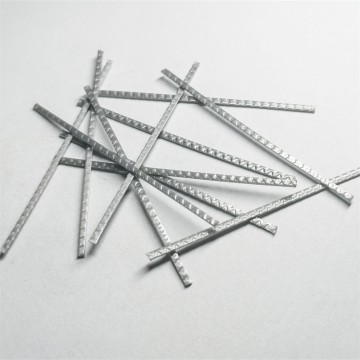
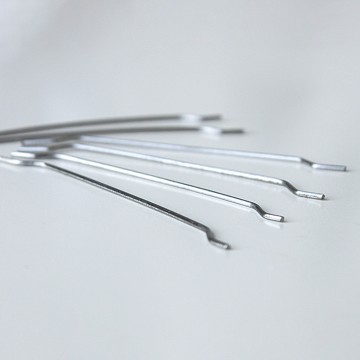
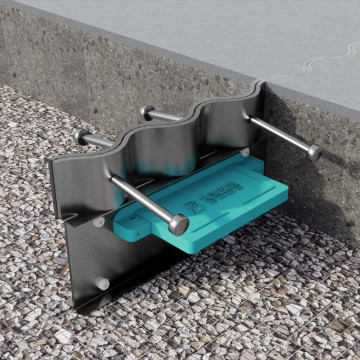
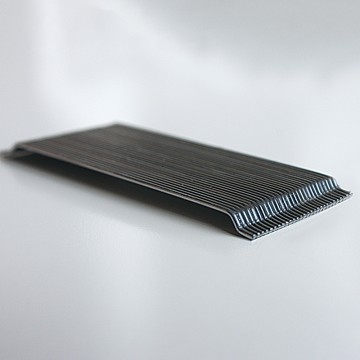
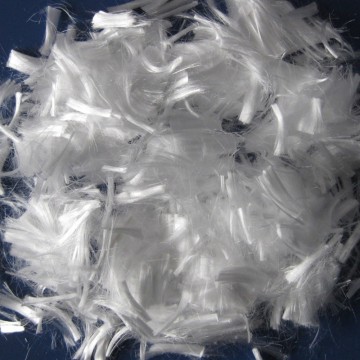
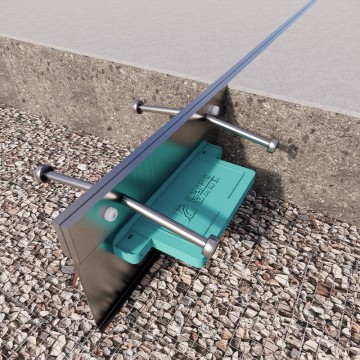
Under such heavy industrial dynamic loads, concrete joint edges without proper joint filler crumble rapidly. Edge spalling damages forklift tires, causes precision laser cutting tables to shift out of level, and generates micro-dust that contaminates sensitive CNC optical sensors and fiber laser heads. Heavy-duty armored joints (such as Sinus type or Straight armored joints) combined with polypropylene macro-synthetic fibers or steel fibers create impact-resistant joint transitions across shop floor bays, ensuring vibration-free material movement and zero machine level calibration loss.
Commercial kitchen supply chains rely heavily on cold storage and cleanroom preparation hubs. The transition between high-temperature cooking suites and sub-zero storage causes significant slab shrinkage and dynamic movement. Polyurea joint fillers engineered with fast-cure, ultra-low temperature flexibility remain pliable down to -20°F (-29°C), preventing slab cracking and maintaining a hermetic air-and-moisture seal along cleanroom stainless steel wall flashing.
CHNVIKEN is a professional manufacturer specializing in the research, development, production, and export of sheet metal processing equipment. With more than 10 years of industry experience, we have grown from a local machinery supplier into a globally recognized brand serving customers in over 100 countries and regions.
Our product portfolio includes CNC Press Brakes, Hydraulic Shearing Machines, Fiber Laser Cutting Machines, Hydraulic Presses, Punching Machines, Ironworkers, Roll Bending Machines, and complete Duct Production Lines. We are committed to providing efficient, intelligent, and cost-effective solutions for sheet metal fabrication industries worldwide.

Discover precision sheet metal processing machinery utilized globally to fabricate heavy-duty commercial kitchen equipment, stainless steel tables, ductwork, and food processing lines.
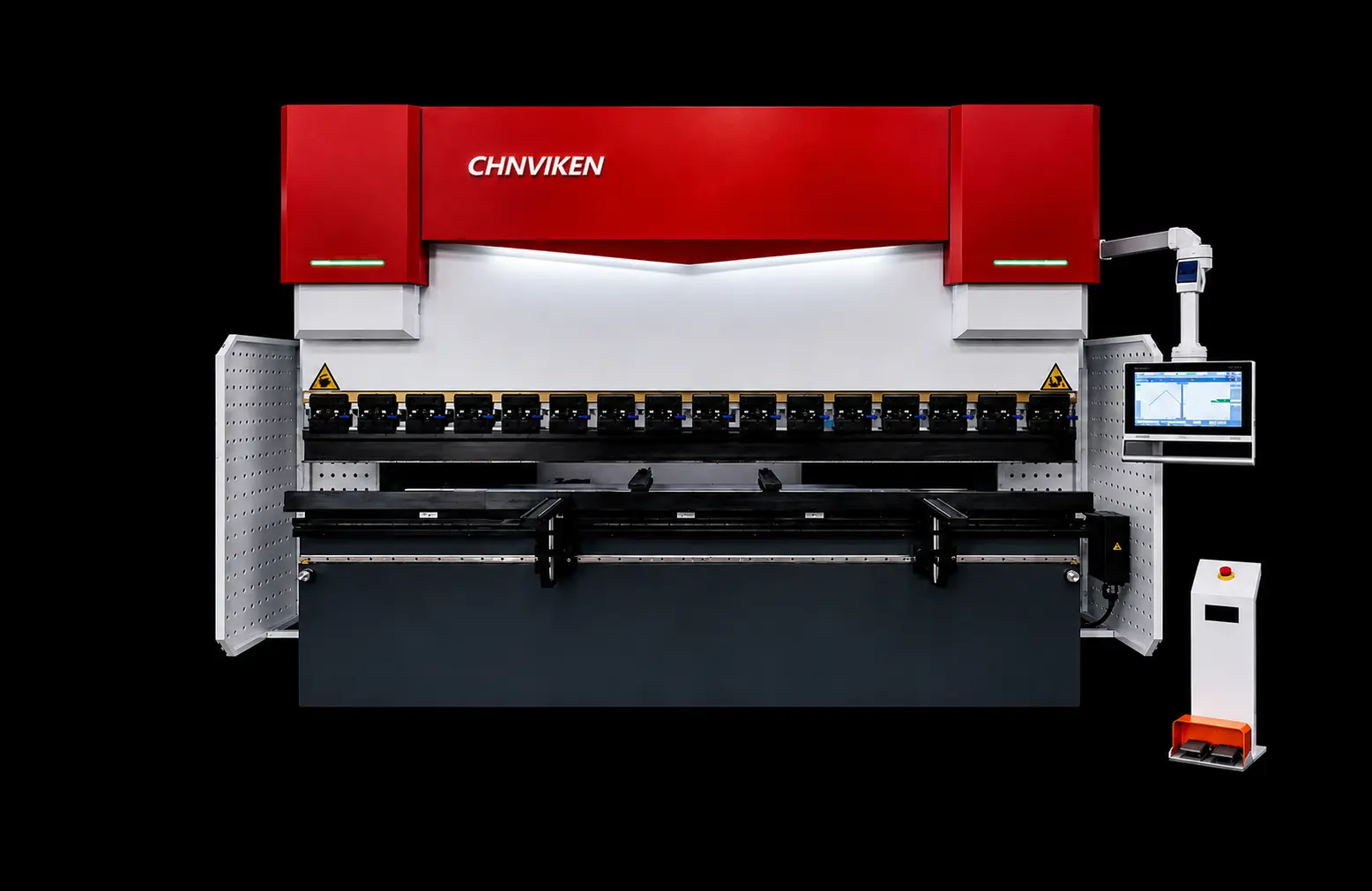
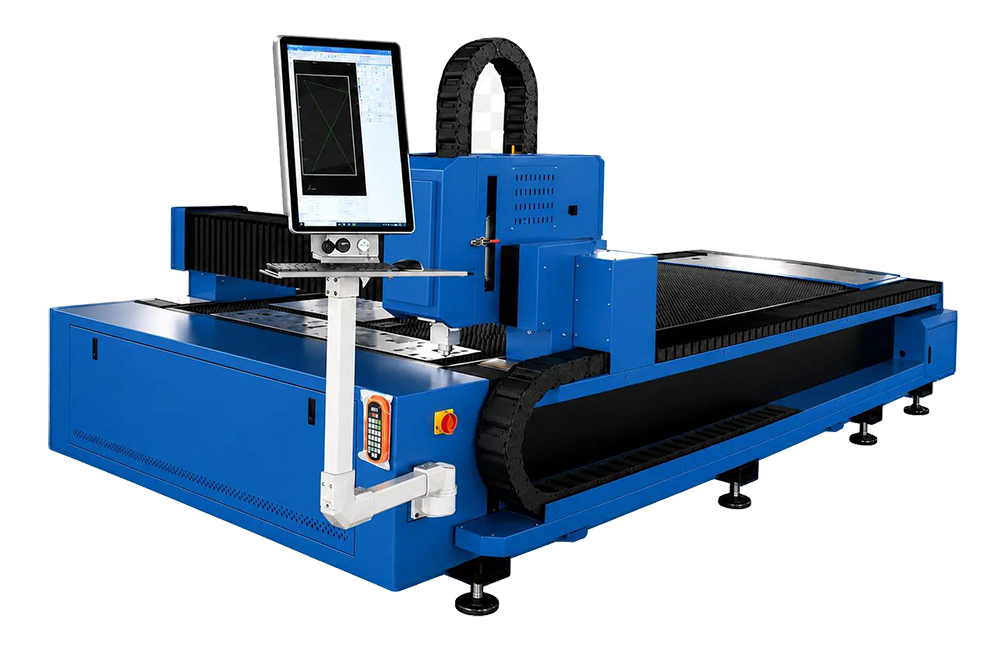
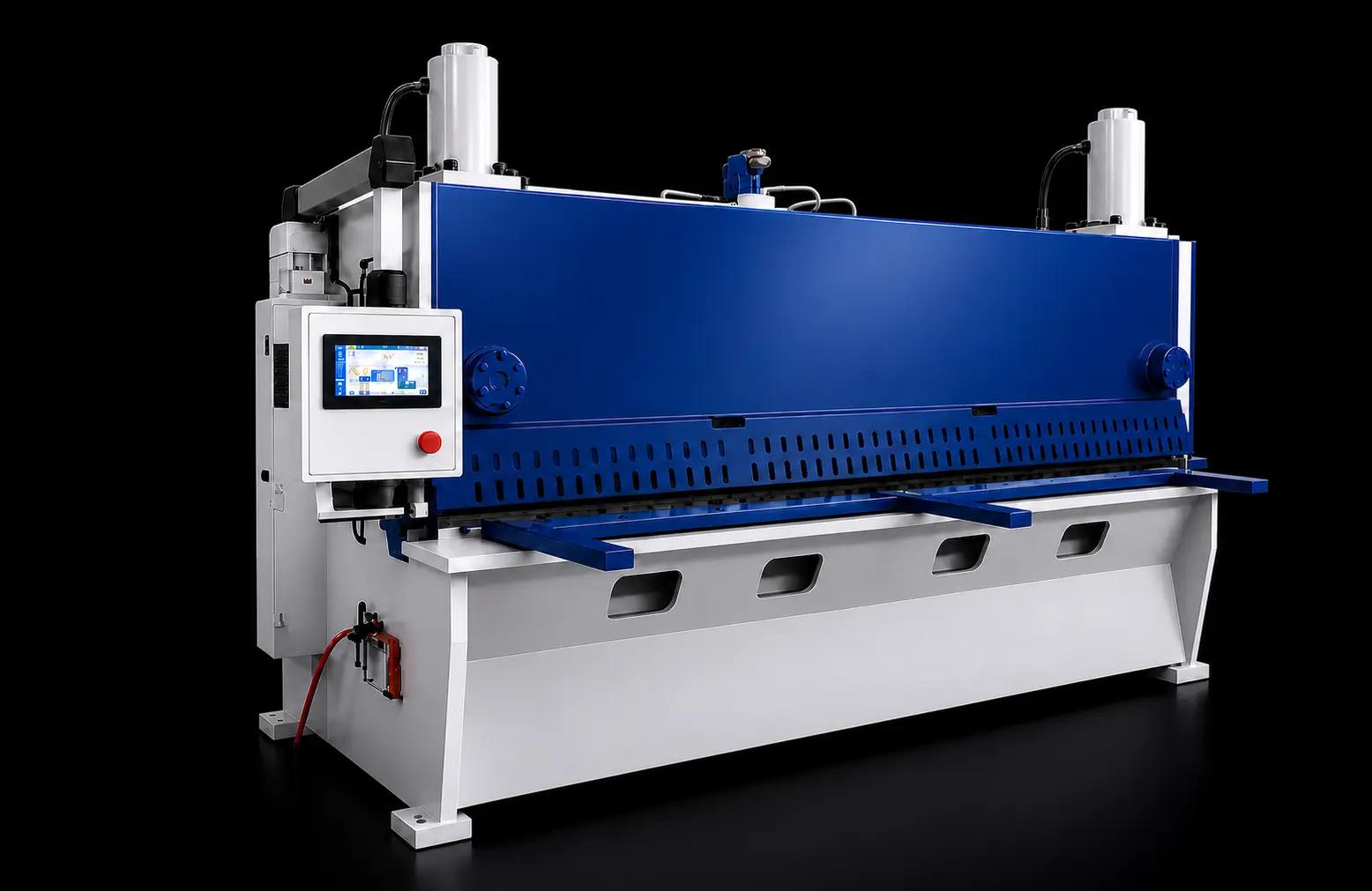
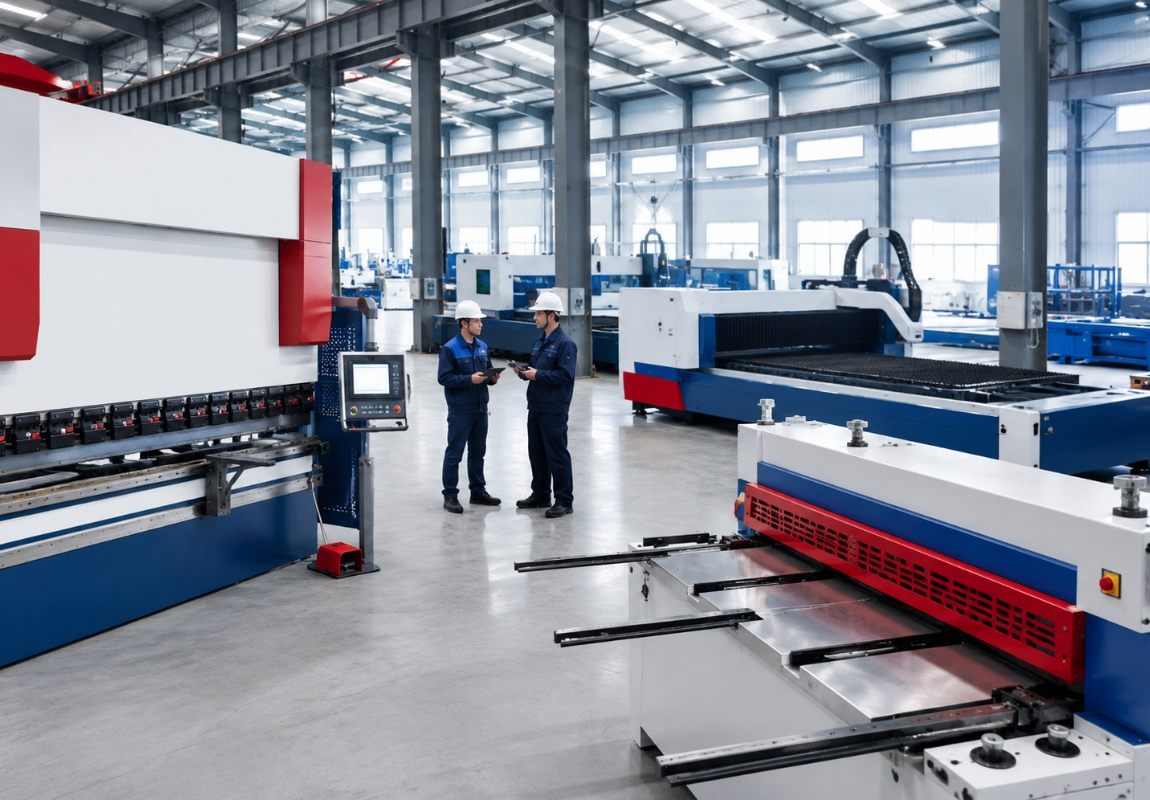
From press brakes and shearing machines to fiber laser cutters, plate rolling machines and hydraulic presses, VIKEN designs equipment around your material, thickness, working length, accuracy and production volume. Our engineers recommend the right machine configuration, controller, tooling and automation options to help you achieve stable quality, higher efficiency and lower operating costs.
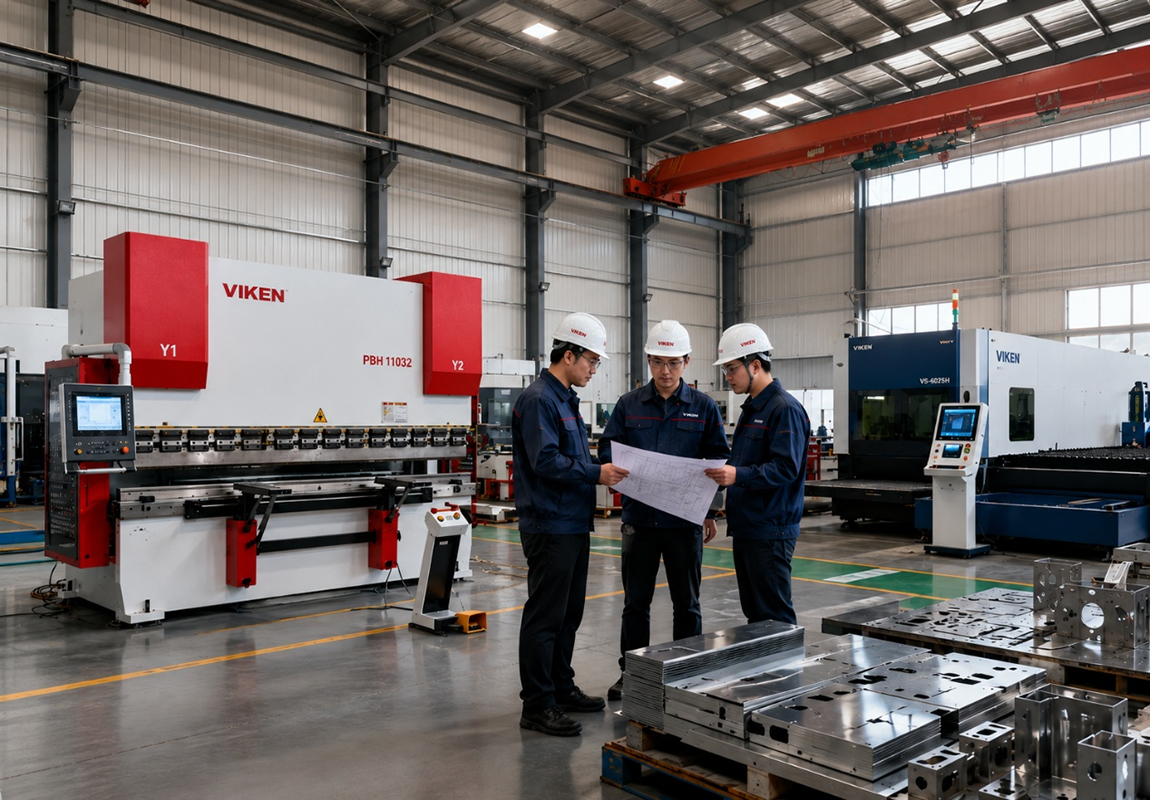
Upgrade from stand-alone machines to connected production. Integrate automated loading/unloading robotic arms, CNC bending cells, and fiber laser sheet feeders with reinforced floor foundations designed for vibration damping.
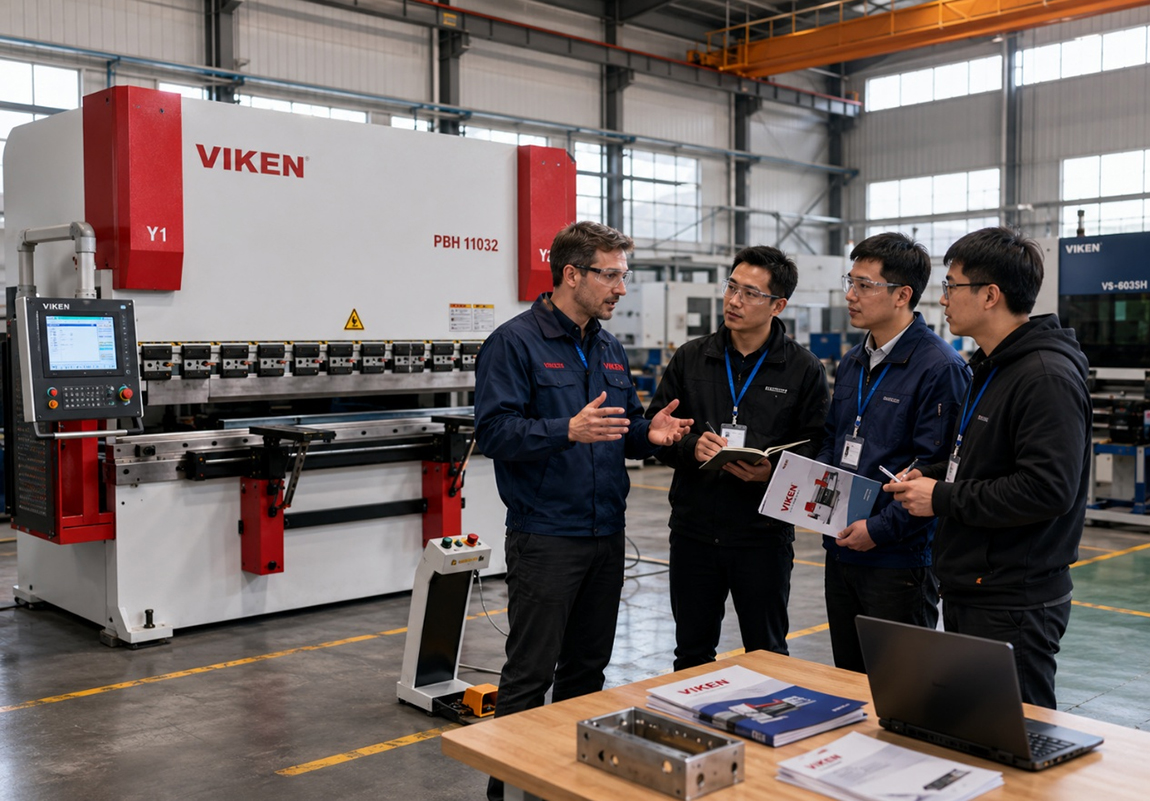
Full lifespan technical support, machine foundation layout consultation, preventative maintenance training, and global supply of precision spare parts and tooling accessories.
When engineering industrial concrete floors for commercial kitchen facilities and heavy metal fabrication plants, selecting the optimal joint filling material and slab reinforcement strategy dictates the operational lifespan of the entire facility floor.
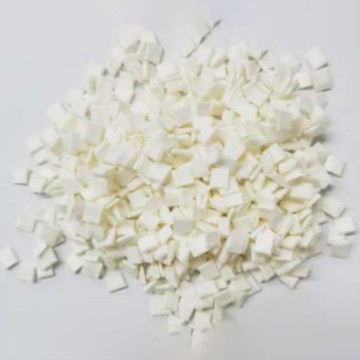
Semi-rigid polyurea joint fillers have largely superseded traditional polyurethane and epoxy sealants in modern industrial facilities. Unlike rigid epoxies, which can crack under dynamic impact or prevent normal concrete thermal movement, 100% solids semi-rigid polyureas provide a Shore A hardness of 80 to 95. This specific hardness range is stiff enough to support heavy steel-wheeled forklift traffic over joint edges without deflection, yet flexible enough to accommodate slight slab contraction without tearing or losing adhesion.
To achieve a zero-maintenance joint system in high-load commercial kitchen fabrication facilities, concrete floor slabs should integrate steel fiber or polypropylene macro-synthetic fiber matrix reinforcement:
Achieving optimal adhesion, sanitation, and load capacity with concrete floor joint fillers in commercial kitchens and metal fabrication shops requires strict adherence to professional application protocols:
Saw-cut control joints must be thoroughly cleaned using a dry-diamond blade machine to remove residual latency, dirt, and old sealant fragments. Vacuum out all micro-dust using industrial HEPA-filtered dust extractors to ensure maximum polyurea bonding to the concrete sidewalls.
Joint fillers must be placed to the full depth of saw-cut joints (minimum 3/8-inch depth or equal to the slab control cut depth). Avoid using foam backer rods in traffic joints, as full-depth filling is essential to transfer heavy wheel loads without joint collapsing.
Dispense semi-rigid polyurea joint filler slightly higher than the floor surface. Allow the material to cure into a solid state (typically 15 to 30 minutes for fast-curing polyurea), then shave the crown flush with the concrete slab using a razor-blade scraper. This creates a completely flat, seamless transition.
Inspect joint seals semi-annually in commercial kitchen areas to confirm no sealant separation has occurred under extreme thermal expansion. Replace compromised sections immediately to maintain a food-safe barrier against moisture and bacteria.
Explore our full portfolio of structural concrete fibers and heavy-duty floor armoured joint systems engineered for commercial kitchens, metalworking workshops, and industrial logistics facilities.