+86 13819274352
Leave Your Message
-
Contact WhatsApp
-
 Contact Phone
-
 Contact Email
Engineered to withstand the heavy static and dynamic loads of agricultural metal forming machinery.

The manufacturing landscape for agricultural machinery and farm equipment is undergoing a massive transformation. As modern farming demands larger, more powerful tractors, combines, and tillage implements, the metal forming machinery used to fabricate these structures has grown exponentially in size, capacity, and weight. Heavy sheet metal processing equipment—such as CNC press brakes, high-power fiber laser cutters, hydraulic shears, and stamping presses—requires an exceptionally stable foundation to maintain structural alignment and operational precision. In this industrial ecosystem, the concrete floor is no longer just a passive walking surface; it is a critical structural element engineered to bear extreme static loads, absorb high-frequency dynamic vibrations, and resist mechanical wear.
Without a properly designed concrete floor, modern high-precision metal forming tools like fiber lasers and CNC press brakes cannot operate within their designed tolerances. Even microscopic shifts in the slab can misalign laser paths or cause uneven bending in press brakes, leading to costly manufacturing errors.
Global demand for food production has catalyzed the expansion of the agricultural machinery market. Manufacturers are scaling up production lines to build heavier, more complex farm equipment. This surge has directly impacted the design and layout of manufacturing facilities. Modern metal forming workshops now feature heavy-duty machinery grouped in close proximity, creating complex stress patterns within the underlying concrete slabs.
Commercially, facility down-time due to floor failure is extremely expensive. Cracks in concrete slabs, joint spalling, or uneven settlement can halt the operation of automated guided vehicles (AGVs) and overhead cranes. Consequently, industrial developers and agricultural equipment manufacturers are investing heavily in high-performance concrete floor designs. The focus has shifted from traditional, thin rebar-reinforced slabs to thicker, fiber-reinforced, jointless, or armored-joint concrete floors that guarantee long-term durability and minimal maintenance.
Traditional saw-cut joints are the weakest point of any industrial concrete floor. The industry is moving toward jointless floor designs, achieved through high-dosage steel fiber reinforcement, to eliminate joint maintenance and facilitate smooth forklift operations.
Metal forming processes exert unique mechanical stresses on concrete floors. Understanding these stresses is essential for specifying the correct reinforcement and joint systems:
To mitigate these structural challenges, modern concrete floor design employs advanced reinforcement materials instead of or in combination with traditional steel rebar mesh:
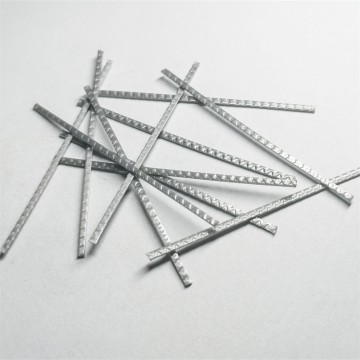
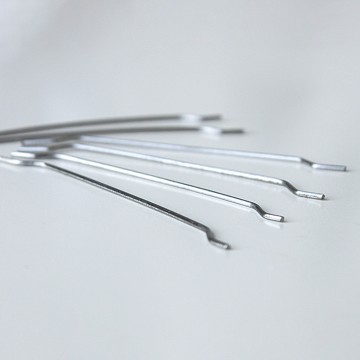
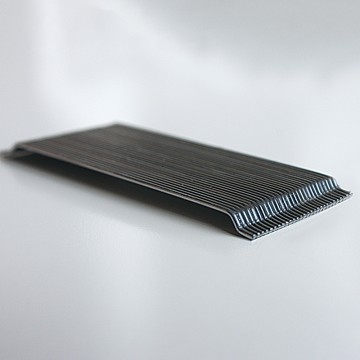
Integrating steel fibers directly into the concrete mix transforms the brittle concrete matrix into a ductile, composite material. Products like Loose Hooked End Steel Fiber and Glued Bundled Concrete Steel Fiber are distributed three-dimensionally throughout the concrete. The hooked ends anchor securely into the cement paste, providing excellent crack-bridging capabilities. When micro-cracks attempt to form under the dynamic loads of metal forming machinery, the steel fibers transfer the tensile stresses across the crack, preventing propagation and structural failure.
Glued bundled fibers offer an additional advantage: they disperse evenly during the mixing process without clumping, ensuring uniform structural properties throughout the entire depth of the slab. This is crucial for zones supporting high-tonnage press brakes and heavy shearing equipment.
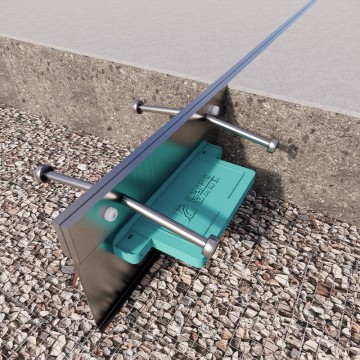
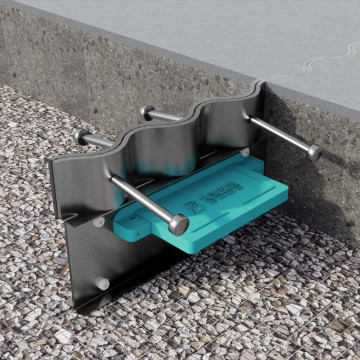
Concrete naturally shrinks as it cures, requiring the installation of joints. However, under the heavy wheel traffic of forklifts carrying agricultural steel components, traditional joints quickly break down and spall. Sinus Type Heavy Load Concrete Armoured Joints provide a continuous, wave-like transition across the joint gap. This design ensures that vehicle wheels are always supported by both sides of the joint, eliminating the impact shock associated with straight-edged joints.
For areas with lower traffic but still requiring edge protection, the Economic Straight Type Concrete Floor Armoured Joint offers robust steel-faced protection, preventing concrete edge crumbling and extending the operational lifespan of the factory floor.
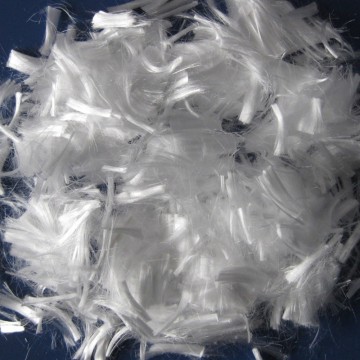
While steel fibers handle structural loads, synthetic fibers like Monofilament Type PP Fiber and PP Macro Synthetic Fiber address plastic shrinkage cracking during the early stages of concrete curing. By reducing micro-cracks at the surface level, PP fibers enhance the overall impermeability and impact resistance of the slab, preventing water and industrial fluids from penetrating and degrading the concrete matrix.
The most resilient industrial floors combine Macro PP Fibers for surface integrity, Steel Fibers for structural ductility under dynamic machinery, and Armoured Joints to protect slab transitions. This multi-layered approach ensures a maintenance-free life cycle exceeding 25 years.
In an agricultural machinery manufacturing plant, different zones require tailored concrete flooring strategies:
Laser Cutting Bays: Fiber laser cutting machines require extreme stability. Even minor floor vibrations from an adjacent shearing machine can cause cutting errors, ruining expensive steel plates. To prevent this, laser bays are often constructed on isolated concrete foundations reinforced with high-density steel fibers. These slabs are physically separated from the main warehouse floor using expansion joints to dampen vibration transfer.
Press Brake & Shearing Stations: These areas experience the highest dynamic loads. The concrete slab must be thicker (often 250mm to 350mm) and heavily reinforced with glued steel fibers to absorb the repetitive downward force of the bending cycle. The edges of these slabs, especially near material handling paths, must be protected with Sinus-type armored joints to withstand the constant pivoting of heavy forklifts.
The future of industrial concrete floors is digital. Sensors embedded within the concrete during casting can monitor temperature, moisture, and stress levels in real-time. For agricultural machinery plants, this means maintenance teams can predict slab fatigue or subgrade settling before visible cracks appear. Additionally, the integration of green, low-carbon concrete mixes reinforced with recycled steel fibers is helping manufacturers meet environmental sustainability goals without compromising on structural performance.
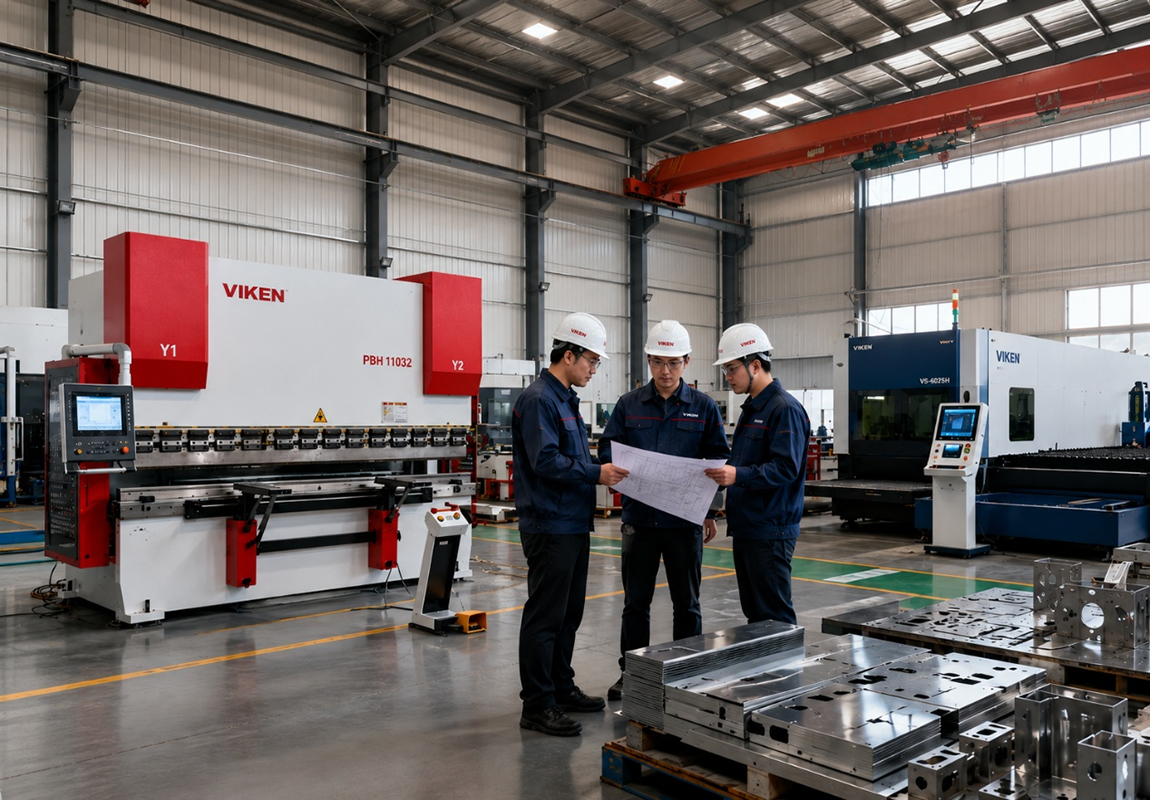
CHNVIKEN is a professional manufacturer specializing in the research, development, production, and export of sheet metal processing equipment. With more than 10 years of industry experience, we have grown from a local machinery supplier into a globally recognized brand serving customers in over 100 countries and regions.
Our product portfolio includes CNC Press Brakes, Hydraulic Shearing Machines, Fiber Laser Cutting Machines, Hydraulic Presses, Punching Machines, Ironworkers, Roll Bending Machines, and complete Duct Production Lines. We are committed to providing efficient, intelligent, and cost-effective solutions for sheet metal fabrication industries worldwide.

High-performance sheet metal processing systems designed to integrate seamlessly with reinforced concrete factory floors.
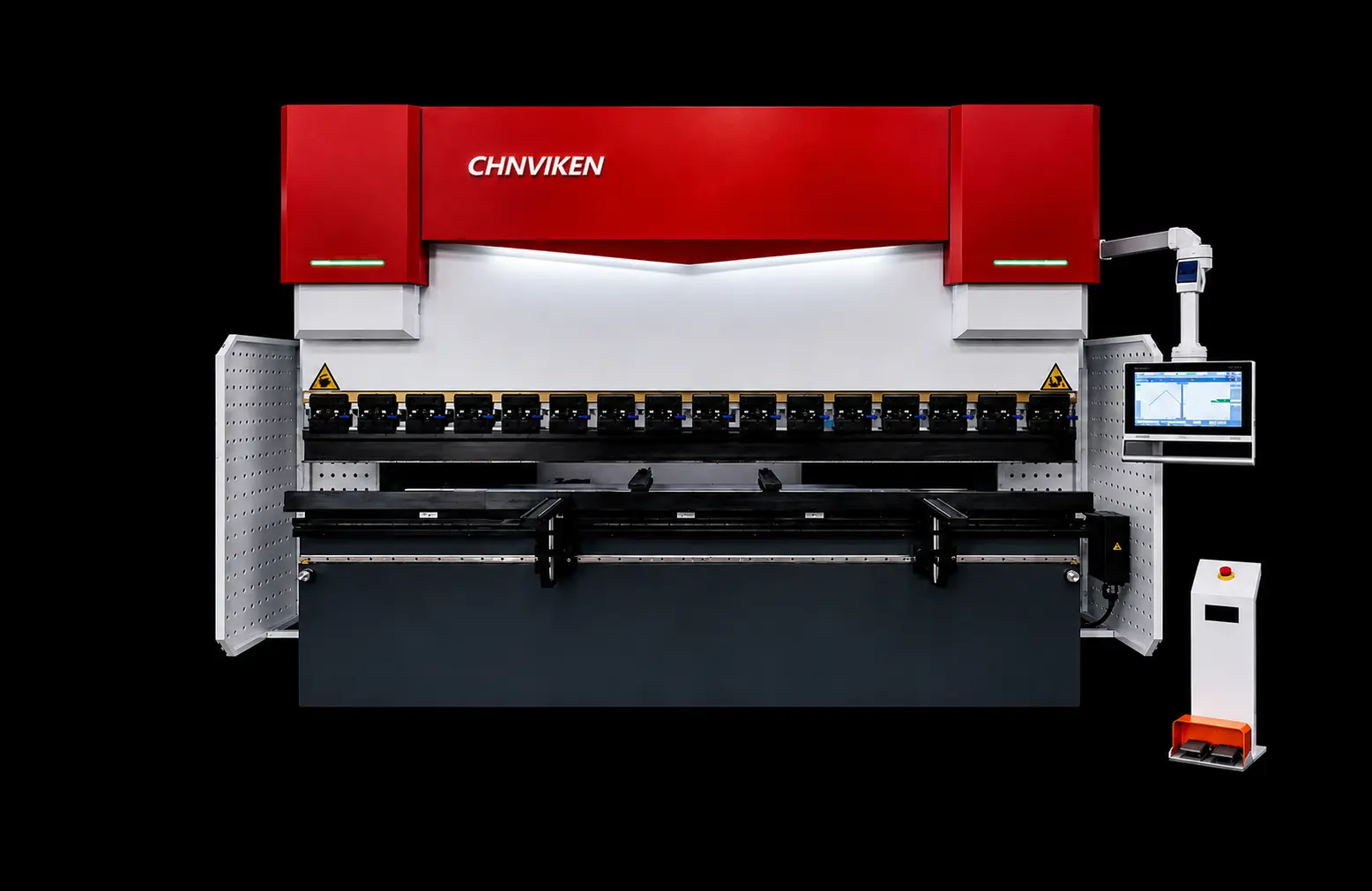
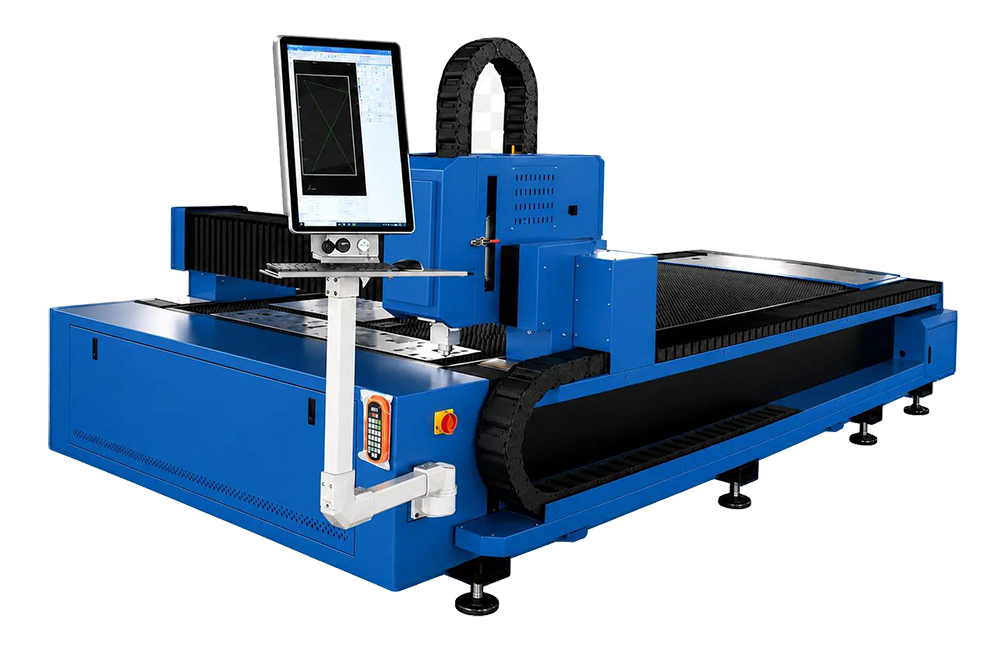
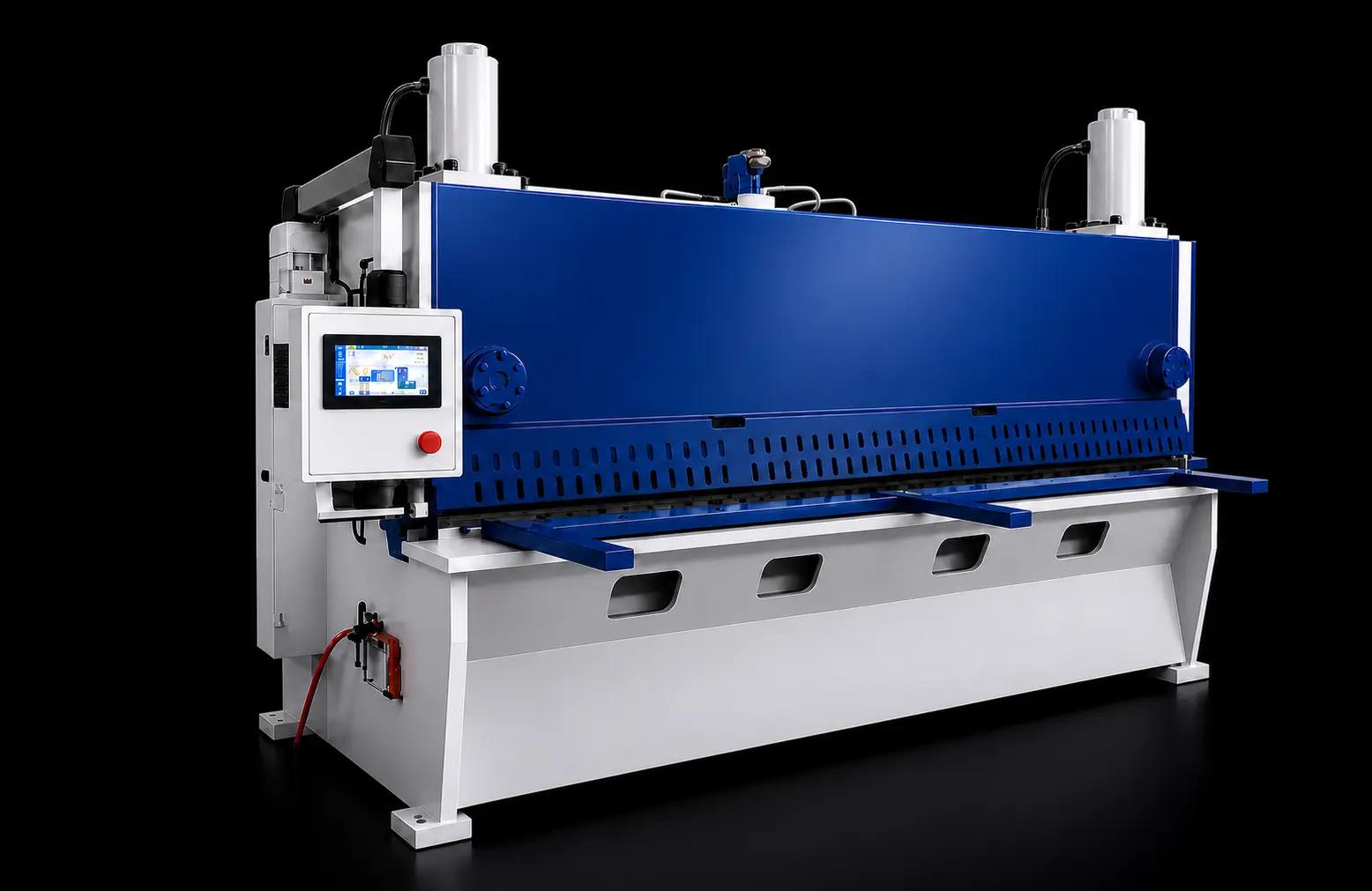
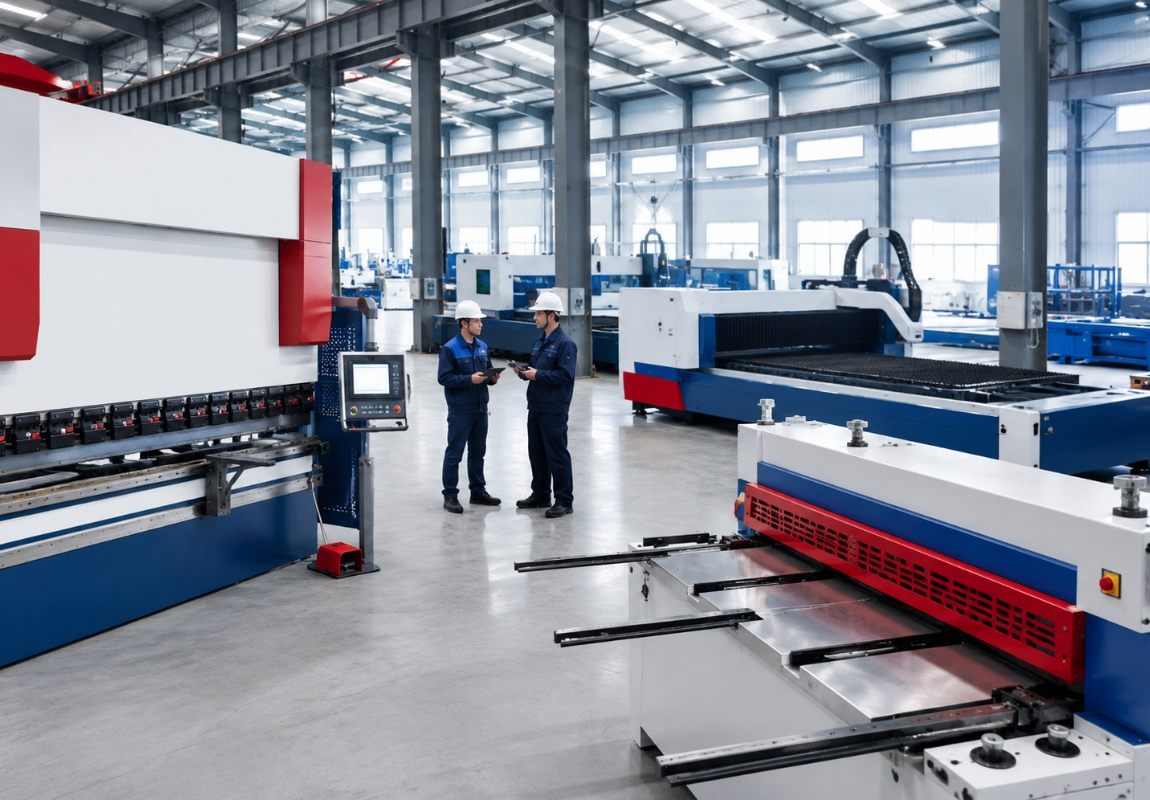
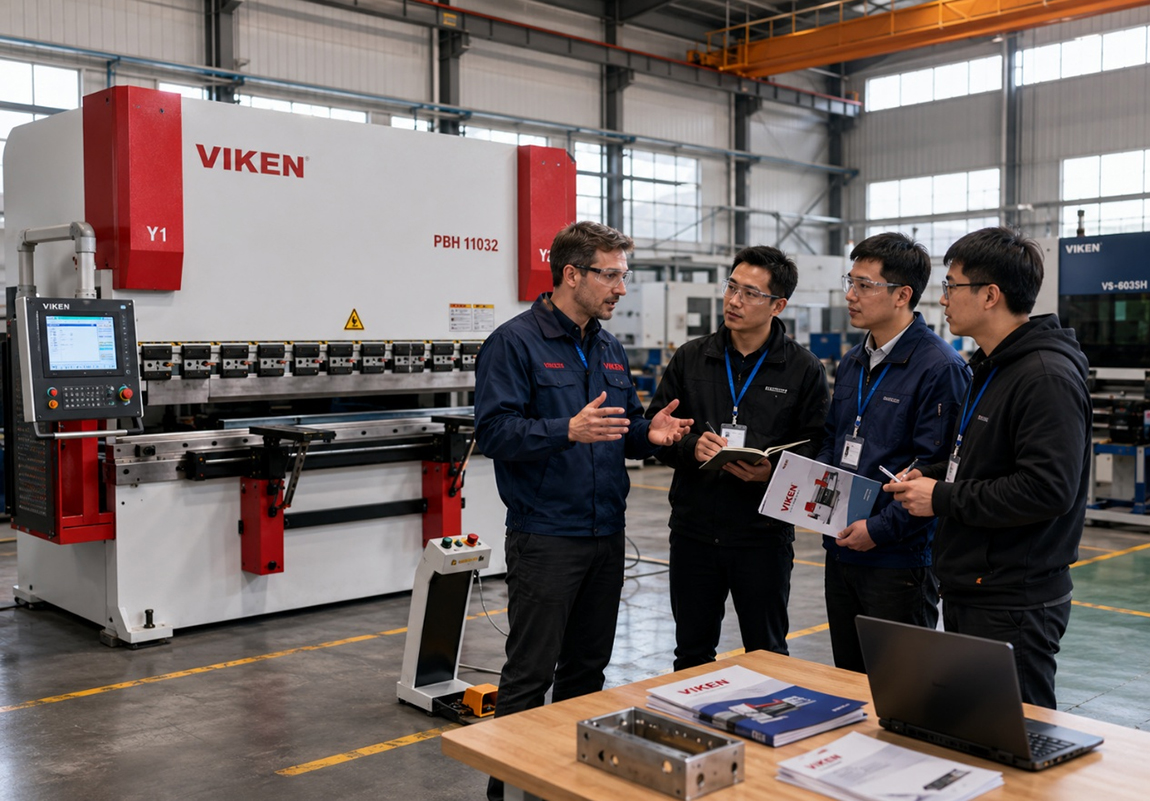
From press brakes and shearing machines to fiber laser cutters, plate rolling machines and hydraulic presses, VIKEN designs equipment around your material, thickness, working length, accuracy and production volume. Our engineers recommend the right machine configuration, controller, tooling and automation options to help you achieve stable quality, higher efficiency and lower operating costs.
Streamline your agricultural machinery production line by connecting separate metal forming stations with automated conveyors and central CNC management systems.
We provide complete layout blueprints, dynamic load calculations, and concrete slab specifications to ensure your floor is perfectly engineered for our heavy machinery.
Explore our full range of structural fibers and armoured joints designed for heavy-duty industrial floors.