+86 13819274352
Leave Your Message
-
Contact WhatsApp
-
 Contact Phone
-
 Contact Email
In modern industrial sheet metal processing—specifically within the manufacturing of HVAC (Heating, Ventilation, and Air Conditioning) ductwork, spiral pipes, rectangular ducting, sound attenuators, and commercial ventilation units—the foundation upon which heavy machinery rests is as critical as the machinery itself. Facilities housing ultra-high precision CNC Press Brakes, Fiber Laser Cutting Machines, Shearing Systems, and automated Duct Production Lines (such as Auto Duct Line 5 or Line 7) subject concrete floors to extreme dynamic impact, cyclical shock loads, heavy point pressures from steel coil cradles, and constant forklift transportation.
Without engineered concrete floor slabs utilizing advanced fiber reinforcement (such as glued steel fibers and synthetic micro-fibers) alongside heavy-duty armored joints, standard industrial floors succumb to micro-cracking, floor dusting, joint spalling, and differential settlement. Any minor slab deformation directly compromises machine leveling, laser head calibration, and bending accuracy, resulting in costly downtime, premature machine wear, and ruined sheet metal components.
CNC press brakes and hydraulic shearing units generate heavy repetitive kinetic shock. Glued steel fibers disperse impulse loads throughout the 3D concrete matrix, preventing structural punch-through.
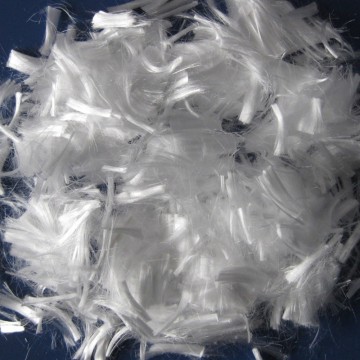
High-power fiber laser cutters demand TR34 / FM2 level slab flatness. Anti-shrinkage synthetic PP fibers eliminate surface micro-cracks that destabilize precision gantry tracks.
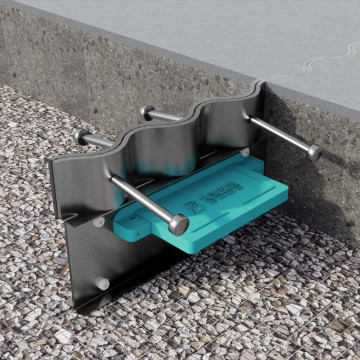
Heavy steel coils weighing over 10 tons moving on forklifts damage traditional cut joints. Sinusoidal armored joints ensure impact-free wheel transition across slab panel boundaries.
To produce high-quality air ducts, dampers, and ventilation housings, fabricators rely on a high-throughput setup of machinery. Below are key machines utilized in duct fabrication plants that directly influence floor load design criteria:

Essential for high-precision flange forming, duct bending, and enclosure fabrication. Requires reinforced concrete pad depth with steel fiber additives to absorb severe downward force spikes during multi-ton sheet bending cycles.

Used for ultra-fast, high-precision cutting of galvanized steel, stainless steel, and aluminum duct panels. Requires vibration-isolated, ultra-flat concrete slabs to guarantee sub-millimeter positioning accuracy.

Delivers high-capacity blanking and edge trimming of duct sheets. Shearing action generates powerful cyclic horizontal and vertical shear waves that require anchored armored slab expansion joints.
Commercial and industrial HVAC duct manufacturing has evolved from manual layout and hand-folding into fully automated, continuous production environments. Modern fabrication facilities deploy continuous coil processing lines, lockformers, auto-stiffening corrugators, and robotic plasma or laser cutting stations. This industrial evolution presents distinct mechanical challenges to concrete slab floors:
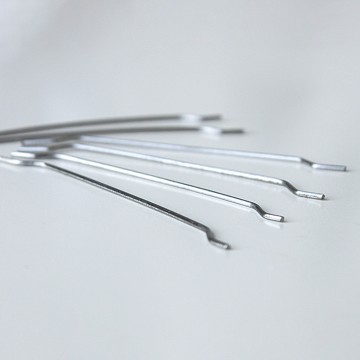
In standard HVAC workshops, raw galvanized steel coils (ranging from 0.5mm to 1.5mm thickness) are stored on heavy steel racks or transferred via overhead cranes and forklift boom attachments. A single coil payload often ranges between 5 to 15 metric tons. Placing these massive localized static loads onto standard unreinforced concrete floors results in flexural tensile cracking. By incorporating Glued Bundled Concrete Steel Fiber and Loose Hooked End Steel Fiber into the concrete mix design, structural engineers increase the flexural toughness (shear capacity) of the slab, eliminating the reliance on traditional mesh rebar while drastically accelerating construction speed.
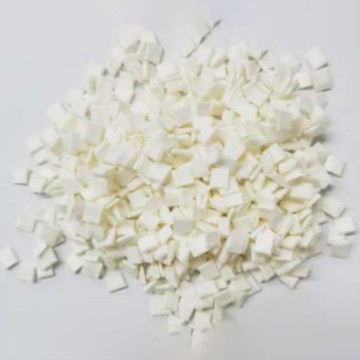
HVAC duct systems are responsible for supplying clean air to hospitals, semiconductor cleanrooms, commercial skyscrapers, and food processing facilities. Dust contamination inside newly fabricated ducts during manufacturing can ruin compliance with SMACNA or EN 1507 leakage and cleanliness standards. Traditional concrete floors wear under foot traffic and wheel abrasion, shedding alkaline silica dust. Incorporating Alkali Resistant Cellulose Fiber and Monofilament Type PP Fiber creates a dense, non-dusting concrete surface matrix that prevents micro-surface spalling and ensures cleanroom-grade manufacturing cleanliness inside the plant.
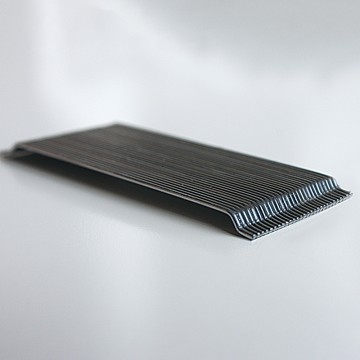
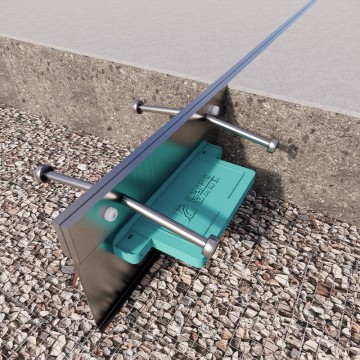
Heavy sheet metal bundles, finished rectangular ducts, and spiral pipes are moved continuously across the facility floor on heavy industrial forklifts. The most vulnerable points of any industrial concrete floor are the construction joints. When hard-wheeled material handling equipment crosses conventional cut joints, impact forces break down joint edges (spalling). Implementing Sinus Type Heavy Load Concrete Armoured Joints or Straight Type Heavy Load Armoured Joints transfers loads smoothly across panel gaps, eliminating shock impact to vehicle axles and preserving slab integrity over decades of continuous operation.

From press brakes and shearing machines to fiber laser cutters, plate rolling machines, and hydraulic presses, equipment is designed around your material thickness, working length, accuracy, and production volume while ensuring floor load compatibility.

Transition from stand-alone machines to connected production lines. Automated coil feeders, punch units, roll formers, and seam closure machines require continuous flat floors (Superflat FM2) to maintain high-speed line alignment.

Engineers recommend the right machine configuration, controller, tooling, and foundation layout options to help you achieve stable quality, higher efficiency, lower operating costs, and long-term facility durability.
CHNVIKEN is a professional manufacturer specializing in the research, development, production, and export of sheet metal processing equipment. With more than 10 years of industry experience, we have grown from a local machinery supplier into a globally recognized brand serving customers in over 100 countries and regions.
Our product portfolio includes CNC Press Brakes, Hydraulic Shearing Machines, Fiber Laser Cutting Machines, Hydraulic Presses, Punching Machines, Ironworkers, Roll Bending Machines, and complete Duct Production Lines. We are committed to providing efficient, intelligent, and cost-effective solutions for sheet metal fabrication industries worldwide.

As duct fabrication transitions toward Industry 4.0 standard practices, several key advancements are shaping the design and execution of industrial concrete floors:
Modern HVAC manufacturing plants are replacing traditional overhead cranes with Automated Guided Vehicles (AGVs) to transport sheet steel blanks and finished duct sections between cutting, bending, and assembly stations. AGVs require extreme surface levelness (TR34 Superflat classification) and static-dissipative floor properties. Fiber-reinforced concrete combined with armored joints ensures seam-free AGV navigation paths without floor joint bumps that trigger robot emergency stops.
Leading HVAC plant contractors now favor hybrid fiber reinforcement designs. By combining structural steel fibers (for load capacity and flexural post-crack strength) with synthetic micro-fibers (PP or cellulose fibers for plastic shrinkage mitigation and surface cohesion), engineers can construct jointless or joint-extended concrete slabs exceeding 40 meters in width without traditional saw-cut relief joints.
Industrial facility developers are under increasing pressure to reduce the embodied carbon of new plant construction. Replacing energy-intensive welded wire mesh and heavy rebar grids with high-performance glued steel fibers reduces steel tonnage, lowers transport emissions, and significantly slashes construction schedules while providing superior multi-directional reinforcement for heavy equipment installation.