+86 13819274352
Leave Your Message
-
Contact WhatsApp
-
 Contact Phone
-
 Contact Email
The global transition toward clean energy has triggered an unprecedented surge in the demand for Battery Energy Storage Systems (BESS). These massive, complex utility-scale battery systems require high-precision protective enclosures to shield sensitive lithium-ion cells, control systems, and thermal management units from harsh environmental conditions. The manufacturing of these heavy-duty enclosures is an advanced industrial process that involves massive automated sheet metal processing machinery, including high-capacity laser cutters, CNC press brakes, and robotic welding stations.
At the core of these state-of-the-art manufacturing facilities lies an often overlooked but absolutely critical structural element: the industrial concrete floor. The slab-on-ground in a high-precision BESS enclosure manufacturing plant is subjected to extreme mechanical stresses. From the static loads of multi-ton steel coils and heavy hydraulic presses to the dynamic loads of automated guided vehicles (AGVs) and heavy forklifts, these floors must perform flawlessly. Any structural failure, cracking, or surface unevenness can compromise the alignment of high-precision CNC machinery, leading to production defects, downtime, and safety hazards.
As BESS enclosures grow in physical scale and structural complexity, the manufacturing tolerance of their sheet metal panels has shrunk to sub-millimeter levels. To achieve this accuracy, the CNC Press Brakes and Fiber Laser Cutters must operate on a concrete slab that exhibits zero deflection, zero joint-curling, and exceptional vibration-damping properties.
Designing concrete floors for new energy storage enclosure manufacturing requires a deep understanding of the specific operational zones within the facility. Each zone presents unique challenges that must be addressed through tailored concrete mix designs and reinforcement strategies:
CNC Press Brakes and hydraulic shearing machines exert massive localized static and dynamic loads. During bending operations, these machines transfer substantial cyclical forces down into the concrete foundation. Standard steel-reinforced concrete slabs are prone to fatigue cracking under these conditions. The integration of Glued Bundled Concrete Steel Fiber provides three-dimensional isotropic reinforcement, drastically increasing the fatigue resistance and load-bearing capacity of the slab directly beneath these heavy machines.
Modern fiber laser cutting systems operate at rapid speeds with high acceleration and deceleration rates. To maintain cutting precision, the machine bed must remain perfectly level. Even minor vibrations transmitted through the floor from nearby forklift traffic can cause micro-deviations in the laser cut. A jointless concrete floor design utilizing PP Macro Synthetic Fiber combined with armored joints minimizes vibration transmission and eliminates joint curling, ensuring the laser cutting systems operate under optimal conditions.
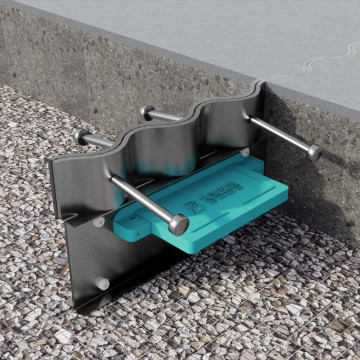
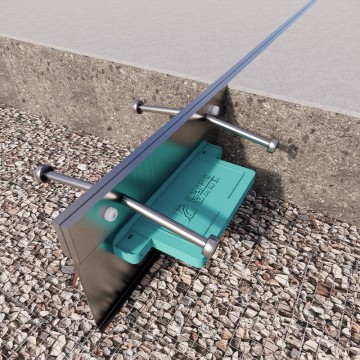
Gigafactories increasingly rely on Automated Guided Vehicles (AGVs) to transport raw materials and finished energy storage enclosures. AGVs follow precise, pre-programmed paths, meaning their wheels run over the exact same tracks thousands of times a day. This repetitive traffic causes extreme channelized wear on the concrete floor, particularly at the joints. Traditional saw-cut joints quickly break down under this stress. Using Sinus Type Heavy Load Concrete Armoured Joints ensures a smooth, impact-free transition for AGVs, preventing wheel damage and floor spalling.
To meet the stringent performance metrics required for high-precision manufacturing floors, traditional rebar reinforcement is no longer sufficient. Modern civil engineering relies on a combination of advanced fibers and heavy-duty joint systems to create high-performance composite concrete slabs.
Plastic shrinkage cracking is one of the primary vulnerabilities of concrete during its early curing phase. Monofilament Type PP Fiber for Concrete and Mesh Type PP Fiber act as a secondary reinforcement network. They disperse throughout the concrete matrix to block the propagation of micro-cracks before they can develop into structural failures. For structural load-bearing enhancements, PP Macro Synthetic Fiber offers an excellent corrosion-free alternative to traditional steel mesh, improving post-crack ductility and impact resistance.
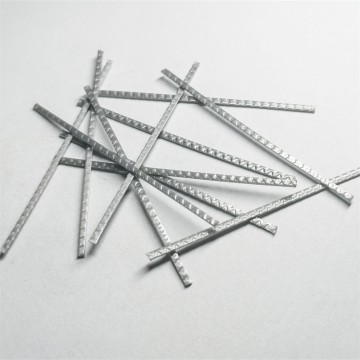
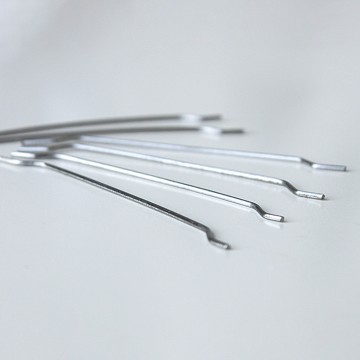
For heavy-duty industrial floors, Glued Bundled Concrete Steel Fiber and Loose Hooked End Steel Fiber are the gold standards. These fibers bind the concrete matrix together, providing high tensile strength and preventing crack propagation under heavy wheel loads and machine vibrations. By distributing tensile stresses uniformly in all directions, steel fibers allow engineers to design thinner slabs with higher load capacities, reducing overall material costs and carbon emissions.
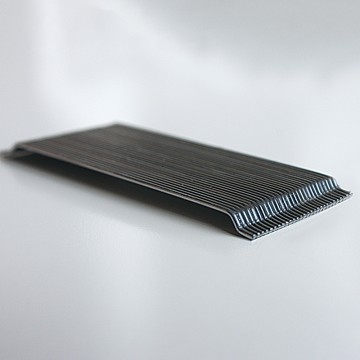
Joints are the weakest points of any industrial concrete floor. Under heavy loads, concrete slabs tend to curl at the joints due to differential drying shrinkage. The installation of Straight Type Heavy Load Concrete Armoured Joints protects the slab edges from impact damage caused by hard-wheeled traffic. For even higher performance, the Sinus Type Heavy Load Concrete Armoured Joint features a sinusoidal wave design that allows wheels to cross the joint without feeling any impact, completely eliminating vibration and ensuring the smooth transit of sensitive electronic components and finished BESS enclosures.
High-precision concrete floors are built to support high-precision manufacturing equipment. Below is our strategic sheet metal processing machinery portfolio, engineered to fabricate top-tier energy storage enclosures.

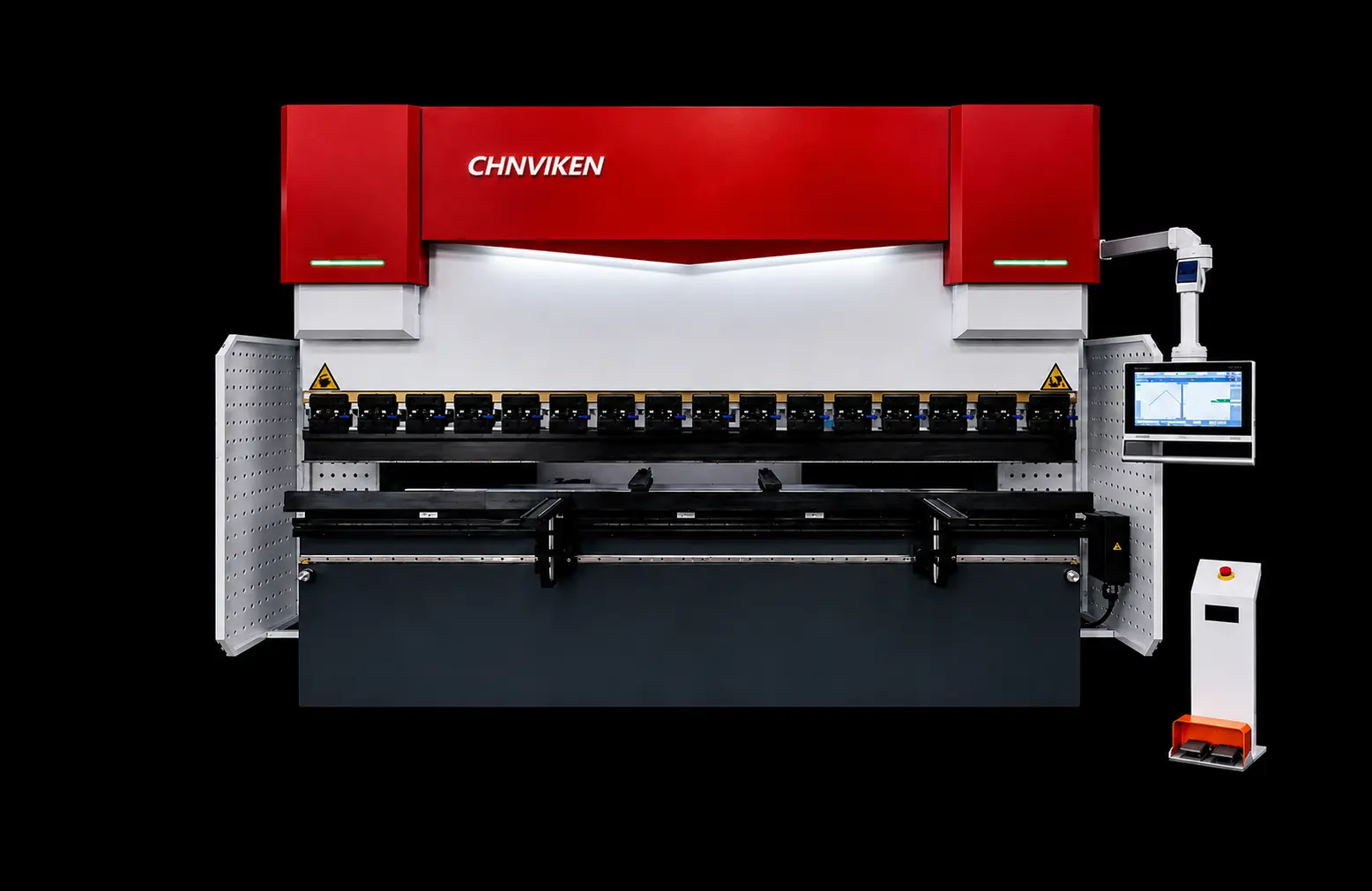
Heavy-duty systems requiring high-precision concrete flooring foundations
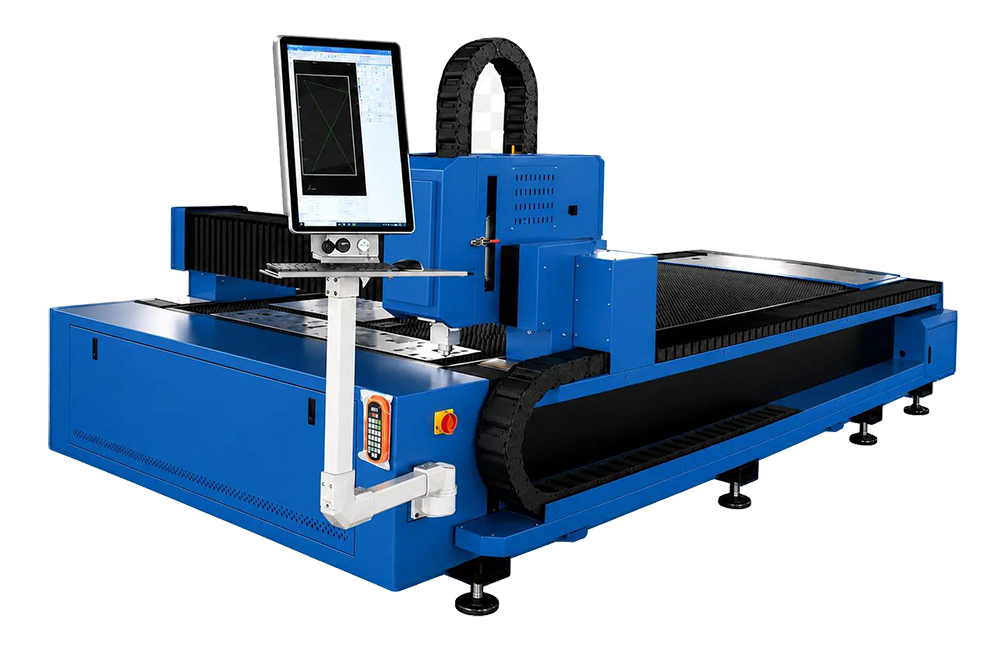
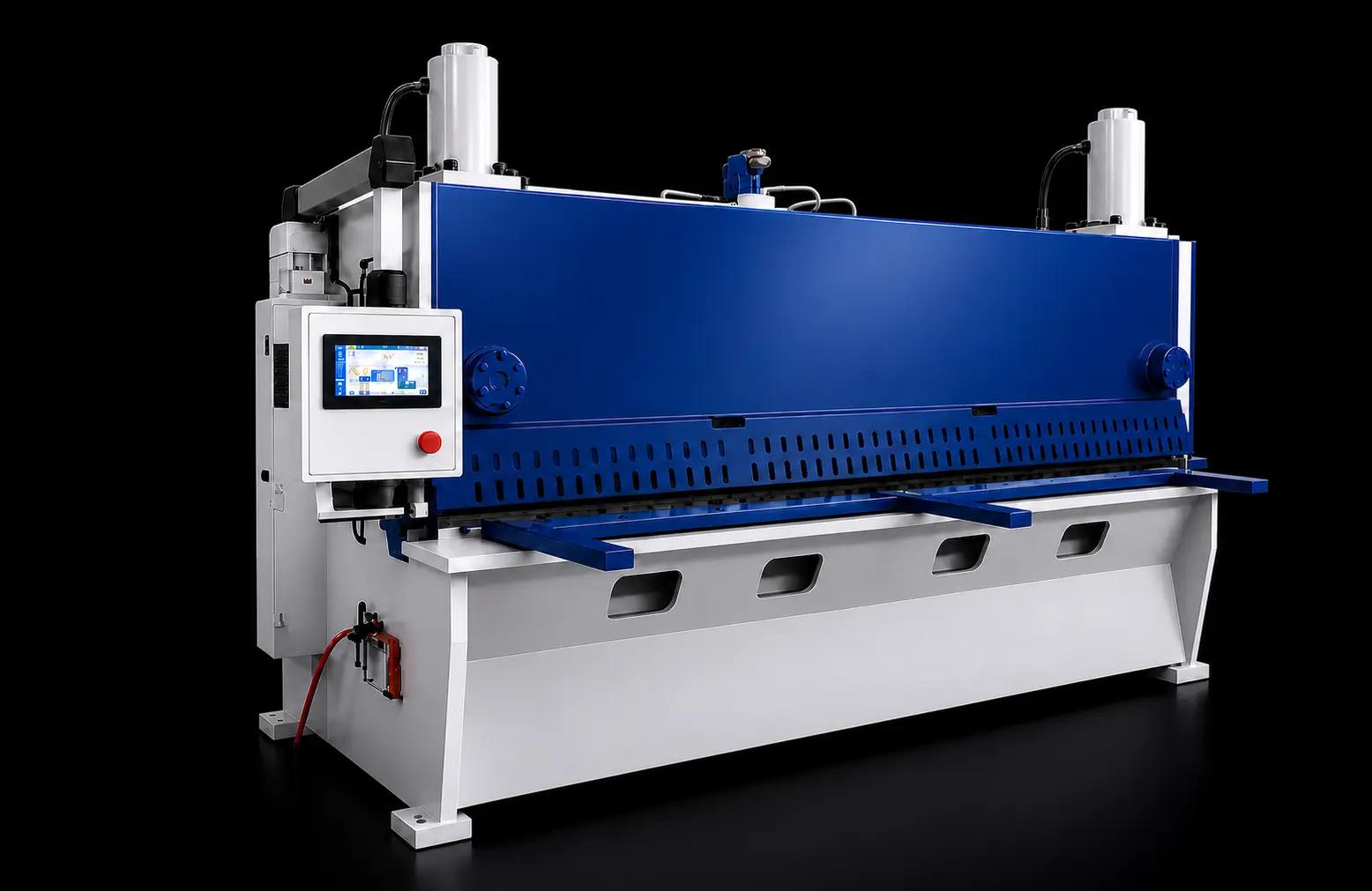
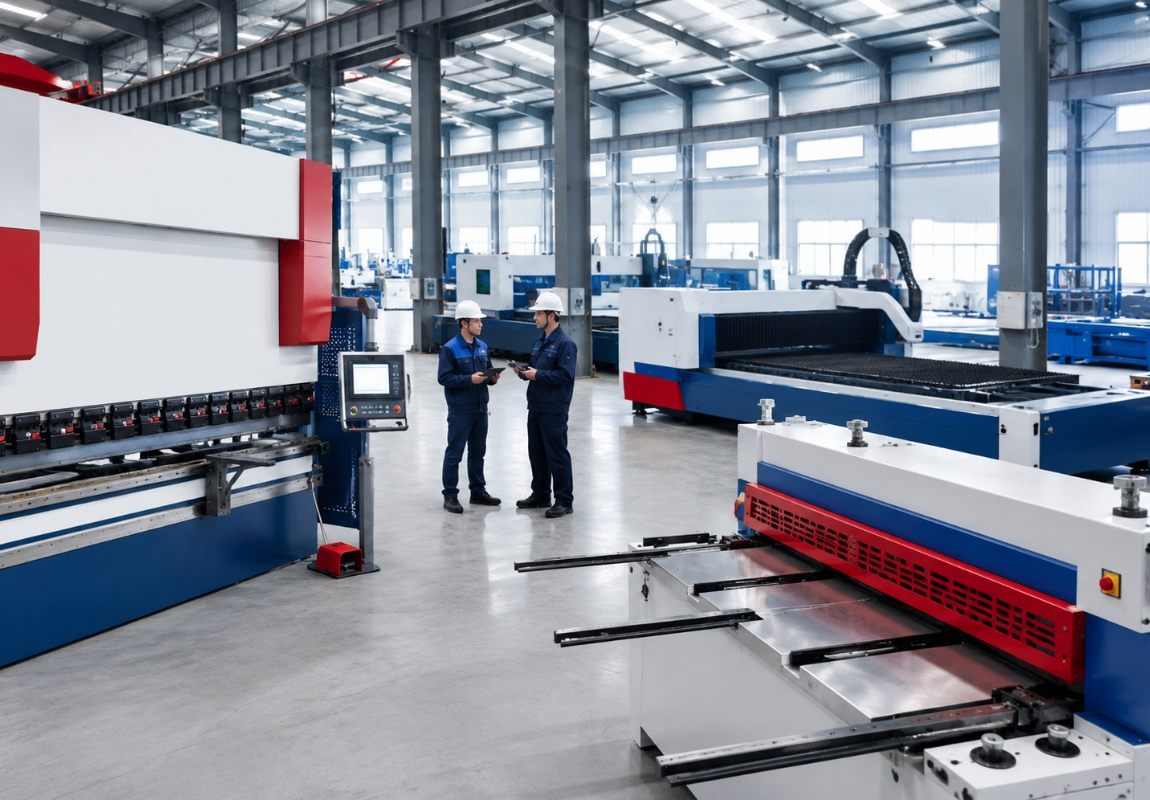
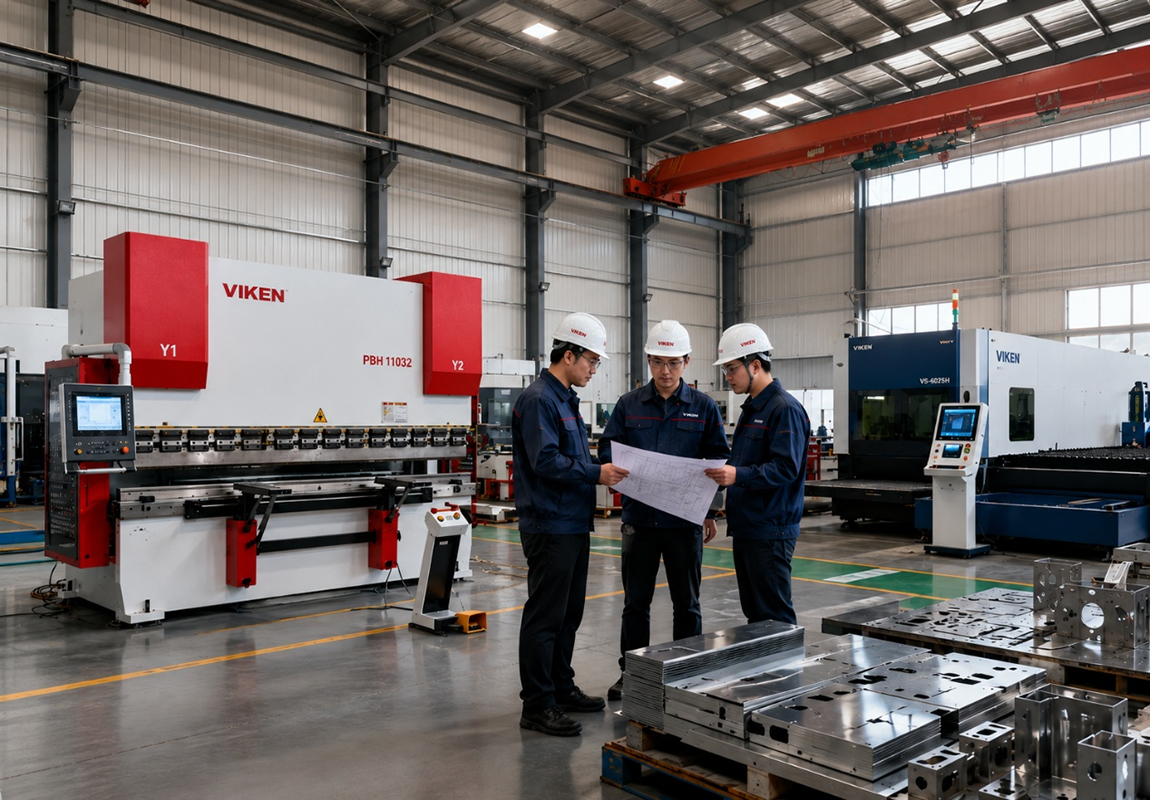
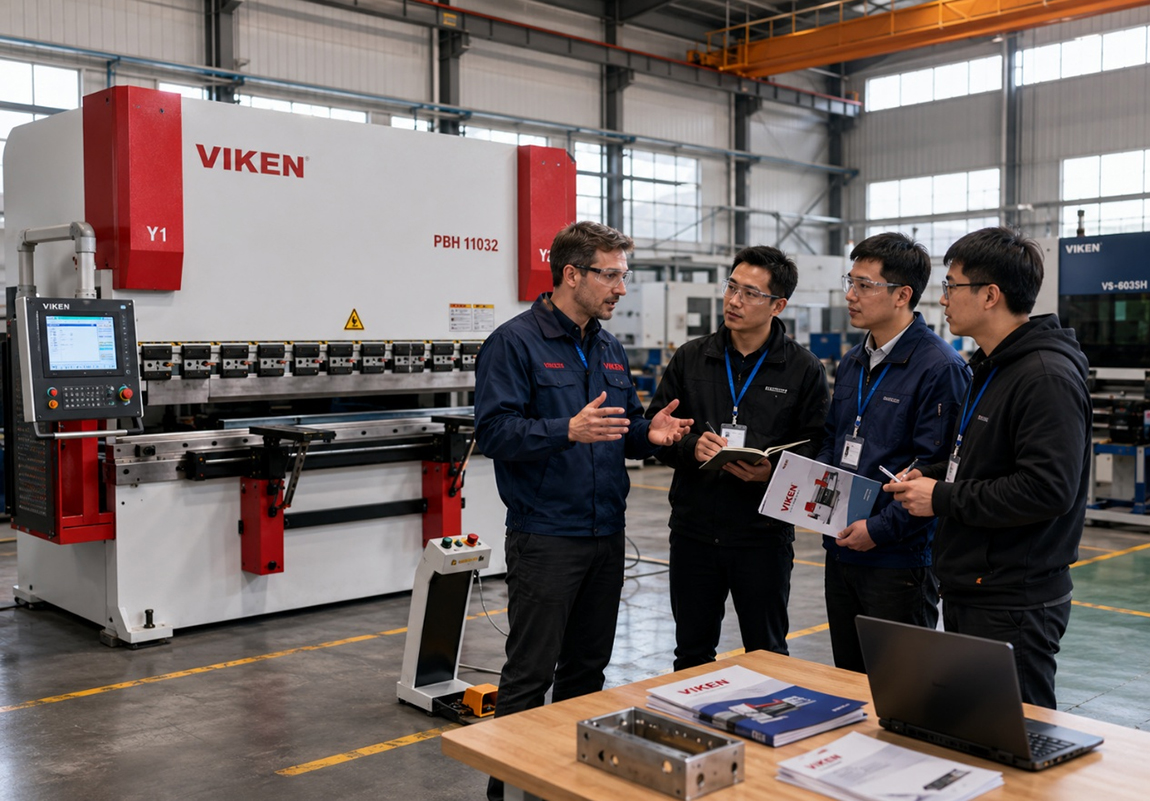
From press brakes and shearing machines to fiber laser cutters, plate rolling machines and hydraulic presses, VIKEN designs equipment around your material, thickness, working length, accuracy and production volume. Our engineers recommend the right machine configuration, controller, tooling and automation options to help you achieve stable quality, higher efficiency and lower operating costs.
Integrate your production line with automated loading and unloading systems, conveyor belts, and smart factory control networks to maximize output and minimize manual handling.
We provide detailed machine foundation drawings and concrete specifications (such as fiber reinforcement dosages and flatness tolerances) to ensure your facility floor is ready to handle our heavy machinery.
As the energy storage industry expands, the construction of manufacturing plants must align with global sustainability goals. Concrete production is historically carbon-intensive. However, the integration of green reinforcement materials, such as Alkali Resistant Cellulose Fiber for Concrete, offers a sustainable alternative. Cellulose fibers derived from renewable wood pulp can significantly reduce the carbon footprint of concrete mixes while providing excellent micro-crack control and improving the durability of the slab.
Furthermore, the future of industrial flooring is moving towards "Smart Concrete." By embedding fiber-optic sensors and piezo-resistive elements into the fiber-reinforced concrete matrix, factory operators can monitor slab stresses, internal moisture levels, and structural deflections in real-time. This data-driven approach allows for predictive maintenance, preventing floor failures before they affect the calibration of high-precision CNC press brakes or laser cutters.
In conclusion, engineering the ideal concrete floor for new energy storage enclosure manufacturing is a multidisciplinary task. It requires balancing the high-precision machine specifications of equipment manufacturers like CHNVIKEN with advanced concrete reinforcement technologies. By utilizing high-performance steel fibers, synthetic fibers, and armored joint systems, developers can construct ultra-flat, durable, and maintenance-free floors that serve as the reliable foundation for the global green energy transition.