+86 13819274352
Leave Your Message
-
Contact WhatsApp
-
 Contact Phone
-
 Contact Email
Brazil's construction sector is undergoing a massive transformation. With major federal investments in infrastructure through the *Programa de Aceleração do Crescimento* (PAC) and a booming residential real estate market in metropolitan areas like São Paulo, Rio de Janeiro, and Belo Horizonte, the demand for advanced building materials has never been higher. Among these innovations, **Cellulose A Fiber** has emerged as a critical component for modern concrete reinforcement and mortar formulations.
As a premier exporter and vendor serving the Brazil market, we recognize that the tropical climate of Brazil presents unique challenges for concrete durability. High temperatures, seasonal humidity fluctuations, and intense UV exposure accelerate the drying process of concrete, leading to plastic shrinkage cracks. Durable Cellulose A Fiber addresses these issues by providing superior water retention, structural reinforcement, and outstanding alkali resistance within the cementitious matrix.
Unlike synthetic alternatives, Cellulose A Fiber is a natural, biodegradable polymer structure that exhibits high hydrophilic properties. In regions like Northeast Brazil or the humid Amazonian basin, it regulates moisture during the curing phase, ensuring that the concrete cures uniformly without micro-cracking.
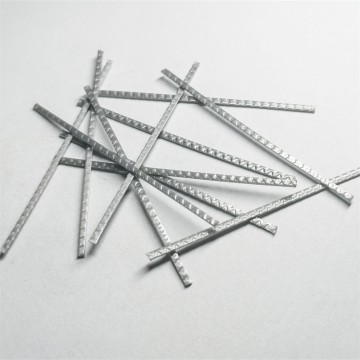
Historically, the Brazilian construction market relied heavily on traditional steel mesh reinforcements. However, the rising cost of steel and the logistical challenges of transporting heavy materials across Brazil's vast territory have driven engineers toward fiber-reinforced concrete (FRC). Cellulose A Fiber, along with polypropylene (PP) and steel fibers, has gained substantial market share.
In Brazil's industrial flooring sector—particularly in logistics hubs in Curitiba, Campinas, and Porto Alegre—the combination of Cellulose A Fiber and macro-synthetic fibers is becoming the standard. This hybrid reinforcement system reduces labor costs, speeds up construction timelines, and provides a highly durable surface capable of handling heavy machinery and continuous forklift traffic.
Our specialized fiber products are tailored for key Brazilian infrastructure and commercial applications:
Brazil is a leading country in Latin America for LEED (Leadership in Energy and Environmental Design) certified projects. The Brazilian Green Building Council (GBC Brasil) actively promotes materials that lower the carbon footprint of buildings. Cellulose A Fiber, being derived from renewable wood pulp sources, aligns perfectly with these sustainability goals. By replacing carbon-intensive synthetic fibers and reducing the overall volume of steel required in concrete structures, builders can secure higher environmental ratings for their projects.







From press brakes and shearing machines to fiber laser cutters, plate rolling machines and hydraulic presses, VIKEN designs equipment around your material, thickness, working length, accuracy and production volume. Our engineers recommend the right machine configuration, controller, tooling and automation options to help you achieve stable quality, higher efficiency and lower operating costs.
We provide localized automation systems and software integration to help Brazilian metal fabricators transition into Industry 4.0 smart factories.
Our dedicated technical support network ensures rapid spare parts delivery and on-site engineering maintenance services across all major Brazilian industrial hubs.