+86 13819274352
Leave Your Message
-
Contact WhatsApp
-
 Contact Phone
-
 Contact Email
In modern high-rise architecture, industrial complexes, and commercial logistics hubs, the intersection of vertical transit systems and horizontal structural slabs represents a highly complex engineering environment. Elevator lobbies and shafts are subject to continuous dynamic forces, structural settling, and temperature fluctuations. The installation of a specialized Floor Control Joint for Elevator Door and Frame structures is critical to preventing structural concrete failure, ensuring building safety, and maintaining the flawless operation of elevator doors.
Simultaneously, the structural metal frames and doors themselves require absolute geometric precision. This level of accuracy is only achievable through advanced Precision Panel Bending technology. When heavy loads transition from a concrete floor slab onto an elevator car, the stress concentrated at the threshold is immense. Without a proper floor control joint system and a perfectly aligned door frame, structural cracking, door jamming, and safety mechanism failures are inevitable.
Elevator thresholds must withstand intense localized dynamic loading from pallet jacks, forklifts, heavy foot traffic, and structural building shifts. Precision-engineered floor control joints absorb these movements while maintaining a perfectly level transition zone.
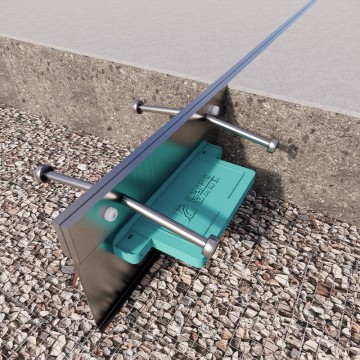
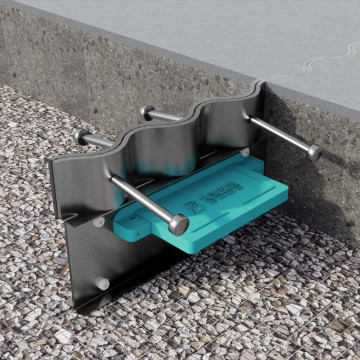
As global supply chains expand, the demand for large-scale distribution centers and multi-story logistics hubs has surged. In these facilities, heavy-duty freight elevators are the lifeblood of vertical transport. Standard building construction joints are insufficient for these high-stress environments. Industrial developers are increasingly adopting high-performance concrete armoured joints, such as straight-type and sinus-type armoured joints, at elevator entrances.
Furthermore, the growth of automated warehouses utilizing Automated Guided Vehicles (AGVs) and Autonomous Mobile Robots (AMRs) has placed stricter demands on floor flatness. An uneven joint at an elevator entrance can disorient a robot's sensors or damage its drive wheels. Consequently, the commercial sector has shifted toward integrated floor control joints that guarantee seamless transitions and zero-impact crossings.
The successful installation of an elevator door frame and sill requires a multi-stage engineering approach where metal fabrication and structural concrete pouring must align perfectly.
When a heavy vehicle enters an elevator, the edge of the concrete slab experiences severe shear stress. Armoured joints use heavy-duty steel plates anchored deep into the concrete to distribute this load across the slab boundary. The steel plates must be bent with extreme accuracy to form a channel that perfectly houses the elevator door sill.
Elevator shafts are concrete towers that settle at different rates compared to the surrounding floor slabs. Floor control joints allow for horizontal movement (parallel and perpendicular to the joint) while preventing vertical displacement. This ensures that even as the building moves, the elevator door frame remains perfectly plumb and aligned with the elevator car guide rails.
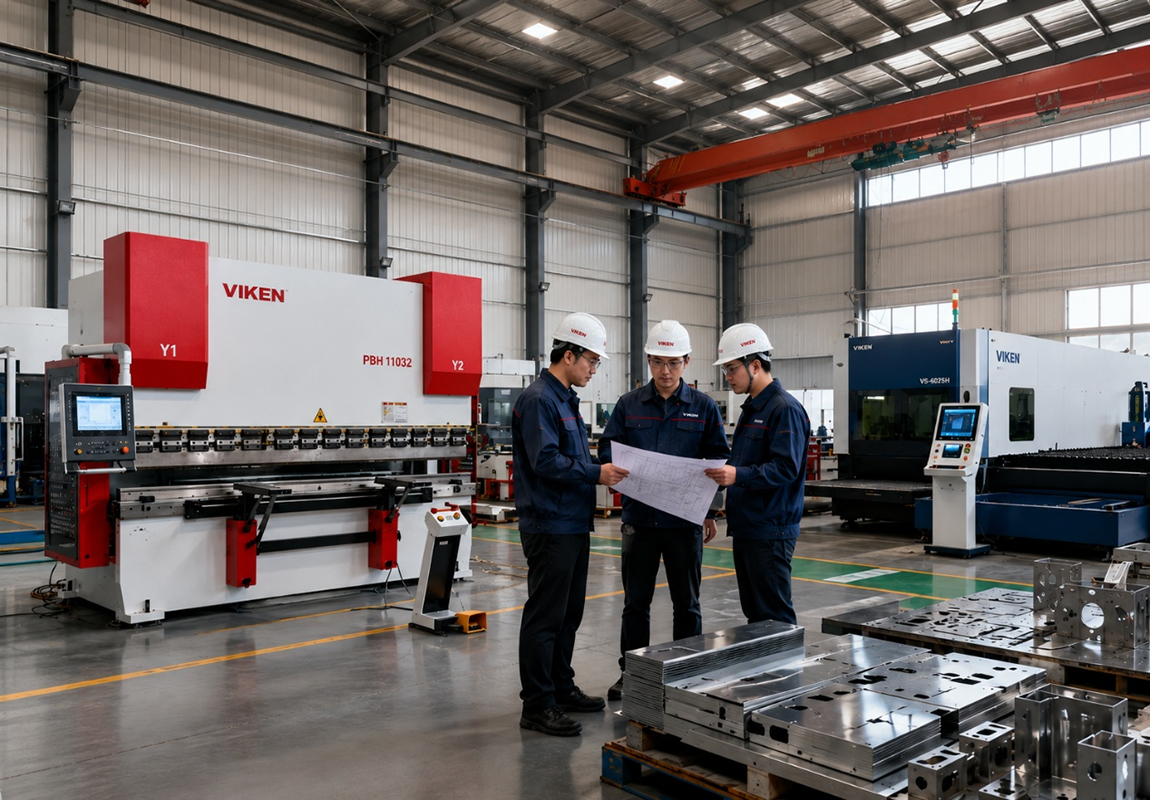
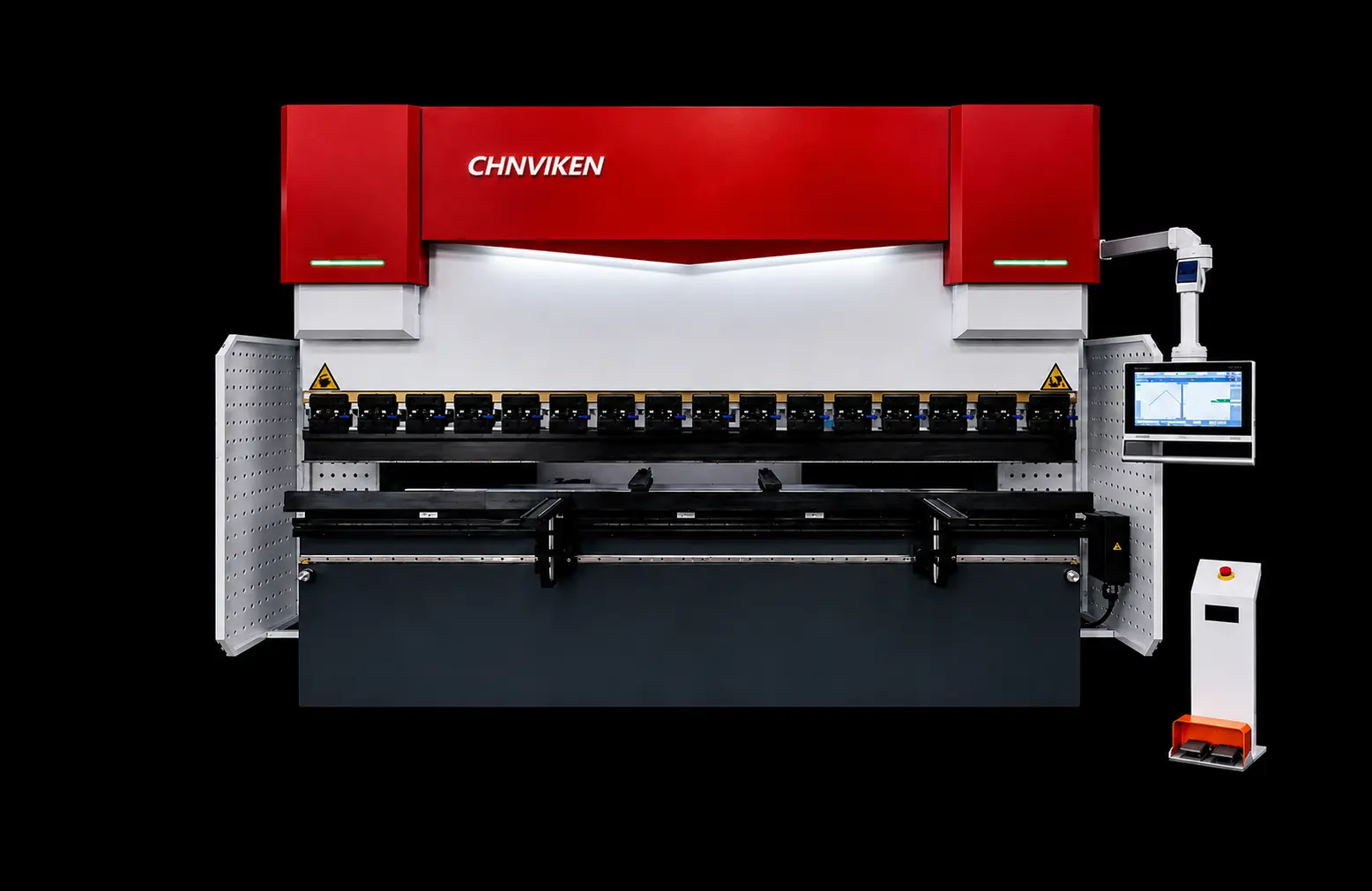
Elevator door frames are fabricated from heavy-gauge stainless steel or carbon steel. Bending these frames requires advanced CNC press brakes capable of managing precise angles over long bending lengths. If the frame's mounting flanges are off by even a fraction of a millimeter, it will not align with the anchor plates of the floor control joint, leading to installation delays and structural weakness.
The future of floor control joints and elevator frame fabrication lies in smart manufacturing and material innovation. Key trends shaping the industry include:
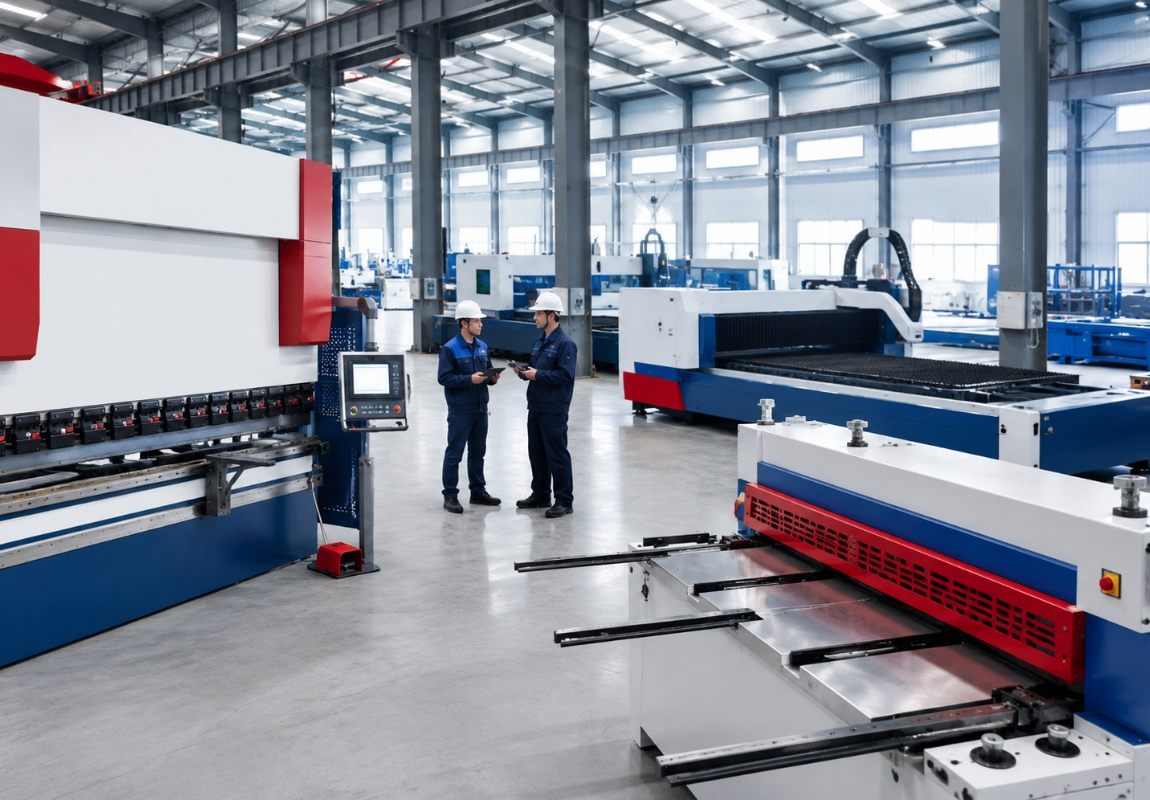
CHNVIKEN is a professional manufacturer specializing in the research, development, production, and export of sheet metal processing equipment. With more than 10 years of industry experience, we have grown from a local machinery supplier into a globally recognized brand serving customers in over 100 countries and regions.
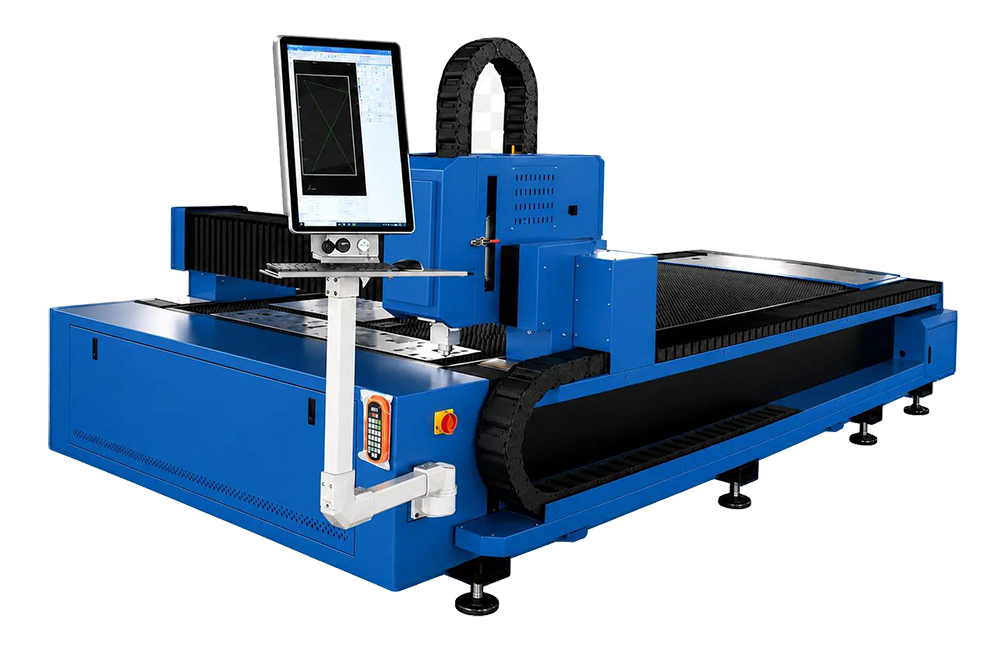
Our product portfolio includes CNC Press Brakes, Hydraulic Shearing Machines, Fiber Laser Cutting Machines, Hydraulic Presses, Punching Machines, Ironworkers, Roll Bending Machines, and complete Duct Production Lines. We are committed to providing efficient, intelligent, and cost-effective solutions for sheet metal fabrication industries worldwide.
Learn More
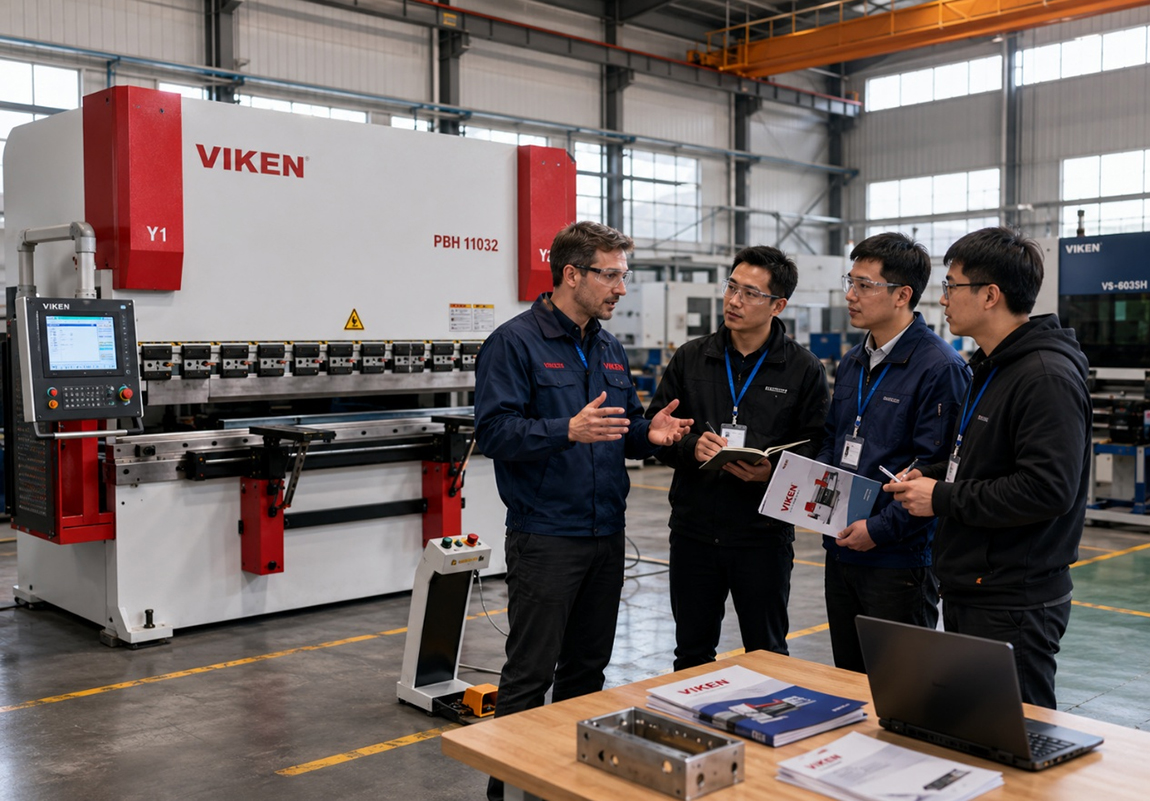
From press brakes and shearing machines to fiber laser cutters, plate rolling machines and hydraulic presses, VIKEN designs equipment around your material, thickness, working length, accuracy and production volume. Our engineers recommend the right machine configuration, controller, tooling and automation options to help you achieve stable quality, higher efficiency and lower operating costs.
Whether fabricating heavy-duty floor control joints or forming complex elevator door panels, our machinery offers the precision and power required to meet strict structural tolerances.