 +86 13819274352
Leave Your Message
-
Contact WhatsApp
-
 Contact Phone
-
 Contact Email
Engineered solutions designed to safeguard industrial floor integrity and elevate sheet metal manufacturing performance.
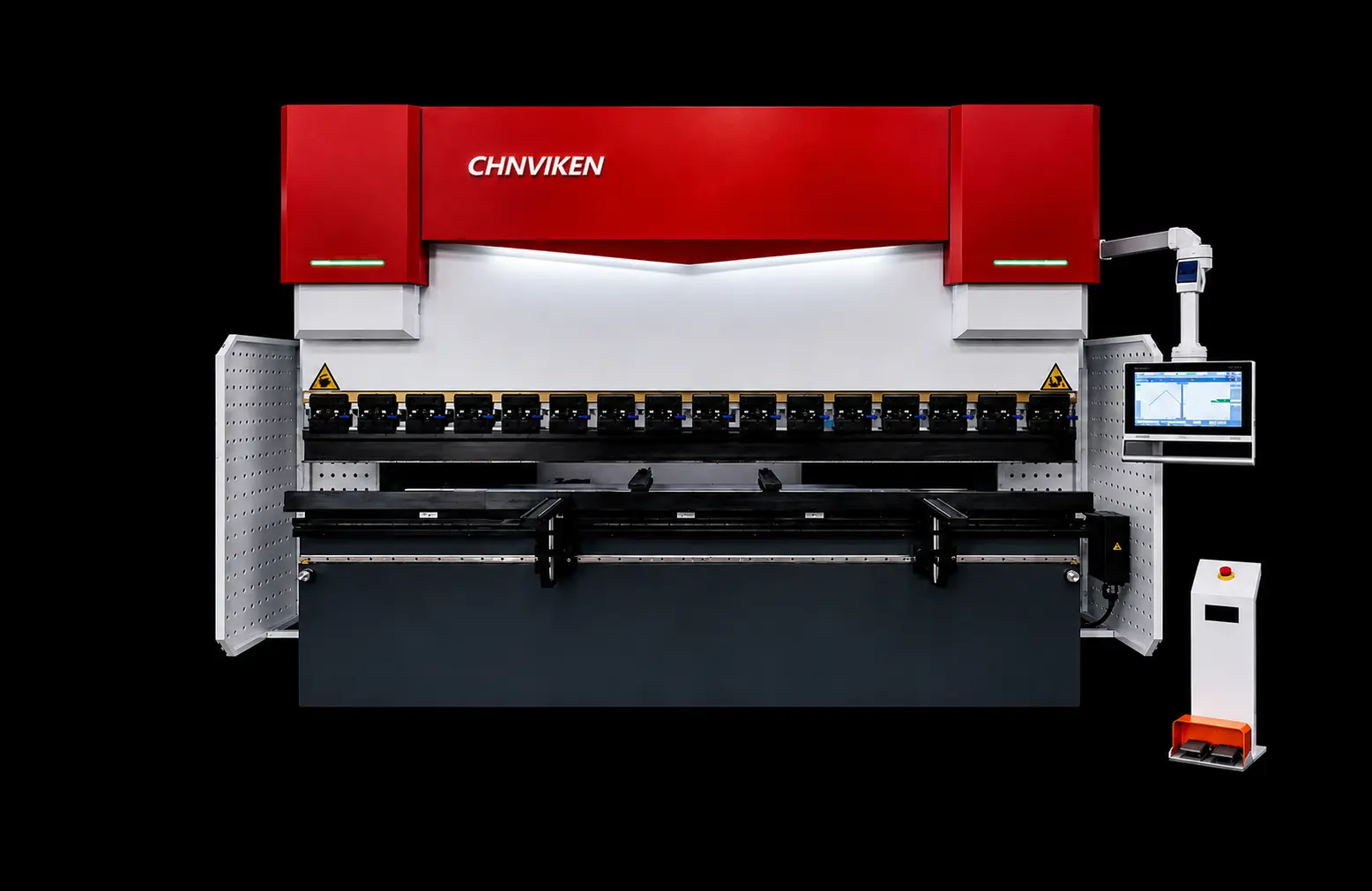
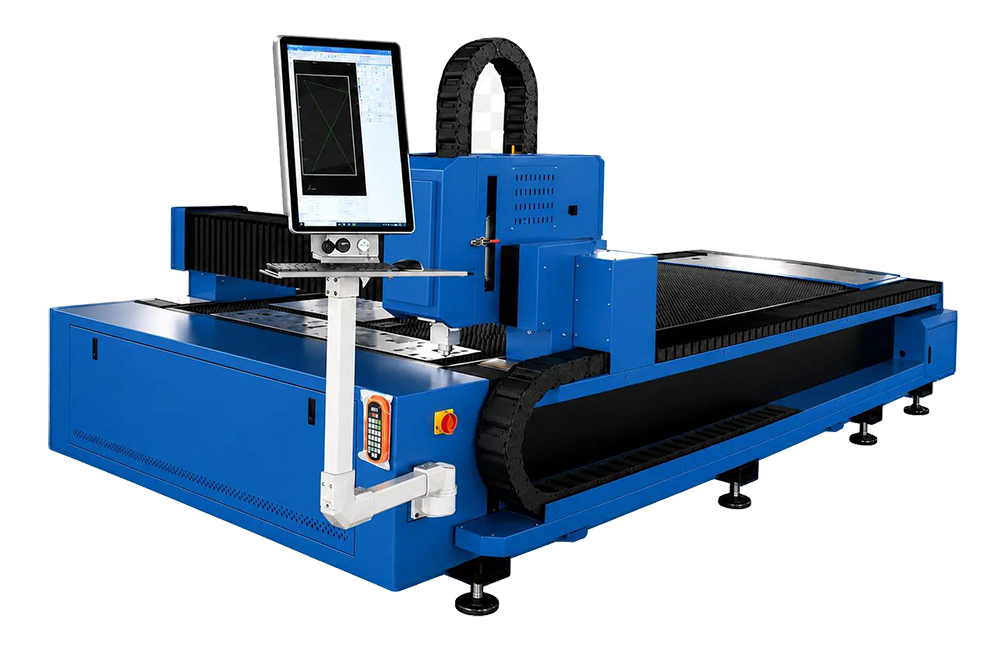
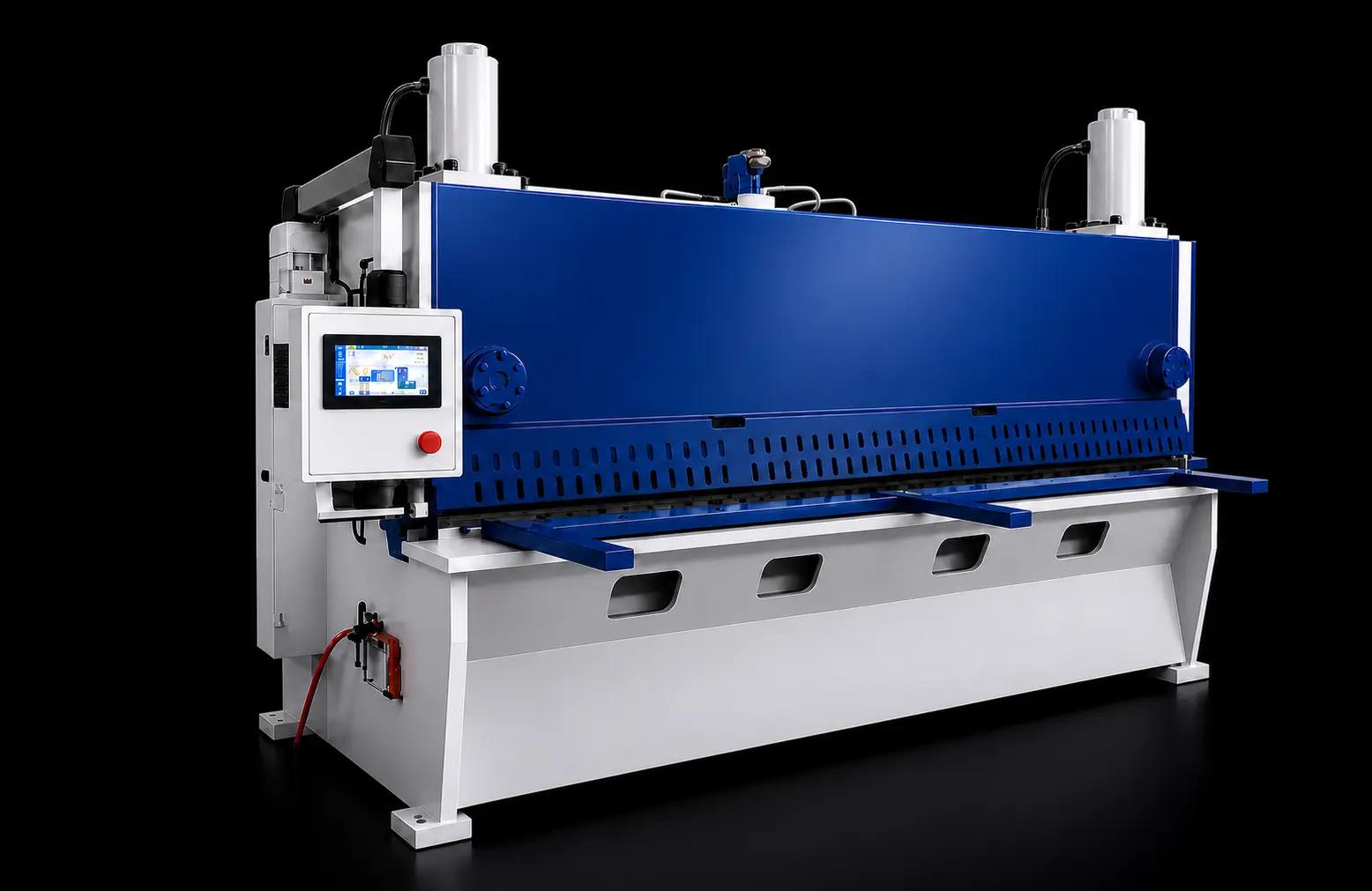
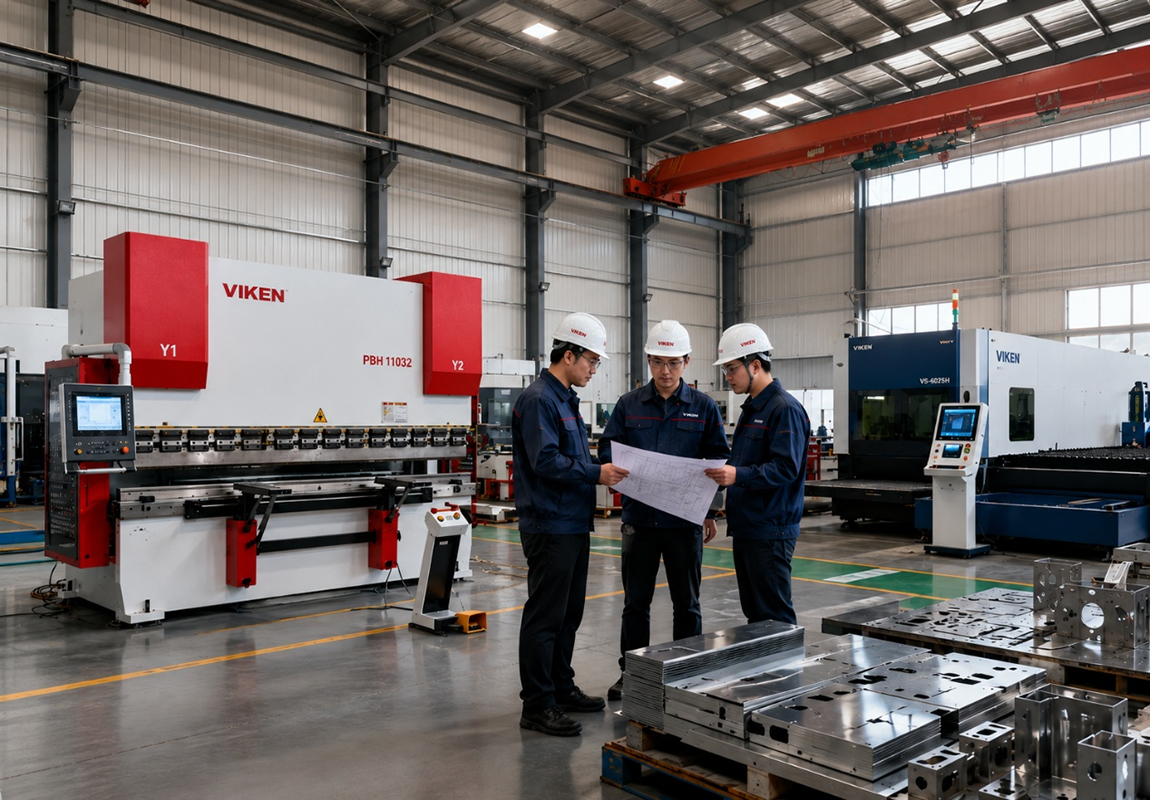
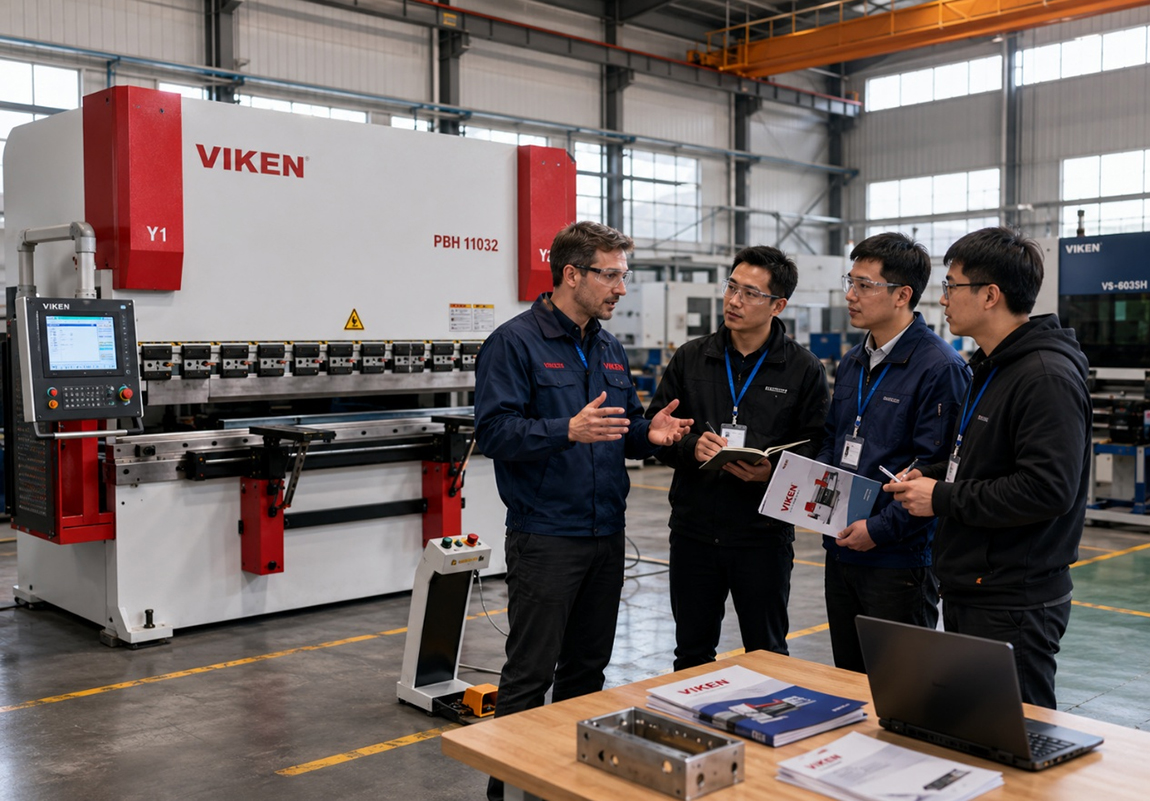
In the high-stakes sector of industrial manufacturing, the production of electrical enclosures and server cabinets demands absolute dimensional accuracy. These enclosures protect sensitive power distribution units, telecommunication hardware, and control systems, requiring tight tolerances during sheet metal bending, shearing, and laser cutting. However, the operational success of high-precision CNC press brakes and fiber laser cutters does not rely solely on the machinery's internal calibration; it is deeply dependent on the structural integrity of the factory floor. This is where advanced floor movement joints, particularly armoured joints, play a critical role.
Industrial concrete floors in sheet metal fabrication plants are subjected to severe stress. Heavy raw material coils, massive press brakes, constant forklift traffic, and automated guided vehicles (AGVs) apply high static and dynamic loads. Without properly engineered concrete floor movement joints, the edges of concrete slabs inevitably break down, spall, and crack. This guide explores the commercial and industrial status, technological trends, and deep application scenarios where concrete slab joint protection directly impacts the quality of electrical enclosure sheet metal bending.
A variation of just 0.5 millimeters in floor levelness across a concrete joint can translate into a noticeable bending angle deviation on a 3-meter electrical cabinet panel. Protecting slab joints is not just a building maintenance issue—it is a direct quality control factor for sheet metal fabrication.
The global market for electrical enclosures and cabinets is expanding rapidly, driven by the rollout of 5G networks, data center construction, and renewable energy infrastructure. To meet this demand, sheet metal fabrication shops are transitioning from manual operations to highly automated, continuous-flow production lines. Modern facilities deploy heavy-duty CNC press brakes and laser cutters that operate 24/7. This continuous operation translates to relentless dynamic forces transferred into the concrete foundation.
In the past, factories relied on simple saw-cut control joints to manage concrete shrinkage. However, in a modern smart factory, these saw-cut joints quickly deteriorate under the impact of hard-polyurethane wheels from AGVs and heavy forklifts carrying sheet metal stacks. When a joint fails, it creates a vertical step and surface roughness. This structural failure leads to machine vibration, safety hazards for automated transport systems, and significant maintenance downtime. As a result, industrial developers now prioritize heavy-duty armored joints, such as the Economic Straight Type Concrete Floor Armoured Joint, during the initial construction phase of sheet metal plants.
CHNVIKEN is a professional manufacturer specializing in the research, development, production, and export of sheet metal processing equipment. With more than 10 years of industry experience, we have grown from a local machinery supplier into a globally recognized brand serving customers in over 100 countries and regions.
Our product portfolio includes CNC Press Brakes, Hydraulic Shearing Machines, Fiber Laser Cutting Machines, Hydraulic Presses, Punching Machines, Ironworkers, Roll Bending Machines, and complete Duct Production Lines. We are committed to providing efficient, intelligent, and cost-effective solutions for sheet metal fabrication industries worldwide.

Understanding where and why concrete floor joints fail in a sheet metal workshop requires a detailed look at the fabrication workflow of electrical enclosures and server cabinets. The production line is typically divided into three high-impact zones, each demanding specific floor performance characteristics.
A CNC press brake bends sheet metal by applying tons of concentrated hydraulic or electric force through a punch and die. A typical bending operation for a thick electrical cabinet frame might require a 200-ton press brake. During the bending stroke, this force is not just absorbed by the machine's frame; a significant portion is transferred directly into the concrete floor slab. If the press brake is installed near a standard concrete joint without proper load-transfer capabilities, the slab edge can deflect under the load. This deflection leads to micro-tilting of the press brake. Even a micro-tilt of 0.1 degrees can cause a significant deviation in the bend angle over the length of a tall electrical enclosure panel, resulting in assembly failure. Armoured joints with plate dowels ensure that loads are shared across adjacent slabs, maintaining a perfectly level foundation for the bending machinery.
Before sheet metal is bent into shape, it must be cut to precise dimensions using fiber laser cutting machines. Laser cutters rely on highly precise optical systems to focus a laser beam onto the metal sheet. This process is extremely sensitive to external vibrations. If a heavy forklift carrying a 3-ton pallet of sheet metal passes over a damaged, spalled floor joint nearby, the resulting impact sends shockwaves through the concrete slab. These vibrations propagate to the laser cutter, causing micro-oscillations in the cutting head. This results in rough cut edges, dimensional deviations, and reduced laser nozzle life. Installing armored joints ensures a completely flat, smooth transition for material handling vehicles, eliminating impact vibrations and protecting the precision of the laser cutting process.
Modern electrical enclosure manufacturing facilities increasingly rely on AGVs to transport sheet metal parts from the laser cutter to the press brake, and finally to the welding and assembly stations. AGVs follow pre-programmed paths and require extremely flat floors to maintain traction and sensor alignment. A traditional saw-cut joint that has widened and spalled over time presents a major obstacle for AGVs. The small, hard wheels of these automated vehicles drop into the joint gap, causing sudden jolts that can displace the sheet metal parts or trigger safety stops. Armoured joints, especially those with sinusoidal or straight steel edge protection, bridge the gap seamlessly, allowing AGVs to navigate the facility smoothly without interruption.
Tailored machinery and layout configurations engineered around your specific sheet metal fabrication requirements.
From press brakes and shearing machines to fiber laser cutters, plate rolling machines and hydraulic presses, VIKEN designs equipment around your material, thickness, working length, accuracy and production volume. Our engineers recommend the right machine configuration, controller, tooling and automation options to help you achieve stable quality, higher efficiency and lower operating costs.
Transition your workshop into an integrated smart factory. Connect your CHNVIKEN press brakes, laser cutters, and shearing machines with automated loading systems and central management software to maximize throughput and eliminate manual handling errors.
Our global service network provides comprehensive installation, calibration, and maintenance support. We guide you through the process of designing the ideal workshop foundation and floor joints to ensure your high-precision machinery operates at peak performance for decades.
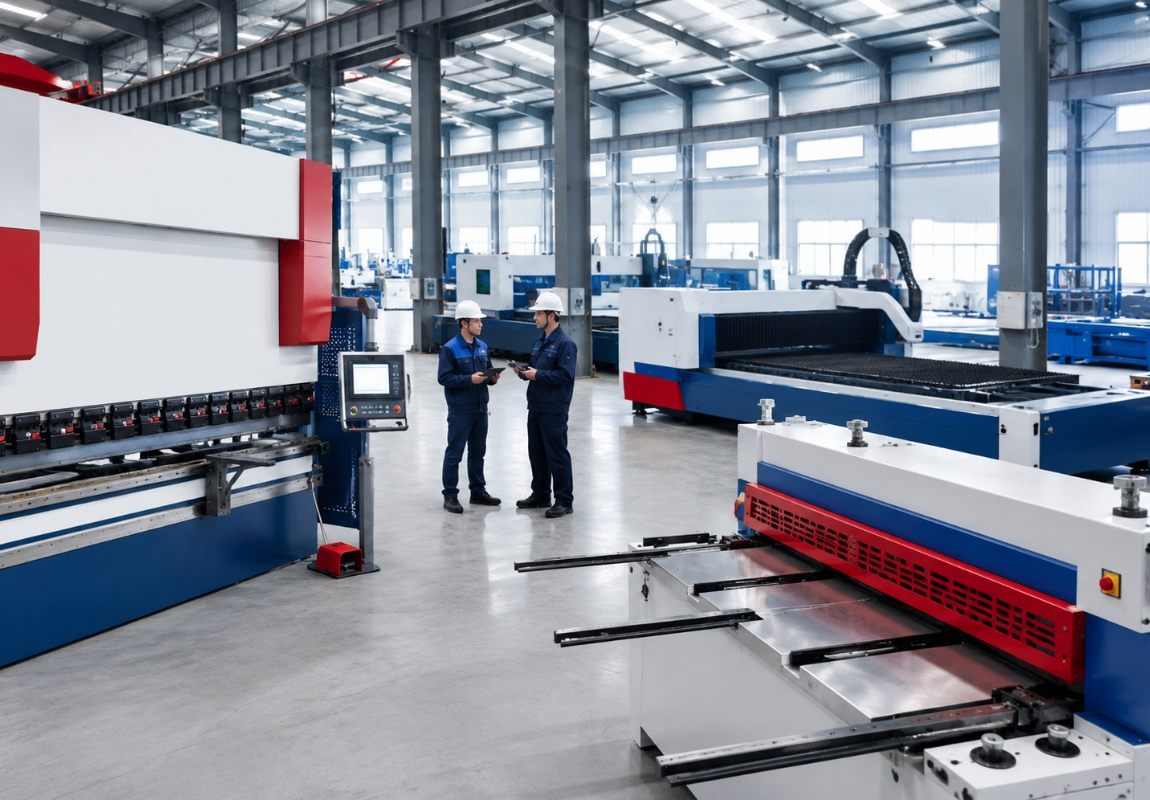
To design a floor slab that supports the high-precision bending of electrical enclosures, engineers must consider the mechanical properties of both the concrete and the joint systems. The primary challenges include concrete shrinkage, thermal expansion, dynamic load transfer, and edge protection.
Concrete naturally shrinks as it cures and dries. In a large industrial floor, this shrinkage causes tensile stresses that lead to random cracking. To control this, the floor is divided into discrete slabs using movement joints. As the slabs shrink, the joints open. In a sheet metal plant, these open joints become vulnerable to wheel impacts. Armoured joint systems solve this by incorporating steel strips that remain anchored to the concrete edges, moving apart as the joint opens while shielding the concrete arris from impact damage.
When a forklift carrying a heavy stack of sheet metal or a heavy electrical enclosure crosses a joint, the load is transferred from one slab to the next. If the joint lacks a proper load-transfer mechanism, the loaded slab will deflect vertically relative to the unloaded slab. This differential movement causes a step that damages vehicle wheels and concrete edges. Armoured joints utilize high-strength steel plate dowels that span across the joint, ensuring that vertical loads are shared between adjacent slabs, eliminating differential deflection.
The industry is moving toward "jointless" concrete floors, which use steel fibers and post-tensioning to minimize the number of joints. Where joints are unavoidable, sinusoidal (wave-shaped) armored joints are increasingly used. These joints eliminate the straight-line impact of wheels crossing the joint, offering a completely silent, vibration-free transition that is ideal for automated sheet metal production lines.
In advanced sheet metal fabrication facilities, press brakes and robotic bending cells are often decoupled from the rest of the factory floor. This is achieved by cutting a perimeter around the machine foundation and installing specialized vibration-damping isolation joints. These joints prevent the high-frequency vibrations generated by punching machines and shearing equipment from traveling through the floor slab and affecting the bending accuracy of the CNC press brake. Combining these isolation joints with heavy-duty armoured joints in high-traffic corridors ensures a stable, high-performance manufacturing environment.
Explore our full range of heavy-duty concrete armoured joints and high-precision sheet metal fabrication equipment.