
 +86 13819274352
Leave Your Message
-
Contact WhatsApp
-
 Contact Phone
-
 Contact Email
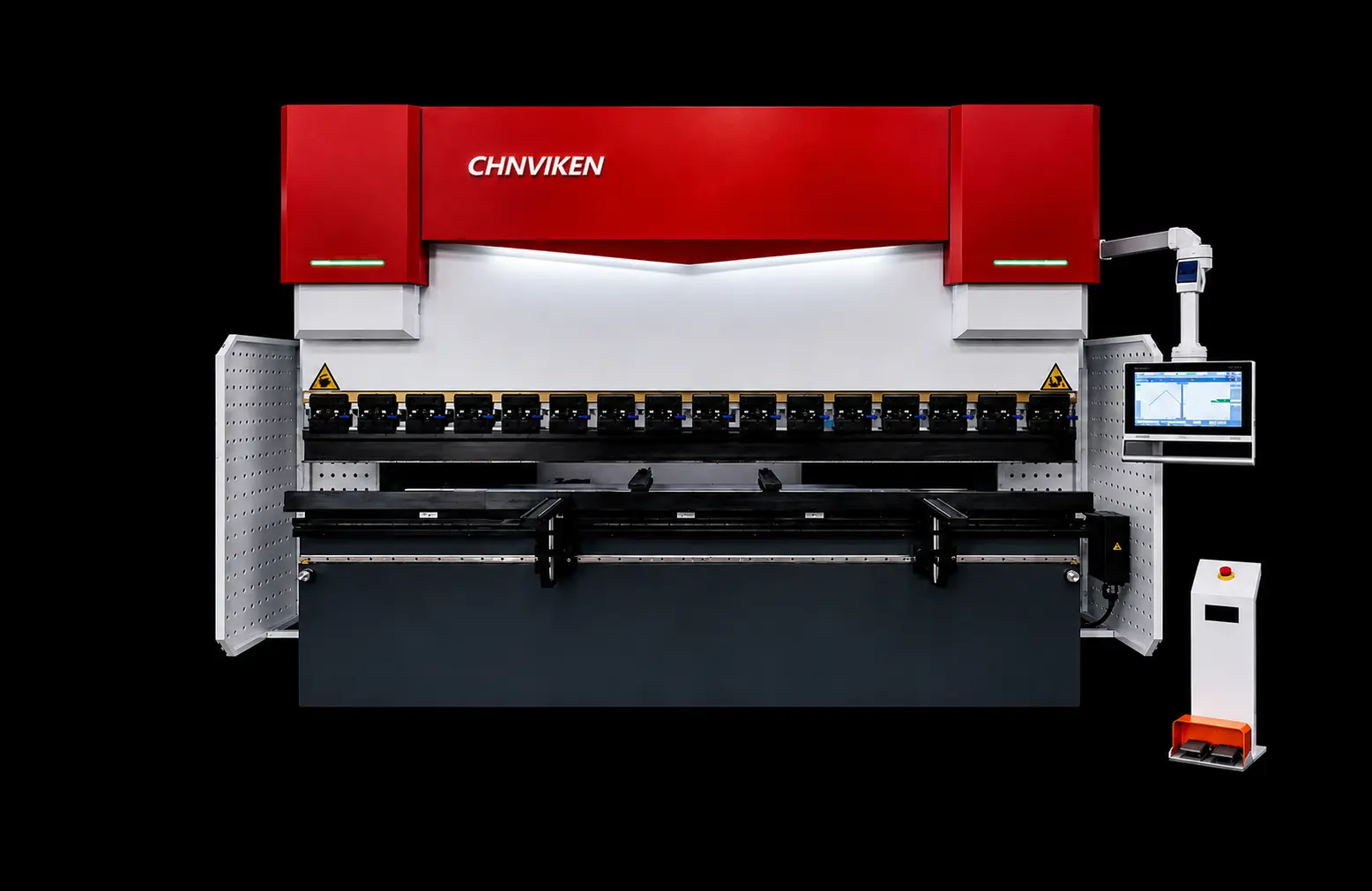
High-precision bending system optimized for heavy-gauge flooring panels and architectural thresholds.
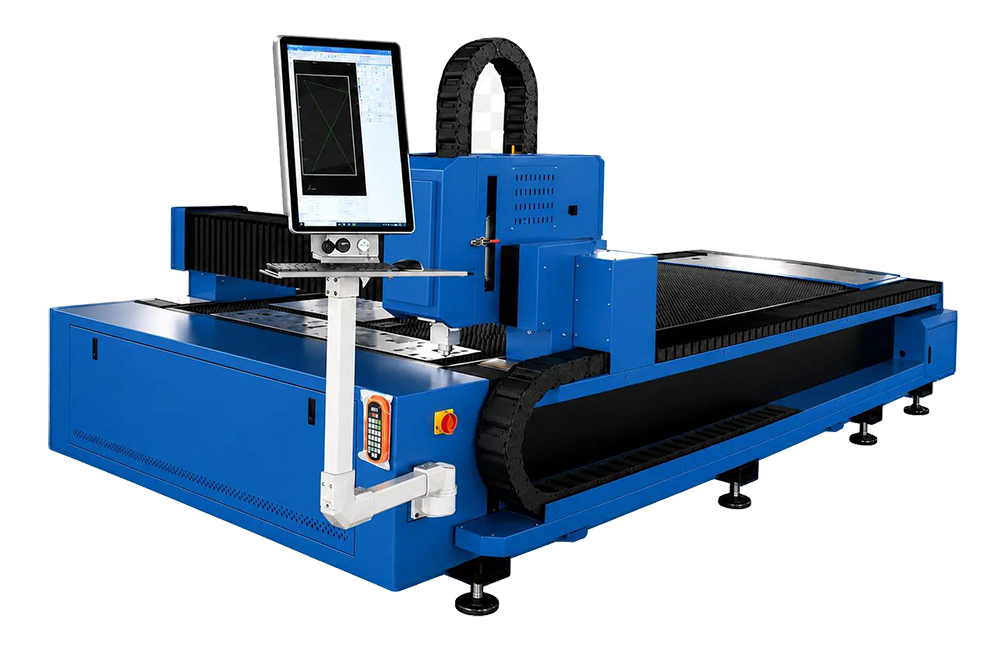
Ultra-fast fiber laser system designed to cut stainless steel elevator doors and complex frames.
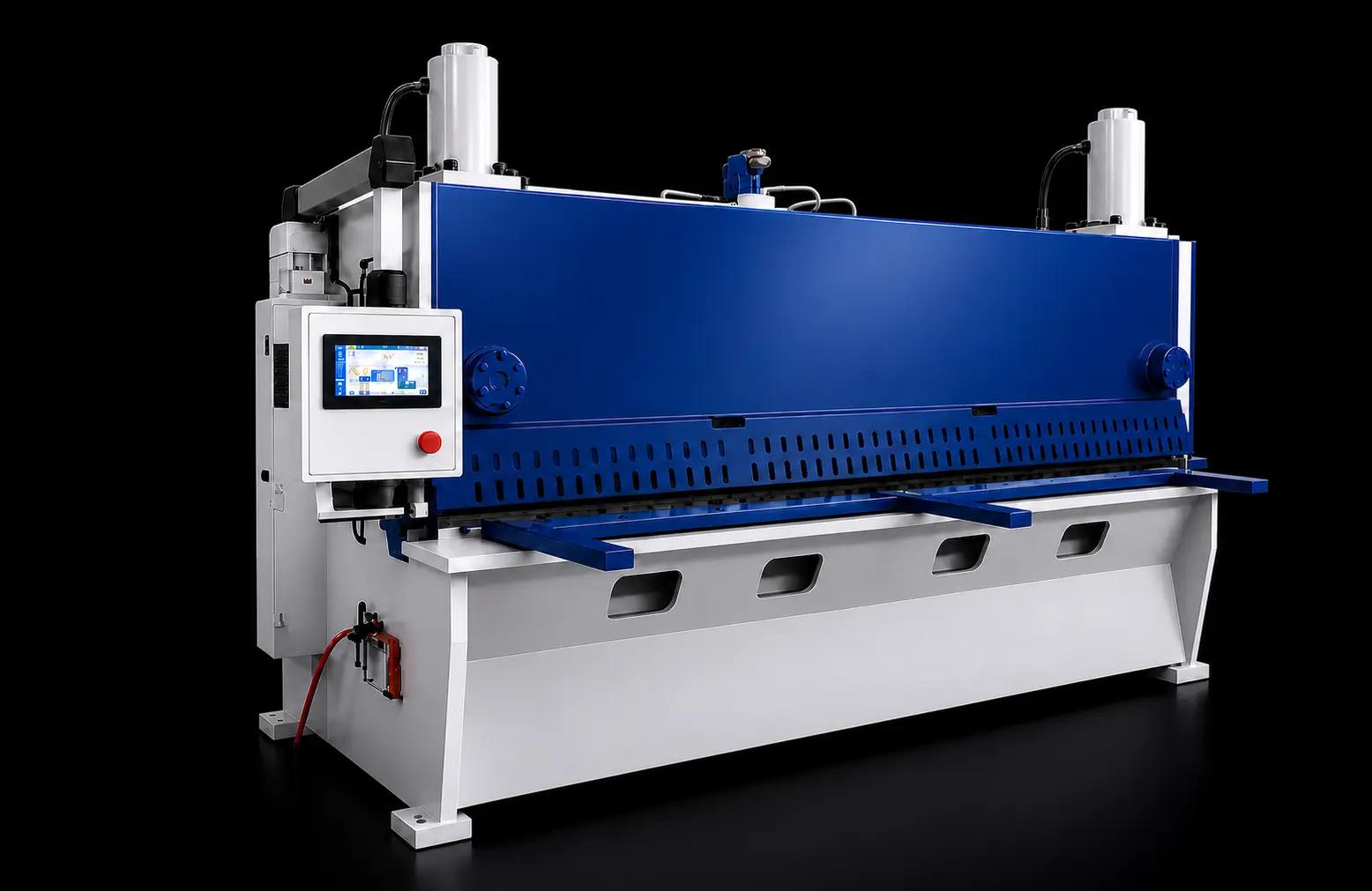
Heavy-duty shearing equipment ensuring clean, straight edges prior to precision panel bending.
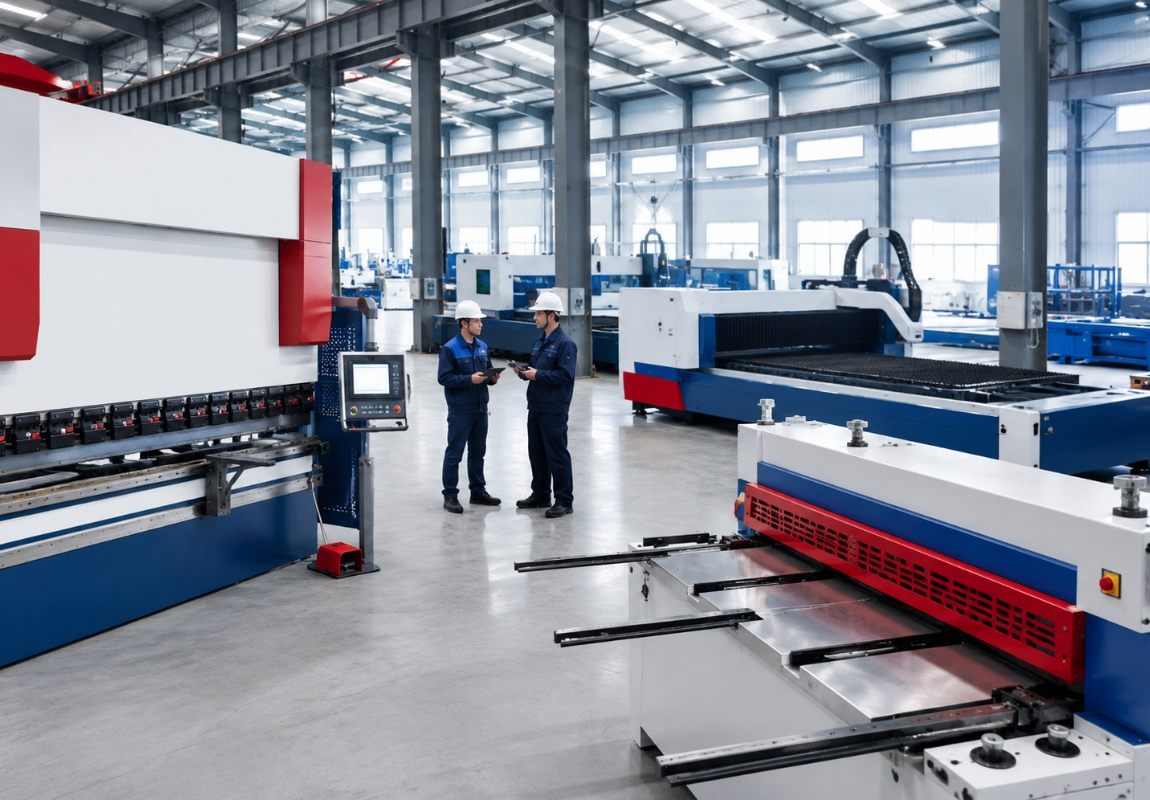
Fully automated panel bending solution tailored for complex profiles in elevator doors and frame components.
CHNVIKEN is a professional manufacturer specializing in the research, development, production, and export of sheet metal processing equipment. With more than 10 years of industry experience, we have grown from a local machinery supplier into a globally recognized brand serving customers in over 100 countries and regions.
Our product portfolio includes CNC Press Brakes, Hydraulic Shearing Machines, Fiber Laser Cutting Machines, Hydraulic Presses, Punching Machines, Ironworkers, Roll Bending Machines, and complete Duct Production Lines. We are committed to providing efficient, intelligent, and cost-effective solutions for sheet metal fabrication industries worldwide.

In the contemporary landscape of UK commercial and residential architecture, the elevator is no longer regarded as a mere utility. It has evolved into a central architectural focal point, bridging different floors, office zones, and public arenas. As architectural designs push the boundaries of height and structural complexity, the components surrounding elevators—most notably the doors, structural frames, and floor interfaces—require unprecedented manufacturing precision. The integration of high-end flooring for UK commercial projects with advanced elevator threshold designs represents a complex engineering intersection where safety, durability, and aesthetic perfection must meet.
UK building standards, particularly BS EN 81-20/50 for lift design and the Building Regulations Part M (Access to and use of buildings), place strict demands on elevator thresholds and floor transitions. The transition zone between the building floor and the elevator cabin floor must be virtually seamless, slip-resistant, and capable of withstanding heavy structural loads. Achieving this level of precision requires advanced metal fabrication machinery that can form elevator doors and frames to tolerances within fractions of a millimeter. This is where precision panel bending and high-tonnage CNC press brakes play a transformative role, enabling manufacturers to shape robust materials into complex, load-bearing architectural interfaces.
The UK construction sector is undergoing a significant transition. Modernization projects in major urban centers like London, Manchester, and Birmingham are driving the refurbishment of older high-rises and the construction of state-of-the-art skyscrapers. In these buildings, the elevator lobby serves as the gateway for thousands of daily visitors. The flooring in these high-traffic areas is typically composed of heavy materials such as granite, terrazzo, engineered stone, or heavy-gauge decorative metal plates. The elevator threshold frame must support the weight of these flooring materials while aligning perfectly with the elevator door and cabin floor.
Furthermore, industrial facilities, distribution centers, and public transport networks (including the London Underground and regional rail hubs) require heavy-duty elevator systems. In these environments, the flooring must handle heavy wheeled traffic, pallet jacks, and luggage trolleys. The elevator frames and doors must be constructed from thick, high-yield steel or stainless steel, requiring powerful and highly accurate bending machinery. The UK market demands sheet metal processing equipment that can handle these high-strength materials without causing surface defects or structural weaknesses in the bent corners. CHNVIKEN's range of CNC press brakes and panel benders has been specifically engineered to meet these rigorous industrial requirements, providing the necessary force and control to execute perfect bends every time.
Elevator doors and frames are complex three-dimensional structures. They are not simple flat sheets of metal; they consist of multiple return bends, channels, and reinforcement ribs that provide structural rigidity and house the mechanical and electronic door operating components. A standard elevator door panel, for example, may require a series of precise bends along its edges to form the outer skin, the inner reinforcement channels, and the pocket for the door hanger rollers.
Traditional manual press brakes often struggle to maintain consistency over long production runs of these complex profiles, leading to assembly issues, uneven gaps between doors, and increased installation times on-site. Precision panel bending technology solves this by automating the entire bending sequence. Using advanced servo-controlled bending blades and automated sheet manipulation, panel benders can form multiple bends on all four sides of a sheet without the operator ever having to lift or rotate the material manually. This results in:
The floor interface at the elevator entrance is one of the most critical zones in any building. It must bridge the small gap between the stationary building floor and the moving elevator car, known as the threshold. In the UK, this threshold must meet strict safety guidelines to prevent tripping hazards and ensure accessibility for wheelchair users. The structural frame surrounding this threshold must be strong enough to support the transition plate, which is often made of heavy-duty brass, stainless steel, or aluminum checker plate.
The choice of flooring material within the elevator car and the lobby significantly influences the structural design of the elevator frame. For example, if a building specifies thick marble flooring, the elevator door frame must be designed with a deeper recess and a stronger support structure to accommodate the weight and thickness of the stone. Conversely, if thin vinyl flooring is used, the frame must be flush with the subfloor. Precision panel bending allows manufacturers to customize the frame profile to match any specified flooring depth, ensuring a perfectly flush transition. This level of customization is essential for meeting the diverse requirements of UK architects and interior designers, who demand both functional safety and visual continuity across different floor finishes.
To understand why CHNVIKEN machinery is uniquely suited for elevator door and frame fabrication, it is necessary to examine the technical mechanics of our CNC press brakes and panel benders. Our machines are built with heavy-duty, stress-relieved steel frames that minimize deflection under load, ensuring consistent bending angles along the entire length of the workpiece.
Our CNC press brakes feature advanced multi-axis backgauge systems (up to 6 axes or more) that allow for the precise positioning of complex sheet metal blanks. This is particularly important for elevator frames, which often feature asymmetrical shapes and varying flange lengths. The integration of real-time angle measurement and correction systems ensures that any variations in material thickness or tensile strength are automatically compensated for, eliminating scrap and rework. For high-volume production of standard door panels, our automated panel bending centers utilize intelligent control software that calculates the optimal bending sequence, tool positioning, and material handling paths, maximizing throughput while maintaining the highest quality standards.
The global manufacturing industry is undergoing a digital transformation, often referred to as Industry 4.0. In the context of sheet metal processing, this means moving away from standalone machines towards fully integrated, connected production lines. For UK elevator manufacturers, this transition is essential for remaining competitive in a fast-paced market where lead times are constantly shrinking.
At CHNVIKEN, we are at the forefront of this technological evolution. Our machines are designed to integrate seamlessly with CAD/CAM software, allowing engineers to design elevator components offline and transfer the bending programs directly to the machine controller. This eliminates the need for time-consuming programming at the machine, reducing setup times and minimizing the risk of operator error. Furthermore, our machines can be equipped with robotic loading and unloading systems, creating fully automated production cells that can operate unattended for extended periods. This level of automation not only increases productivity but also improves workplace safety by removing operators from hazardous material handling tasks.
Sustainability is a major driving force in the UK construction industry, with developers and contractors facing increasing pressure to reduce the carbon footprint of their projects. This focus on sustainability extends to the manufacturing of building components, including elevators and their structural frames. Sheet metal fabricators must find ways to reduce energy consumption, minimize material waste, and optimize their production processes.
CHNVIKEN is committed to helping our customers achieve their sustainability goals. Our CNC press brakes and panel benders utilize energy-efficient hybrid hydraulic systems and variable-speed servo motors that only consume power when the machine is actively bending. This can result in energy savings of up to 50% compared to traditional hydraulic systems. Additionally, our high-precision cutting and bending technologies minimize material waste by ensuring that every part is cut and formed correctly the first time, reducing scrap and saving valuable resources. By investing in CHNVIKEN machinery, UK manufacturers can not only improve their bottom line but also demonstrate their commitment to environmental responsibility.
From press brakes and shearing machines to fiber laser cutters, plate rolling machines and hydraulic presses, VIKEN designs equipment around your material, thickness, working length, accuracy and production volume. Our engineers recommend the right machine configuration, controller, tooling and automation options to help you achieve stable quality, higher efficiency and lower operating costs.
Maximize your factory throughput by connecting laser cutters, shearers, and press brakes into an automated, smart production cell optimized for elevator door panel and frame manufacturing.
We provide comprehensive global support, including machine installation, operator training, regular maintenance, and rapid spare parts delivery to keep your production running smoothly.
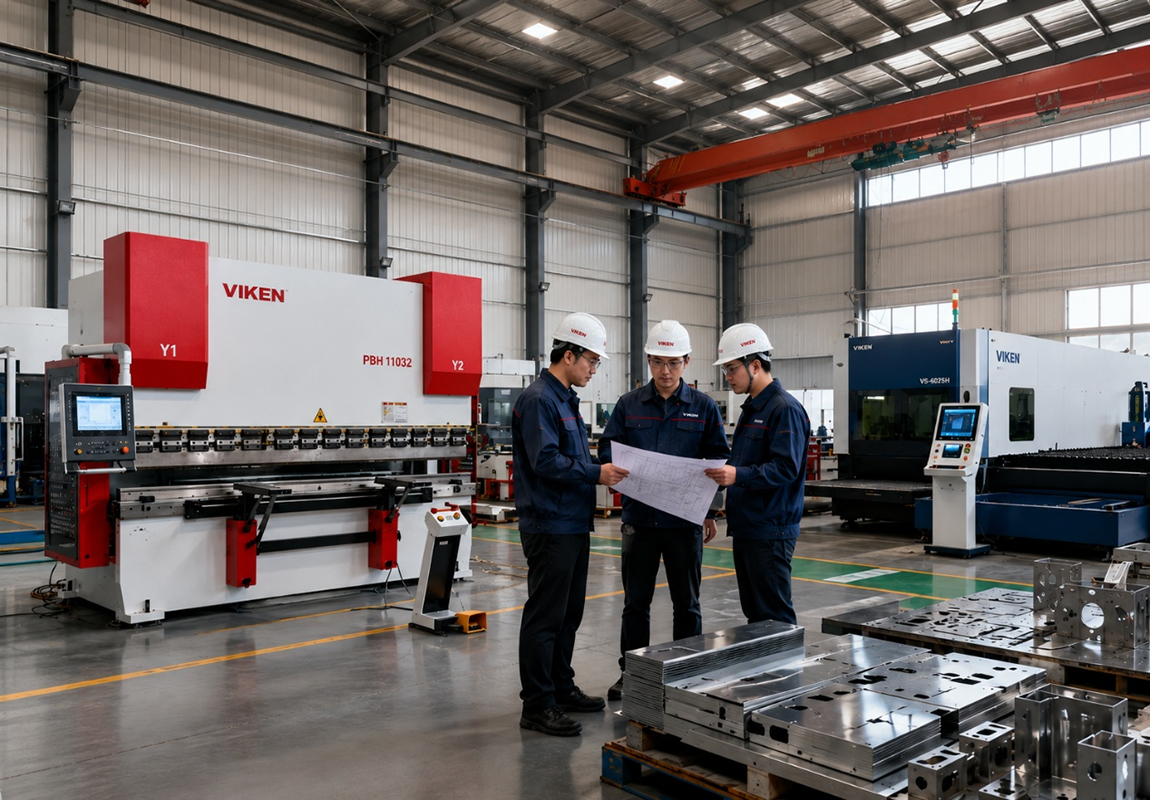
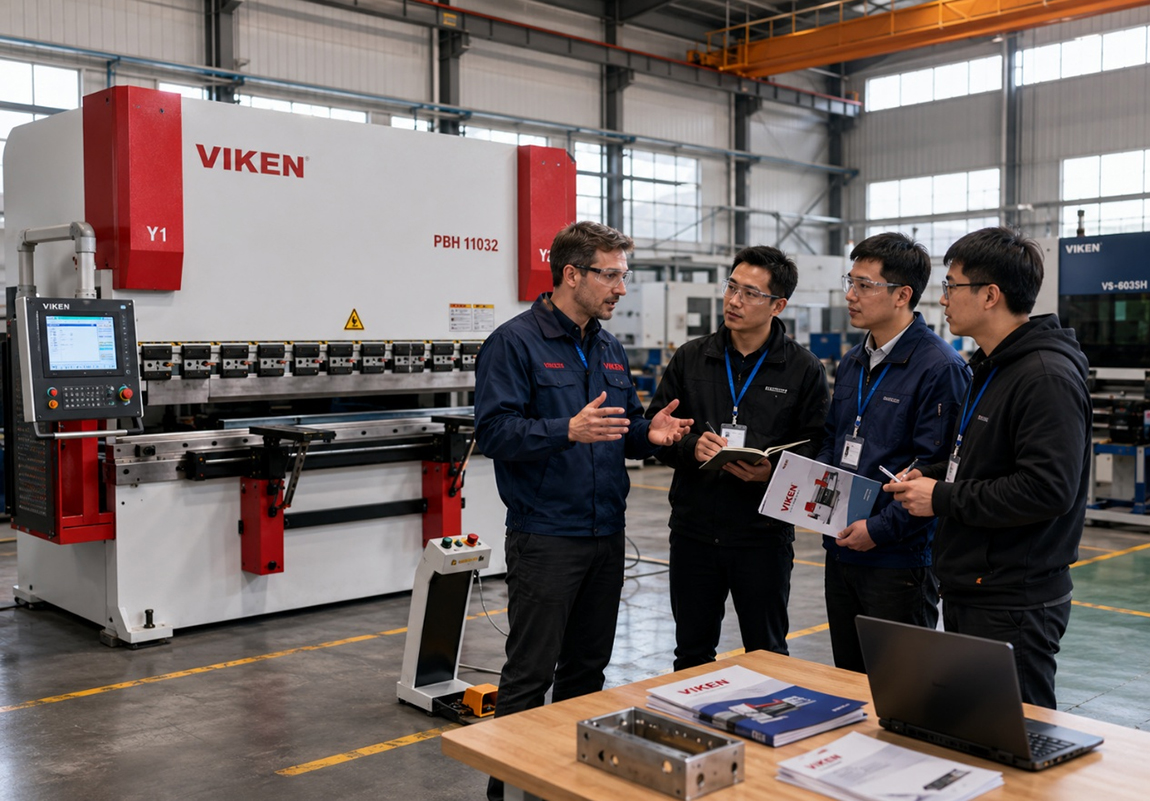
Versatile and highly accurate bending machine for general sheet metal applications.
Advanced cutting technology offering unmatched speed and precision for complex profiles.
Reliable plate shearing with adjustable stroke and blade gap for clean cuts.
Designed for rapid, automated panel bending of elevator frames and doors.
Perfect for rolling large radii and cylindrical shapes for architectural structures.
High-speed punching system for creating ventilation patterns and holes in elevator panels.
Custom-tooled press brake optimized for bending deep channels and complex jamb profiles.
Ideal for cutting structural hollow sections used in elevator shafts and frame supports.