+86 13819274352
Leave Your Message
-
Contact WhatsApp
-
 Contact Phone
-
 Contact Email
Explore our primary structural fibers and joint systems engineered to meet the demanding seismic and load-bearing requirements of Chilean infrastructure.
Chile is globally recognized for its rigorous building standards, necessitated by its location along the highly active Pacific Ring of Fire. From the bustling urban centers of Santiago and Valparaíso to the remote mining operations in the Atacama Desert, concrete performance is a critical factor in public safety and industrial continuity. Traditional concrete reinforcement relies heavily on conventional steel rebar meshes, which are prone to corrosion, time-consuming to install, and susceptible to structural degradation during high-magnitude seismic events.
As a leading Fr Concrete Supplier & Factory, we provide advanced Fiber Reinforced Concrete (FRC) solutions specifically optimized for the Chilean market. FRC introduces micro and macro fibers directly into the concrete mix, creating a multi-directional reinforcement network. This structure enhances the concrete's tensile strength, ductility, post-crack load capacity, and impact resistance—key parameters defined under the Chilean seismic design code (NCh433).
The industrial sector in Chile, particularly copper and lithium mining, demands concrete structures capable of withstanding extreme loads and aggressive chemical environments. Underground mine shafts, heavy haul roads, and processing facilities rely on shotcrete reinforced with high-strength steel and synthetic fibers to maintain structural integrity under high geological pressures.
The construction sector in Chile is undergoing a rapid digital and ecological transformation. Government initiatives and private developers are prioritizing sustainable building practices, aiming to reduce the carbon footprint of concrete production. By replacing traditional steel reinforcement with advanced macro-synthetic and high-performance steel fibers, developers can significantly reduce the overall volume of steel required, lowering transport emissions and material waste.
Furthermore, the integration of AI-driven batching systems and real-time concrete monitoring technologies is gaining traction in Santiago's metropolitan projects. Modern ready-mix plants utilize automated fiber dosing systems to ensure uniform fiber distribution throughout the matrix. This technological integration guarantees that the mechanical properties of the FRC align perfectly with structural designs, providing consistent performance in critical applications such as high-rise foundations, tunnel linings, and massive industrial floor slabs.
Our factory utilizes state-of-the-art manufacturing lines to produce fibers that meet international ASTM and European EN standards, ensuring seamless integration into Chilean engineering specifications. Whether it is high-tensile steel fibers for heavy-duty industrial floors or alkali-resistant cellulose fibers for crack control in architectural concrete, we deliver tailored solutions that meet the evolving demands of Chilean builders.
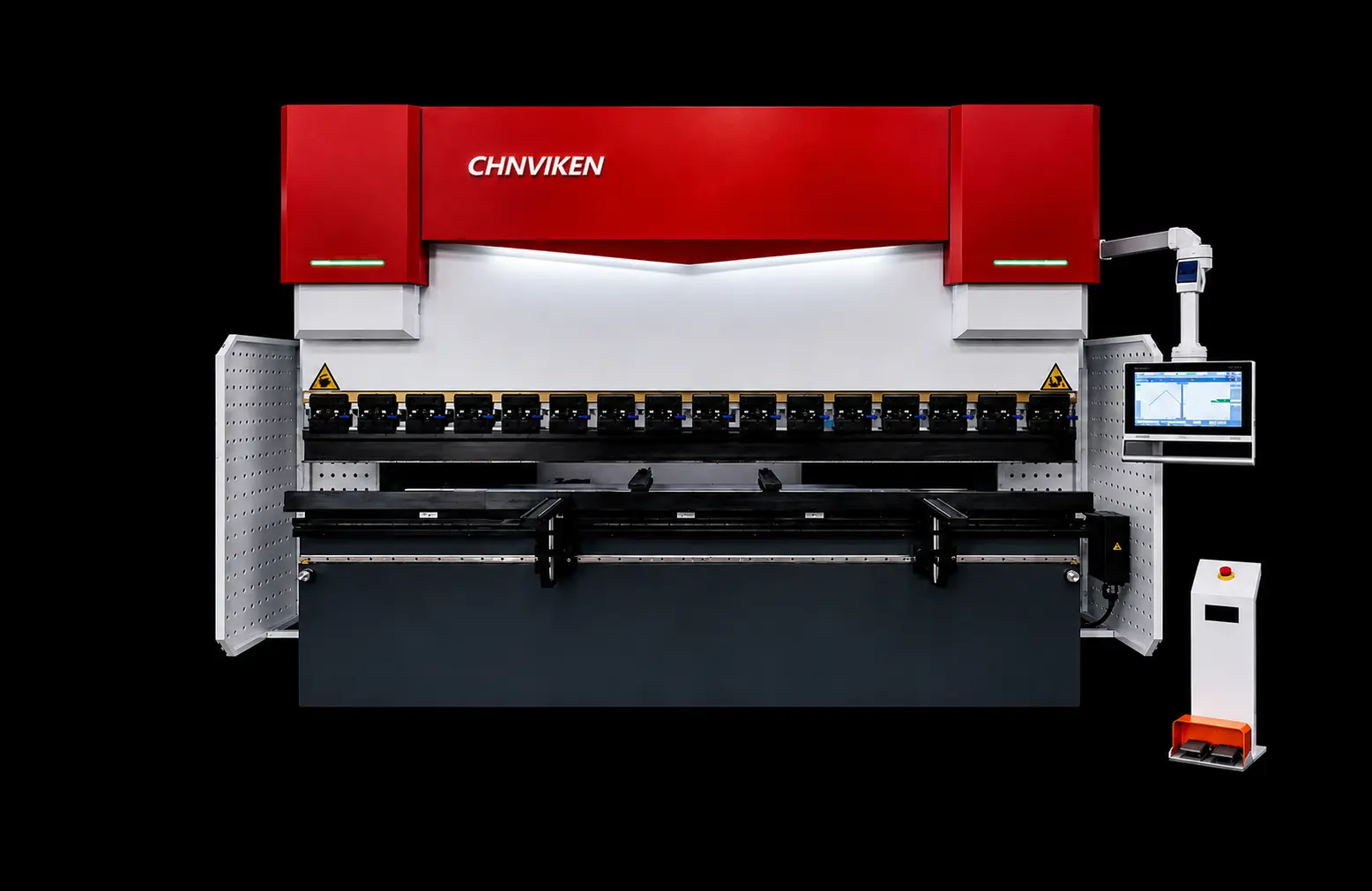
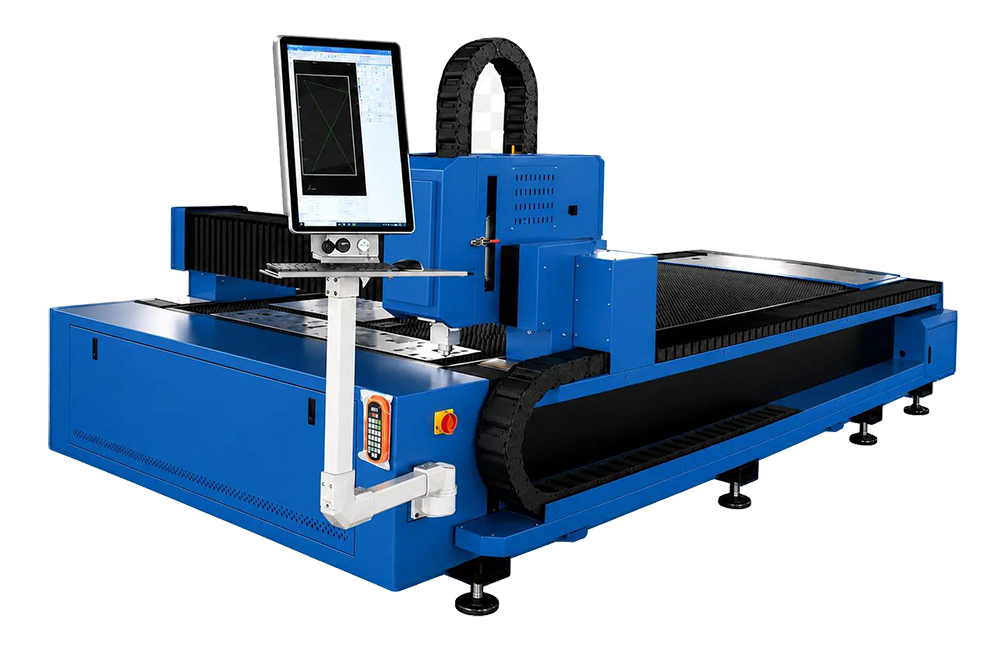
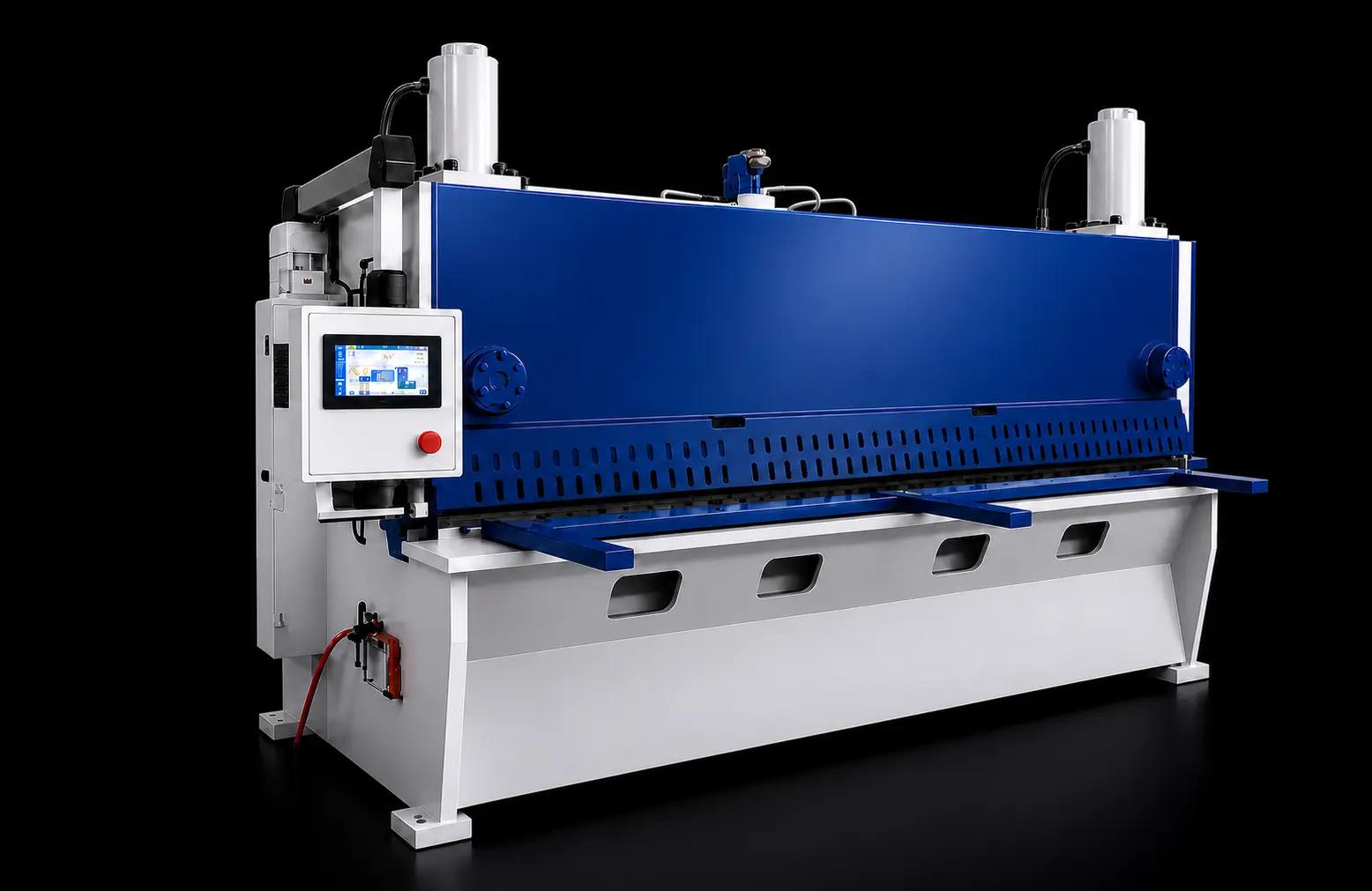
CHNVIKEN is a professional manufacturer specializing in the research, development, production, and export of sheet metal processing equipment. With more than 10 years of industry experience, we have grown from a local machinery supplier into a globally recognized brand serving customers in over 100 countries and regions.
Our product portfolio includes CNC Press Brakes, Hydraulic Shearing Machines, Fiber Laser Cutting Machines, Hydraulic Presses, Punching Machines, Ironworkers, Roll Bending Machines, and complete Duct Production Lines. We are committed to providing efficient, intelligent, and cost-effective solutions for sheet metal fabrication industries worldwide.

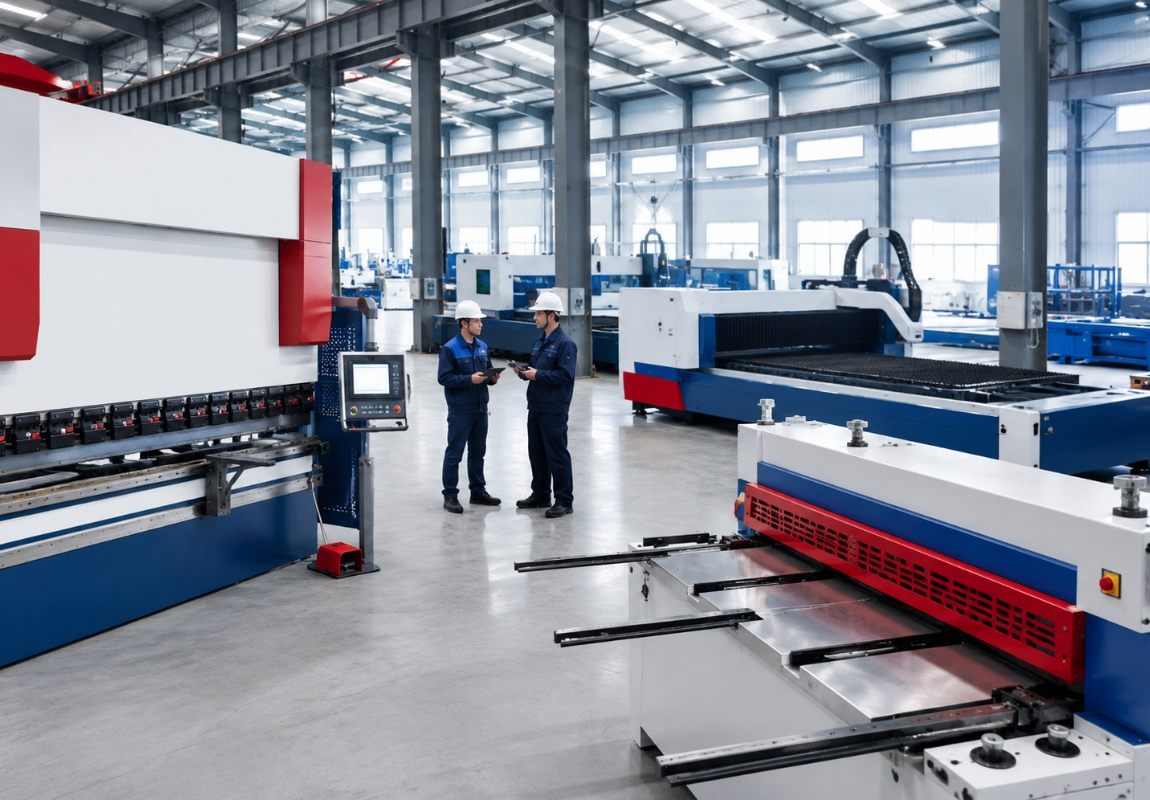
Advanced sheet metal fabrication equipment supporting infrastructure development and industrial manufacturing across Chile.
To understand the true value of FRC, it is essential to examine its practical implementation across various high-demand sectors within Chile. The unique geography and economic activities of the country dictate specific requirements for structural concrete.
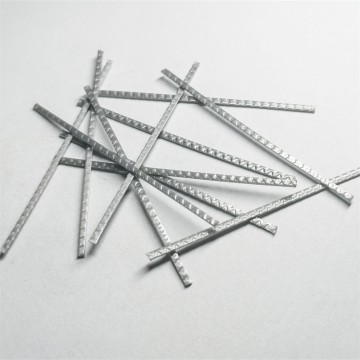
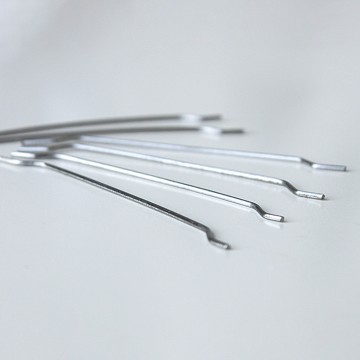
In deep underground mines, such as those operated by Codelco in the north, rockbursts and seismic movements present severe safety hazards. Shotcrete reinforced with Glued Bundled Concrete Steel Fiber is applied to the tunnel walls and ceilings. The steel fibers provide high energy absorption (toughness) and post-crack load-bearing capacity, preventing sudden rock falls and stabilizing the excavations under extreme geological stress.
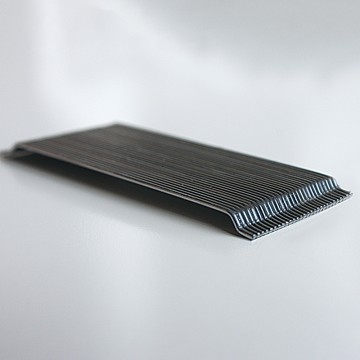
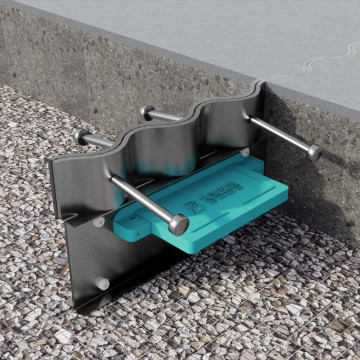
Chile's primary ports handle millions of tons of cargo annually. The container yards and logistics warehouses are subjected to continuous heavy wheel loads from reach stackers and heavy trucks. Traditional concrete slabs often crack under these fatigue loads. By utilizing Sinus Type Heavy Load Concrete Armoured Joints combined with macro-synthetic fiber concrete, engineers can construct jointless floor designs that eliminate traditional joint deterioration, reduce maintenance costs, and ensure smooth operations.
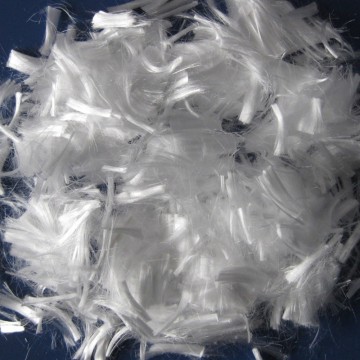
The expansion of the Santiago Metro system requires rapid tunneling through variable soil and rock conditions. Fiber-reinforced concrete segments and shotcrete linings allow for faster excavation cycles. PP Macro Synthetic Fiber provides excellent resistance to underground water corrosion, ensuring a service life exceeding 100 years without the risk of internal reinforcement rust, which is common in traditional rebar-reinforced tunnels.
Coastal development in Viña del Mar and La Serena faces the dual challenge of seismic activity and marine salt spray. Marine environments accelerate the corrosion of standard steel rebar. By incorporating Alkali Resistant Cellulose Fiber and polypropylene fibers into the concrete mix, developers can control micro-cracks and significantly reduce concrete permeability, preventing the ingress of chloride ions and protecting structural integrity over the long term.
Explore our full range of concrete fibers and structural expansion joints engineered to optimize durability, safety, and efficiency in Chilean construction projects.