+86 13819274352
Leave Your Message
-
Contact WhatsApp
-
 Contact Phone
-
 Contact Email
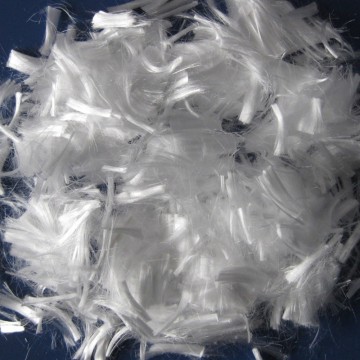
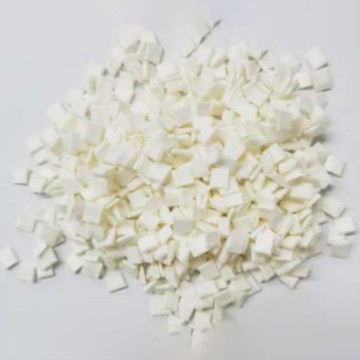
In the contemporary landscape of civil engineering, metallurgy, and heavy industrial plant construction, the demand for materials that can withstand extreme thermal gradients and mechanical stress has reached unprecedented heights. Heat resistant fibers—ranging from engineered polypropylene (PP) monofilaments and macro synthetics to copper-coated and hooked-end steel fibers—have emerged as critical components in ensuring the structural integrity, safety, and longevity of steel structures and heavy construction machinery foundations. When integrated into cementitious matrixes, refractory linings, or composite structural panels, these specialized fibers mitigate the destructive effects of thermal expansion, concrete spalling, and mechanical fatigue.
Steel structures, while possessing immense tensile strength, are inherently vulnerable to high temperatures. At elevated temperatures, such as those experienced during industrial fires or in the vicinity of smelting furnaces, steel undergoes rapid loss of yield strength and stiffness. Similarly, the foundations and enclosures supporting heavy construction machinery are subjected to continuous vibration, high impact loads, and localized thermal stress. The integration of heat resistant fiber technologies into these systems acts as a primary defense mechanism, distributing stresses uniformly, bridging micro-cracks, and maintaining structural cohesion under conditions that would cause conventional reinforced concrete to fail catastrophically.
Under intense heat, moisture trapped within concrete vaporizes, building immense internal steam pressure. If this pressure exceeds the tensile strength of the concrete, explosive spalling occurs, exposing the structural steel reinforcement to direct flames. Heat resistant polypropylene fibers melt at approximately 160°C to 170°C, creating an interconnected network of micro-channels that allows the pressurized steam to escape safely, thereby preserving the structural core.
The global market for heat resistant fibers in structural and machinery applications is experiencing robust growth, driven by stringent fire safety regulations, the expansion of heavy manufacturing industries, and a global push toward infrastructure resilience. Geographically, regions with high concentrations of heavy machinery fabrication and steel production—such as East Asia, North America, and Western Europe—are leading the adoption of these advanced materials. Market analyses indicate a steady compound annual growth rate (CAGR) in the demand for refractory-grade steel fibers and high-performance synthetic fibers, as developers and industrial operators recognize the long-term cost benefits of reducing maintenance downtime and preventing catastrophic failures.
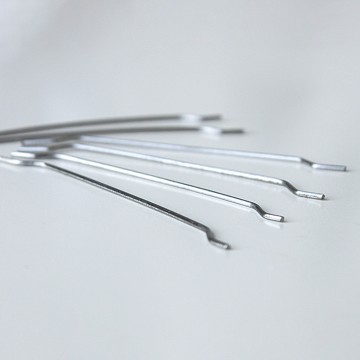
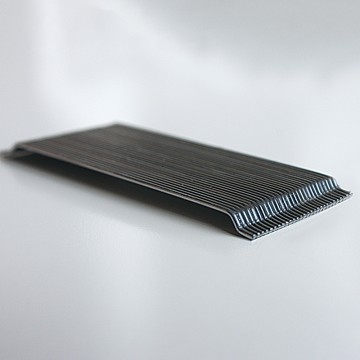
Commercially, the transition from traditional rebar reinforcement to fiber-reinforced concrete (FRC) and fiber-reinforced polymers (FRP) is accelerating. Fiber reinforcement significantly reduces construction timelines by eliminating the labor-intensive process of cutting, bending, and placing conventional steel mesh. Furthermore, in heavy machinery fabrication, where equipment foundations must support dynamic loads of hundreds of tons, the inclusion of hooked-end and copper-coated steel fibers provides superior energy absorption (toughness) and fatigue resistance, translating directly into extended machinery lifespans and reduced structural degradation.
In high-rise steel buildings, petrochemical refineries, and offshore drilling platforms, steel columns and beams are typically coated with fire-resistive materials. Incorporating alkali-resistant cellulose fibers or micro-synthetic fibers into these spray-applied fire-resistive materials (SFRM) improves their adhesion, cohesive strength, and resistance to thermal cracking. This ensures that the protective barrier remains intact even when subjected to the high-velocity gas flows and rapid temperature rises characteristic of hydrocarbon fires.
Heavy machinery—such as hydraulic presses, CNC shearing machines, fiber laser cutters, and roll bending machines—generates massive dynamic forces and harmonic vibrations. The concrete foundations supporting this machinery must absorb these stresses without cracking. Hooked-end steel fibers and macro-synthetic fibers provide three-dimensional reinforcement, dramatically increasing the shear strength, impact resistance, and fatigue limit of the concrete. This prevents the degradation of the foundation, ensuring the precise alignment and calibration of high-tolerance machinery over decades of operation.
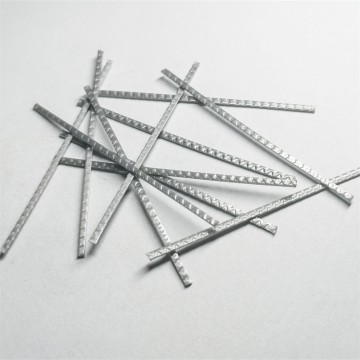
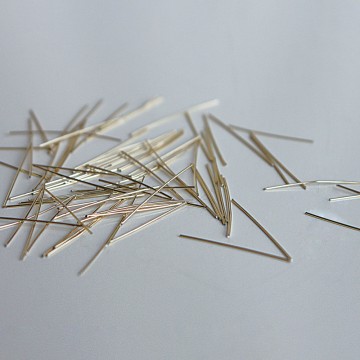
In environments where molten metal is processed, such as steel mills and foundries, structures are continuously exposed to thermal shock and radiant heat exceeding 1000°C. Refractory castables reinforced with high-temperature stainless steel fibers or copper-coated steel fibers exhibit exceptional thermal shock resistance. The fibers bridge the cracks induced by rapid heating and cooling cycles, preventing the lining from spalling and protecting the outer steel shell of furnaces, ladles, and tundishes.
The future of heat resistant fibers lies in material hybridization and smart integration. Researchers and manufacturers are developing hybrid fiber systems that combine the benefits of different fiber types. For instance, a blend of micro-polypropylene fibers (for fire-induced spalling protection) and high-strength steel fibers (for structural load-bearing capacity) offers a comprehensive solution for both fire safety and mechanical performance. Additionally, the development of surface-treated and chemically modified fibers is enhancing the bond strength between the fibers and the cementitious matrix, allowing for lower dosage rates while achieving identical or superior performance characteristics.
Another significant trend is the alignment of fiber manufacturing with digital and automated construction processes. As the fabrication of steel structures and heavy machinery increasingly relies on advanced CNC machining, robotic welding, and automated assembly, the demand for highly standardized, predictable, and quality-controlled fiber materials is rising. Manufacturers are utilizing advanced simulation software to model the orientation and distribution of fibers within complex structural elements, ensuring optimized performance and material efficiency.
CHNVIKEN is a professional manufacturer specializing in the research, development, production, and export of sheet metal processing equipment. With more than 10 years of industry experience, we have grown from a local machinery supplier into a globally recognized brand serving customers in over 100 countries and regions.
Our product portfolio includes CNC Press Brakes, Hydraulic Shearing Machines, Fiber Laser Cutting Machines, Hydraulic Presses, Punching Machines, Ironworkers, Roll Bending Machines, and complete Duct Production Lines. We are committed to providing efficient, intelligent, and cost-effective solutions for sheet metal fabrication industries worldwide.

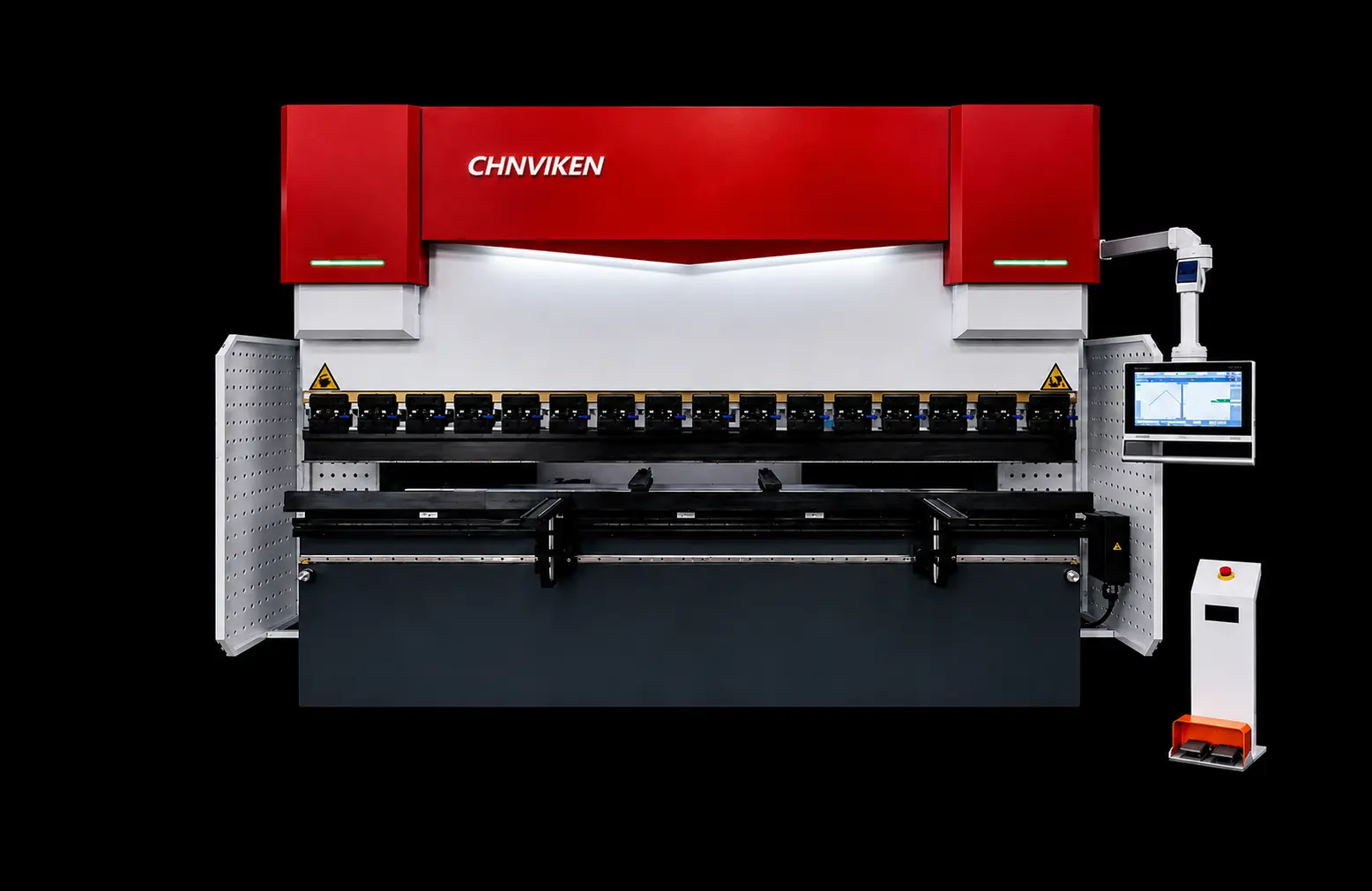
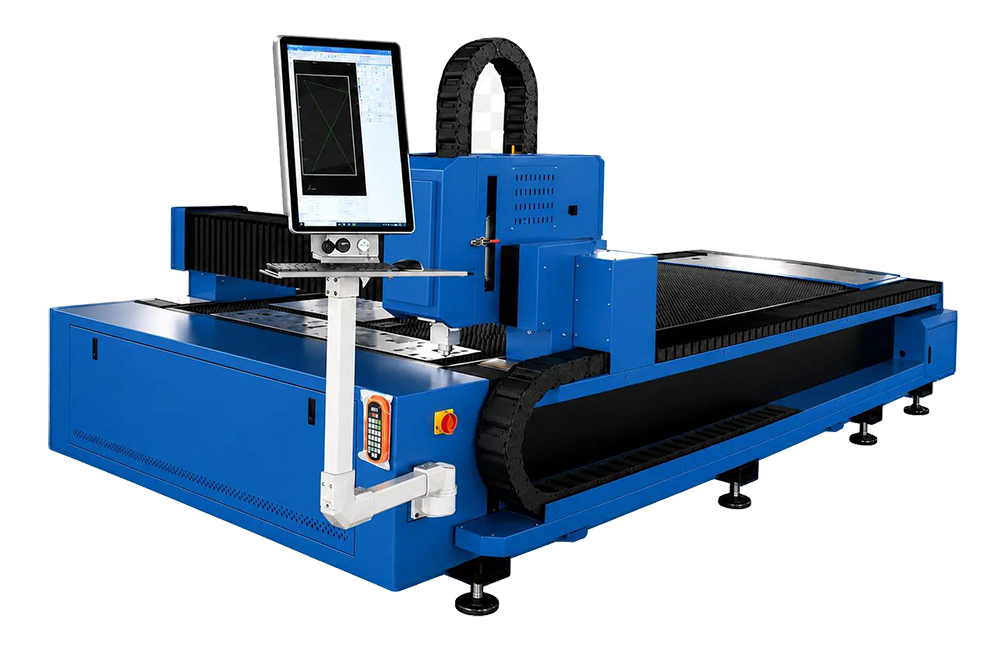
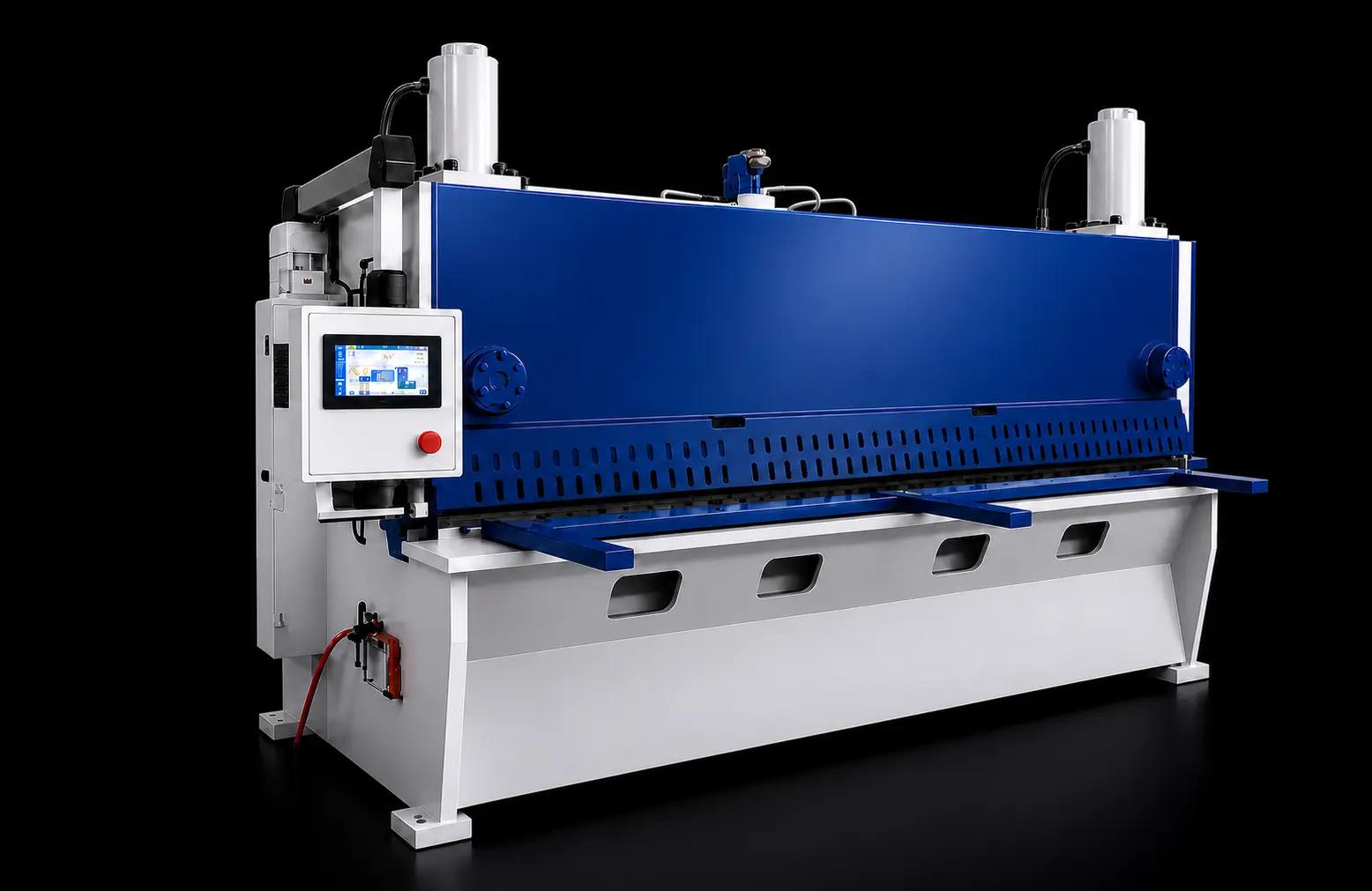
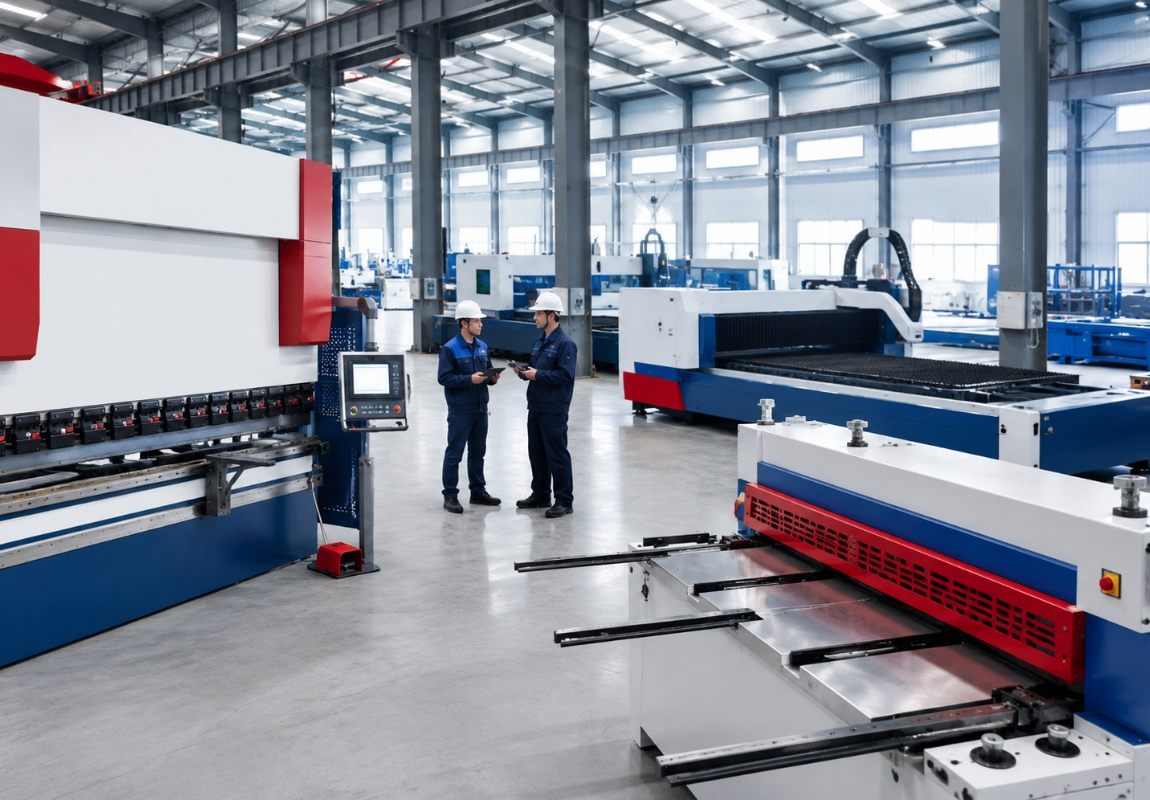
From press brakes and shearing machines to fiber laser cutters, plate rolling machines and hydraulic presses, VIKEN designs equipment around your material, thickness, working length, accuracy and production volume. Our engineers recommend the right machine configuration, controller, tooling and automation options to help you achieve stable quality, higher efficiency and lower operating costs.
Optimize your factory floor with smart, interconnected systems that streamline communication between cutting, bending, and material handling systems for maximum throughput.
Get 24/7 engineering support, preventative maintenance packages, and rapid spare parts delivery to keep your production lines running with minimal downtime.