 +86 13819274352
Leave Your Message
-
Contact WhatsApp
-
 Contact Phone
-
 Contact Email
Explore our leading structural fibers engineered to withstand the demanding Canadian environmental conditions.
As Canada intensifies its commitment to a net-zero carbon economy, industrial manufacturers, civil engineers, and bioplastic developers are turning to high-performance natural reinforcements. Among these, Banana Cellulose Fiber has emerged as a premier bio-based material, prized for its high tensile strength, low density, and remarkable biodegradability. Extracted from the pseudo-stems of the banana plant (Musa acuminata), this natural fiber presents a highly sustainable alternative to glass fibers and synthetic polymers.
In regions ranging from Ontario's automotive manufacturing hubs to British Columbia's green building sectors, Canadian factories are integrating banana cellulose fibers into advanced composite designs. The fiber's unique cellular structure provides excellent thermal insulation, acoustic damping, and mechanical reinforcement, making it ideal for the country's harsh seasonal temperature fluctuations.
Utilizes agricultural waste, transforming pseudo-stems into structural value, matching Canada's circular economy goals.
Boasts high tensile strength and flexural modulus, critical for durable composite reinforcement.
Natural elasticity helps concrete and bioplastics resist micro-cracking during severe Canadian winters.
Understanding where and how banana cellulose fiber is applied helps Canadian procurement managers select the appropriate vendor and processing specifications. The versatility of this fiber allows it to serve multiple high-value industries:
In Canadian civil engineering, banana cellulose fibers are blended into concrete mixtures alongside traditional alkali-resistant cellulose and synthetic fibers. This hybrid approach significantly reduces shrinkage cracking during the initial curing phase and enhances the long-term durability of sidewalks, bridge decks, and precast panels exposed to de-icing salts.
Canada's automotive sector, particularly in Windsor and the Greater Toronto Area, is actively researching natural fiber composites to reduce vehicle weight and improve fuel efficiency. Banana cellulose fiber-reinforced bioplastics are increasingly utilized in interior door panels, dashboard structures, and seatback covers, offering high impact resistance without the weight penalty of glass fibers.
With Canada's federal restrictions on single-use plastics, packaging manufacturers are leveraging banana cellulose pulp to produce high-strength, water-resistant molded pulp packaging. These bio-based containers degrade naturally within weeks, providing a sustainable solution for food delivery, electronics packaging, and agricultural trays.
For Canadian enterprises, securing a reliable supply chain of raw or treated banana cellulose fiber requires evaluating vendors based on strict quality metrics. Raw banana fiber must undergo precise chemical treatments—such as alkalization (NaOH treatment), bleaching, and enzyme processing—to remove excess lignin, pectin, and hemicellulose. This process optimizes the fiber's surface roughness, ensuring maximum adhesion when blended with cementitious matrices or polymer resins.
Leading factories serving the Canadian market provide comprehensive testing documentation, including Fourier-Transform Infrared (FTIR) spectroscopy, Thermogravimetric Analysis (TGA), and tensile testing data. Furthermore, local warehousing and distribution channels in major hubs like Montreal, Vancouver, and Toronto are essential to mitigate international shipping delays and ensure just-in-time delivery for continuous production lines.
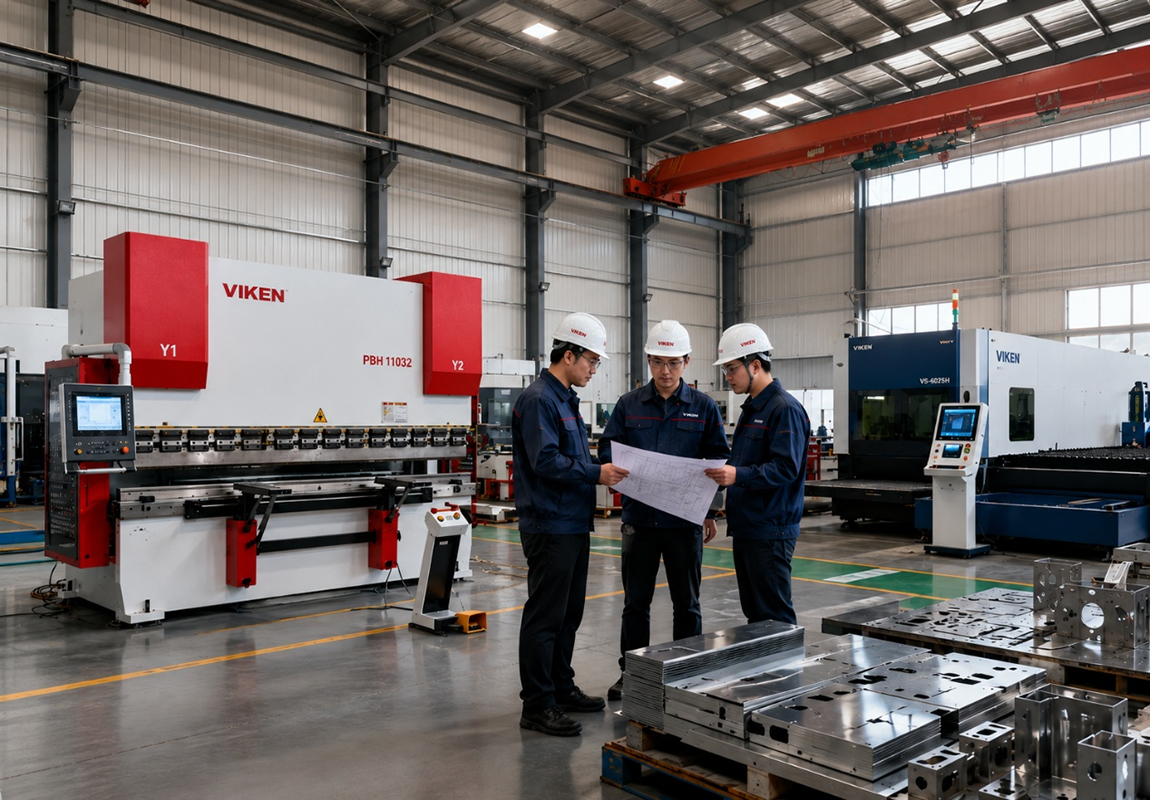
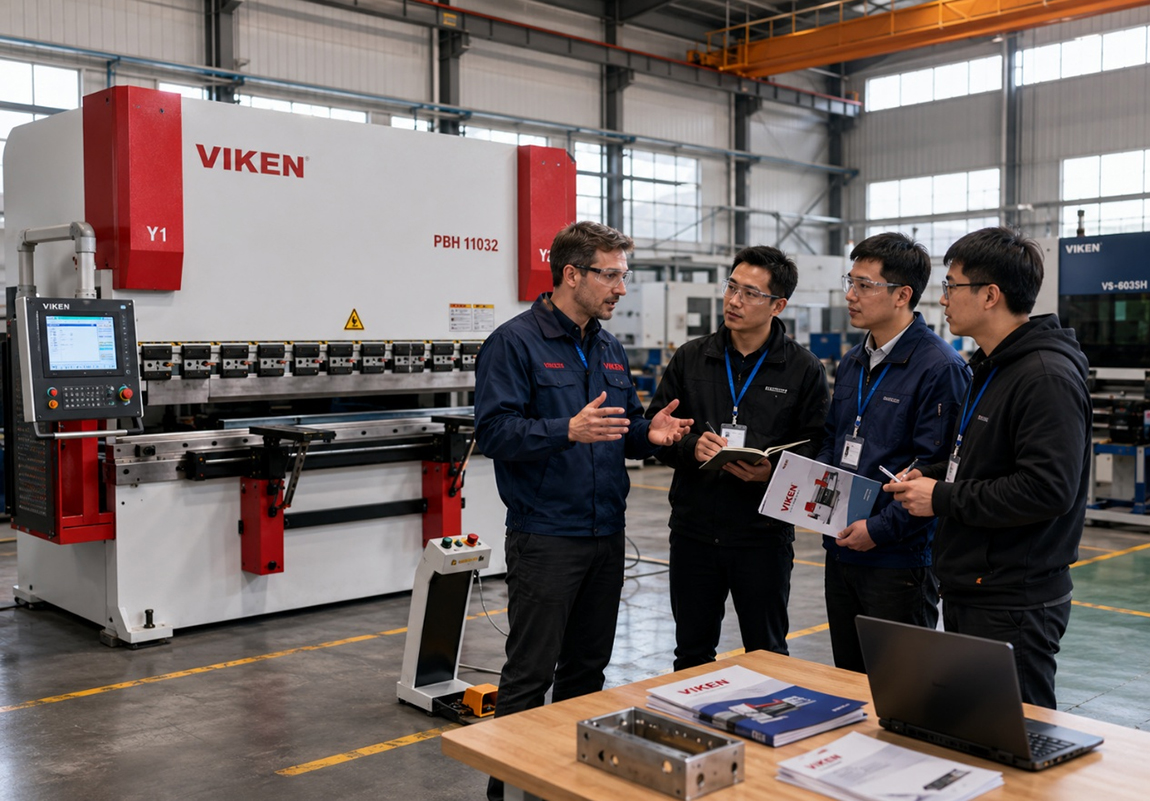
CHNVIKEN is a professional manufacturer specializing in the research, development, production, and export of sheet metal processing equipment. With more than 10 years of industry experience, we have grown from a local machinery supplier into a globally recognized brand serving customers in over 100 countries and regions.
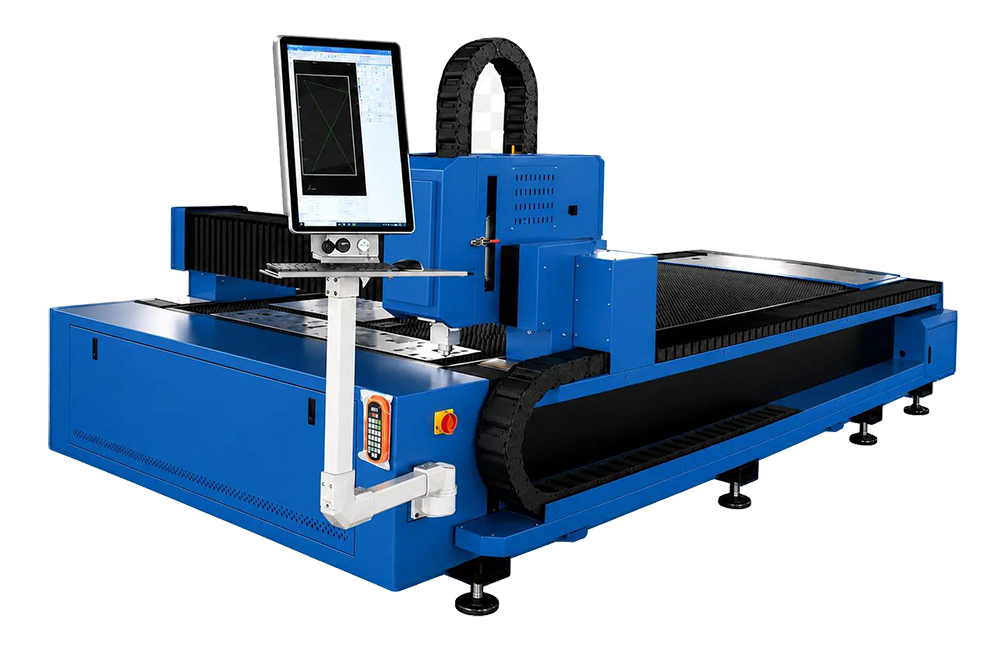
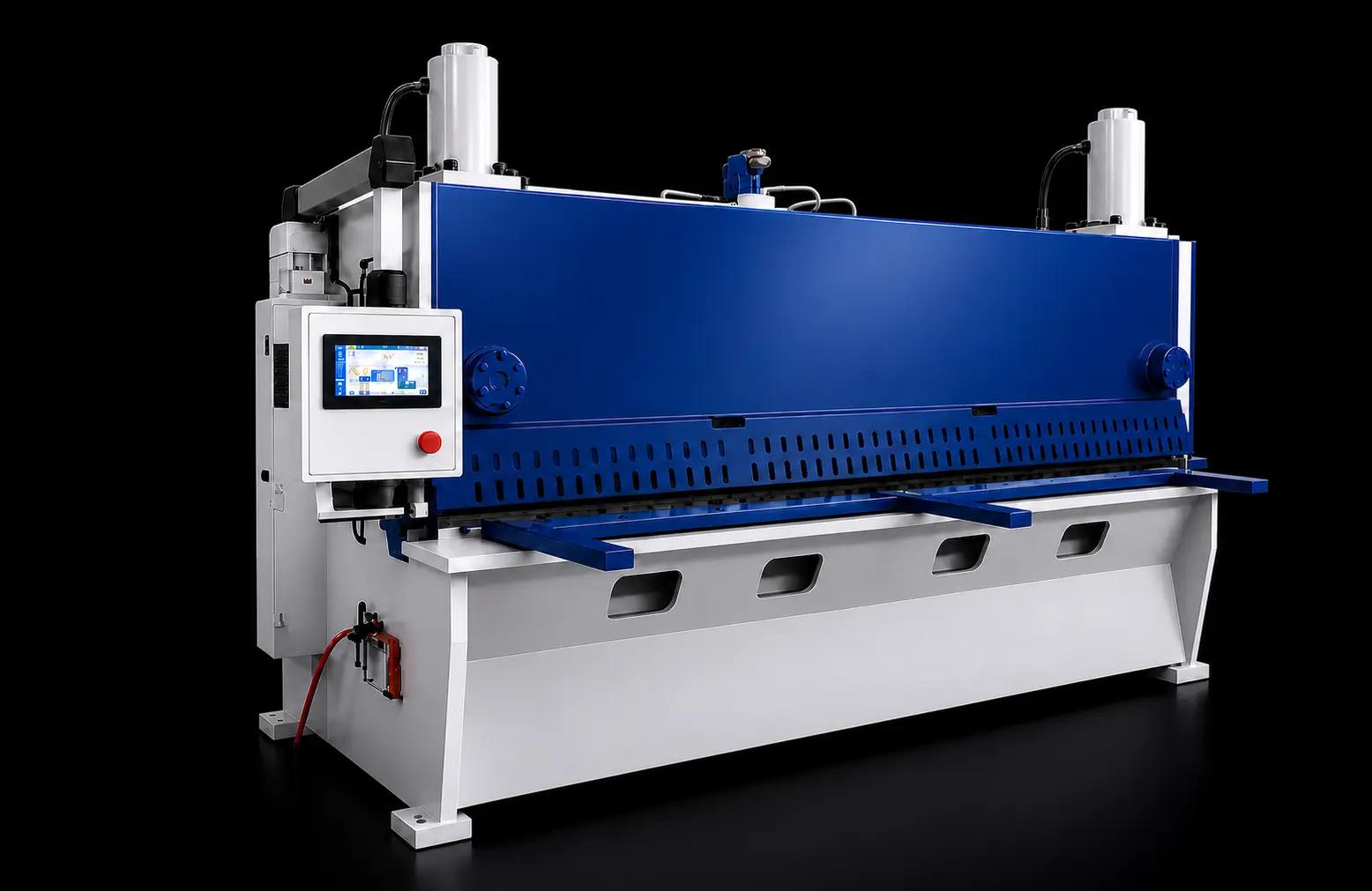
Our product portfolio includes CNC Press Brakes, Hydraulic Shearing Machines, Fiber Laser Cutting Machines, Hydraulic Presses, Punching Machines, Ironworkers, Roll Bending Machines, and complete Duct Production Lines. We are committed to providing efficient, intelligent, and cost-effective solutions for sheet metal fabrication industries worldwide.

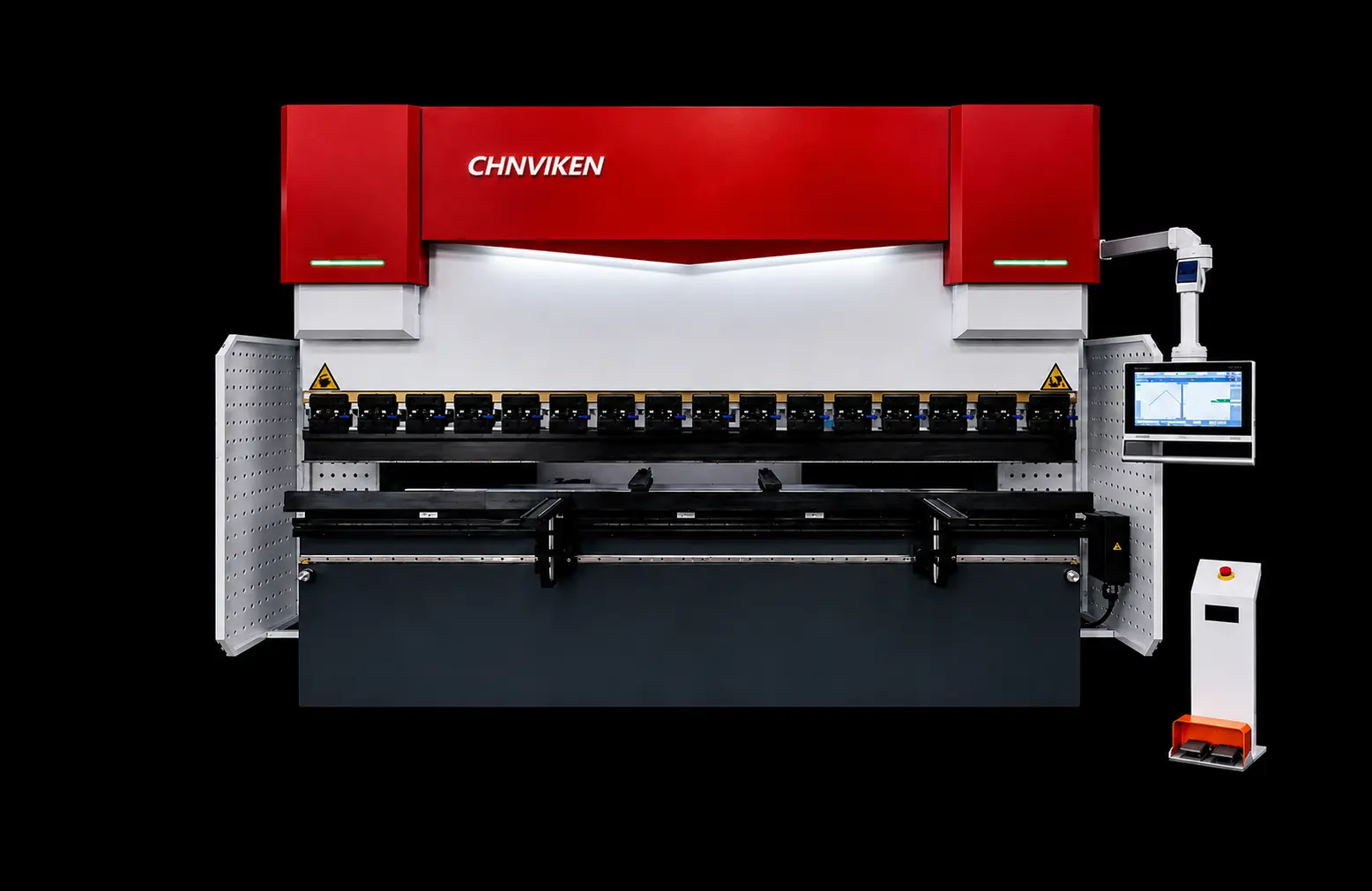
High-precision sheet metal processing equipment essential for fabricating structural components, fiber extraction decorticators, and industrial drying systems.
From press brakes and shearing machines to fiber laser cutters, plate rolling machines and hydraulic presses, VIKEN designs equipment around your material, thickness, working length, accuracy and production volume. Our engineers recommend the right machine configuration, controller, tooling and automation options to help you achieve stable quality, higher efficiency and lower operating costs.
Integrate smart IoT controllers, automatic loading systems, and robotic bending cells to transition your factory into a smart manufacturing hub.
Our localized support network ensures prompt technical assistance, spare parts availability, and remote diagnostic services to minimize downtime.
The convergence of biotechnology and advanced metal fabrication is shaping the future of Canadian manufacturing. As agricultural processing plants scale up their banana cellulose fiber extraction capacities, the demand for robust, automated machinery rises. High-volume decorticating systems (which mechanically separate the fiber from the pseudo-stem) require heavy-duty metal components that must be precision-engineered to withstand continuous abrasion and high load requirements.
Furthermore, the integration of advanced CNC systems and automated fiber laser cutting ensures that the components used in natural fiber processing plants—such as drying chambers, sorting screens, and chemical treatment vats—are manufactured with sub-millimeter accuracy. This synergy between bio-fiber raw materials and high-end machinery ensures that Canadian factories can maintain a competitive edge, delivering top-tier sustainable products to global markets.
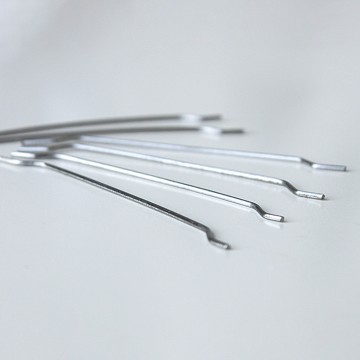
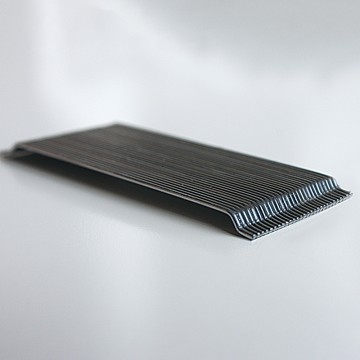
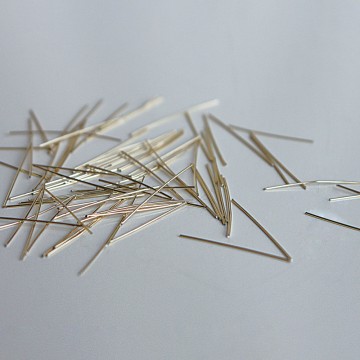
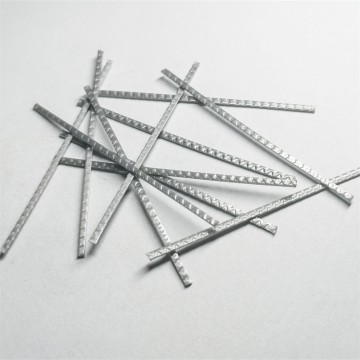
By leveraging hybrid fiber mixes—combining banana cellulose fiber with alkali-resistant cellulose, steel fibers, and PP synthetic fibers—construction companies throughout Canada can customize the ductility, flexural toughness, and crack-resistance of their concrete structures. This tailored approach represents the next generation of smart, sustainable building design.
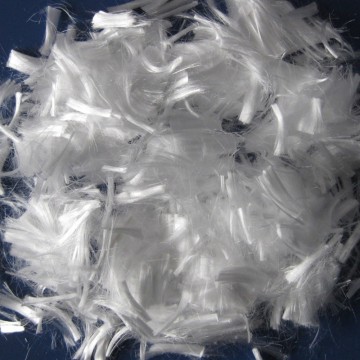
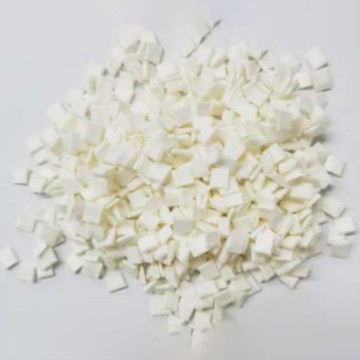
Our comprehensive portfolio of structural fibers engineered for civil engineering, industrial composites, and concrete reinforcement across Canada.