+86 13819274352
Leave Your Message
-
Contact WhatsApp
-
 Contact Phone
-
 Contact Email
Peru's construction industry is experiencing a dynamic phase of modernization, driven by massive public infrastructure initiatives, mining expansions, and urban development across metropolitan hubs like Lima, Arequipa, and Trujillo. As the country grapples with challenging geographical terrains—ranging from high-altitude Andean peaks to highly seismic coastal regions—the demand for advanced engineering materials has reached an all-time high. In this context, Cellulose A Fiber has emerged as an indispensable additive for concrete reinforcement, ensuring structural durability, reducing micro-cracking, and enhancing overall performance under extreme conditions.
Historically reliant on traditional concrete mixes, Peruvian contractors and engineering firms are rapidly shifting toward Fiber Reinforced Concrete (FRC). This transition is heavily influenced by the national regulatory framework, including the Peruvian National Building Code (Norma Técnica E.030 - Diseño Sismorresistente), which mandates stringent seismic resilience standards. As a leading exporter and vendor serving Peru, we provide specialized Cellulose A Fiber designed to meet these exacting requirements, helping local builders construct safer, longer-lasting structures.
Peru's location on the Pacific Ring of Fire exposes its infrastructure to continuous seismic activity. Cellulose A Fiber acts as a micro-reinforcement system, dispersing uniformly throughout the concrete matrix to arrest micro-cracks before they propagate into structural failures during earth movements.
The diverse climate and topography of Peru demand specialized construction solutions. Cellulose A Fiber is engineered to perform across multiple distinct local application scenarios:
In coastal cities like Callao, Chimbote, and Pisco, marine concrete structures are constantly exposed to high humidity, saline environments, and aggressive chloride attack. Cellulose A Fiber provides exceptional water retention and limits plastic shrinkage cracking, reducing the permeability of the concrete. This prevents salt water from reaching the internal steel reinforcement, thereby significantly extending the service life of ports, docks, and coastal highways.
Peru is a global mining powerhouse, with major operations located at elevations exceeding 4,000 meters above sea level (such as Yanacocha, Cerro Verde, and Las Bambas). Concrete placement at high altitudes faces rapid water evaporation and freezing temperatures. Cellulose A Fiber acts as an internal curing agent by retaining moisture within the concrete mix, ensuring complete hydration of the cement paste and preventing early-age cracking in harsh mountain climates.
The expansion of Peru's national road network requires extensive tunneling through the Andes. Shotcrete (sprayed concrete) reinforced with Cellulose A Fiber exhibits superior adhesion, reduced rebound loss, and enhanced flexural toughness. This ensures safer underground excavation processes and highly stable tunnel linings for critical transport corridors.
The skyline of Lima is evolving rapidly with modern commercial complexes and residential towers. For large-area floor slabs and industrial pavements, Cellulose A Fiber minimizes plastic shrinkage cracks caused by dry winds and sun exposure during the initial curing phase, providing a smooth, flawless finish that meets international quality standards.
Sustainability has transitioned from a global concept to a local mandate in Peru. The Peruvian Green Building Council (Peru GBC) actively promotes the adoption of eco-friendly building materials that lower carbon footprints and minimize environmental impact. Cellulose A Fiber, being derived from natural, renewable plant sources, aligns perfectly with these green building initiatives.
Unlike synthetic fibers, Cellulose A Fiber is biodegradable and non-toxic, making it the preferred choice for projects aiming for LEED (Leadership in Energy and Environmental Design) certification in Peru. Furthermore, by improving the durability and lifespan of concrete structures, it reduces the long-term consumption of raw materials and maintenance costs, fostering a circular economy within the local construction value chain.
Our Cellulose A Fiber is specially treated to resist the highly alkaline environment of concrete. This ensures that the fiber network remains chemically stable and physically intact over decades of exposure, maintaining its structural reinforcement properties indefinitely.
CHNVIKEN is a professional manufacturer specializing in the research, development, production, and export of sheet metal processing equipment. With more than 10 years of industry experience, we have grown from a local machinery supplier into a globally recognized brand serving customers in over 100 countries and regions.
Our product portfolio includes CNC Press Brakes, Hydraulic Shearing Machines, Fiber Laser Cutting Machines, Hydraulic Presses, Punching Machines, Ironworkers, Roll Bending Machines, and complete Duct Production Lines. We are committed to providing efficient, intelligent, and cost-effective solutions for sheet metal fabrication industries worldwide.
To support our fiber export operations and ensure top-tier logistics and packaging, CHNVIKEN utilizes its state-of-the-art sheet metal processing equipment to manufacture custom storage racks, structural components, and automated dispensing equipment for construction materials.
Learn More
In addition to supplying high-performance construction fibers, we manufacture and supply industrial machinery to support infrastructure fabrication and structural steel manufacturing in Peru.
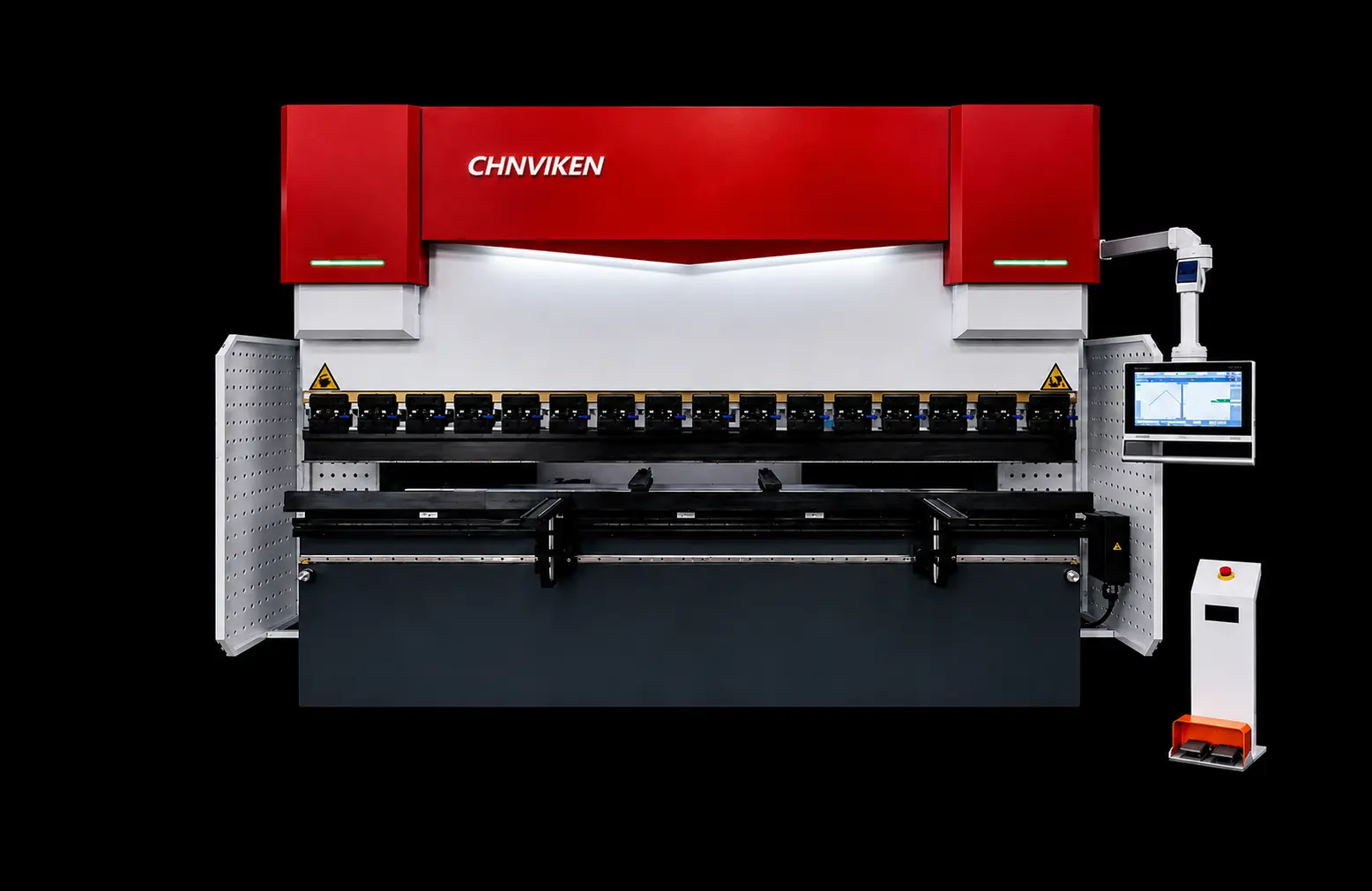
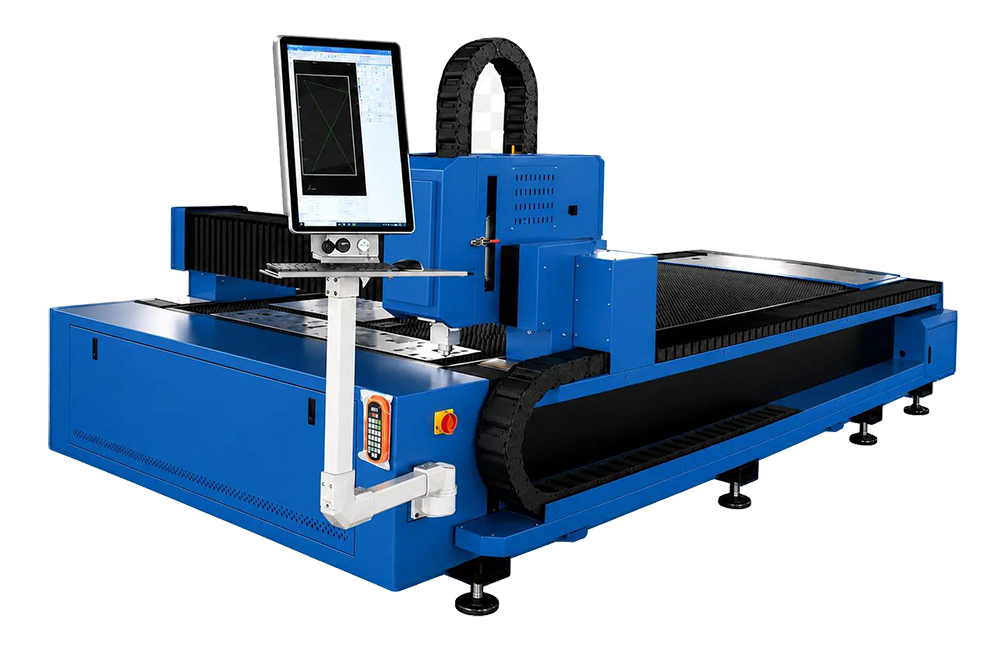
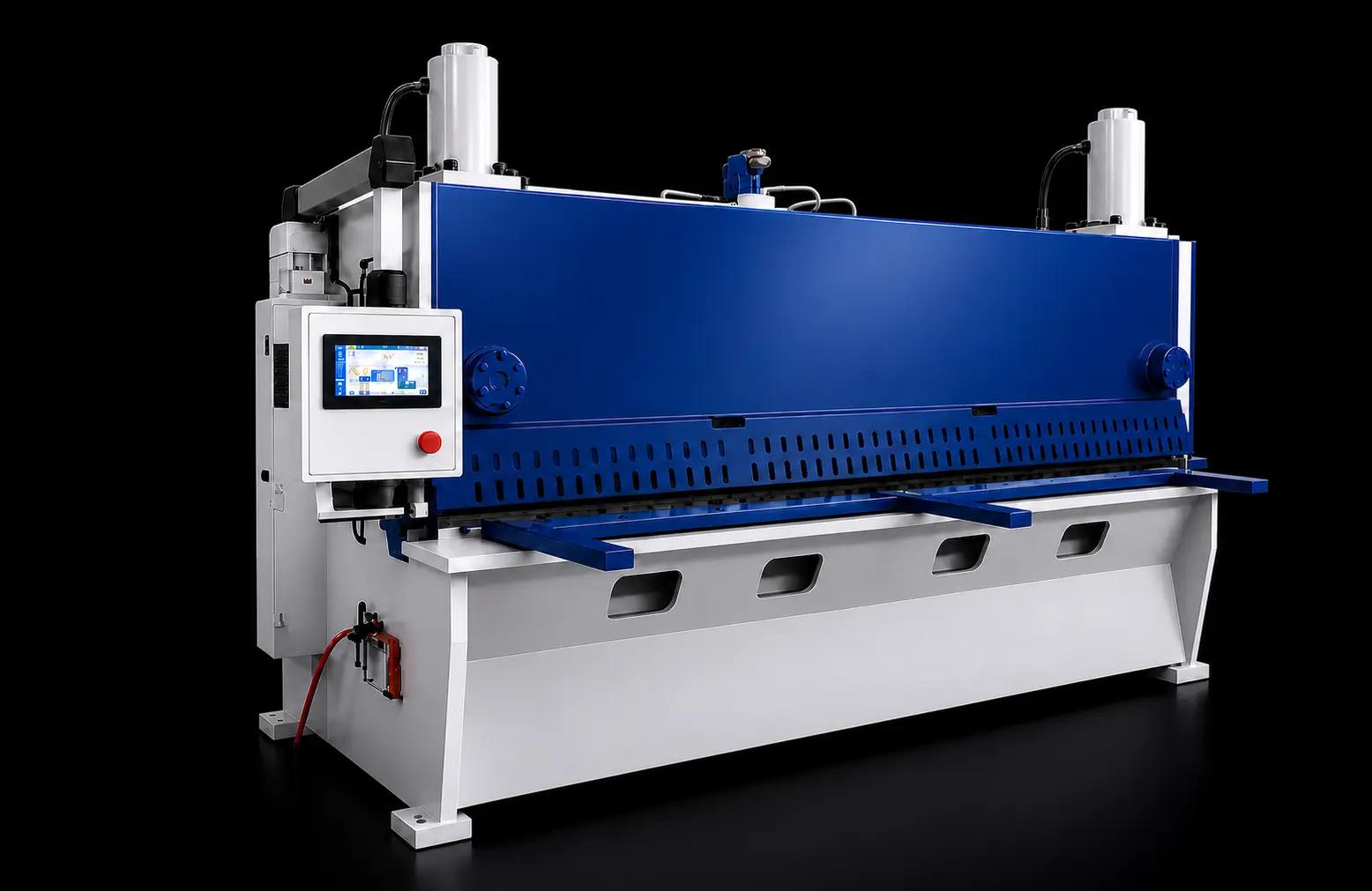
From press brakes and shearing machines to fiber laser cutters, plate rolling machines and hydraulic presses, VIKEN designs equipment around your material, thickness, working length, accuracy and production volume. Our engineers recommend the right machine configuration, controller, tooling and automation options to help you achieve stable quality, higher efficiency and lower operating costs.
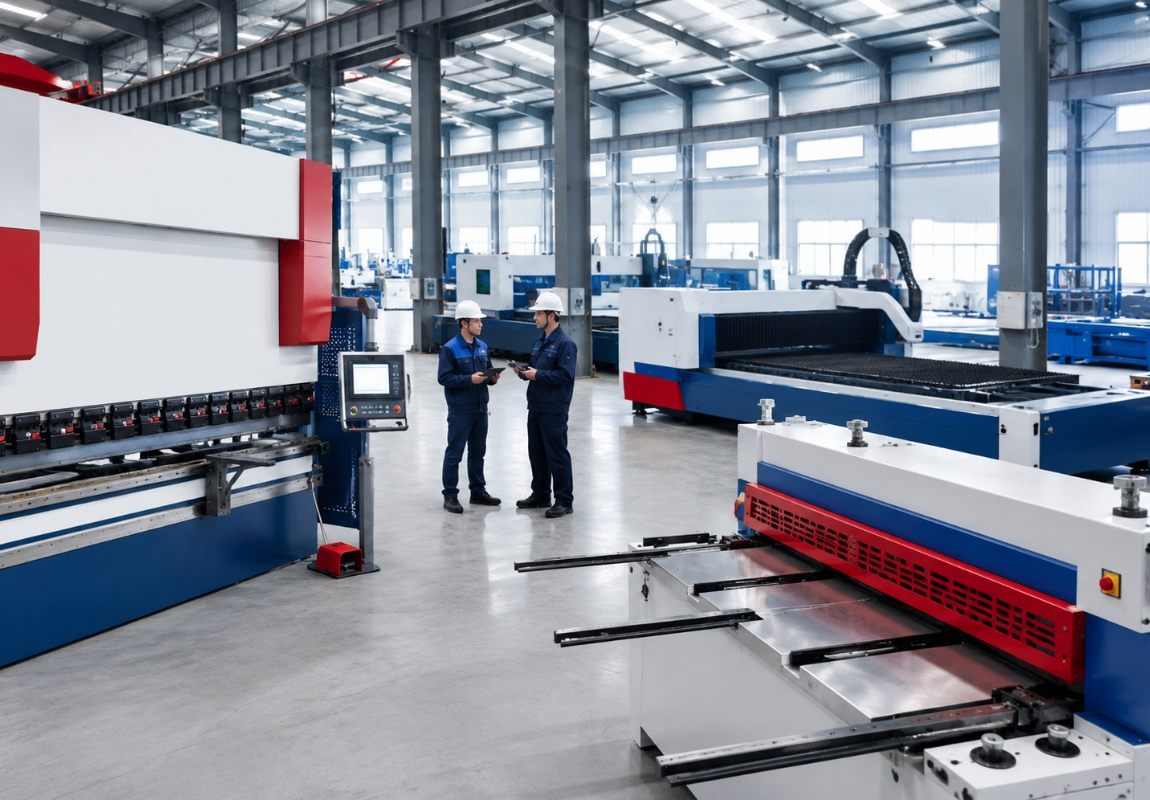
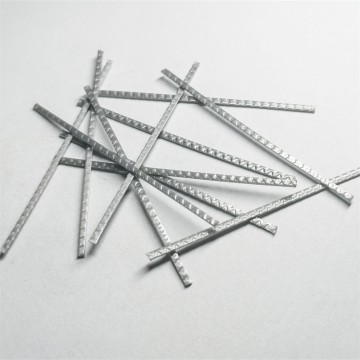
Our advanced fiber solutions are engineered to withstand extreme seismic loads. By upgrading from stand-alone machines to connected production networks, we help Peruvian contractors automate the mixing and distribution of Cellulose A Fiber and steel fibers directly into concrete batching plants, ensuring consistent fiber density and distribution across massive urban transit projects.
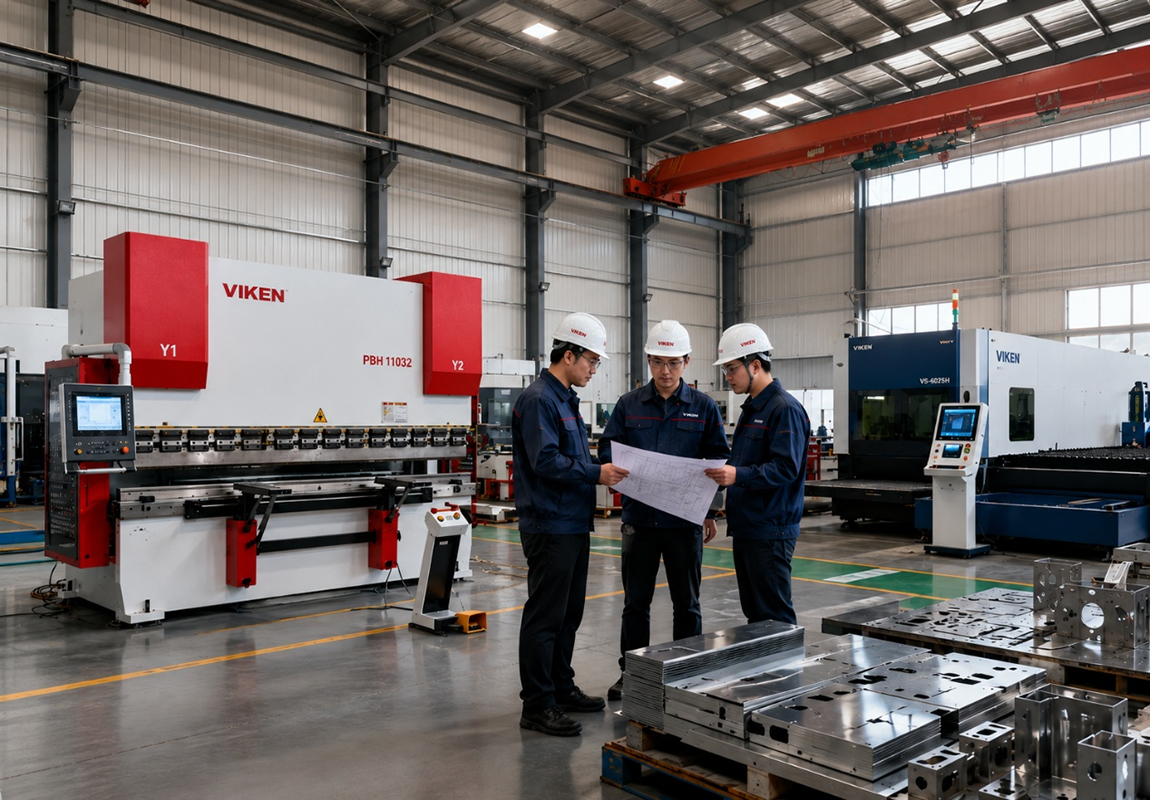
We provide comprehensive after-sales service and technical field support directly in Peru. Our engineers assist local ready-mix concrete suppliers in optimizing their mix designs with Alkali Resistant Cellulose Fiber, guaranteeing structural longevity and protection against aggressive marine environments along the Peruvian coastline.
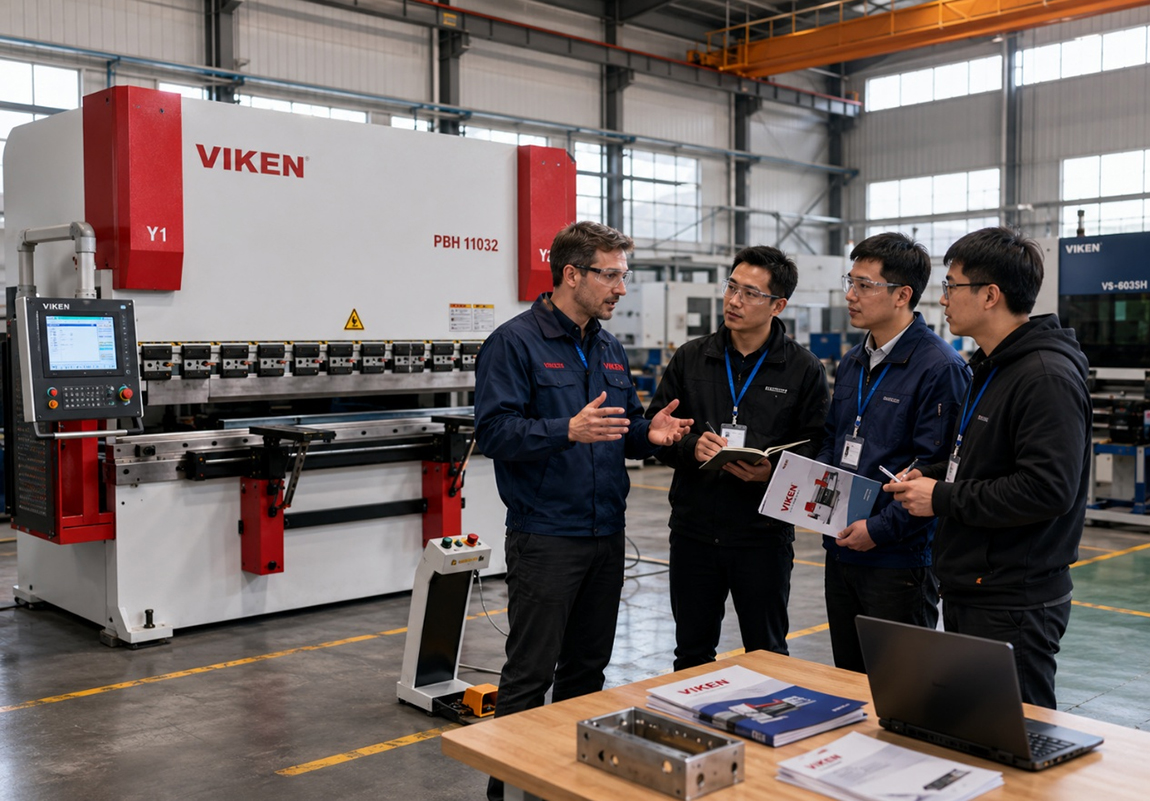
When selecting Cellulose A Fiber for construction projects in Peru, understanding the physical and chemical interactions within the cementitious matrix is key to maximizing performance. Cellulose fibers are hydrophilic, meaning they have a natural affinity for water. This property allows them to absorb water up to several times their dry weight. During the concrete mixing phase, these fibers absorb water, which is then gradually released back into the concrete matrix as it cures. This process of internal curing is highly beneficial in arid regions like the coastal deserts of Peru, where rapid evaporation can severely compromise concrete strength.
Furthermore, the high tensile strength of Cellulose A Fiber provides significant resistance to shear stresses. As micro-cracks attempt to form due to thermal contraction or external loads, they encounter the dense network of cellulose fibers. The fibers bridge these micro-cracks, distributing the stress across a wider area and preventing the localized failure of the concrete. This micro-reinforcement mechanism is a vital supplement to traditional macro-reinforcements like steel rebars or macro-synthetic fibers, creating a multi-layered defense system against structural degradation.
Prevents premature drying in high-temperature coastal regions and high-altitude mining environments, ensuring complete hydration and structural integrity.
Specially treated to resist degradation within the highly alkaline concrete environment, maintaining long-term reinforcement performance.