Hot Products


High-Strength Loose Hooked-End Steel Fiber for Concrete | China Suppliers & Factory
Raw Material & Structural Features
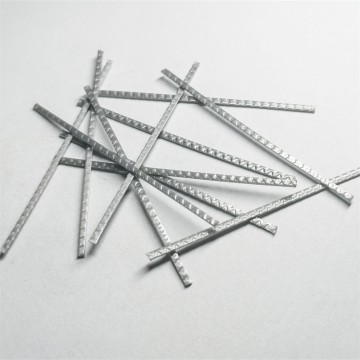
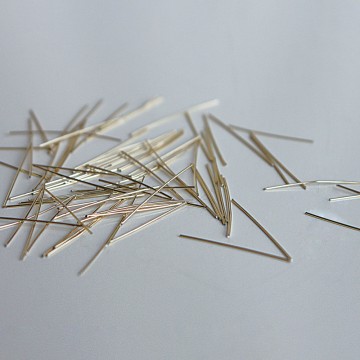
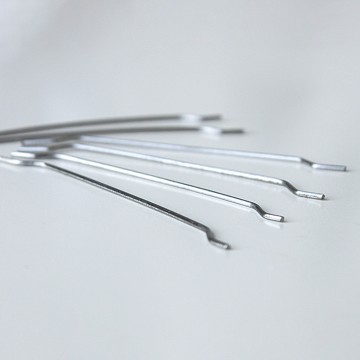
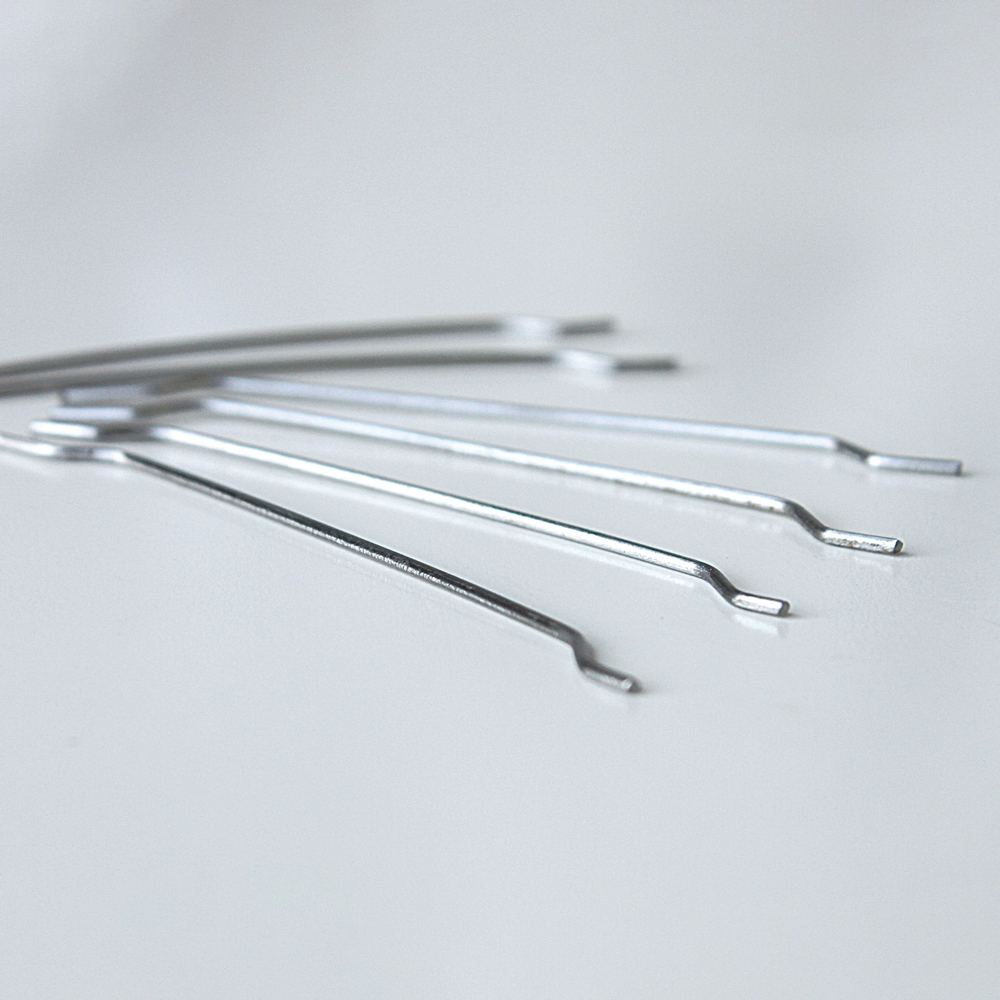
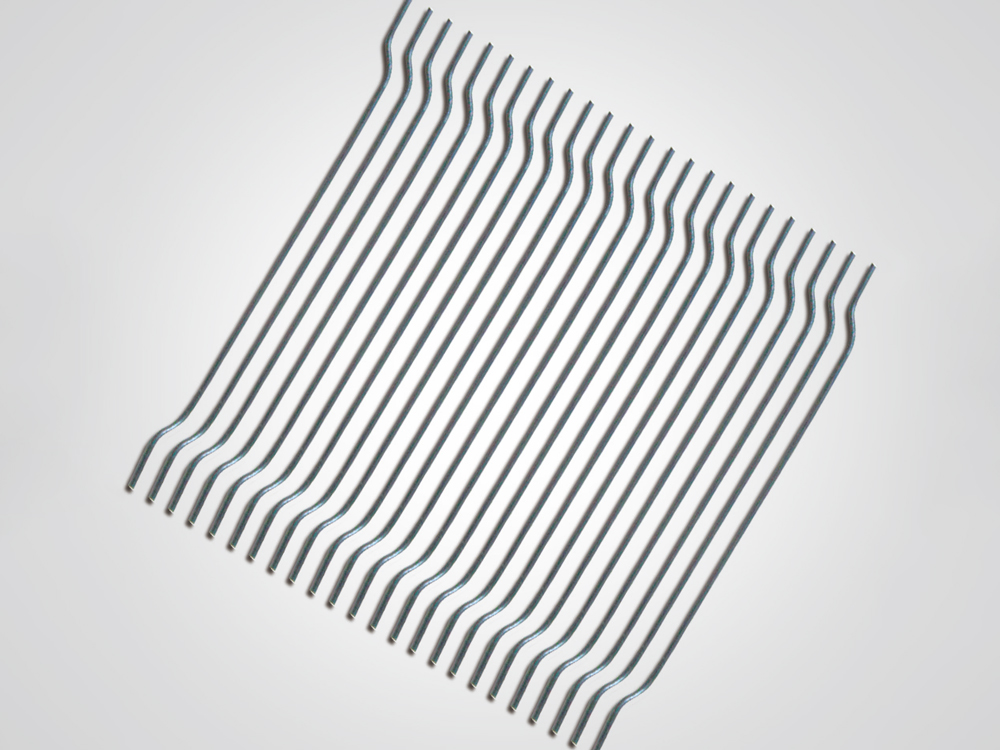
Each loose steel fiber is manufactured from high-strength cold-drawn steel wire with standardized hooked ends, forming firm mechanical occlusion with cement paste after concrete mixing to avoid interface separation under repeated dynamic loads.
Without water-soluble glue bundling, loose steel fiber features pure metal structure, no residual adhesive impurities inside concrete, and maintains stable reinforcement performance in high-temperature, damp and freeze-thaw harsh environments for decades.
Mixing & Construction Characteristics
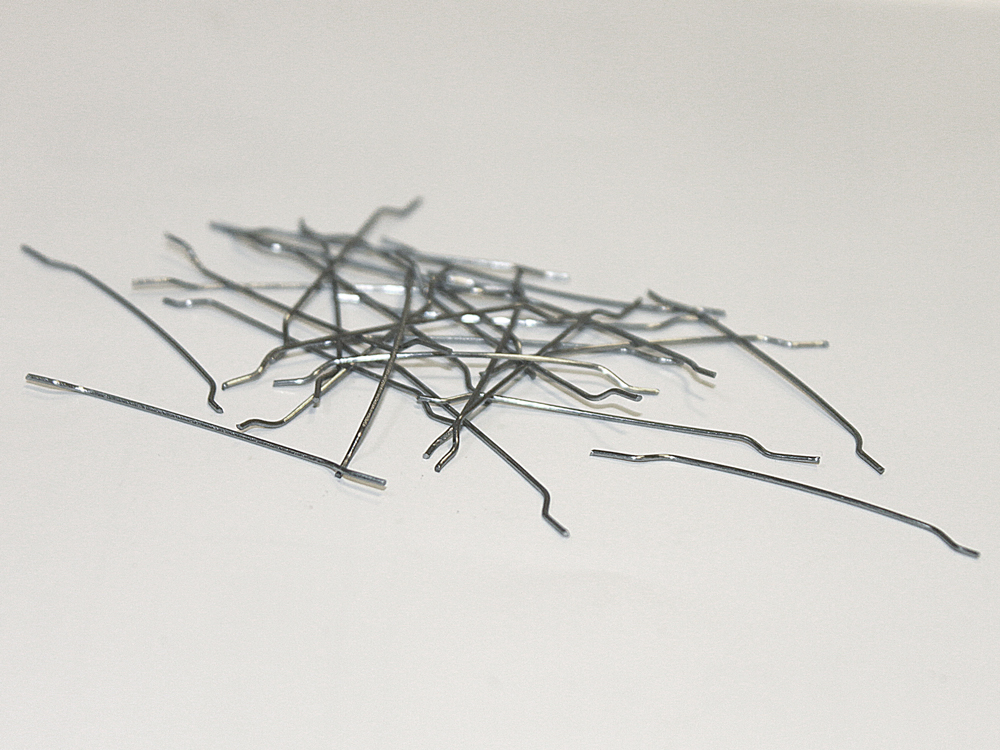
- Loose steel fiber can be manually added or put into mixing plants via simple feeding equipment. With proper mixing time, single fibers scatter evenly to form a dense three-dimensional reinforcement network and effectively disperse internal stress of concrete.
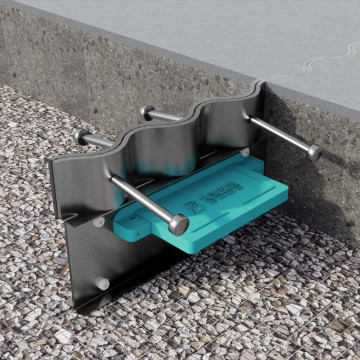
- It is fully compatible with all common concrete admixtures, cellulose fiber, polypropylene fiber and floor armoured joints, matching various concrete mix designs without affecting concrete slump and normal finishing operation.
Application Scenarios
Loose steel fiber is widely applied to all kinds of steel fiber reinforced concrete projects, including heavy-duty factory floors, logistics storage yards, municipal highway pavements, bridge deck overlays, tunnel shotcrete, underground parking slabs and precast concrete components. It fits new energy workshops, port cargo yards, mine supporting engineering, hydraulic structures and municipal road reconstruction works perfectly. It effectively controls plastic shrinkage and temperature cracks, reduces concrete spalling and abrasion damage, and cuts long-term floor maintenance costs for industrial and transportation infrastructure projects. Compared with glued bundled steel fiber, it is more cost-effective for small-scale construction sites with low mixing output demands.
Frequently Asked Questions
What raw materials are loose steel fibers made from?
Each loose steel fiber is manufactured from high-strength cold-drawn steel wire featuring standardized hooked ends to ensure firm mechanical bonding with cement paste.
How do loose steel fibers perform in harsh environmental conditions?
Due to their pure metal structure without water-soluble glue bundling, they maintain highly stable reinforcement performance in high-temperature, damp, and freeze-thaw environments for decades.
What is the recommended mixing method for loose steel fiber?
They can be manually added or introduced into mixing plants using simple feeding equipment. With appropriate mixing time, the single fibers disperse evenly to form a dense three-dimensional reinforcement network.
Are loose steel fibers compatible with other concrete additives?
Yes, they are fully compatible with all common concrete admixtures, cellulose fiber, polypropylene fiber, and floor armoured joints without altering concrete slump or finishing operations.
What are the primary applications of loose steel fiber?
They are widely used in heavy-duty factory floors, logistics yards, municipal roads, bridge deck overlays, tunnel shotcrete, underground parking slabs, precast components, and hydraulic structures.
Why choose loose steel fiber over glued bundled options?
Loose steel fibers leave no residual adhesive impurities in the concrete and are highly cost-effective, particularly for small-scale construction sites with lower mixing output demands.