
 +86 13819274352
Leave Your Message
-
Contact WhatsApp
-
 Contact Phone
-
 Contact Email
High-precision manufacturing of energy storage enclosures requires heavy-duty machinery. Explore our primary equipment line tailored for the cleanroom and high-load environments designed by industrial flooring contractors.
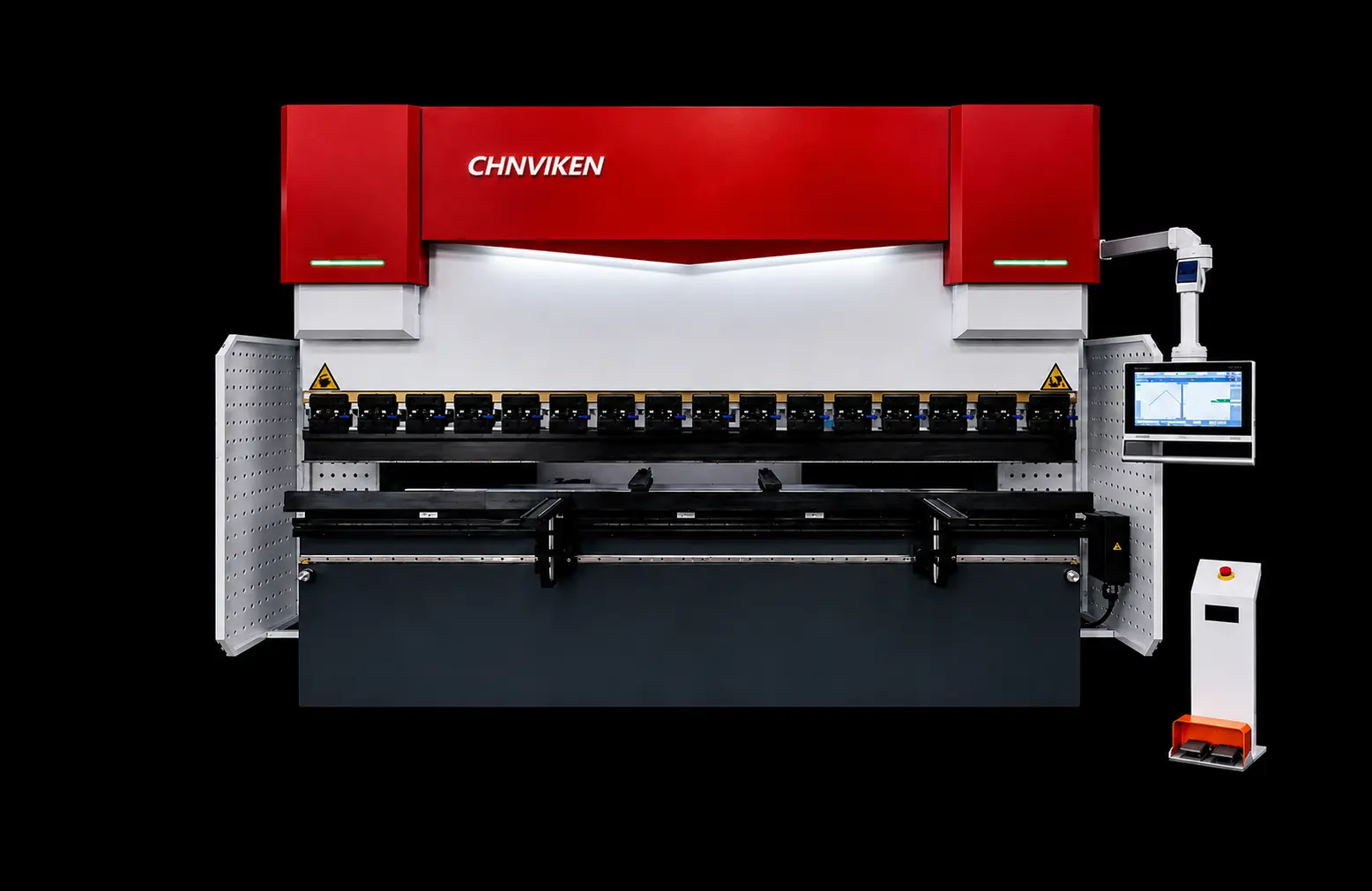
Designed to form heavy-gauge steel panels for battery compartments with micron-level accuracy, requiring stable, vibration-damped industrial flooring.
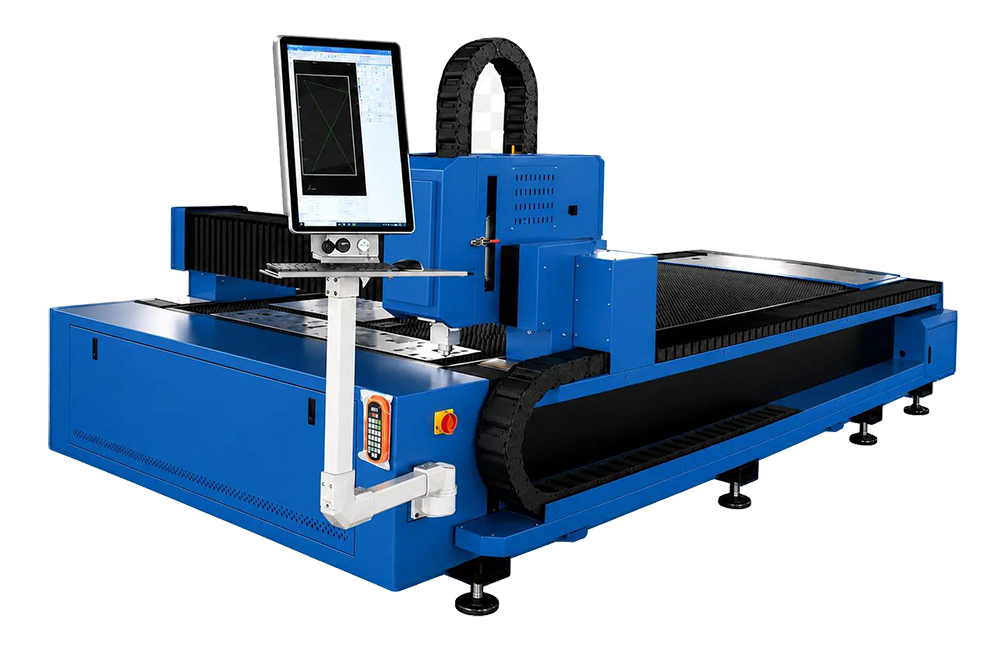
Delivers high-speed, precise cutting for complex enclosure sheets, demanding clean, dust-free, and perfectly level epoxy floor coatings.
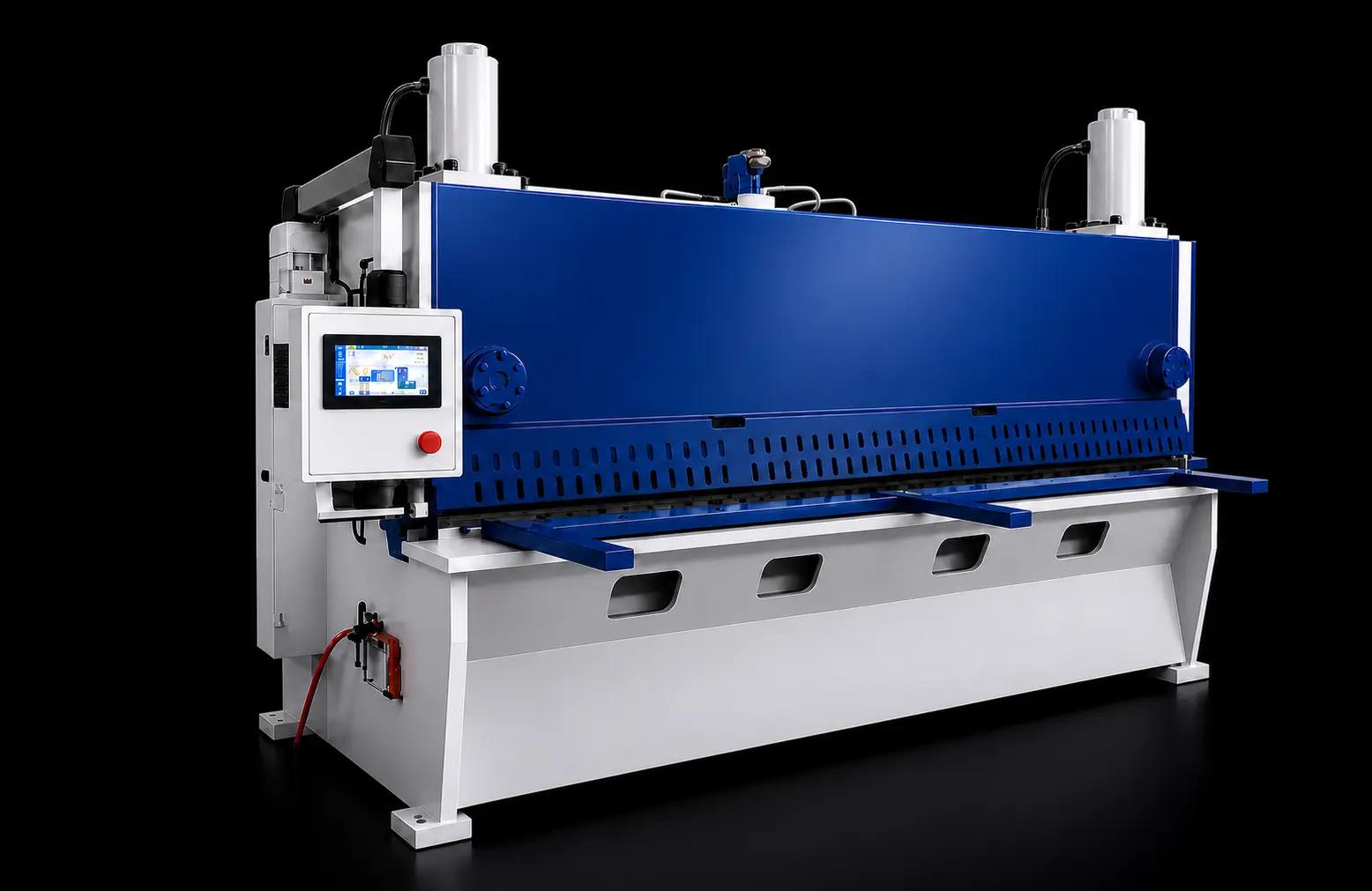
Provides clean, rapid cuts of raw sheet metals prior to forming, requiring high-impact resistant floor zones to handle heavy raw material handling.
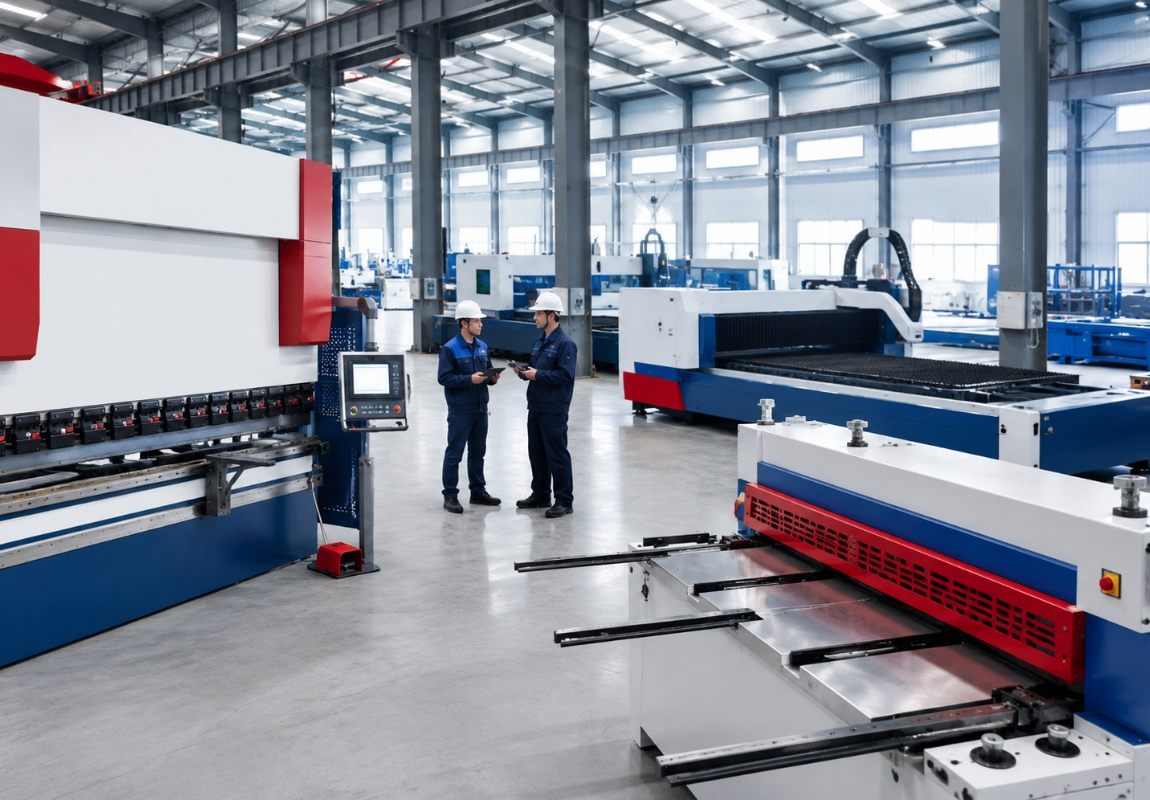
A complete production line combining shearing, cutting, and bending, optimized for ESD flooring to protect sensitive electronic components.
The global transition toward renewable energy has catalyzed an unprecedented surge in the demand for Battery Energy Storage Systems (BESS). These complex systems require robust, secure, and weatherproof protective structures known as energy storage enclosures. Manufacturing these enclosures is a highly specialized process, calling for heavy-duty metal fabrication machinery, CNC press brakes, high-power fiber lasers, and advanced automated welding systems. However, the unsung hero of any high-precision manufacturing facility is the ground beneath the machines: the industrial flooring.
Industrial flooring contractors specializing in new energy storage enclosure manufacturing plants face unique challenges. The floors in these facilities must support massive dynamic and static loads, mitigate micro-vibrations that can disrupt laser cutting and CNC calibration, prevent Electrostatic Discharge (ESD) that could damage integrated Battery Management Systems (BMS), and resist aggressive chemicals. As the demand for larger and more efficient battery storage systems grows, the engineering requirements for manufacturing facility floors have become exceptionally stringent.
Modern energy storage enclosures must protect lithium-ion batteries from external environmental threats while managing internal thermal runaway risks. The manufacturing of these heavy steel or aluminum enclosures requires high-precision sheet metal bending and cutting. If the factory floor suffers from minor settlements, cracks, or dynamic deflection, the calibration of CNC press brakes and fiber lasers can drift, resulting in out-of-tolerance components that compromise the weather tightness of the final enclosure.
Today, the energy storage sector is transitioning from small-scale pilot projects to gigawatt-scale utility deployments. This shift has forced enclosure manufacturers to scale their production capacities rapidly. In a typical manufacturing plant, raw sheet metals are sheared, laser-cut, bent, welded, painted, and assembled. Each of these steps places distinct demands on the facility's floor. For instance, the loading bays and raw material storage areas experience continuous heavy forklift traffic and must withstand high point loads without spalling or cracking. Meanwhile, the laser cutting and CNC bending zones require absolute flatness and vibration isolation to maintain tolerances of less than 0.1 mm.
Furthermore, because energy storage enclosures are increasingly pre-integrated with battery modules, thermal management systems, and electronic control units directly at the factory, the final assembly lines resemble cleanrooms. Industrial flooring contractors must design and install seamless, non-porous epoxy or polyurethane resin floors that prevent dust accumulation, ease maintenance, and provide a sterile environment for sensitive electronics integration.
High-precision manufacturing equipment, such as CHNVIKEN CNC Press Brakes and Fiber Laser Cutters, relies on precise optical and mechanical alignments. When an industrial floor is uneven or prone to vibration transmission, it directly impacts the quality of the fabrication. Floor contractors address this by installing "Superflat" floors (conforming to high F-number specifications) in machinery zones. These floors minimize the slope and waviness of the concrete slab, ensuring that automated guided vehicles (AGVs) can navigate smoothly and that heavy machinery remains perfectly level.
Vibration control is another critical area. When a hydraulic press or heavy shearing machine operates, it sends shockwaves through the concrete slab. If these vibrations reach an adjacent fiber laser cutter, they can cause micro-deflections in the laser beam, leading to jagged cuts or wasted materials. Specialized flooring contractors resolve this by creating isolated foundation pads for heavy machinery, separated by expansion joints filled with vibration-dampening elastomeric sealants.

One of the most critical phases in manufacturing modern energy storage enclosures is the installation of the electrical infrastructure. This includes placing battery racks, connecting high-voltage wiring, and installing sensitive Battery Management Systems (BMS). A single static electricity spark can destroy microprocessors or degrade battery cells, leading to latent defects that might only manifest after the system is deployed in the field.
To mitigate this risk, industrial flooring contractors install ESD-control flooring systems. These floors contain conductive elements (such as carbon fibers or conductive grids embedded in the resin) that safely channel static charge away from personnel and equipment down to a grounded connection. There are two primary types of ESD flooring utilized in these facilities:
Industrial flooring contractors must conduct rigorous testing using specialized megohmmeter kits to ensure that the installed floor meets ANSI/ESD S20.20 standards. Without these certified flooring systems, BESS enclosure manufacturers risk high failure rates during the final quality assurance testing phase.
Energy storage enclosures are designed to withstand harsh outdoor environments, meaning the materials used to build them are inherently heavy and tough. In the fabrication shop, heavy metal plates are continuously moved, positioned, and processed. The floor must resist impact damage from dropped tools, heavy steel plates, and metal scraps. Traditional concrete floors will quickly crack and spall under such conditions, creating safety hazards and generating dust that can contaminate laser optics.
To counter this, contractors apply heavy-duty polyurethane concrete or epoxy mortar screeds. These overlays provide compressive strengths exceeding 80 MPa, far greater than standard concrete. Additionally, they offer exceptional chemical resistance. During the assembly and testing of energy storage systems, there is always a minor risk of electrolyte leakage, coolant spills, or contact with industrial solvents used for cleaning metal parts. A chemically resistant polyurethane floor ensures that these spills do not penetrate the concrete substrate, preventing environmental contamination and structural degradation.
Polyurethane screeds can withstand extreme temperature fluctuations (thermal shock) during hot-water washdowns or high-temperature curing ovens used in the enclosure coating process. They also resist aggressive chemicals, ensuring long-term floor integrity in battery-handling zones.
As the BESS industry moves toward higher automation, the integration of Automated Guided Vehicles (AGVs) and Autonomous Mobile Robots (AMRs) is becoming standard. These robots require specific floor characteristics to operate efficiently. The floor must have consistent surface friction to prevent wheel slippage and precise flatness to avoid navigation errors or sensor misalignments. Industrial flooring contractors are now utilizing laser-guided screeds and advanced 3D scanning technologies to deliver floors with unprecedented precision.
Furthermore, green building certifications (such as LEED) are increasingly demanded by global energy companies. Flooring contractors are responding by utilizing low-VOC, bio-based resin systems and recycling concrete substrates during renovations. This alignment with sustainability goals ensures that the manufacturing facilities producing clean energy solutions are themselves built using environmentally responsible practices.
Explore how our precision machinery integrates seamlessly with advanced facility layouts to deliver high-performance energy storage enclosures.
From press brakes and shearing machines to fiber laser cutters, plate rolling machines and hydraulic presses, VIKEN designs equipment around your material, thickness, working length, accuracy and production volume. Our engineers recommend the right machine configuration, controller, tooling and automation options to help you achieve stable quality, higher efficiency and lower operating costs.
Optimize your factory workflow by connecting fabrication machinery with smart material handling and automated storage systems. This requires high-flatness industrial flooring to ensure seamless AGV and robotic operations across the production floor.
We provide comprehensive lifecycle support, including machine calibration, foundation planning assistance, and routine maintenance to ensure your high-precision fabrication lines run without interruption.
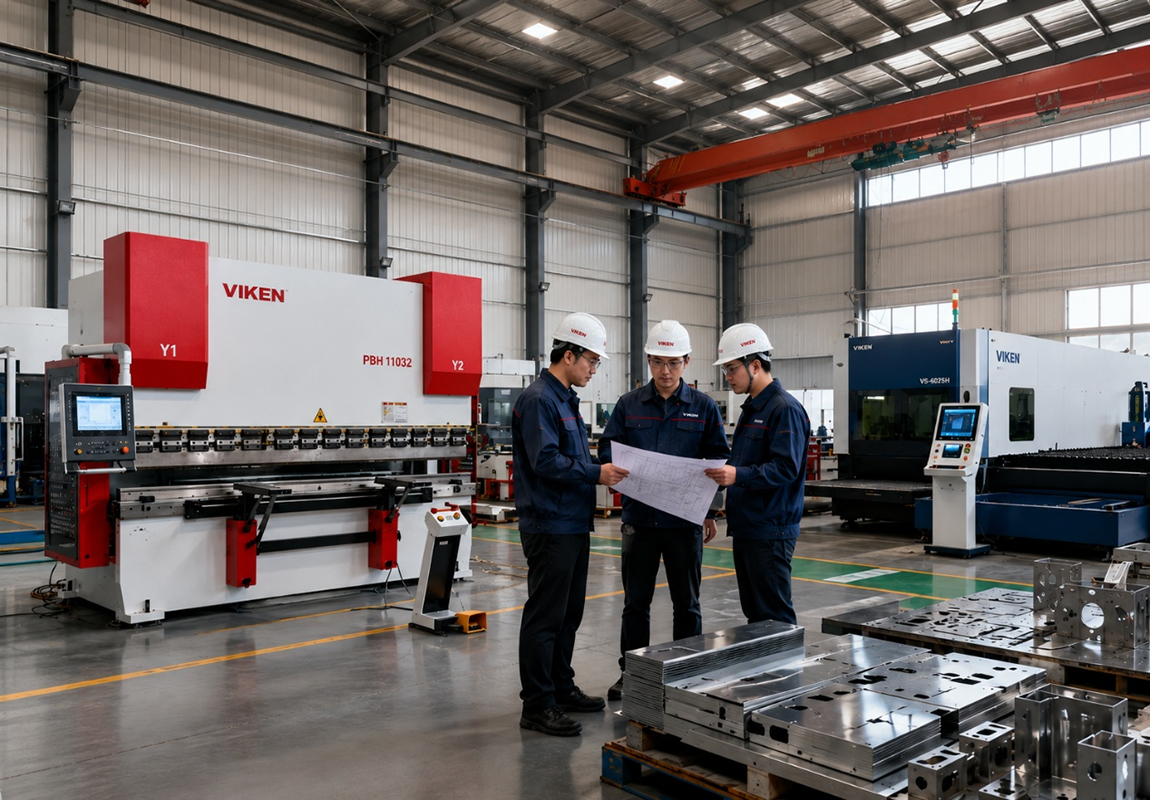
Discover our full suite of machinery and integrated systems designed to operate on heavy-duty, high-precision industrial floors.
Engineered for bending thick-gauge structural frames of large-scale outdoor energy storage enclosures.
Delivers high-precision cuts for thin-sheet battery racks and control cabinet panels.
Provides fast, linear cuts of large sheets with minimal edge deformation, optimizing material preparation.
Integrated assembly stations optimized for dust-free, ESD-protected floor environments.
Advanced welding and forming cell designed to fabricate sturdy internal structural racks.
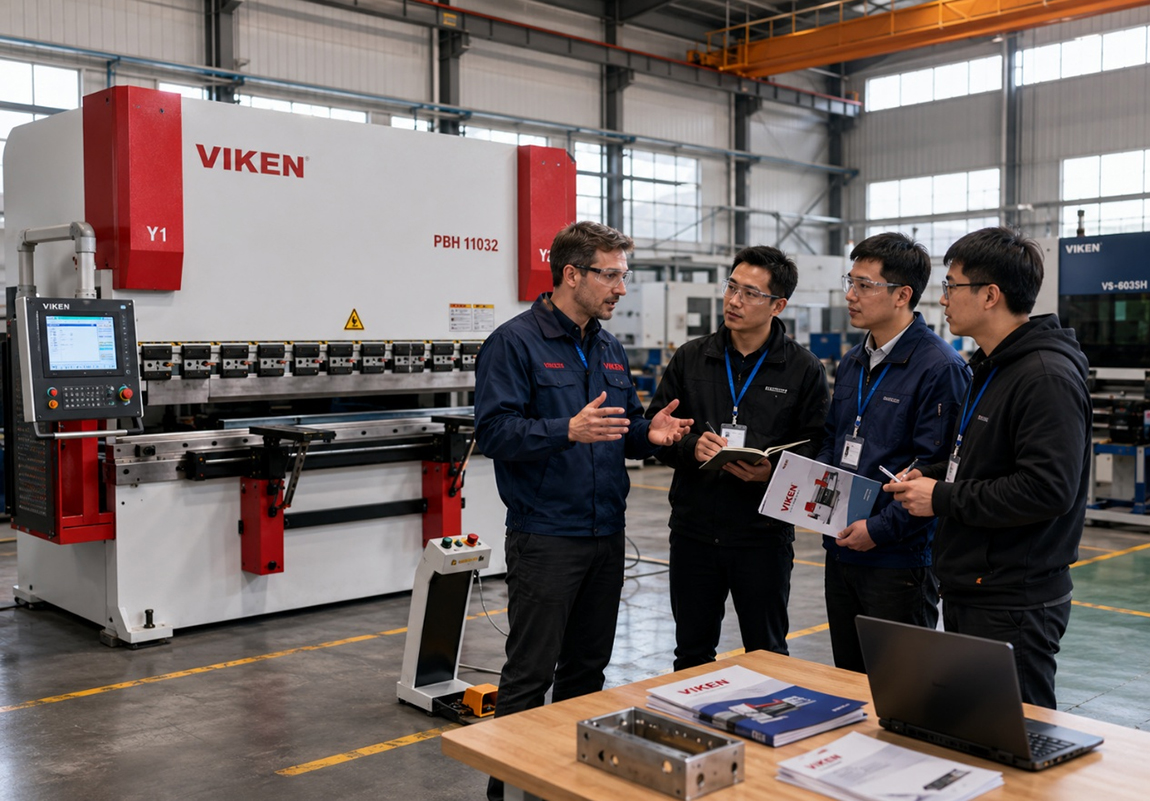
Final inspection and testing bay requiring chemical-resistant and high-load-bearing floors.
Unattended robotic bending system requiring absolute levelness to ensure consistent pick-and-place accuracy.
Connected laser cutting station integrated with automated loading towers for continuous operation.
Building a facility for high-precision energy storage enclosure manufacturing is a major capital investment. Choosing an experienced industrial flooring contractor is paramount to protecting this investment. A qualified contractor does not merely pour concrete and apply a topcoat; they conduct a comprehensive engineering analysis of the facility's requirements. This includes analyzing the dynamic loads of the heavy CNC machinery, calculating the required soil bearing capacity, designing joints to prevent cracking, and selecting resin formulations that withstand localized mechanical stresses.
Key factors to evaluate when selecting a flooring contractor include:
By investing in a high-performance floor system installed by a specialized contractor, energy storage enclosure manufacturers can prevent costly downtime, protect sensitive machinery, and ensure a safe, efficient, and future-proof production environment.