
 +86 13819274352
Leave Your Message
-
Contact WhatsApp
-
 Contact Phone
-
 Contact Email
Deploying robust CNC shearing and cutting technologies designed to operate seamlessly on engineered industrial screed floors.
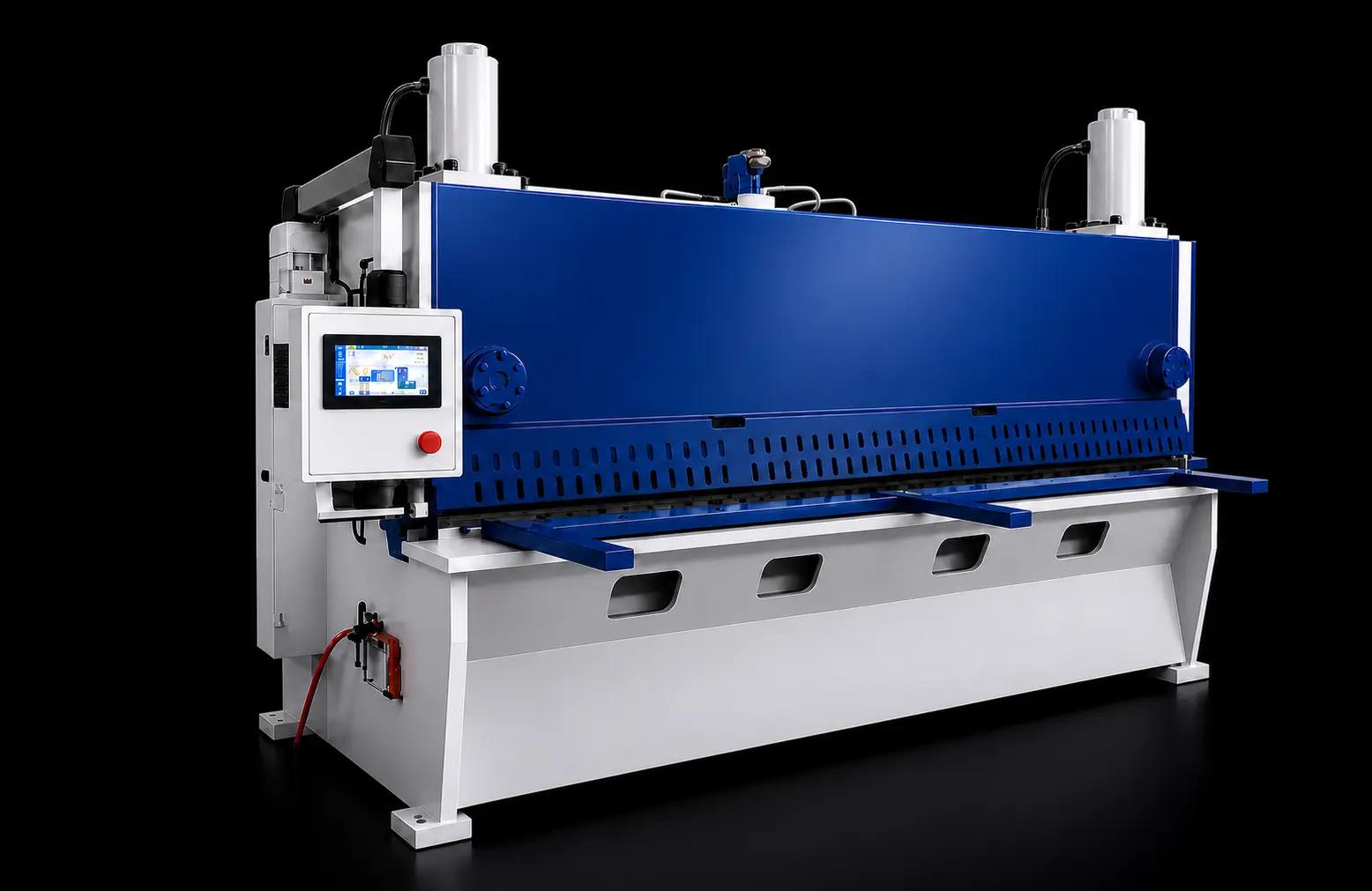
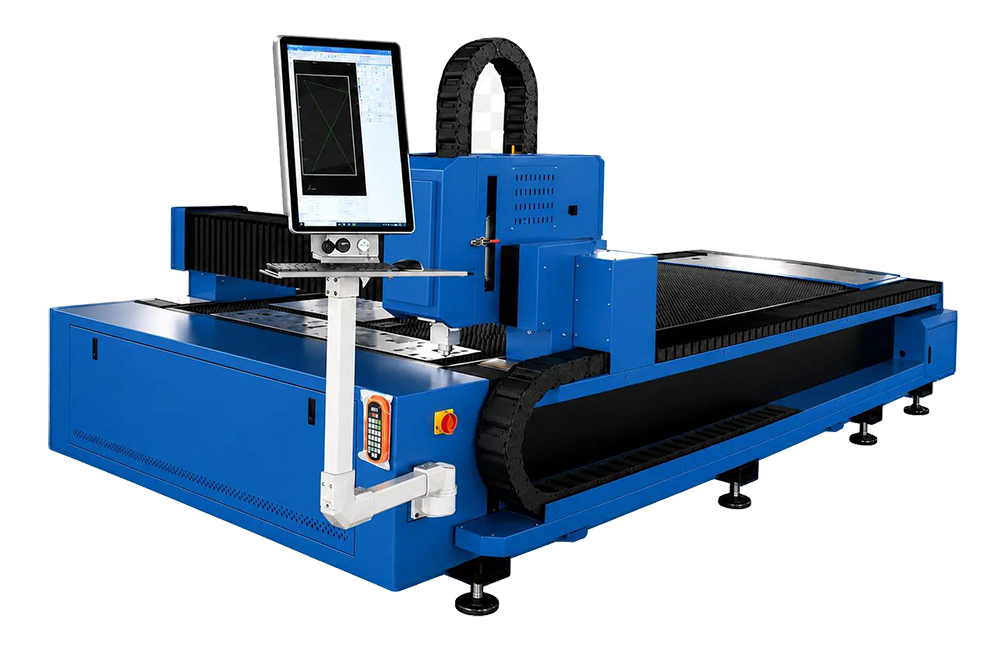
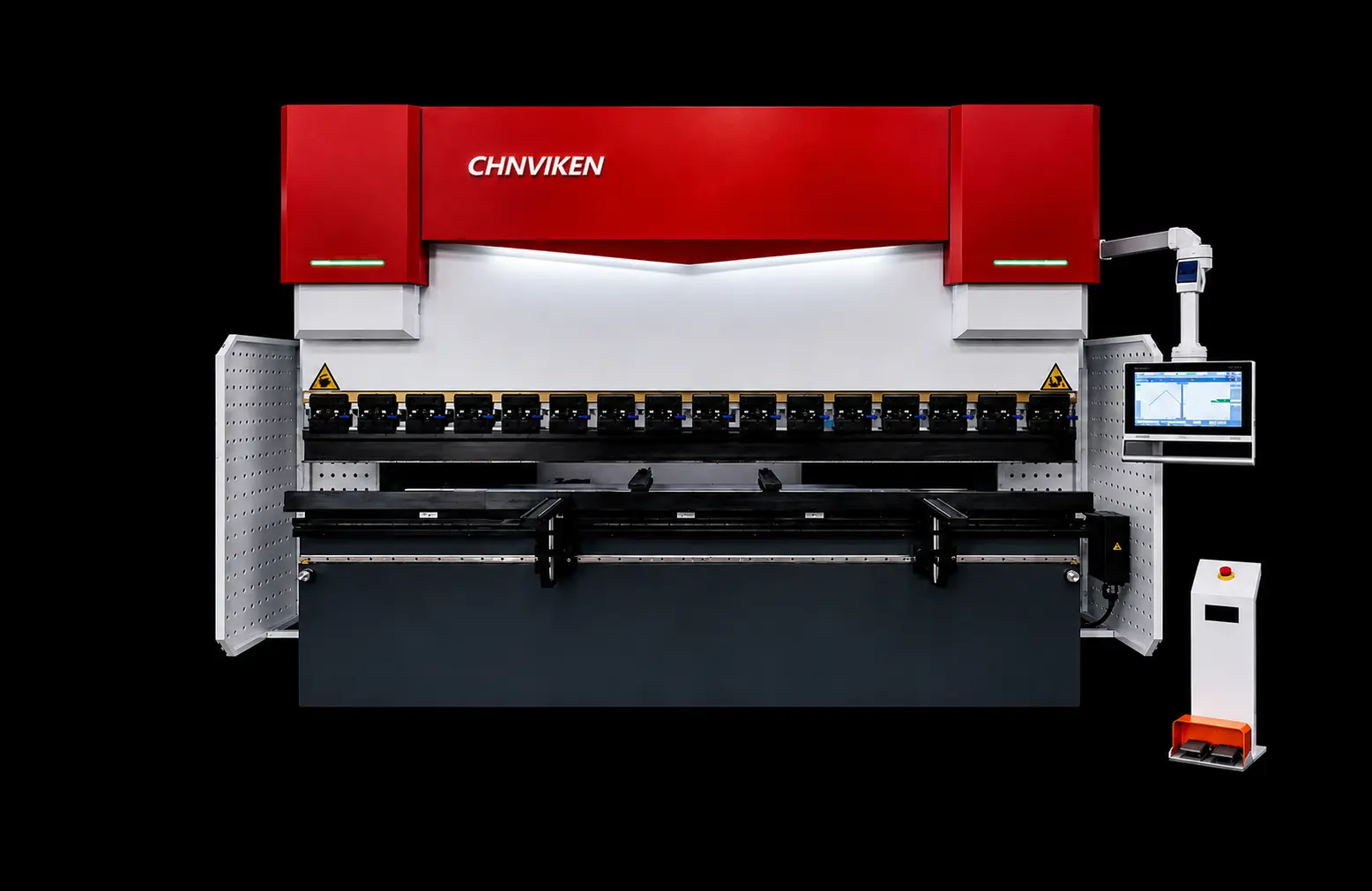
CHNVIKEN is a professional manufacturer specializing in the research, development, production, and export of sheet metal processing equipment. With more than 10 years of industry experience, we have grown from a local machinery supplier into a globally recognized brand serving customers in over 100 countries and regions.
Our product portfolio includes CNC Press Brakes, Hydraulic Shearing Machines, Fiber Laser Cutting Machines, Hydraulic Presses, Punching Machines, Ironworkers, Roll Bending Machines, and complete Duct Production Lines. We are committed to providing efficient, intelligent, and cost-effective solutions for sheet metal fabrication industries worldwide.
The shipbuilding industry relies heavily on the processing of massive structural steel plates. These plates, often measuring several inches in thickness and weighing multiple tons, form the hull, bulkheads, and structural framing of modern marine vessels. Transforming these raw steel plates into precise components requires high-performance machinery, such as heavy-duty hydraulic shearing machines, CNC press brakes, and high-speed fiber laser cutters. However, the physical reality of operating such heavy machinery is often overlooked: the immense dynamic loads, vibrations, and thermal stresses transmitted directly to the shipyard fabrication shop floor. This is where the engineering of movement joints in screed floors becomes absolutely critical.
Shipbuilding fabrication halls are characterized by extreme structural demands. Unlike standard manufacturing facilities, a shipyard's plate preparation area experiences a combination of static loads (from stored steel plates), dynamic loads (from moving gantry cranes and heavy forklifts), and intense vibration profiles generated by heavy-duty shearing and cutting processes.
When a hydraulic shearing machine cuts a 20mm thick structural steel plate, the sudden release of energy creates a massive shockwave. This shockwave travels down through the machine frame into the concrete foundation and the surrounding screed floor. Without properly designed and positioned movement joints, these continuous shockwaves lead to micro-cracking, delamination, and eventual structural failure of the floor screed.
Screed floors in heavy industrial settings act as the load-distribution layer. If a screed floor lacks movement joints, thermal expansion from laser cutters and physical vibration from shearing machines will cause uncontrolled cracking, jeopardizing the leveling and calibration of high-precision CNC machinery.
To maintain floor integrity and safeguard machinery precision, engineers must implement a comprehensive joint layout strategy. There are three primary types of movement joints used in these specialized environments:
Modern fiber laser cutting machines operate at extreme speeds and temperatures. While the laser beam itself is focused on the steel plate, the heat generated by continuous cutting, combined with the heat dissipation from the machine's slag collection systems, creates localized thermal zones on the floor beneath.
Concrete and screed materials expand when heated and contract when cooled. If a fiber laser cutting machine is installed on a continuous screed slab without thermal expansion joints, the thermal gradient will induce curling and warping of the slab. Even a sub-millimeter shift in the level of a laser cutter's bed can result in cutting inaccuracies, compromised edge quality, and increased scrap rates for critical shipbuilding components.
Globally, shipyards are undergoing a massive wave of modernization, transitioning toward Industry 4.0 automation. The integration of automated loading systems, robotic sorting, and high-speed cutting lines requires an unprecedented level of floor flatness and stability.
Commercially, floor failures represent a significant source of downtime. If a screed floor cracks and begins to crumble around a shearing machine, the machine must be decommissioned for repairs, halting the entire plate preparation workflow. The cost of repairing a failed industrial floor in an active shipyard far exceeds the initial investment in premium movement joint systems and high-quality concrete screeds.
Heavy-duty bending of marine-grade steel plates requires press brakes with capacities ranging from 400 tons to over 2000 tons. The vertical forces exerted during the bending cycle are immense.
To support this, the press brake is typically mounted on a deep, reinforced concrete pit foundation. The surrounding floor screed must interface with this pit via a heavy-duty isolation joint. This joint is typically filled with a high-durometer elastomeric sealant and backed by a compressible foam filler. This configuration allows the press brake foundation to deflect slightly under maximum load without cracking the adjacent floor where operators and material handlers are positioned.
As we look to the future, several technological trends are shaping the design of industrial floors and metal processing machinery:
At CHNVIKEN, we understand that high-performance sheet metal processing machinery is only as good as the environment in which it is installed. Our engineering team provides detailed foundation drawings and floor loading specifications for every CNC Press Brake, Hydraulic Shearing Machine, and Fiber Laser Cutter we deliver. By coordinating closely with shipyard civil engineers regarding the placement of screed floor movement joints, we ensure that our machines achieve their maximum design life, delivering consistent, high-precision cuts and bends for structural steel plates.
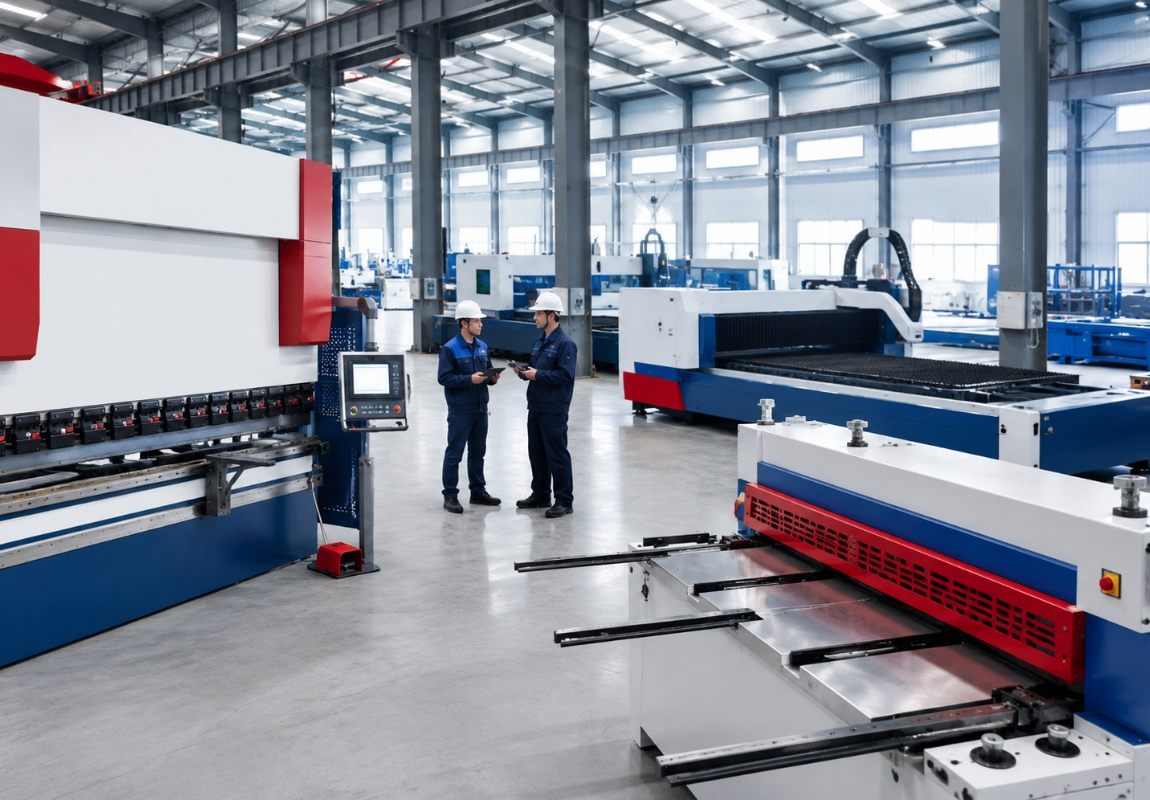
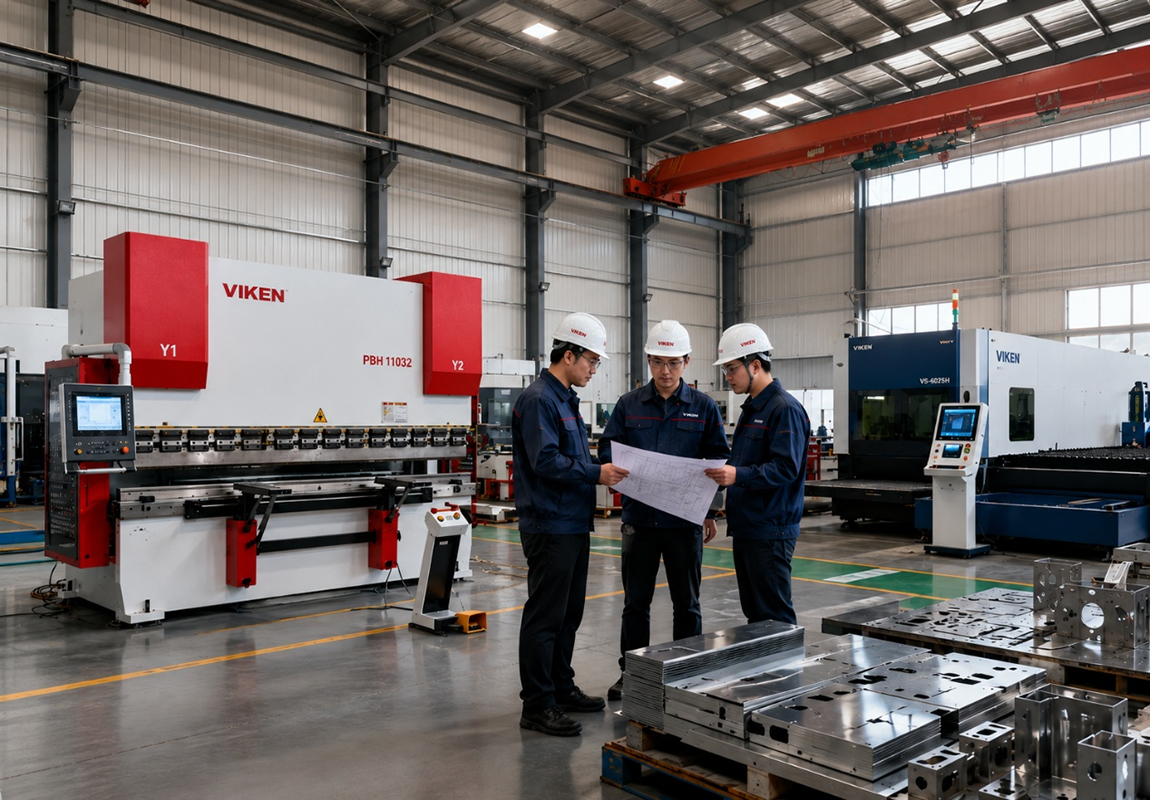
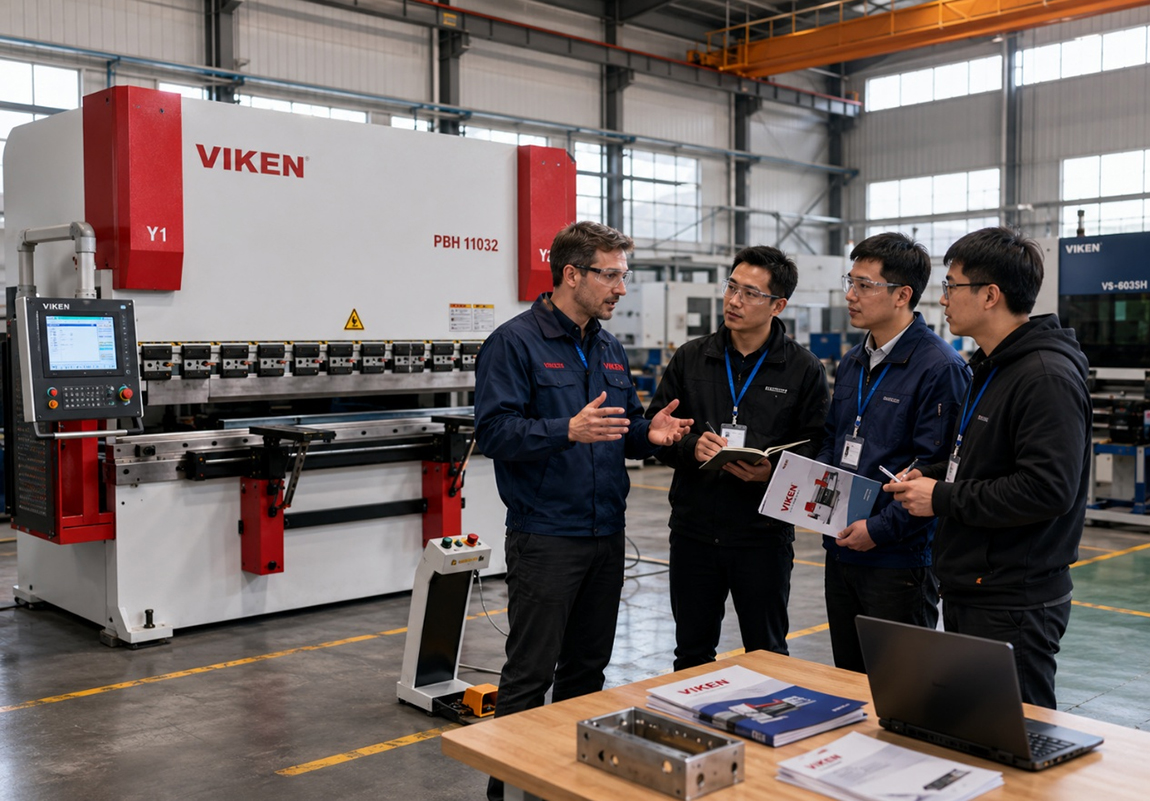
From press brakes and shearing machines to fiber laser cutters, plate rolling machines and hydraulic presses, VIKEN designs equipment around your material, thickness, working length, accuracy and production volume. Our engineers recommend the right machine configuration, controller, tooling and automation options to help you achieve stable quality, higher efficiency and lower operating costs.
Our heavy-duty setups are engineered to minimize vibration transmission, facilitating optimal floor screed joint longevity and ensuring the continuous accuracy of your manufacturing line.
Explore our full suite of machinery engineered to withstand the rigorous demands of heavy shipbuilding fabrication environments.
