
 +86 13819274352
Leave Your Message
-
Contact WhatsApp
-
 Contact Phone
-
 Contact Email
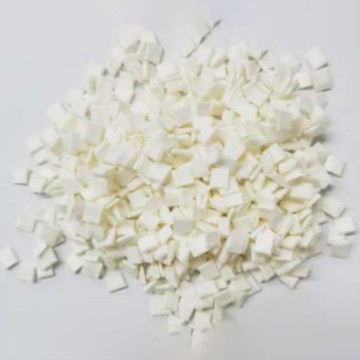
High-performance structural reinforcing cellulose designed for composite elevator panel cores.

Precision CNC press brake optimized for bending composite elevator door sheets without delamination.

High-speed fiber laser cutting system engineered for clean edges on composite-coated metals.

Heavy-duty shearing machine designed for clean, burr-free cuts on advanced composite plates.
The global elevator and escalator manufacturing industry is undergoing a monumental shift toward sustainability, energy efficiency, and structural lightweighting. At the center of this transformation is the integration of advanced biomaterials like Nano Crystalline Cellulose (NCC). NCC, extracted from abundant wood pulp and agricultural biomass, represents the pinnacle of green nanotechnology. Possessing a crystalline structure that yields a tensile strength comparable to Kevlar and steel, yet at a fraction of the weight, NCC is redefining the mechanical properties of modern architectural panels.
In the context of elevator doors and frames, weight reduction translates directly to lower energy consumption, smaller traction motors, and reduced structural loads on high-rise buildings. When integrated into polymer matrices or metallic sandwich panels, NCC creates ultra-lightweight, high-strength composites. However, processing these advanced composite materials requires specialized, ultra-precise metalworking machinery. Traditional bending and cutting methods often lead to micro-fractures, delamination, or edge deformation. This is where high-precision sheet metal fabrication equipment becomes indispensable.
Ultra-High Tensile Strength: Offers structural reinforcement matching traditional carbon fibers.
Superior Acoustic Damping: Minimizes cabin noise and vibration during high-speed vertical travel.
Eco-Friendly & Sustainable: 100% biodegradable and derived from renewable biological resources.
Thermal Stability: Enhances the fire-retardant properties of elevator shaft doors.
CHNVIKEN is a professional manufacturer specializing in the research, development, production, and export of sheet metal processing equipment. With more than 10 years of industry experience, we have grown from a local machinery supplier into a globally recognized brand serving customers in over 100 countries and regions.
Our product portfolio includes CNC Press Brakes, Hydraulic Shearing Machines, Fiber Laser Cutting Machines, Hydraulic Presses, Punching Machines, Ironworkers, Roll Bending Machines, and complete Duct Production Lines. We are committed to providing efficient, intelligent, and cost-effective solutions for sheet metal fabrication industries worldwide.
Learn More
The application of Nano Crystalline Cellulose in elevator door and frame manufacturing is not limited to a single structural component. Instead, it spans a wide range of critical engineering layers. Understanding these deep application scenarios reveals why precision bending equipment is vital for the modern elevator production line.
Modern architectural trends demand larger elevator cabins with higher load capacities, yet building structural designs require minimizing the dead weight of the elevator shaft. To resolve this paradox, manufacturers are turning to sandwich panels. These panels consist of thin outer sheets of stainless steel or aluminum bonded to a core composed of NCC-reinforced polymer foams or honeycombs. The addition of NCC increases the shear strength and stiffness of the core material, allowing for thinner metal skins. When bending these multi-layered sandwich panels, the press brake must apply uniform pressure to prevent core crushing or delamination at the bend radius. CHNVIKEN's CNC press brakes utilize advanced crowning systems and precise pressure control to handle these delicate composite materials.
High-speed elevators operating at speeds exceeding 10 m/s experience intense aerodynamic forces and vibrations. These vibrations can cause the large, thin sheet metal panels of elevator doors to act as acoustic membranes, transmitting noise into the cabin. NCC particles dispersed within the panel coatings or adhesive layers act as nano-scale energy dissipators, absorbing micro-vibrations and converting them into heat. The resulting acoustic damping ensures a whisper-quiet ride for passengers. Processing these coated sheets requires bending dies that do not damage or scratch the functional coatings, requiring the use of specialized tooling and non-marking bending procedures.
One of the most innovative applications of Nano Crystalline Cellulose is its use as a dry lubricant during the metal forming process. Traditional petroleum-based lubricants used in press brakes are difficult to clean and pose environmental hazards. NCC-based aqueous suspensions can be sprayed onto the metal sheet prior to bending. Upon drying, they form a crystalline nano-barrier that reduces friction between the sheet and the die. This prevents surface scratching on high-end mirror-finish stainless steel elevator doors, while simultaneously reducing tool wear. Post-bending, the NCC layer can be easily washed off with water, leaving a pristine surface and conforming to green manufacturing standards.
From press brakes and shearing machines to fiber laser cutters, plate rolling machines and hydraulic presses, VIKEN designs equipment around your material, thickness, working length, accuracy and production volume. Our engineers recommend the right machine configuration, controller, tooling and automation options to help you achieve stable quality, higher efficiency and lower operating costs.

Complete automated production cells designed for processing advanced composite materials and high-strength alloys used in modern elevator door frames.
Transition from standalone machines to fully integrated IoT-enabled production lines, allowing real-time tracking of bending tolerances and material behavior.
Our global service network ensures your precision bending machinery operates at peak efficiency, with remote diagnostics and rapid spare parts delivery.
Bending elevator door panels and frames is a process demanding extremely tight tolerances. A deviation of even a fraction of a millimeter can prevent the door from sealing properly, leading to air leaks, whistling noises, or mechanical failures. When introducing Nano Crystalline Cellulose composites into the mix, the complexity increases.
Every metal sheet exhibits some degree of springback—the tendency of the material to return to its original flat shape after the bending force is released. NCC-reinforced panels, due to their unique combination of elastic polymers and rigid nano-cellulose fibers, display highly variable springback characteristics. Standard press brakes with fixed bending parameters cannot consistently achieve the correct angle on these materials. CHNVIKEN's CNC Press Brakes solve this issue through real-time angle measurement systems. By utilizing laser or mechanical sensors to measure the bend angle during the cycle, the machine dynamically adjusts the stroke depth to compensate for springback, ensuring perfect 90-degree bends every time.
Elevator doors are long, narrow panels, often exceeding 2.5 meters in height. When bending such long sheets, the deflection of the press brake's upper and lower beams can cause the bend angle to vary along the length of the panel—typically resulting in a wider angle in the center compared to the ends (the "canoe effect"). To eliminate this, CHNVIKEN machines incorporate hydraulic or motorized dynamic crowning systems. These systems detect the load during the bend and apply an equal and opposite force to the lower bed, keeping the bed and ram perfectly parallel. This guarantees uniform bending angles across the entire length of the elevator door, ensuring seamless assembly and operation.
The aesthetic appearance of elevator doors is critical, especially in luxury commercial developments. Scratches, die marks, or micro-cracks on the outer surface are unacceptable. Traditional steel dies can gall the metal, particularly when bending composite materials under high pressure. To address this, CHNVIKEN offers specialized bending tools with polyurethane inserts or rotatable dies. Combined with NCC-based protective coatings, these tools ensure that the bending process is completely non-marking, preserving the pristine visual quality of the elevator panels and eliminating the need for costly post-bend polishing.
The global market for green building materials is projected to grow exponentially over the next decade. Driven by strict carbon reduction regulations and the push for LEED (Leadership in Energy and Environmental Design) certifications, architects and builders are prioritizing materials with low embodied carbon. Nano Crystalline Cellulose fits this requirement perfectly, as it is derived from renewable forests and acts as a carbon sink.
In the elevator industry, leading manufacturers are investing heavily in research and development to incorporate bio-nanomaterials into their product lines. The transition from heavy, purely metallic components to lightweight, NCC-reinforced composites is no longer a futuristic concept—it is actively occurring. Consequently, manufacturing facilities must upgrade their fabrication capabilities. Investing in intelligent CNC press brakes and fiber laser cutters is a strategic necessity for companies aiming to remain competitive in this evolving landscape. CHNVIKEN is proud to be at the forefront of this industrial evolution, providing the technological infrastructure required to shape the sustainable cities of tomorrow.
High-tensile cellulose fiber engineered for reinforcement in composite panel cores.
Advanced press brake featuring dynamic crowning for precise elevator door frame profiles.
Ultra-precise fiber laser system optimized for cutting intricate elevator panel patterns.
High-efficiency shearing machine designed for rapid cutting of composite metal plates.
A fully automated system integrating cutting, bending, and handling for maximum output.

Robotic bending cell engineered for high-tonnage forming of structural elevator components.

Specialized dies and punches designed to protect sensitive composite coatings during forming.
Tailored machine configurations with extended throat depths for deep-drawn elevator profiles.