
 +86 13819274352
Leave Your Message
-
Contact WhatsApp
-
 Contact Phone
-
 Contact Email
Explore the core systems and advanced chemical agents optimized for structural steel plate shearing, cutting, and shaping.
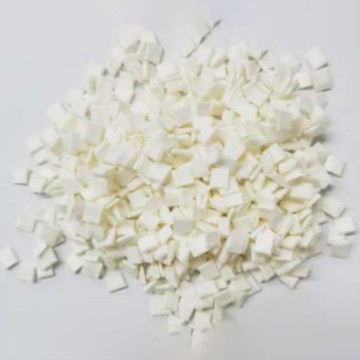
High-strength cellulose fibers designed to reinforce concrete structures and prevent micro-cracking.
Learn More →
Precision bending machinery designed to handle heavy-duty structural steel plates with automated control.
Learn More →
Advanced fiber laser system engineered for clean, rapid cuts on shipbuilding structural steel plates.
Learn More →
Heavy-duty shearing machinery built for cutting thick marine-grade structural steel plates with minimal deformation.
Learn More →CHNVIKEN is a professional manufacturer specializing in the research, development, production, and export of sheet metal processing equipment. With more than 10 years of industry experience, we have grown from a local machinery supplier into a globally recognized brand serving customers in over 100 countries and regions.
Our product portfolio includes CNC Press Brakes, Hydraulic Shearing Machines, Fiber Laser Cutting Machines, Hydraulic Presses, Punching Machines, Ironworkers, Roll Bending Machines, and complete Duct Production Lines. We are committed to providing efficient, intelligent, and cost-effective solutions for sheet metal fabrication industries worldwide.

Empowering heavy industries, marine engineering, and structural steel processing plants across the globe with robust machinery.
Nano Crystalline Cellulose (NCC), also known as cellulose nanocrystals (CNC), is rapidly emerging as a revolutionary material in heavy industrial applications, particularly in the structural steel processing sector. Extracted from natural, renewable biomass sources such as wood pulp, cotton, and agricultural residues through controlled acid hydrolysis, NCC consists of highly ordered, rigid, rod-like crystalline domains. These nanoparticles exhibit exceptional physical and chemical properties, including an incredibly high young’s modulus (approx. 110–150 GPa), a high aspect ratio, a massive specific surface area, and a abundance of surface hydroxyl groups that allow for versatile chemical modifications.
While historically popularized in biomedical, packaging, and composite reinforcement fields, recent technological breakthroughs have pivoted NCC toward the heavy metalworking, shipbuilding, and structural steel fabrication sectors. In these demanding environments, NCC serves as a key additive in advanced lubricants, cutting fluids, anti-corrosive pre-treatments, and structural coatings. By leveraging its unique shear-thinning (pseudoplastic) rheological behavior and high thermal stability, engineers are utilizing NCC to overcome the physical limits of traditional petroleum-based lubricants during intensive shearing, laser cutting, and bending operations on thick structural steel plates.
Key Insight: The application of Nano Crystalline Cellulose in shipbuilding structural steel plate processing bridges the gap between biological nano-science and heavy industrial manufacturing, introducing a sustainable, high-performance alternative to traditional synthetic additives.
Shipbuilding demands materials that can withstand extreme marine environments, dynamic wave loads, low-temperature impacts, and aggressive corrosive forces. Consequently, shipyards utilize specialized structural steel plates, such as high-strength low-alloy (HSLA) steels (e.g., AH32, DH36, EH36, and FH40). These steel grades are engineered for superior yield strength, weldability, and fracture toughness. However, the very properties that make these steels ideal for marine vessels present significant challenges during the initial stages of fabrication—specifically during shearing and cutting.
Shearing is a mechanical cutting process where high-tonnage hydraulic shearing machines apply extreme shear stress to fracture the steel plate along a straight line. When processing shipbuilding structural steel plates, which often range from 10mm to over 50mm in thickness, the mechanical resistance is immense. This leads to:
Thermal cutting processes, such as fiber laser cutting and plasma cutting, are used to profile complex shapes and bevels on structural steel plates. The primary challenge here is the formation of a Heat-Affected Zone (HAZ). The intense localized heat alters the metallurgical microstructure of the steel near the cut edge, often increasing hardness and reducing ductility. Furthermore, molten dross or slag can adhere to the bottom of the cut, requiring labor-intensive post-processing grinding operations.
To mitigate tool wear, reduce energy consumption, and improve cut quality, metalworking fluids (MWFs) are continuously applied during shearing and cutting. Traditional MWFs contain sulfurized or chlorinated extreme-pressure (EP) additives. Although effective, these chemicals pose severe environmental and health hazards, and their disposal is heavily regulated. Nano Crystalline Cellulose offers a green, high-performance alternative.
When dispersed in water-based or bio-based carrier fluids, NCC particles function through several distinct tribological mechanisms:
The integration of NCC into the shipbuilding fabrication pipeline manifests in several distinct application scenarios, enhancing both the mechanical and thermal processing of structural steel.
In this scenario, a thin mist or coating of NCC-enhanced lubricant is applied directly to the shear blade and the target steel plate before the cycle begins. As the blade descends, the extreme pressure activates the NCC tribofilm. The lubrication reduces the peak force required to initiate the fracture, resulting in a cleaner, flatter sheared edge with minimal burrs. The reduction in friction directly translates to a lower operating temperature for the shear blades, extending blade life by up to 35% and reducing the electrical energy load on the hydraulic shearing machine.
During high-power fiber laser cutting of shipbuilding plates, a thin, pre-applied layer of an NCC-based surface treatment serves two main purposes. First, it acts as an anti-spatter agent. Molten steel droplets generated by the laser beam cannot adhere to the NCC-treated surface, allowing them to blow away easily and leaving a clean, dross-free edge. Second, the thermal barrier properties of the cellulose nanocrystals help confine the laser's heat to the kerf width, narrowing the Heat-Affected Zone (HAZ) and preserving the original metallurgical properties of the high-strength marine steel.
Once structural steel plates are sheared and cut, they are often stored in shipyard yards exposed to humid, salty marine air before assembly and welding. NCC can be formulated into water-borne temporary protective coatings. The high aspect ratio of the nanocrystals creates a tortuous path for moisture and oxygen molecules, acting as an exceptional physical barrier against rust. When the plate is ready for welding, these bio-based coatings can be easily washed off with mild alkaline water or burned off cleanly during welding without releasing toxic fumes.
Today, the maritime industry is under immense pressure from international regulatory bodies (such as the International Maritime Organization - IMO) to reduce its carbon footprint and eliminate hazardous waste. This environmental mandate extends beyond ship emissions to the shipyards themselves. The transition toward "Green Shipyards" has accelerated the commercial adoption of bio-based materials like Nano Crystalline Cellulose.
Currently, the commercial market for NCC is transitioning from pilot-scale production to high-volume industrial manufacturing. While the material cost of NCC remains higher than raw petroleum oils, the total cost of ownership (TCO) analysis reveals significant economic benefits for shipyards:
Industrial testing conducted in collaboration with leading marine steel fabricators has shown that using NCC-enhanced fluids can improve overall cutting throughput by 15%, primarily due to reduced machine downtime for tool maintenance.
Looking forward, the future of shipbuilding steel processing lies in the integration of Industry 4.0 technologies with advanced materials science. Modern CNC machinery, such as CHNVIKEN's intelligent fiber lasers and press brakes, are increasingly equipped with real-time sensors that monitor cutting temperatures, vibration, and tool wear.
In the near future, we anticipate the development of "smart lubrication systems" where the CNC controller dynamically adjusts the concentration and delivery of NCC-based lubricants based on live sensor feedback. For instance, if the sensor detects a temperature spike or an increase in vibration during the shearing of a 30mm EH36 steel plate, the system will instantly increase the flow of the NCC fluid to the exact point of contact. Furthermore, research is underway to chemically functionalize NCC with smart indicator molecules that change color when the protective coating is compromised, providing visual maintenance alerts to shipyard inspectors.
As a global leader in sheet metal processing equipment, CHNVIKEN is at the forefront of adapting machinery to work seamlessly with modern materials and eco-friendly additives. Our CNC Press Brakes, Hydraulic Shearing Machines, and Fiber Laser Cutting Machines are built to handle the extreme demands of shipbuilding steel fabrication. By designing our machines with high-precision control loops, robust mechanical components, and advanced fluid delivery systems, we ensure that our customers can fully leverage the benefits of advanced lubrication technologies like Nano Crystalline Cellulose. Whether you are upgrading a single shearing machine or designing a fully automated plate processing line, CHNVIKEN provides the technology, reliability, and expertise to drive your operations forward into a sustainable, high-efficiency future.
Tailored machinery and integrated automation configurations for heavy shipbuilding and structural steel processing.



From press brakes and shearing machines to fiber laser cutters, plate rolling machines and hydraulic presses, VIKEN designs equipment around your material, thickness, working length, accuracy and production volume. Our engineers recommend the right machine configuration, controller, tooling and automation options to help you achieve stable quality, higher efficiency and lower operating costs.
Integrate your shearing, cutting, and bending machinery into a unified, smart factory network to optimize throughput, track material consumption, and monitor system health in real-time.
Our global support team ensures your heavy-duty machinery remains operational 24/7, providing rapid parts delivery, remote diagnostics, and on-site technical assistance.
Explore our full range of heavy-duty metal fabrication machinery and specialized material solutions.
Premium cellulose additives for concrete reinforcement and specialized industrial coatings.
Learn More →
Heavy-duty bending systems designed for high-precision forming of thick structural steel plates.
Learn More →
High-speed, high-precision thermal cutting systems optimized for marine-grade steel.
Learn More →
Robust plate shearing systems designed to handle high-strength alloys with clean cut edges.
Learn More →
Integrated shearing systems with automatic loading and unloading for high-volume shipyards.
Learn More →
Multi-axis laser cutting solutions designed for welding preparation on thick plates.
Learn More →
Custom bending setups configured for complex curved profiles used in ship hull construction.
Learn More →
A specialized cutting cell featuring integrated nano-fluid mist systems for clean, green processing.
Learn More →