
 +86 13819274352
Leave Your Message
-
Contact WhatsApp
-
 Contact Phone
-
 Contact Email
The manufacturing and fabrication of HVAC (Heating, Ventilation, and Air Conditioning) ducts and complete ventilation systems represent a high-stakes industrial environment. Today’s ventilation systems require absolute precision, strict hygienic standards, and cleanroom-compatible fabrication processes. Because HVAC ducts distribute air throughout commercial buildings, hospitals, and semiconductor cleanrooms, any contamination introduced during the manufacturing stage can have severe consequences for indoor air quality. Consequently, the flooring in these fabrication facilities must meet exceptional performance standards.
Resin flooring has emerged as the premier choice for HVAC duct manufacturing plants. Standard concrete floors are inherently porous, prone to cracking, and generate high volumes of concrete dust due to heavy machinery traffic and sheet metal manipulation. Conversely, high-performance resin coatings—including epoxy, polyurethane concrete, and methyl methacrylate (MMA)—provide a seamless, impervious barrier that prevents dust generation, resists chemical spills, and handles the massive dynamic loads of CNC press brakes, fiber laser cutters, and heavy-duty shearing machines.
In a sheet metal fabrication environment, dust control is often overlooked, yet it is vital for product quality. When galvanized steel, aluminum, or stainless steel sheets are cut, folded, and assembled, they must remain free from particulate contamination. If concrete dust settles inside the ducts during fabrication, it becomes trapped within the seams and insulation. Once the HVAC system is installed and commissioned, this dust is blown into the building’s air stream, compromising filtration systems and violating clean air standards. Resin flooring completely seals the concrete substrate, eliminating dust generation and facilitating a clean, hygienic production environment.
Withstands heavy sheet metal drops, forklift traffic, and the extreme physical demands of heavy metal fabrication machinery.
Protects sensitive CNC controllers, laser optical components, and automated production machinery from electrostatic discharge.
Resists degradation from cutting fluids, hydraulic oils, lubricants, and harsh cleaning agents used in sheet metal prep.
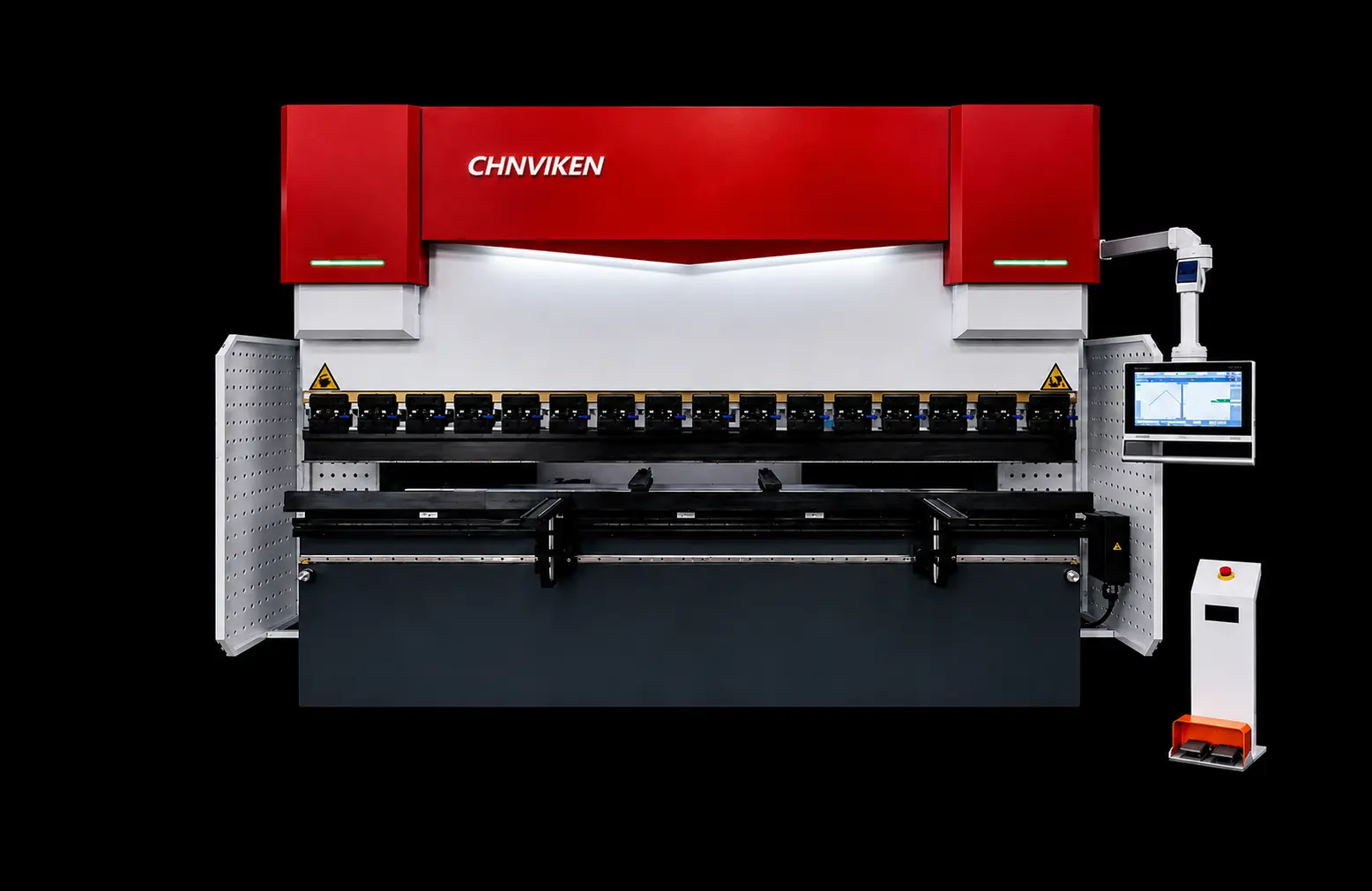
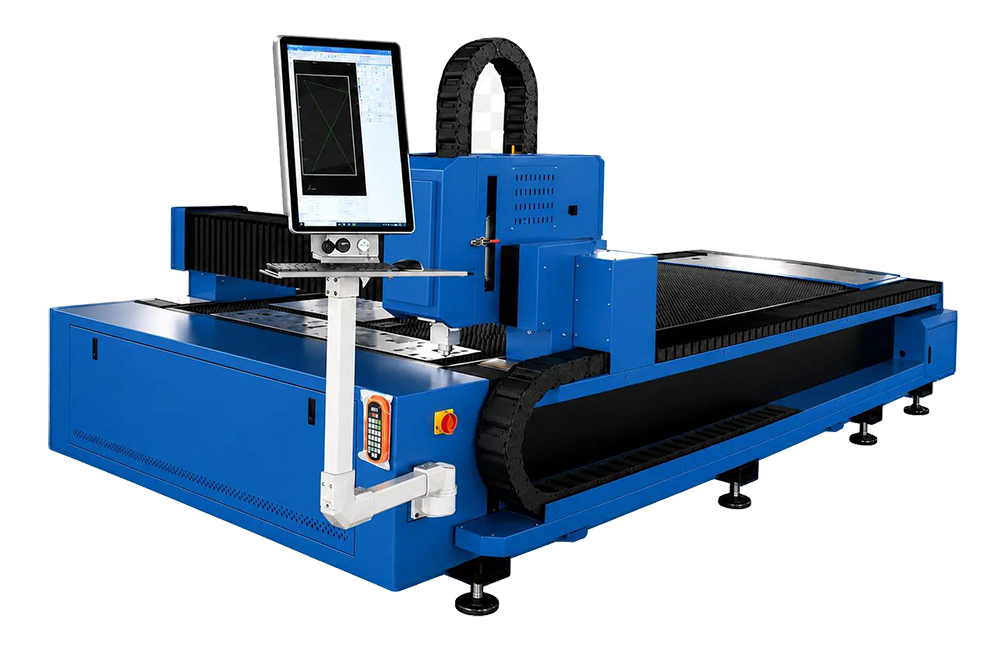
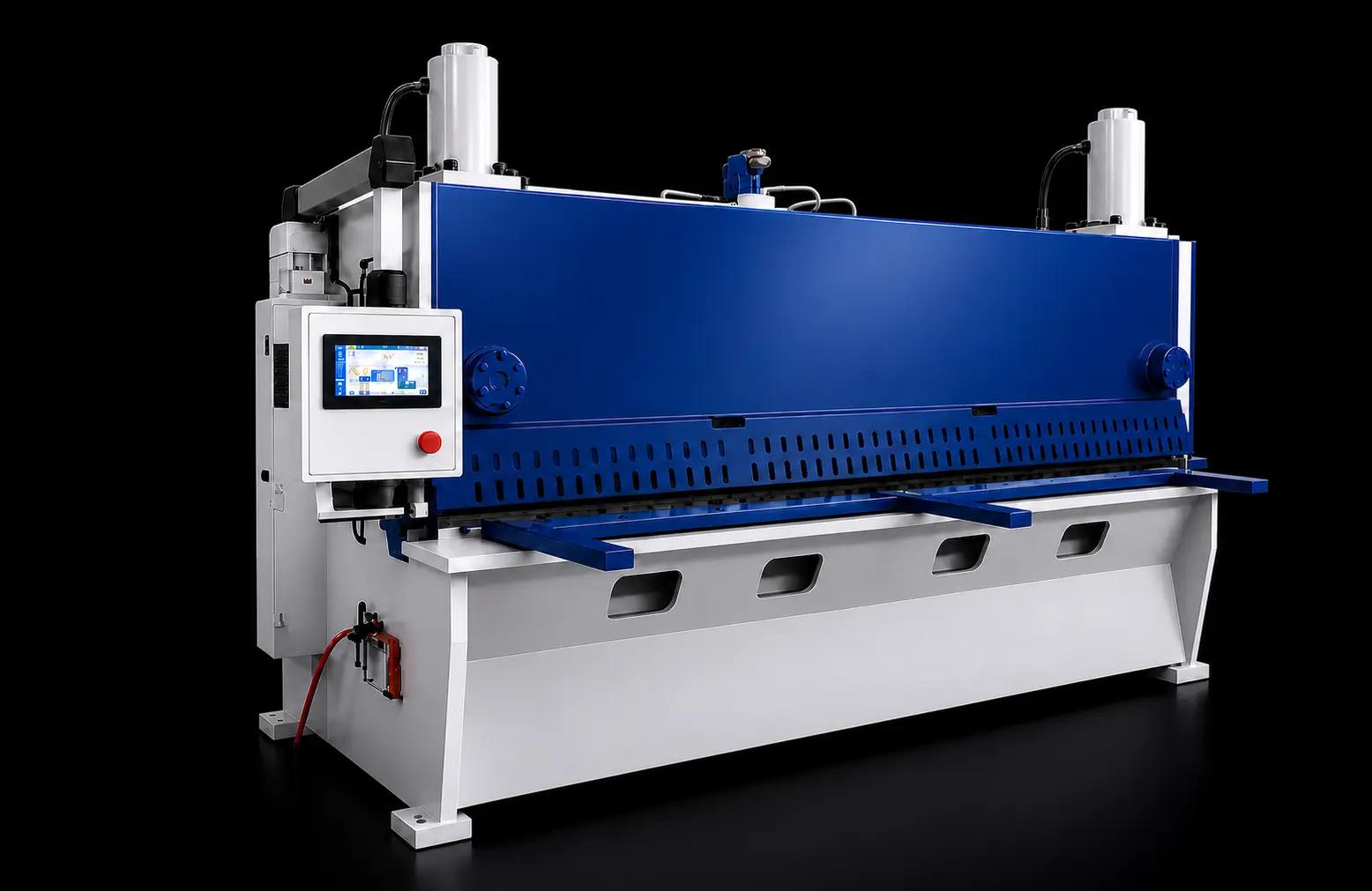
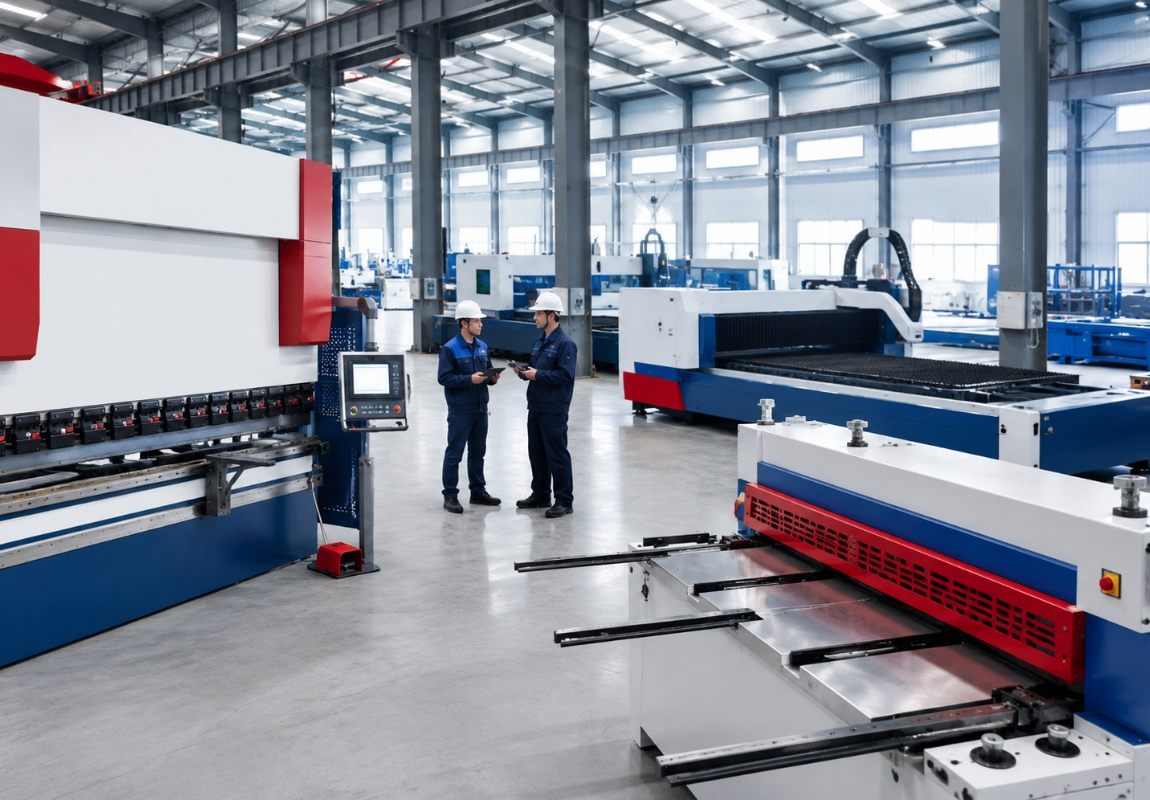
The heart of any HVAC duct fabrication shop is its machinery. Heavy CNC press brakes, structural shearing machines, and fiber laser cutters exert immense static and dynamic loads on the floor. Standard floor coatings will crack and delaminate under the constant vibration and weight. Heavy-duty polyurethane concrete or multi-layer epoxy screed systems are engineered to absorb these vibrations, preventing structural damage to the concrete slab and ensuring the long-term alignment and precision of the fabrication machinery.
For specialized applications, such as ventilation systems destined for pharmaceutical laboratories, food processing facilities, and semiconductor fabs, the ducts must be manufactured under strict cleanroom conditions. In these assembly zones, the resin floor must be completely seamless, non-porous, and chemical-resistant to allow for frequent sanitization. Self-leveling epoxy flooring with an antimicrobial additive ensures that no bacteria or mold can harbor in the seams, maintaining the highest levels of product purity.
The movement of heavy steel coils and metal sheets creates severe abrasive wear. Forklifts, gantry cranes, and automated guided vehicles (AGVs) constantly traverse these zones. A high-build resin floor with quartz or aluminum oxide aggregates provides the necessary slip resistance and wear protection to keep the facility safe and operational, even under wet or oily conditions.
CHNVIKEN is a professional manufacturer specializing in the research, development, production, and export of sheet metal processing equipment. With more than 10 years of industry experience, we have grown from a local machinery supplier into a globally recognized brand serving customers in over 100 countries and regions.
Our product portfolio includes CNC Press Brakes, Hydraulic Shearing Machines, Fiber Laser Cutting Machines, Hydraulic Presses, Punching Machines, Ironworkers, Roll Bending Machines, and complete Duct Production Lines. We are committed to providing efficient, intelligent, and cost-effective solutions for sheet metal fabrication industries worldwide.

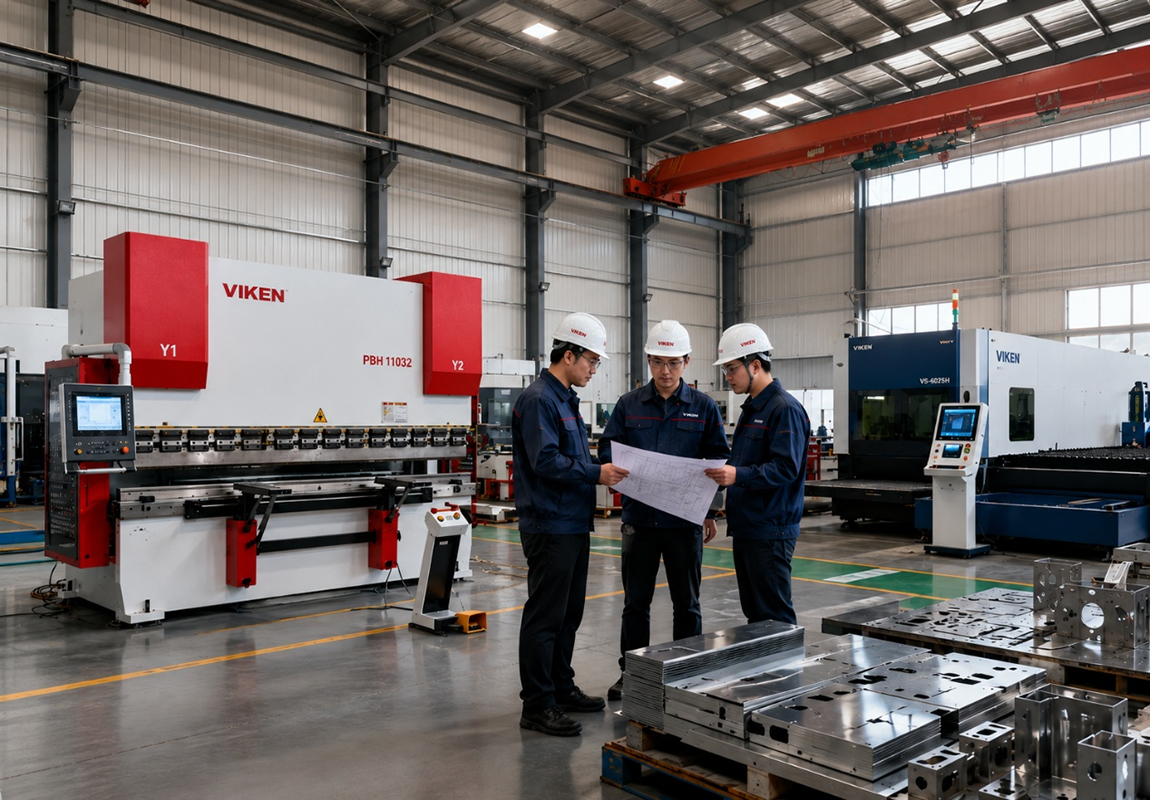
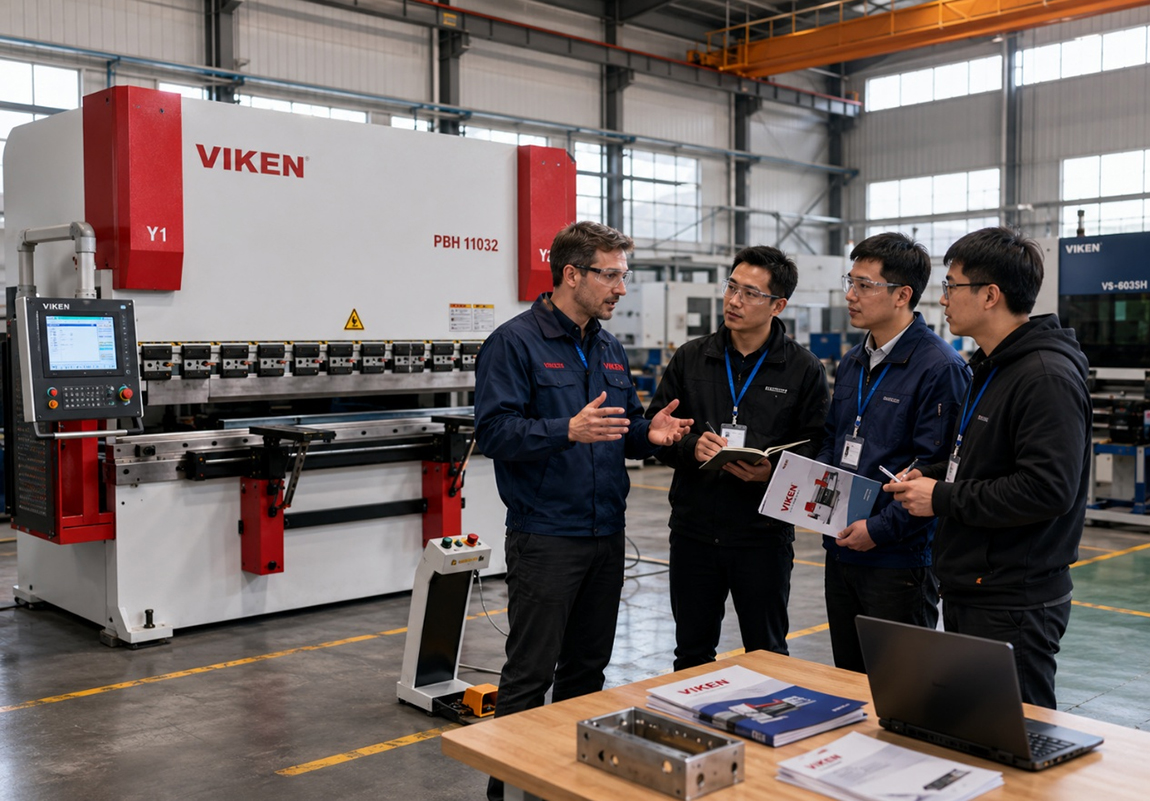
As the HVAC duct fabrication industry shifts toward smart manufacturing, the physical factory floor must evolve in tandem. The integration of automated sheet metal storage systems, CNC manufacturing cells, and laser cutting stations requires a flooring system that supports high-precision operations. In this context, resin flooring is no longer just a protective layer—it is a functional component of the factory's technological ecosystem.
Modern ventilation fabrication facilities are increasingly deploying AGVs to transport heavy sheet metal coils and completed duct sections between production phases. These automated vehicles rely on optical, laser, or magnetic guidance systems that require exceptionally flat and uniform surfaces. Any floor irregularities, joint cracks, or uneven wear can cause AGVs to lose calibration, stop unexpectedly, or drop heavy loads. High-build self-leveling epoxy and polyurethane systems provide the seamless, joint-free flatness required to keep automated fleets running efficiently, minimizing downtime and optimizing material flow.
The machinery used in modern duct fabrication—such as fiber laser cutting heads, multi-axis CNC press brakes, and automated roll forming lines—incorporates highly sensitive electronic control units (ECUs) and microprocessors. Electrostatic discharge (ESD) generated by worker movement or material friction can cause catastrophic component failure or software glitches, halting the entire production line. Implementing an ESD-safe resin flooring system creates a controlled path for static electricity to ground safely, protecting multi-million dollar machinery investments and ensuring continuous, error-free operation.
Global environmental regulations and indoor air quality standards are driving HVAC manufacturers to adopt sustainable, low-emission practices. The resin flooring systems selected for modern plants must comply with strict Volatile Organic Compound (VOC) limits to maintain indoor air quality during installation and operation. Furthermore, the seamless nature of resin floors prevents the accumulation of moisture, grease, and industrial oils, simplifying cleaning protocols and reducing the need for harsh chemical detergents. This alignment with green building standards (such as LEED) enhances the facility's overall sustainability profile.
While the initial investment in a multi-layer resin flooring system is higher than that of simple concrete sealers, the long-term return on investment (ROI) is substantial. The durability of epoxy and polyurethane concrete reduces the frequency of floor repairs and resurfacing, which typically cause costly production shutdowns. Furthermore, the high light-reflectivity of glossy resin coatings improves visibility within the workshop, reducing the energy consumption of overhead lighting systems and creating a safer, more productive environment for the workforce.
In conclusion, the fabrication of HVAC ducts and ventilation systems requires a holistic approach to facility design. By pairing state-of-the-art sheet metal processing machinery—such as CHNVIKEN's CNC press brakes and fiber laser cutters—with high-performance resin flooring, manufacturers can achieve a clean, efficient, and future-proof production environment that meets the highest standards of modern industry.