Leave Your Message

Blog

China Top Short Fiber Cellulose Suppliers for Global Buyers

China Top Short Fiber Cellulose Suppliers for Global Buyers

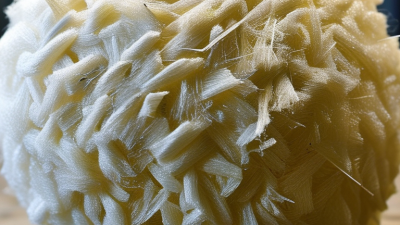
Let’s be honest—sourcing short fiber cellulose from a China-based supplier isn’t just about comparing prices. You need to dig into fiber length, purity, moisture, packaging, and whether those specs actually line up with what you’re producing. And here’s the thing: a sample can look perfectly consistent under bright warehouse lights, but then act completely different when it hits your processing line. Honestly? It's the little details that matter. They really do. So, Dr. R. Malcolm Brown Jr., who studies cellulose, once called it “the most abundant biopolymer on Earth.” That’s a pretty big deal, right? It hints at how versatile it could be. But here’s the thing: just because it’s abundant doesn’t mean all cellulose is the same. Different suppliers might use different raw materials, process it differently, and have their own quality checks. So, before you commit, make sure to ask for the latest spec sheet, grab some samples, and even look at batch-level test results. And don’t forget to ask how they keep track of things and handle any changes in production. It’s all about making sure you know exactly what you’re getting. You know, when you give someone a straight answer, it really builds their trust. But vague reassurances? They just don't cut it. So, this guide is really about helping international buyers get a clearer picture of China’s Short Fiber Cellulose suppliers—especially when it comes to things like product consistency, how well they communicate, production capacity, and whether they’re actually ready to export. Now, just to be clear, this isn’t a rigid ranking or a “best of” list. A supplier that looks great for one grade or order size might not be the right fit for another, and the public info out there only tells you so much. That’s something worth digging into. So treat their claims as a starting point, not the whole truth—then check things out for yourself by requesting samples and comparing everything against your own documented requirements. Look, I know going through everything carefully takes a bit longer, but honestly, it's a small price to pay compared to the nasty surprises you might get after your order ships. Trust me, you don't want that.
Read more »
Lucas By:Lucas - November 11, 2026
What Types of Concrete Floor Materials Are Best?

What Types of Concrete Floor Materials Are Best?

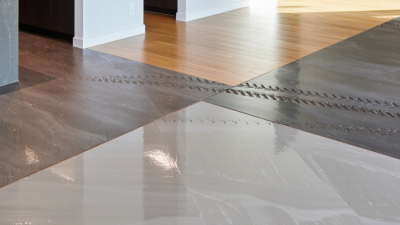
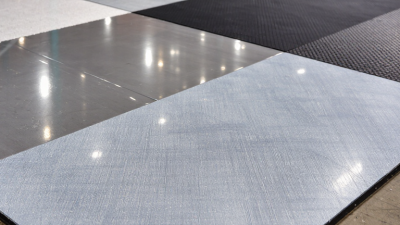
Concrete floors might seem like a pretty straightforward option, but honestly, the right choice really depends on what you’re using the room for. Take a garage—it’s going to see tire marks, dropped tools, and all kinds of moisture changes. A kitchen, on the other hand, needs something that’s easy to clean and won’t feel slippery underfoot. And here’s a sneaky one: sunlight can bring out uneven color in ways that tiny sample swatch totally hid. Honestly, the best Concrete Floor Materials aren't necessarily the priciest or shiniest ones out there. Nope. It's really about what works for your specific slab, how much foot traffic you're dealing with, and, well, how much time you're actually willing to spend on upkeep. That's it. So Bob Harris—concrete flooring expert and author of Bob Harris’ Guide to Stained Concrete Interior Floors—has written a ton about decorative concrete. The gist of one lesson, in my own words? Choose a floor finish for how the room actually gets used, not just for how it looks in the showroom. And to be clear, that's my paraphrase, not a direct quote. Which is an important distinction, honestly. Look, you can't just take product claims at face value—you've got to check them against the technical data. And when someone gives you installation advice, make sure they're factoring in the actual slab you're working with. Things like moisture testing, surface prep, curing time, even slip resistance—they can all throw the final result off. A polished finish might look great in a bright retail store, but near a wet entrance, a textured coating is probably the smarter call. There's no one-size-fits-all answer. Honestly, sometimes the plainest option is the one that just works. Alright, so this guide basically compares the usual concrete floor options—polished concrete, stains, overlays, protective coatings, that kind of thing. We also get into cost, durability, looks, and how much upkeep you’re signing up for. Now, samples? They’re helpful, sure. But honestly, they only show you so much. Real floors? They tend to do their own thing.
Read more »
Aria By:Aria - November 8, 2026
What Are the Top Types of Armored Joints?

What Are the Top Types of Armored Joints?

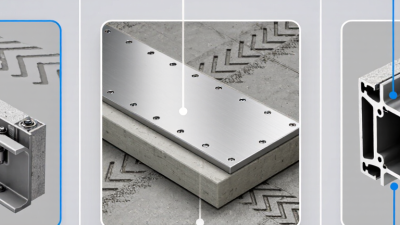
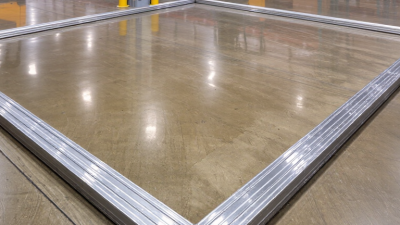
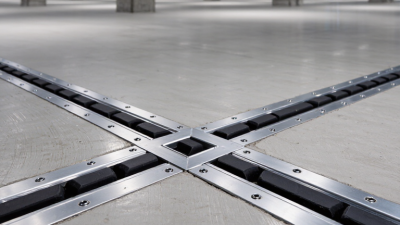
Let's be real—picking an armored joint isn't just about how it looks. It actually changes how your concrete floor holds up under traffic, movement, and all those repeated hits. A good profile can save your slab edges, especially where forklifts are constantly cutting across a busy warehouse aisle. But get it wrong, and you might end up with a loose, rattling joint that turns into an expensive headache down the road. When it comes to concrete joints, the American Concrete Institute has a couple of go-to references—ACI 224.3R on joints in concrete construction and ACI 302.1R on floor and slab construction. They make a pretty practical point: you can't just pick any joint, it has to match the slab, the expected movement, and the conditions it'll be working under. Some common options are steel-angle armored joints, cover-plate systems, and heavy-duty profiles, and each one handles different loads and movement differently. Honestly, the details are what make or break it. Honestly, when you're dealing with a Joint Floor that's going to see hard-wheel traffic, the profile shape isn't all you should consider. You've got to weigh load capacity, movement range, anchorage, and installation requirements. Peter C. Taylor, a concrete materials researcher, comes to mind as a relevant expert—but I can't verify a direct quote from him about armored joints based on what's provided. Instead of making something up, I leaned on the published ACI guidance for this intro. That said, finding an actual expert quote to back it up would really beef up the final version.
Read more »
Aria By:Aria - November 3, 2026
Why Choose Polypropylene Fiber for Your Products?

Why Choose Polypropylene Fiber for Your Products?

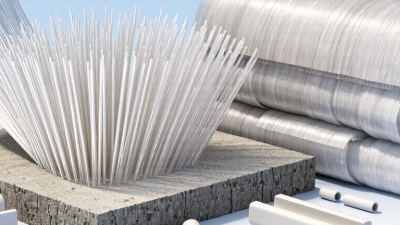
When you're choosing a reinforcement, it's not just about strength—it can change the weight, finish, and cost of the final product too. I mean, take polypropylene fiber, for instance. It's used in all sorts of things, from concrete and geotextiles to nonwovens and molded components. Since it's lightweight and resistant to moisture, it comes in handy when heavier materials would just be impractical. But honestly, the best choice still comes down to how you plan to use the finished product. When you're working in production, little things like fiber length, diameter, surface treatment, and dosage can really change how the material mixes or performs. For example, a concrete blend might need fibers that spread out evenly instead of clumping up where you can see them. And honestly, the small stuff matters a lot. Take Fiber Polypropylene, for instance—it might show up as a search phrase, but if you're actually buying it, you should dig into the technical data sheets, not just trust the labels. Honestly, before you pick a grade, you've gotta check the tensile properties, make sure it's compatible, watch out for processing limits, and pay attention to test conditions. But even then, results can vary quite a bit. Look, polypropylene fiber can definitely help you hit certain practical goals—but it’s not some magic cure-all. Picking the right grade might cut down on cracking or make handling easier in some formulations, but it won’t make up for poor design or skipping proper testing. Honestly, a small trial batch will tell you more than any brochure ever will. And that’s the step people tend to overlook. So ask suppliers for actual specs and application guidance, then test it out under real production conditions before you commit. You can pick the perfect material for the job, but it might still need a little adjustment if the equipment changes, the climate shifts, or you end up using it differently.
Read more »
Lucas By:Lucas - October 29, 2026
How to Choose Concrete Flooring Reinforcement

How to Choose Concrete Flooring Reinforcement

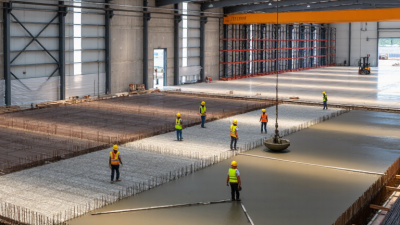
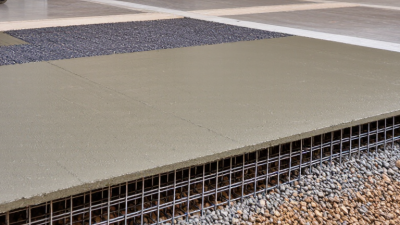
Picking the right reinforcement for a concrete floor? Yeah, it's not just some minor spec call. It can affect things like cracking, how joints perform, load transfer, how fast the job goes, and what maintenance looks like long-term. And remember, a warehouse floor takes a beating every day—forklift wheels, pallets banging into it, moisture, temperature swings, all of it. Industry guidance is a pretty good place to start. For one, ACI 360R-10 lays out that when you're deciding on reinforcement for industrial slabs, you've got to consider loads, subgrade support, joints, curing, and restraint. ACI 302.1R-15 makes a similar point: how you place and cure the concrete can affect floor performance just as much as the reinforcement does. And honestly, that's something people tend to overlook. So, here’s something worth knowing: the Global Cement and Concrete Association says cement and concrete systems are responsible for roughly 7% of global CO2 emissions. Good design can help cut down on repairs and wasted material. But—and this matters—using less material shouldn’t be the only thing we chase. A thinner slab might seem efficient on paper, but it can still fail when you put concentrated wheel loads on it. You know, ACI Fellow David Darwin put it pretty well: “Reinforcement doesn’t prevent cracking; it controls crack width and improves structural performance.” In the real world, that principle still holds up. Steel bars, welded wire reinforcement, and Fiber Steel Reinforcement all have their own jobs to do. Sure, fiber steel reinforcement can help improve how cracks are distributed and make placement a bit easier. But don’t assume it can just step in and replace conventional bars in every single slab—it doesn’t work that way automatically. Truth is, there’s no perfect option. Things like site access, joint layout, finishing quality, and how well the curing is actually handled still matter. A good selection process? It looks at design loads, reinforcement geometry, installation risks, lifecycle costs, and whether the contractor has really done this kind of work before. And the best solution usually isn’t the flashiest product. It’s the one that keeps doing its job long after the floor is done, people have moved in, and nobody’s thinking about it anymore.
Read more »
Aria By:Aria - October 24, 2026
2026 Best Metal Fiber Types for Global Buyers

2026 Best Metal Fiber Types for Global Buyers

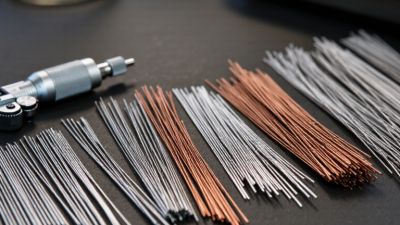
Metal Fiber selection can shape conductivity, durability, heat resistance, and production efficiency. For global buyers, the best choice depends on application conditions, not marketing language. This guide examines stainless steel, nickel-based, copper, iron-chromium, and aluminum fiber options. It compares composition, fiber diameter, length, surface finish, tensile behavior, and manufacturing methods. These details influence mixing, dispersion, electrical performance, and long-term stability. A buyer evaluating brake materials may need corrosion resistance and controlled friction. A battery manufacturer may prioritize conductivity, purity, and consistent geometry. Small differences matter. Reliable sourcing also requires evidence. Manufacturers should provide technical data sheets, batch reports, safety documentation, and traceability records. Ask for samples from multiple production lots. Independent laboratory testing can confirm diameter tolerance, elemental composition, oxidation resistance, and mechanical performance. Documentation should align with the destination market and the buyer’s internal quality system. The right Metal Fiber may reduce maintenance, but the lowest price rarely tells the full story. Initial cost matters. Yet inconsistent fibers can increase waste, downtime, and inspection expenses. No single fiber wins every application. Some specifications remain difficult to compare because suppliers use different test methods. That limitation deserves attention. This introduction offers a practical framework for comparing suppliers, questioning assumptions, and selecting materials with greater confidence. It reflects industrial experience, while recognizing that real performance must be verified under actual operating conditions.
Read more »
Sophia By:Sophia - October 20, 2026
How to Choose the Best Concrete Floor Covering?

How to Choose the Best Concrete Floor Covering?

Picking a Concrete Floor Covering isn’t just about matching the color to your furniture. The surface has to handle traffic, moisture, cleaning chemicals, impact, and temperature swings. A polished showroom sample can look flawless—sure—but it might still fail in a busy garage or warehouse. Grand View Research’s 2024 flooring market analysis points to resilient flooring as a major industry segment, which makes sense given the demand for durable, low-maintenance surfaces. That said, a growing market doesn’t mean every product works on every slab. The U.S. EPA’s Indoor airPLUS specs also highlight low-emitting materials, and that really matters in enclosed rooms with limited ventilation. So check product performance against published test results—not just pretty brochures. Concrete condition comes first. ASTM International standard F710 recommends checking moisture, alkalinity, and surface prep before installing resilient flooring. The American Concrete Institute’s ACI 302.1R guide also stresses slab flatness, curing, joints, and moisture control. These things affect adhesion and how the floor looks over time. Even small cracks can telegraph through thin coverings. And trapped moisture? It can cause bubbling, staining, or adhesive failure. The best choice really depends on how you’ll use the space. Epoxy can be a good fit for workshops and commercial areas that need chemical resistance. Vinyl often offers more comfort and easier cleaning. Rubber does well where impact and foot fatigue are concerns. Polished concrete cuts down on added layers, but it can feel hard and cold. There’s no universal winner here. A careful comparison should look at installation skill, maintenance, expected service life, slip resistance, emissions, and total cost. The initial price can be misleading. A cheaper floor might need repairs sooner. That’s an assumption worth testing. Review technical data sheets, inspect the slab, and ask qualified installers how the material holds up under similar conditions.
Read more »
Aria By:Aria - October 13, 2026
China Top Concrete Floor Joint Manufacturers?

China Top Concrete Floor Joint Manufacturers?

China has become a big sourcing hub for concrete floor joint systems—think warehouses, factories, parking garages, and logistics centers. This article looks at China’s top concrete floor joint manufacturers through the lens of real project experience, product quality, and technical support. And no, it’s not just about price. It also weighs joint profiles, movement capacity, load resistance, installation accuracy, and after-sales service. A manufacturer you can trust should be able to explain how its concrete floor joint products hold up under forklifts, temperature swings, moisture, and repeated impact. Technical drawings matter. Test reports matter too—along with material traceability and installation instructions that are actually clear. Some suppliers offer aluminum, stainless steel, galvanized steel, or flexible joint solutions. Others focus on industrial floors, precast construction, or heavy-duty expansion systems. Buyers should compare these capabilities with what’s really happening on site. The article will also look at the role of Concrete Floor Joint Filler in sealing gaps, keeping debris out, and supporting long-term floor maintenance. Factory visits, sample checks, and project references can tell you more than a glossy brochure. Still, no shortlist is perfect. A manufacturer might do great on big projects but struggle with small custom orders. Another might offer competitive pricing but limited engineering support. Those weaknesses deserve attention. By combining documented evidence, field feedback, and direct technical conversations, this guide aims to identify dependable Chinese manufacturers—while recognizing that the best choice depends on the floor design, the operating environment, and the installation team.
Read more »
Lucas By:Lucas - October 9, 2026
2026 How to Install Floor Tile Movement Joints?

2026 How to Install Floor Tile Movement Joints?

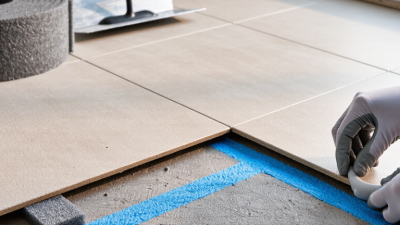
Installing Floor Tile Movement Joints might seem like a small detail, but honestly, it’s a pretty important one because it helps protect your entire tiled surface. You know how temperature swings, humidity, building shifts, or even shrinking materials can put stress under your tiles? Well, without some planned relief, that stress can lead to cracks in your grout, tiles tenting up, or edges starting to come apart. Not exactly the look you’re going for, right? In this guide, I’ll walk you through how to figure out where to place those joints before you start setting your tiles in 2026 (yes, 2026—because planning ahead is key). We'll cover stuff like the size of the room, the kind of surface you're working with, how much sunlight hits the area, if you’ve got underfloor heating, and where different materials meet. Remember, perimeter joints should stay open beneath baseboards or flexible sealants, and in bigger areas, narrow hallways, doorways, or where the substrate changes, you'll want to include some field joints. Also, any existing structural joints should be continuous through your tile work to keep things consistent. Pro tip: Good work starts before the adhesive even hits the floor. Take the time to check your concrete for cracks, moisture issues, dust, or uneven movement. Mark your joint lines with chalk—keep them straight and consistent. When it comes to sealing those joints, use a compatible backer material and a sturdy elastomeric sealant, and follow the manufacturer’s instructions—skipping that can cause problems down the line. While the Tile Council of North America’s guidelines and local standards are super helpful for layout, remember that you still need to use your best judgment based on the actual site conditions. It’s surprisingly easy to hide a poorly done joint until months later when it starts causing issues. So, don’t wait until it’s too late—making sure your joints are right from the start is worth it. Plus, for flexible sealants, getting the right depth, clean edges, and backing material is crucial. Sometimes, projects need more joints than you'd expect—that’s not a waste, it’s just good sense to avoid costly repairs later on. All in all, this article is packed with practical tips, check points, and honest advice to help you create reliable movement joints, whether you’re working on a home or a commercial project. And if you’re dealing with structural movement or unusual materials, it’s always best to check in with a qualified tile professional to make sure everything’s spot on.
Read more »
Aria By:Aria - October 4, 2026
10 Best Concrete Flooring Reinforcement Products for Buyers

10 Best Concrete Flooring Reinforcement Products for Buyers

When it comes to reinforcing concrete floors, there’s no one-size-fits-all answer. It’s really a performance-driven decision, heavily influenced by factors like slab thickness, what kind of support the subgrade offers, how the joints are laid out, the loads they'll bear, and the exposure conditions. According to ACI 360R-10, the Guide to Design of Slabs-on-Ground, all these things are interconnected in the design process. And let’s be honest — what works on paper or in the design phase might look a lot different once you're actually on site. For example, a forklift zipping through a warehouse creates different stresses compared to a garage floor or pallet racks. It’s all about how those real-world loads affect the reinforcement choice. And the scale of this stuff is pretty huge, by the way. The U.S. Geological Survey mentioned that U.S. cement production hit about 91 million metric tons in 2023. That’s a massive amount of material, showing just how big the concrete game really is. But, here’s the thing — just knowing how much cement is used doesn't tell you much about how your floor will perform. The right reinforcement might be welded-wire mesh, steel fibers, macro synthetic fibers, or fiber steel products — each suited for different goals and conditions. Just because a product has a fancy name doesn’t mean it’s the perfect fit for your project. As the ACI guidelines point out, you can't just pick reinforcement based on marketing hype. You’ve gotta match the reinforcement type to your specific slab system — not just go with what’s on the sales sheet. That being said, it’s always a smart idea to double-check product claims with actual engineering data and current technical info tailored to your project. Small things like fiber dosage, how you place the mesh, or how often you space your joints can make a big difference in how the floor performs. Even the best reinforcement can underperform if installation or detailing isn’t spot-on. This guide reviews ten different reinforcement options but keep in mind — no checklist beats having a qualified engineer review everything to make sure it’s right for your particular project.
Read more »
Sophia By:Sophia - September 29, 2026
2026 Top Floor Expansion Joints for Global Buyers?

2026 Top Floor Expansion Joints for Global Buyers?

Picking the right Floor Expansion Joints in 2026 isn't just about comparing prices. You’ve got to dig a little deeper — think about how much movement they can handle, what kind of loads they'll face, exposure to elements, and how they’ll be installed. What works smoothly in a tidy office corridor might totally fall flat in a loading bay that's exposed to water, dirt, and heavy wheels — little details really matter here. This guide walks you through the main types of joints and what you should think about when choosing for commercial, industrial, or infrastructure projects. It covers how to compare their movement ranges, surface profiles, materials, and anchoring systems. Plus, it’s good to look at things like supplier documentation, how consistent their manufacturing is, their experience with similar projects, and what kind of support they offer after installation. These checks help you separate real technical info from just marketing hype. Don't forget to ask for drawings and test results — then compare everything against your project specs. Remember, there’s no one-size-fits-all solution. Each site has its quirks. Factors like temperature swings, structural layout, traffic patterns, and maintenance needs can all influence how well a joint will perform over time. Even a carefully designed joint can run into issues if it’s installed incorrectly or if tolerances are missed. This intro focuses on what global buyers should look at when evaluating options for 2026. It also suggests asking questions about how long the joint will last, how easy it is to access for replacements, and what limits the published performance data really has. Ultimately, some decisions are very project-specific — that’s not a flaw, but a reason to double-check your assumptions before placing an order.
Read more »
Aria By:Aria - September 24, 2026
10 Best PP Carbon Fiber Suppliers for Global Buyers

10 Best PP Carbon Fiber Suppliers for Global Buyers

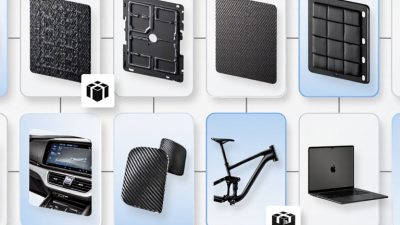
Picking the right PP Carbon Fiber supplier can really make a difference in the final product—stuff like strength, how it looks, costs, and whether deliveries go smoothly. Of course, buyers from around the world want more than just pretty pictures in a catalog. They need solid info on the materials, consistent manufacturing quality, quick responses, and suppliers who know their export game inside out. This guide lays out the top 10 PP Carbon Fiber suppliers for global buyers. We’re focusing on companies that can handle demanding projects—think automotive parts, sports gear, industrial panels, and lightweight consumer products. When choosing, we look at several things that matter to buyers: how well they distribute fibers, compatibility with polypropylene, how they perform during molding, quality control measures, certifications, minimum order requirements, packaging standards, and how smoothly they handle international logistics. Clear and helpful technical support is also key—no vague explanations. A good supplier should be willing to explain melt flow, fiber length, tensile strength, and recommended processing conditions without beating around the bush. When it comes down to it, real details are what count. A trustworthy evaluation involves testing samples, visiting factories if possible, and reviewing documents. Buyers should ask for batch records, certificates of analysis, inspection reports, and proof of traceable raw materials. Doing these steps upfront can really cut down on surprises when placing larger orders. But, let's be honest—not every ranking is perfect. A supplier’s performance can shift with raw material supply, production schedules, or shipping conditions in different regions. Some companies might be great for big orders but less so for smaller trial runs, while others might be super flexible but limited in customization options. So, this guide gives practical comparisons, not absolute guarantees. Always double-check current prices, capacity, certifications, and lead times directly with each supplier. At the end of the day, your careful judgment makes all the difference.
Read more »
Sophia By:Sophia - September 19, 2026
China Best Floor Expansion Joints for Global Buyers

China Best Floor Expansion Joints for Global Buyers

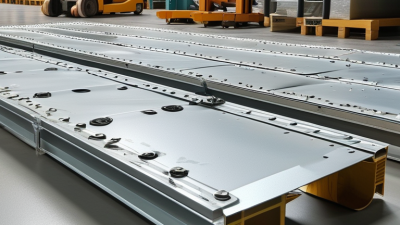
Choosing the best Floor Expansion Joints from China isn’t just about comparing prices online. Honestly, as a buyer, you need solutions that truly protect your floors, handle movement smoothly, and are practical to install. Imagine a joint between a warehouse slab and a loading zone—it's gonna face forklifts, temperature swings, moisture, and quite a bit of impact over time. A tiny design mistake can turn into cracked edges, loose covers, or just a tough fix later on. Details really do matter here. In this guide, we’re looking at Floor Expansion Joints from a seasoned procurement perspective. We’ll cover stuff like joint width, how much movement they can handle, load classes, cover materials, anchoring methods, and surface compatibility. Whether you're considering aluminum, stainless steel, rubber, or hybrid options, we’re thinking about applications in hospitals, shopping centers, airports, factories, or even residential buildings. Every serious quote should come with solid info—think technical drawings, test reports, clear installation instructions, and samples for evaluation. Of course, the final decision still depends on your specific project conditions. Something that works great in a quiet office corridor might totally fail at a busy service entrance. A reliable supplier should be upfront and clear about tolerances, production controls, packaging, lead times, and after-sales support. They should also guide you through local building codes and international standards like ASTM or EN, if applicable. From experience, pretty catalog photos aren’t enough — you really need to double-check site measurements and movement calculations, too. No supplier is perfect, and no guide can cover every possible installation issue. But taking the time to verify details properly can really reduce risks. Ultimately, this helps you choose Floor Expansion Joints that not only perform well and look neat but also stay easy to maintain over the life of your building.
Read more »
Sophia By:Sophia - September 15, 2026
What Are the Top PP Carbon Fiber Suppliers Worldwide?

What Are the Top PP Carbon Fiber Suppliers Worldwide?

Picking out the top Pp Carbon Fiber suppliers from around the world isn't just about size or brand name. Honestly, the real challenge kicks in when you start digging into details—stuff like resin consistency, how well fibers are dispersed, impregnation quality, and whether they can stick to delivery deadlines. Sure, a black test plaque might look perfect in the lab, but don’t be fooled—sometimes it’ll fail after heat cycling or if it’s been banged up a few times. That subtle difference can really make or break your project. In this guide, I’ll walk you through some well-known suppliers like Toray Industries, Teijin, Mitsubishi Chemical Group, SGL Carbon, and Hexcel. The thing is, they all have their own strengths—some excel at different carbon fiber grades, polypropylene composites, tapes, sheets, or even custom molding solutions. For example, a few are really good at high-volume automotive parts, while others are more geared toward aerospace-grade processing or industrial prototypes. So, it’s really about matching the supplier’s expertise to what you actually need, not just going for the biggest or most recognizable name. Professor Suresh G. Advani from the University of Delaware, a well-respected guy in composites research, once said, “Processing determines performance.” And honestly, that advice is just as true for Pp Carbon Fiber. Things like fiber length, melt temperature, screw design, cooling speed, and moisture control can all impact how stiff, strong, or impact-resistant your final product will be. It’s a good idea to ask for detailed technical datasheets, batch records, testing standards, and references from existing applications. And don’t just rely on what the sales pitch says—take a good look at their production capabilities and ask to see proof of quality. Let’s be real, the market isn’t perfectly tidy. Sometimes, product names can be misleading or hide big differences. Many suppliers won’t share detailed data, which makes comparing options pretty tricky. So, a practical approach is to look at things like tensile strength, modulus, density, weldability, recyclability, and whether they can reliably supply you over the long haul. Price is important too, but the cheapest material might end up costing you more later with tooling or stability issues. This overview is meant to give you a solid starting point for finding reliable global partners and understanding where you might need to do some extra homework before making a final call.
Read more »
Aria By:Aria - September 10, 2026
10 Tips for Choosing Polypropylene Fiber Material?

10 Tips for Choosing Polypropylene Fiber Material?

Picking the right Polypropylene Fiber Material isn’t just about comparing prices — it’s often more complicated than it looks. Even if two fibers seem similar on the label, they can perform quite differently when used in concrete, geotextiles, filtration fabrics, or nonwoven products. Details like fiber length, diameter, denier, melt flow rate, surface treatments, and how well they disperse really matter. Dr. Robert M. Koerner, a well-respected expert in geosynthetics, hits the nail on the head with a good rule of thumb: “Material performance should be judged in its actual application, not just based on lab tests.” That’s something worth keeping in mind. A fiber might pass a standard tensile test, but still end up bunching during mixing or losing stability when exposed to sunlight — those small things become obvious once you get on the production floor. In this guide, I’ve put together ten practical tips to help you choose polypropylene fibers more confidently. We’ll look at things like polymer grade, fiber geometry, strength, elongation, thermal properties, chemical resistance, and consistency from different suppliers. Plus, I’ll talk about the importance of testing evidence, making sure it works well with your production process, and how it holds up long-term. Don’t forget to ask for traceable batch records or independent test reports. When possible, compare samples in real processing conditions — that’s where the real story unfolds. Even a clean datasheet can be kinda deceiving. We often overvalue low cost and underestimate potential installation headaches — common mistakes, for sure. The trick is to find a good balance between performance, ease of processing, durability, and technical support. Experienced buyers tend to question vague claims, especially when suppliers don’t provide details about testing methods or conditioning procedures. Remember, your final choice should be based on actual conditions — temperature, humidity, load, and exposure — not just on specs. Of course, no process can remove all uncertainties, but taking these things into account can definitely help you avoid costly surprises down the line.
Read more »
Lucas By:Lucas - September 6, 2026