Cellulose Fiber


Alkali Resistant Cellulose Fiber for Concrete
Raw Material & Structural Advantages
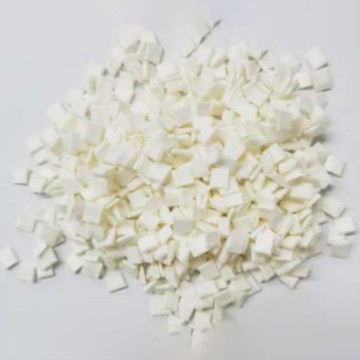
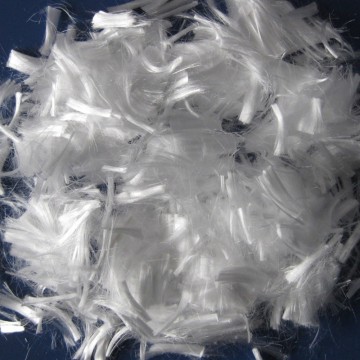
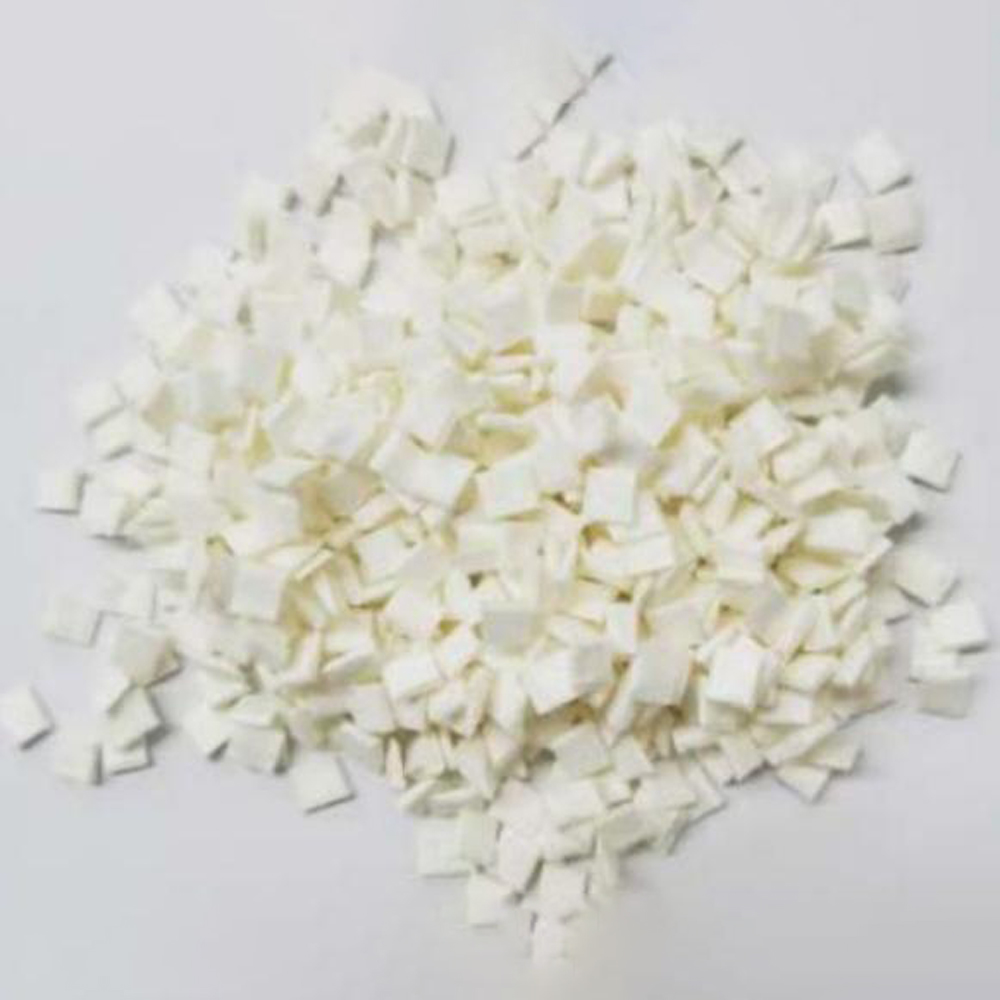
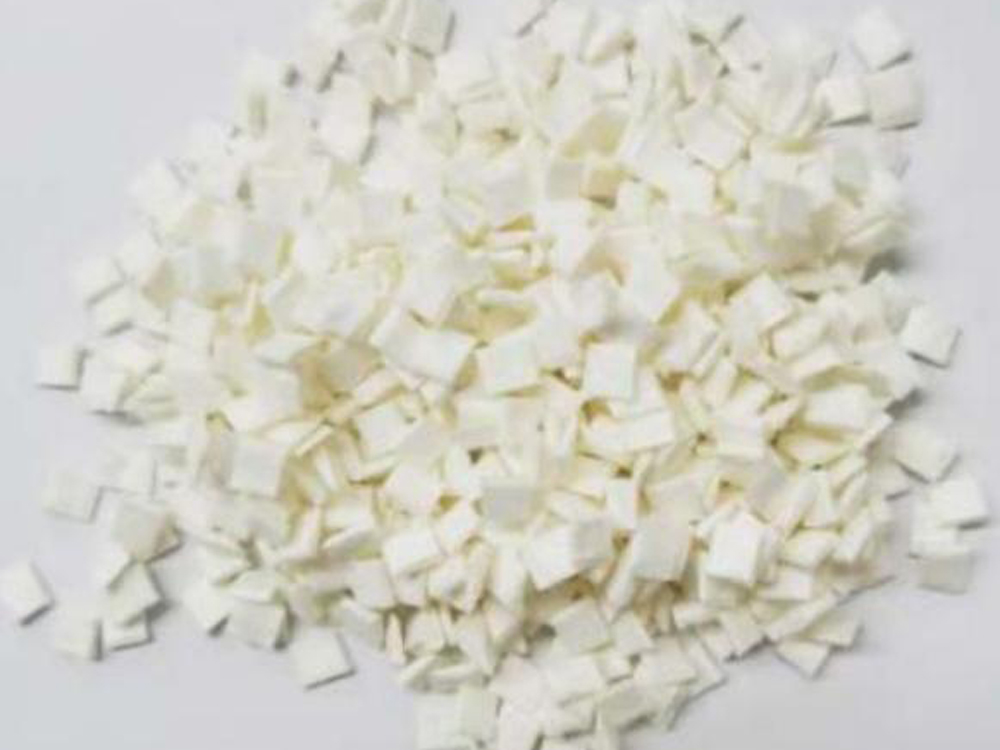
Sourced from responsibly managed renewable timber, the cellulose fiber undergoes exclusive alkali resistance modification. It can retain over 96% tensile strength under high alkaline cement environment, avoiding degradation inside concrete over decades. Its high water absorption capacity up to 85% of self-weight releases stored moisture slowly to activate internal curing, boosting cement hydration and improving overall concrete density.
Each pound contains hundreds of millions of tiny fibers with ultra-small diameter, forming dense micro-reinforcement networks to disperse shrinkage stress evenly. Unlike hydrophobic PP fibers, it closely bonds with cement paste without generating internal micro voids, reducing concrete permeability and water absorption.
Mixing & Construction Performance
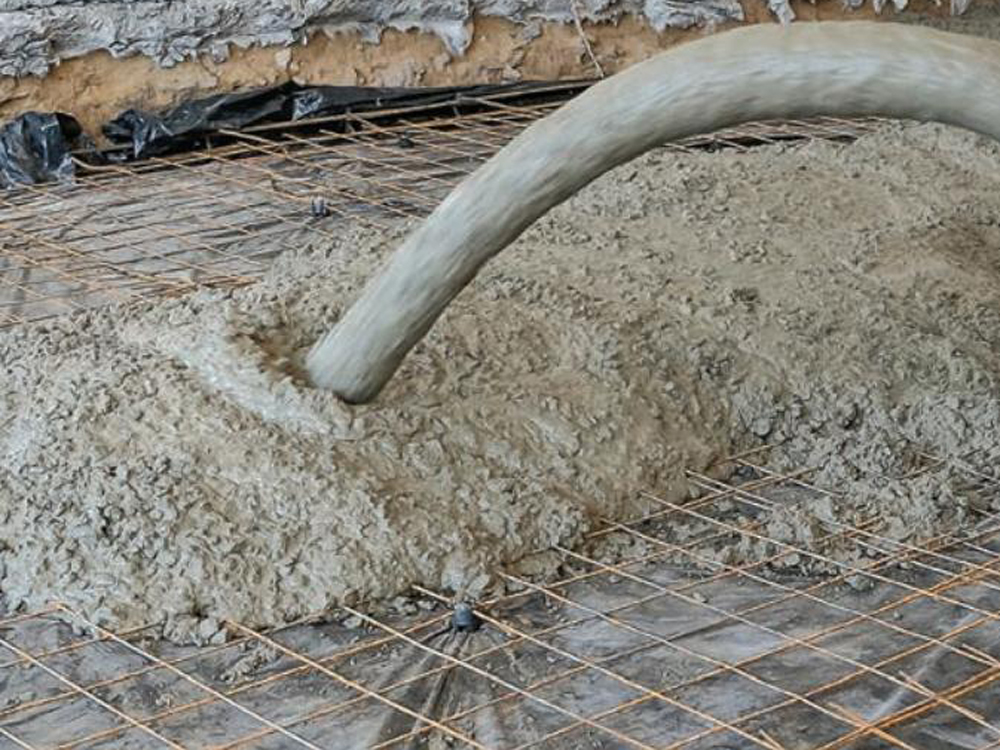
Cellulose fiber has negligible negative impact on concrete slump, so extra mixing water is rarely needed on construction sites, which avoids strength loss and secondary cracking risks. It disperses evenly during mixing with zero balling or floating issues, and leaves no visible traces after floor finishing.
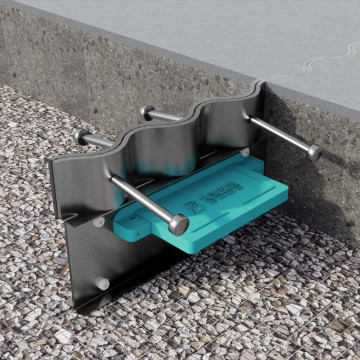
It works compatibly with PP macro fiber, steel fiber and all concrete admixtures, and can coordinate with floor armoured joints and PE foam strips to form a complete floor protection system. It is ideal for decorative stamped concrete, colored slabs and superflat industrial floors requiring flawless surface finish.
Application Scenarios
This cellulose fiber is widely used in commercial and residential slabs, architectural decorative concrete, permeable pavement, curb gutters, shotcrete, metal composite decks and white topping overlay projects. It is popular for new energy workshop floors, retail plaza ground, landscape decorative pavement, factory architectural facings and residential building ground construction. It cuts plastic shrinkage cracks by up to 80% at standard dosage, enhances freeze-thaw durability and impact resistance, and serves as an eco-friendly secondary reinforcement substitute for welded wire fabric, greatly lowering long-term concrete repair expenses for decorative and industrial ground projects.