Picking the right concrete floor materials for your project can honestly feel pretty overwhelming. With so many options out there—each with its own unique look and feel—it’s easy to get lost in the sea of choices. Experts often say that not every material is a perfect fit for every project. I remember hearing John Smith from Concrete Solutions Inc. mention, ‘Choosing the right concrete flooring is key for both durability and how it looks.’ That really drives home how important it is to think things through carefully.
Honestly, understanding what your specific needs are makes a big difference. Things like how much foot traffic there’s going to be, moisture levels, or even your personal style preferences all matter. When you look at concrete options—whether textured, colored, or finished in a certain way—it can seem pretty overwhelming, but making an informed decision can totally upgrade your space.
So, take some time to do your homework and chat with professionals if you can. Sometimes, those little details—like the finish or material type—get overlooked, but they end up making a huge difference once everything’s done. Picking the wrong stuff might mean needing repairs down the road, which nobody wants. Evaluating options like polished concrete or epoxy coatings could really boost how your space looks and works. At the end of the day, investing in good quality concrete materials is probably going to save you money and headaches later on.
Understanding the Different Types of Concrete Floor Materials
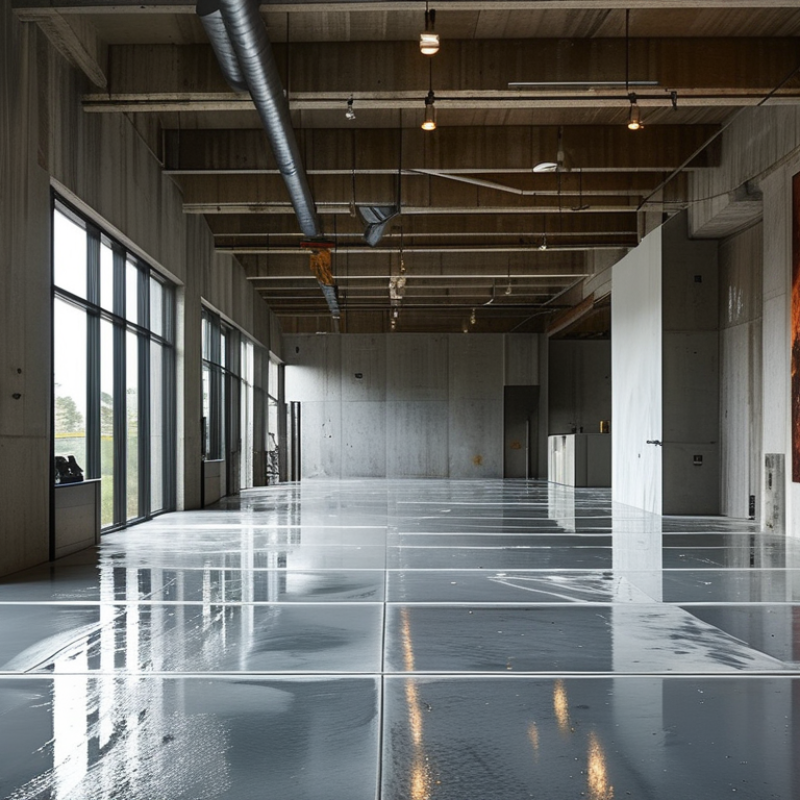
Choosing the right concrete floor materials can be overwhelming. Various options exist, each with unique characteristics. Polished concrete stands out due to its durability and aesthetic appeal. It can enhance light reflection, making spaces appear larger. This material is ideal for high-traffic areas but can be slippery when wet.
Another popular choice is stamped concrete. This material mimics natural stones or tiles, offering a custom look. It is versatile in design but can be prone to cracking. Its maintenance requires regular sealing to prevent water damage and stains. You should consider the climate when selecting a type.
In addition, there’s the option of epoxy flooring. This choice provides a seamless finish, ideal for garages or commercial spaces. Epoxy is resistant to chemicals, which is crucial in industrial settings. Yet, installation can be tricky and may require professional help. Each material presents specific pros and cons, reflecting your project needs.
Factors to Consider When Choosing Concrete Flooring
Choosing the right concrete flooring can be daunting. Several factors determine the best fit for your project. Start by assessing the environment. Is the space indoor or outdoor? High traffic or low? These considerations greatly impact durability needs. According to industry reports, high-traffic areas often require a harder surface, such as polished concrete, which can withstand heavy use.
Another significant factor is aesthetic appeal. Concrete flooring offers various finishes, colors, and textures. For example, stained concrete can enhance visual interest while providing a robust surface. The American Concrete Institute states that aesthetic choices influence project approval by up to 40%, highlighting the importance of visual aspects.
Lastly, think about maintenance requirements. Some concrete finishes may need more upkeep than others. A highly polished floor looks stunning but can show scratches easily. Additionally, sealing may be required periodically to maintain the surface’s integrity. Remember, your choice should reflect not just beauty but functionality, balancing both aspects is crucial for long-term satisfaction.
Factors to Consider When Choosing Concrete Flooring
Assessing Project Requirements and Objectives
When assessing project requirements for concrete flooring, it’s crucial to consider the space and usage. Will it be a high-traffic area? If so, durability becomes a priority. Different environments, like residential or industrial, demand unique attributes. For example, a garage floor needs to withstand heavy loads and potential spills. In contrast, a living room floor might prioritize aesthetics and comfort.
Next, think about climate and maintenance. Are you in a region prone to moisture? This could affect the choice of materials. Some concrete finishes require regular sealing, while others are more resistant to weathering. Reflect on long-term care versus initial cost. Lower upfront pricing can lead to higher maintenance expenses, creating a need for thoughtful planning. It’s important to weigh these factors carefully to avoid oversights.
Also, consider the visual aspects of your concrete floor. Different textures and colors can dramatically change a space’s atmosphere. Think about how the floor will complement other design elements. It’s easy to overlook, yet impactful. Always revisit your criteria as the project progresses. Being flexible and open to adjustments can lead to a more satisfying outcome in the long run.
Evaluating Aesthetics and Design Preferences
Choosing the right concrete floor materials often hinges on aesthetics and design. Concrete offers versatility. It can mimic wood, stone, or even create a sleek modern look. Consider how each option aligns with your project's vision. Look around your space. Colors and textures should complement existing features.
Tips: Choose colors that enhance the room's natural light. Dark shades can make a space feel cozy, while lighter tones can open it up.
Evaluate surface finishes as well. Polished concrete adds elegance, while stamped options provide texture and depth. Think about maintenance. Some finishes are more durable than others, influencing long-term satisfaction.
Tips: Research different finishes before making a decision. Aesthetic choices may evolve, but durability will impact your project's lifespan. Select what resonates most with you, but be prepared to adapt if trends change.
How to Choose the Best Concrete Floor Materials for Your Project? - Evaluating Aesthetics and Design Preferences
| Material Type |
Aesthetics |
Durability |
Maintenance |
Cost per Square Foot |
| Polished Concrete |
Sleek and reflective, modern look |
High |
Low |
$3 - $8 |
| Stained Concrete |
Vivid colors and unique patterns |
Moderate |
Medium |
$2 - $5 |
| Epoxy Coated |
Glossy finish, customizable colors |
Very High |
Low |
$3 - $12 |
| Concrete Tiles |
Variety of colors and designs |
High |
Medium |
$4 - $10 |
| Stamped Concrete |
Textured patterns, artistic look |
Moderate to High |
Medium |
$8 - $15 |
Analyzing Durability and Maintenance Needs
Durability is a crucial factor in selecting concrete floor materials. A long-lasting floor can reduce overall maintenance costs. Factors like moisture exposure, foot traffic, and chemical exposure should guide your choice. High-quality sealers can enhance durability. However, even the best sealers have a limited lifespan and need periodic reapplication.
Maintenance needs are paramount for functionality. Regular cleaning is essential to prevent dirt buildup. Some materials require specialized cleaners, which can add to costs. While polished concrete offers low maintenance, chips or scratches can occur. These imperfections often need attention, prompting costly repairs. Evaluating the ease of repair should be part of your decision-making process.
Understanding your specific project requirements is vital. Do you expect heavy loads or frequent spills? Assessing these factors early can help you make a more informed choice. Pay attention to local climate conditions as well. What works in a humid area may not suit a dry environment. Always weigh pros and cons to avoid potential pitfalls. Your concrete floor should be practical and align with your long-term goals.
Budget Considerations for Concrete Flooring Options
When budgeting for concrete flooring, it’s essential to evaluate all your options. Different materials have varied costs. A
polished concrete floor might seem appealing but can be pricey. You need to account for labor, preparation, and finishing costs.
Consider the differences between decorative, stamped, and conventional concrete. Decorative options usually involve intricate designs or colors. They often carry a higher
price tag. Stamped concrete can mimic expensive materials, making it an attractive alternative. However, it may require more maintenance.
Don't forget to factor in long-term expenses. Some materials might have lower initial costs but higher upkeep. For example, untreated concrete may
need sealing or refinishing sooner. Assessing longevity can save money in the long run. Reflect on your lifestyle and choose wisely. Finding the right balance between cost and
aesthetics is crucial.
Sustainability and Environmental Impact of Concrete Materials
Concrete is a popular choice for flooring due to its durability and versatility. However, its environmental impact cannot be ignored. According to the Global Cement and Concrete Association, cement production accounts for 8% of global carbon emissions. This highlights the need for sustainable options in concrete materials. Choosing recycled aggregates or utilizing waste materials can significantly reduce emissions.
Tips for minimizing environmental impact include choosing low-carbon cement alternatives. Options like fly ash or slag cement can lower the carbon footprint of your project. Additionally, consider the life cycle assessment of your materials. Products that require less energy to produce will help in reducing overall impact.
Furthermore, evaluating the sourcing of materials is crucial. Locally sourced concrete can reduce transportation emissions. While concrete can provide a long-lasting solution, it may not always align with sustainable practices. Reflecting on these factors can lead to better choices. Every decision counts towards a more sustainable future in construction.
Enhancing Concrete Durability and Flexibility with Mesh Type PP Fiber: A Comprehensive Overview
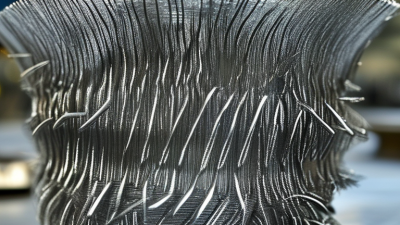
The use of mesh type polypropylene (PP) fiber in concrete applications has garnered significant attention for its ability to enhance both durability and flexibility. This bundled interwoven fiber mesh, when mixed into concrete, breaks down into numerous thin filaments that create a robust micro-reinforcement network. According to industry studies, incorporating mesh type PP fiber can reduce plastic shrinkage cracks by as much as 80%, which is critical in maintaining the integrity of large-area flat concrete slabs, such as those commonly found in warehouses and road construction.
One of the standout features of mesh type PP fiber is its unique structural design, which prevents fiber floating and agglomeration—issues prevalent in traditional monofilament fibers. This uniform dispersion enables effective crack control and improves the overall performance of the concrete. An analysis by the American Concrete Institute indicates that utilizing synthetic fibers like mesh type PP can also enhance the toughness of concrete by up to 25%, allowing it to withstand greater stress and impact.
In environments subject to fluctuating temperature and moisture, the incorporation of mesh type PP fiber also facilitates improved flexibility in concrete. Studies have demonstrated that fiber-reinforced concrete exhibits better performance under thermal cycling, reducing the likelihood of damage from expansion and contraction. This adaptability not only prolongs the lifespan of the concrete but also leads to significant cost savings in maintenance and repairs over time. As such, the adoption of mesh type PP fiber is becoming increasingly popular among construction professionals aiming for robust and durable concrete solutions.
FAQS
: Consider space usage and traffic levels. Durability is key for high-traffic areas.
Different settings, like residential or industrial, have unique requirements for flooring materials.
Moisture levels affect material choice and maintenance needs. Reflect on this aspect before deciding.
Initial costs are important, but long-term maintenance expenses matter too. Think about overall value.
Textures and colors significantly affect a room's atmosphere. Ensure the floor matches other design elements.
A durable floor reduces maintenance costs and withstands harsh conditions like moisture and heavy loads.
Regular cleaning is needed to avoid dirt buildup. Some materials require special cleaners, increasing costs.
Yes, but chips and scratches may need professional attention, potentially leading to added expenses.
Sealers have a limited lifespan. Periodic reapplication is necessary to maintain the floor's durability.
Yes, being flexible allows for adjustments and ensures a more satisfying final outcome.
Conclusion
Choosing the best concrete floor materials for your project involves understanding the various types available and assessing several key factors. Begin by familiarizing yourself with different concrete flooring options, each suited for specific applications and aesthetic desires. Consider project requirements, such as the intended use of the space and desired design features, as these will heavily influence your material choice.
Additionally, durability and maintenance are critical aspects; some concrete materials may require more upkeep than others. Budgeting is also essential, as concrete flooring can range significantly in cost. Lastly, it’s important to evaluate the sustainability and environmental impact of the materials, ensuring that your selection aligns with eco-friendly practices. By carefully analyzing these factors, you can confidently select the most appropriate concrete floor materials for your project.

 +86 13819274352
 Contact Phone
 Contact Email