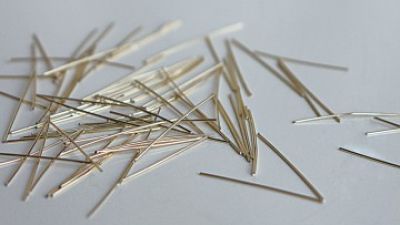
Metal Fiber is pretty fascinating stuff—an innovative material that's finding its way into all kinds of industries. Basically, it’s made up of super-thin metal strands, and companies use it to boost the properties of their products. Big names like Ametek and Ahlstrom are already using Metal Fiber for filtration and reinforcement. What makes it really cool is its unique structure, which gives it some solid advantages—like better strength, good electrical conductivity, and the ability to withstand high temperatures.
You see Metal Fiber everywhere, from aerospace to automotive, playing a pretty big role. It’s lightweight, so it helps reduce the overall weight of things without sacrificing durability, which is a huge plus. And because it conducts electricity well, it’s pretty much essential for certain electronic parts. That said, it’s not all smooth sailing—producing Metal Fiber can get pretty pricey, which means not everyone can jump on the bandwagon just yet. Companies are constantly working on tweaking their manufacturing processes to make it more efficient and cost-effective.
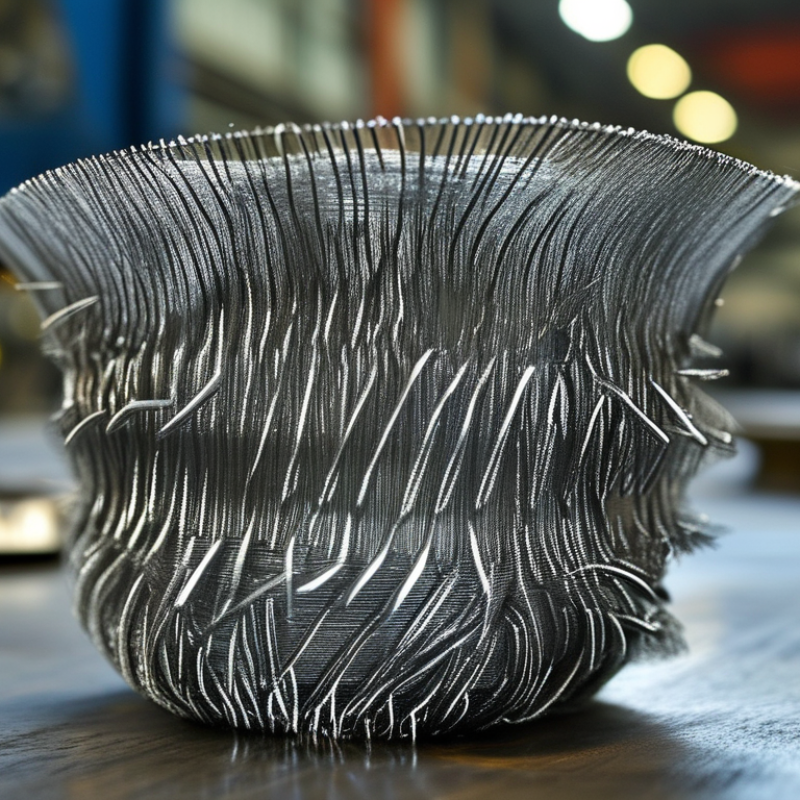
On the research side of things, progress is happening all the time. New techniques are popping up—like using 3D printing to create really fine, intricate Metal Fiber structures. These kinds of innovations could seriously help bring costs down and open up new possibilities for its use. All in all, Metal Fiber has huge potential, but there’s still a lot of room for improvement and new ideas. It’s an exciting space to watch, for sure.
Definition of Metal Fiber and Its Characteristics
Metal fibers are defined as thin strands of metal, often measuring less than 100 micrometers in diameter. They exhibit unique characteristics. These include high tensile strength, excellent thermal conductivity, and corrosion resistance. Such properties make metal fibers highly sought after in various industries.
In the automotive sector, metal fibers are used in filtration systems. According to a report from Grand View Research in 2021, the global automotive filtration market was valued at over $25 billion. This growth is partly due to the rising demand for efficient filtration technologies, where metal fibers help improve air and fluid filtration. Their lightweight nature helps reduce the overall weight of components too.
Metal fibers are also utilized in the textile industry. They enhance the strength of fabrics, giving them durability and resistance to harsh environmental conditions. A report by MarketsandMarkets indicates that the global smart textiles market could reach $2.6 billion by 2026. Metal fibers, being an integral component, contribute to creating sensors and conductive textiles. However, the challenge lies in balancing performance efficiency with production costs, which can sometimes hinder widespread adoption.
Types of Metal Fibers Commonly Used in Industry
Metal fibers are gaining traction in various industries due to their unique properties. These fibers can be classified into several types, each with specific applications. Stainless steel fibers are among the most common. They are known for their corrosion resistance and strength, making them ideal for construction materials. They enhance the durability of concrete and asphalt, providing long-lasting solutions.
Another type is copper fiber. It has excellent electrical conductivity. This property is beneficial in electronic components and shielding applications. Copper fibers can also reduce electromagnetic interference, which is crucial in sensitive electronic devices. Additionally, aluminum fibers are lightweight and often used in the aerospace industry. Their low density contributes to improved fuel efficiency in aircraft.
Metal fibers can often present challenges. For instance, their behavior in composites can be unpredictable. The integration of metal fibers in various materials requires extensive testing. This is critical to ensure performance and safety standards. Companies face hurdles in finding the right balance between weight and strength. As industries evolve, the demand for innovative solutions continues to grow, pushing the boundaries of metal fiber applications.
Manufacturing Processes of Metal Fibers
Metal fibers are produced through various manufacturing processes, each tailored to specific applications. These fibers are typically made from materials like stainless steel, copper, or aluminum. The most common method for creating metal fibers is mechanical processing, which includes techniques such as spinning, drawing, and milling. This process generates continuous filaments that can achieve a fine diameter, essential for applications in filtration and thermal insulation.
Another method is chemical processing, which involves the use of electrolytic or chemical deposition. This technique allows for precise control over the fiber's properties. By manipulating factors such as temperature or pH, manufacturers can create fibers with unique characteristics. For instance, this method can produce fibers with enhanced corrosion resistance, making them ideal for use in harsh environments.
3D printing is also emerging as a revolutionary way to manufacture metal fiber products. This innovative technology offers flexibility in design and production. However, challenges remain, such as ensuring uniformity in fiber quality. Manufacturers are actively researching ways to address these inconsistencies. The manufacturing processes of metal fibers are continuously evolving, with a focus on improving efficiency and sustainability.
Applications of Metal Fibers in Various Industries
Metal fibers offer remarkable versatility across multiple industries. In automotive manufacturing, they are used for reinforcing components. Their lightweight nature aids in improving fuel efficiency. Metal fibers contribute to the strength of parts, enhancing durability. This is crucial for vehicles subjected to harsh conditions.
In the aerospace sector, metal fibers find application in heat-resistant materials. They assist in thermal protection systems. Such systems are vital for safeguarding aircraft during extreme temperatures. Additionally, metal fibers are used in filtration systems. Their fine structure traps particles effectively, improving air quality in industrial processes.
However, the use of metal fibers isn't without challenges. Manufacturing processes can be complex. Sourcing high-quality fibers requires attention to detail. Industries must also navigate material costs and environmental impacts. Extensive research and testing are essential to address these concerns effectively.
Advantages of Using Metal Fibers in Products
Metal fibers are increasingly recognized for their versatility in various industries. These fibers, made from materials like stainless steel or copper, offer unique benefits. They enhance conductivity, improve strength, and provide resistance to corrosion. This makes them ideal for applications in electronics, automotive, and construction. Their lightweight nature is another advantage, contributing to less energy consumption in manufacturing processes.
One major benefit of using metal fibers lies in their ability to enhance product performance. In filtration systems, for example, metal fibers provide a larger surface area for capturing particles. This efficiency leads to longer-lasting filters, which reduces maintenance needs. Moreover, metal fibers can improve the durability of composite materials, making them suitable for more demanding environments. However, their incorporation can increase production costs, which may deter some manufacturers.
Another advantage is the potential for innovative design. Engineers can leverage metal fibers to create intricate structures that are both functional and aesthetically pleasing. Yet, the complexity of integrating these fibers into existing manufacturing processes requires careful planning. Balancing cost, performance, and design remains a challenge for many companies. As industries evolve, the use of metal fibers will likely expand, offering new possibilities while posing unique hurdles to overcome.
Challenges in Processing and Utilizing Metal Fibers
The use of metal fibers in various industries presents significant challenges during processing and utilization. Metal fibers, known for their strength and conductivity, often require specialized techniques for manufacturing. Reports indicate that over 50% of manufacturers face difficulties with consistent quality and uniform size of these fibers. Variations in composition can lead to unexpected results in applications. For instance, inconsistent diameter can affect performance in applications like filtration and composite materials.
Another challenge lies in integrating metal fibers into existing production frameworks. Adapting machinery to handle the unique properties of these fibers can increase operational costs. A survey by industry analysts found that nearly 40% of companies reported higher maintenance costs when utilizing metal fibers. While some advantages are clear, such as improved thermal and electrical conductivity, the initial investment in technology can be daunting for smaller firms. Discrepancies in processing techniques can also lead to unpredictable mechanical properties in final products.
Moreover, the recycling of metal fibers poses additional complications. Current recycling processes may not fully recover the material’s original properties, leading to performance issues in subsequent applications. Industry data suggests that efficient recycling methods are still in development, which raises concerns about sustainability. While the potential for innovation remains high, the industry still grapples with notable hurdles in effectively harnessing the capabilities of metal fibers.
Usage Statistics of Metal Fibers in Various Industries
Future Trends and Innovations in Metal Fiber Technology
Metal fiber technology is rapidly evolving, impacting various industries. One notable trend is the development of advanced materials with unique properties. These fibers are known for their lightweight nature and high strength. As manufacturing techniques improve, metal fibers are increasingly used in aerospace and automotive applications. Their ability to enhance structural integrity is becoming crucial.
Innovations are shifting towards smarter materials. Researchers are exploring ways to integrate sensors into metal fibers. This could allow for real-time structural health monitoring. Such advancements can significantly improve safety in critical applications. Less evident, but just as important, is the growing focus on sustainability. Using recycled metals for fiber production is gaining traction. This approach not only reduces waste but also conserves resources.
However, challenges exist. The cost of production remains high due to specialized techniques required. Scaling up these innovations for mass production may take time. Additionally, the regulatory landscape can be complex. Manufacturers must navigate these hurdles to fully realize metal fibers' potential. As the industry evolves, ongoing collaboration will be key to addressing these issues.
Innovative Applications and Benefits of Copper Coated Hooked Steel Fiber in Modern Construction Techniques
The use of copper coated hooked steel fibers in modern construction techniques is revolutionizing the way concrete structures are designed and built. These fibers, coated with a uniform thin layer of copper, effectively shield the steel from the highly alkaline environment of concrete. This barrier significantly slows down the processes of oxidation and rust expansion, which are common challenges in maintaining the integrity of steel-reinforced concrete.
One of the standout benefits of copper coated steel fibers is their ability to enhance the bond between steel fibers and cement paste. This improved adhesion not only boosts the residual toughness of concrete but also significantly increases its crack resistance. As a result, structures that utilize these innovative fibers exhibit greater durability, especially in demanding environments such as damp, underground, or high humidity conditions. By integrating copper coated steel fibers into concrete mixes, engineers and builders can achieve long-lasting, resilient structures capable of withstanding the test of time and environmental stressors.
FAQS
: Metal fibers are made from materials like stainless steel or copper. They enhance conductivity, strength, and resist corrosion.
They provide more surface area in filtration systems, leading to longer-lasting filters and reduced maintenance.
Metal fibers are used in electronics, automotive, and construction due to their versatile properties.
The increase in production costs can deter some manufacturers from incorporating metal fibers into their products.
Engineers can create intricate structures using metal fibers, mixing functionality with visual appeal.
There is a focus on developing smarter materials that can integrate sensors for real-time monitoring.
Using recycled metals for fiber production reduces waste and conserves resources, promoting environmental benefits.
Yes, high production costs and complex regulations can hinder widespread adoption and scaling of new techniques.
Ongoing collaboration is essential for addressing challenges and expanding the potential of metal fibers in various applications.
Conclusion
Metal fiber refers to finely drawn strands of metals that possess unique characteristics such as high strength, flexibility, and conductivity. These fibers come in various types, including steel, aluminum, and copper, which are widely utilized across different industries. The manufacturing processes for metal fibers can involve techniques like melting, drawing, or spinning, enabling their integration into products such as composites, filters, and conductive textiles.
The applications of metal fibers are diverse, ranging from automotive and aerospace to electronics and textiles. Their advantages include improved durability, weight reduction, and enhanced thermal and electrical conductivity. However, there are challenges in processing and utilizing metal fibers, including cost and compatibility with other materials. Looking ahead, innovations in metal fiber technology promise to expand their applications and enhance performance, making them increasingly valuable in modern manufacturing and engineering solutions.

 +86 13819274352
 Contact Phone
 Contact Email