In a world that’s become pretty obsessed with sustainability lately, Natural Fiber Cellulose is really starting to make a name for itself. It’s this versatile material that’s finding its way into all kinds of industries—from textiles to construction—and companies like EcoFiber and GreenCellulose are leading the charge with innovative, eco-friendly solutions. But, honestly, navigating the sourcing and quality side of things can get pretty tricky. Buyers and suppliers need to work together to really unlock its full potential.
So, basically, Natural Fiber Cellulose comes from plants, which makes it biodegradable—a big win for folks who care about the environment. That said, the supply chain can be a bit complicated. Sometimes it’s tough to verify if the cellulose fiber is legit and up to standard. Building trust with suppliers is a pretty big deal here.
If everyone focuses on working together and being transparent, we could see standards improving across the board. Buyers should really look for suppliers who are open and honest about their processes. Plus, paying close attention to how it’s produced helps reduce environmental impact and makes sure the quality’s solid. It’s kinda like a journey—adapting, learning, and always figuring out how to do better. The whole thing with Natural Fiber Cellulose is still evolving, and it’s definitely a game of ongoing evaluation to get the best results.
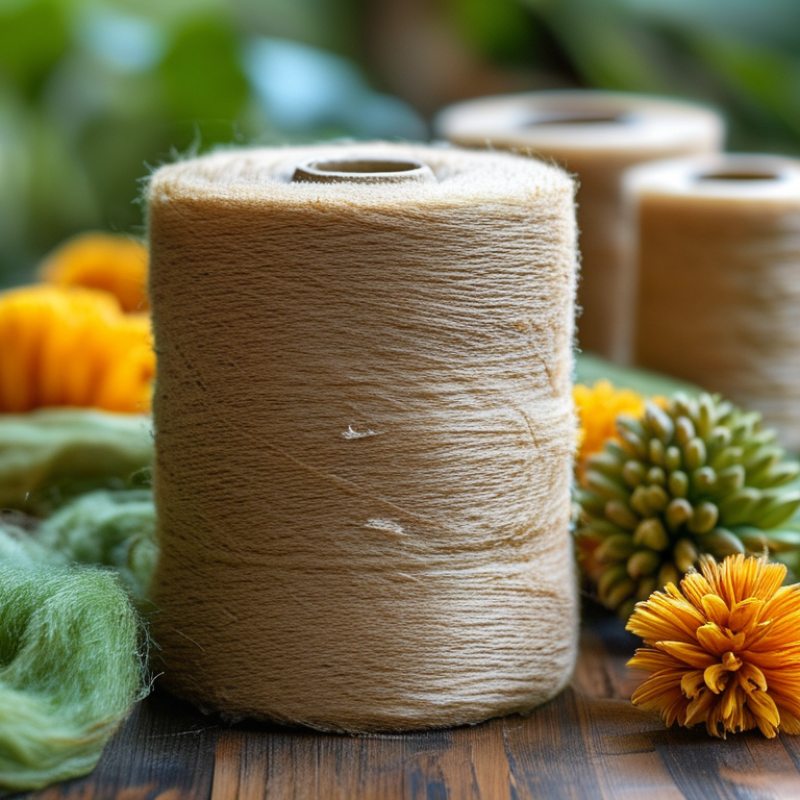
Introduction to Natural Fiber Cellulose
Natural fiber cellulose has gained attention among global buyers and suppliers. This sustainable material is derived from natural sources, primarily plants. It plays a crucial role in various industries, including textiles and packaging. Understanding its properties and applications is vital for businesses investing in eco-friendly solutions.
Cellulose A Fiber contributes to the strength and durability of products. Manufacturers value this natural fiber for its biodegradability. It's essential to note that not all cellulose fibers are created equal. Quality can vary significantly, affecting the final product's effectiveness. Some suppliers may lack the expertise to deliver high-grade cellulose, leading to inconsistent results.
When sourcing natural fiber cellulose, buyers should prioritize transparency. Engaging with experienced suppliers can enhance product quality. However, it is equally important to reflect on sourcing strategies. There are challenges in ensuring the sustainability of cellulose production. Collaboration and continuous learning will be vital in addressing these complexities.
Understanding the Benefits of Natural Fiber Cellulose
Natural fiber cellulose has gained attention for its numerous benefits. This material is biodegradable and sustainable. It reduces reliance on synthetic fibers. Many industries consider it an eco-friendly option. Buyers are increasingly drawn to cellulose for its versatility. Suppliers can capitalize on this demand while maintaining quality.
Fiber Pp is a key consideration in this context. Its strength and durability complement cellulose well. Buyers should seek reliable suppliers who understand sourcing natural fibers. This ensures a quality product that meets industry standards. Transparency in sourcing is crucial. Suppliers must provide details about origin and processing.
Additionally, understanding market trends is vital. Natural fiber cellulose is growing in popularity. However, not all products labeled as 'natural' are completely free of additives. Buyers need to stay informed. They should seek certifications that guarantee purity. This helps avoid misleading claims. Suppliers must enhance their knowledge about cellulose production. This improves their credibility in the market.
Types of Natural Fiber Cellulose Available in the Market
Natural fiber cellulose has gained significant attention in recent years, especially among global suppliers and buyers. Various types are available in the market, each with distinct characteristics. Cotton cellulose, for example, is renowned for its softness and absorbency. According to a 2022 report by the International Fiber Association, over 25 million tons of cotton is produced yearly, highlighting its dominance in the cellulose fiber sector.
Another emerging type is bamboo cellulose. This eco-friendly option has seen a rise in popularity due to its biodegradable nature and antibacterial properties. A 2023 study showed that bamboo fiber production has increased by 15% in the last five years. Additionally, hemp cellulose offers durability and strength, making it suitable for various applications. The global market for hemp fiber is projected to reach $1 billion by 2026, as indicated by recent market trends.
Despite the growth potential, challenges persist in the natural fiber cellulose market. Supply chain issues can affect quality and availability. The processing methods for each type also vary, impacting cost and sustainability. It is crucial for buyers to understand these dynamics to make informed decisions. Adopting best practices in sourcing and processing can enhance both efficiency and sustainability.
Key Suppliers of Natural Fiber Cellulose Globally
When exploring the global market for natural fiber cellulose, understanding key suppliers is essential. Suppliers offer a range of cellulose products sourced from various plants. These fibers exhibit unique properties, making them suitable for diverse applications, from textiles to food packaging. For buyers, identifying these suppliers can ensure access to high-quality materials, which are increasingly valued in today’s sustainable economy.
However, finding the right supplier comes with challenges. Variability in product quality can lead to inconsistent results in manufacturing. Buyers may face difficulties in confirming a supplier's credentials. Some suppliers may lack transparency in their sourcing methods. This uncertainty calls for thorough research and direct communication with potential partners to establish trust.
Additionally, regional suppliers often have distinct advantages. They might provide better insights into local agricultural practices. These insights can enhance sustainability and production efficiency. Understanding local dynamics is vital for buyers looking to develop long-term relationships. Keeping an open mind and being responsive to feedback will foster better collaboration.
Considerations for Buyers When Sourcing Cellulose
When sourcing cellulose, buyers must prioritize quality and sustainability. Understanding the origin and production processes is essential. For instance, natural fibers derived from responsibly managed forests offer environmental benefits. They reduce carbon footprints compared to synthetic alternatives. Buyers should seek suppliers who provide transparency about their sourcing practices.
It's also crucial to assess the properties of cellulose. Fiber strength, absorbency, and biodegradability can vary widely. Buyers must communicate their specific needs to suppliers. This requires a thorough understanding of how cellulose will be used in their products. Connecting with suppliers who can demonstrate expertise in cellulose will enhance the sourcing experience.
Lastly, buyers should stay informed about market trends. The demand for eco-friendly products is growing. Engaging in industry forums can provide valuable insights. Reflecting on the evolving standards in cellulose sourcing is necessary for long-term success. This approach not only fosters reliable partnerships but also supports responsible consumption.
Sustainability and Environmental Impact of Cellulose Fiber
The sustainability of cellulose fiber is increasingly significant in today's eco-conscious market. As a natural fiber, cellulose offers an alternative to synthetic materials. It is biodegradable and derived from renewable resources, reducing reliance on fossil fuels. However, not all cellulose fibers are created equal. The production processes can vary widely, impacting their overall environmental footprint.
Pp Fiber, a form of cellulose fiber, has gained attention for its lightweight characteristics and durability. However, its sourcing must be carefully considered. Some processes can lead to deforestation or habitat loss. This highlights an urgent need for responsible sourcing and transparent supply chains. Buyers should seek suppliers who prioritize sustainable practices.
There is often a gap between sustainable intentions and execution. Consumers want eco-friendly products, yet many suppliers focus on price over sustainability. This is a complex issue that demands industry-wide reflection. It is essential for all stakeholders to collaborate and seek continuous improvement in sustainability efforts.
Future Trends in the Natural Fiber Cellulose Industry
The natural fiber cellulose market is evolving rapidly. Recent industry reports highlight a projected growth rate of 9.5% CAGR from 2022 to 2029. This reflects a significant interest in sustainable materials. Global conversations focus on reducing environmental impacts, and cellulose fibers fit this demand.
Emerging trends show a shift toward innovative cellulose applications. These include biocomposites that replace plastic in various sectors. Steel Fiber production also intersects with cellulose advancements, promoting composite materials that offer enhanced strength. However, challenges remain in scaling sustainable practices.
The quest for efficiency in extraction processes is essential. Many companies struggle with sourcing raw materials responsibly. Research indicates that nearly 25% of cellulose production is currently scrutinized for ethical sourcing. Solutions must balance growth with sustainability. Buyers and suppliers must engage in discussions about traceability and transparency to build trust.
Future Trends in the Natural Fiber Cellulose Industry
The Benefits and Applications of Copper Coated Hooked Steel Fiber in Modern Construction
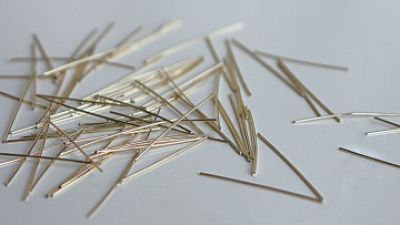
Copper coated hooked steel fibers are revolutionizing modern construction with their unique properties and wide range of applications. These fibers are designed with a uniform thin copper film that envelops steel wire, effectively isolating it from the alkaline environment typically found in concrete. This coating not only acts as a protective barrier against oxidation and rust expansion but also plays a crucial role in maintaining the integrity of the steel fibers over time.
The performance benefits of copper coated steel fibers are significant. Their ability to maintain excellent bonding with cement paste results in enhanced residual toughness and crack resistance for concrete structures. This is particularly important in challenging conditions, such as damp or underground environments, where conventional steel fibers may deteriorate faster. Additionally, the copper coating promotes durability, ensuring that structures remain resilient even in high humidity situations. As a result, the incorporation of copper coated hooked steel fibers into construction materials contributes to longer-lasting, reliable infrastructures.
FAQS
: Natural fiber cellulose is a sustainable material derived mainly from plants. It is widely used in textiles and packaging.
Manufacturers value cellulose for its strength, durability, and biodegradability. These properties enhance the quality of their products.
Not all cellulose fibers are equal. Quality can differ due to sourcing and supplier expertise, impacting overall product effectiveness.
Buyers should focus on quality and sustainability, understanding the production processes behind the cellulose they choose.
Transparency from suppliers helps ensure the environmental integrity of cellulose, allowing buyers to make informed choices.
Cellulose from responsibly managed forests reduces carbon footprints compared to synthetic alternatives, promoting sustainability.
Key properties include fiber strength, absorbency, and biodegradability. Buyers need to communicate their specific product requirements.
Buyers should seek suppliers with expertise in cellulose and reflect on their needs to ensure compatibility with end products.
Awareness of market trends helps buyers adapt to growing demands for eco-friendly products and supports responsible consumption.
Ensuring sustainable cellulose production involves complexities. Continuous learning and collaboration are essential to overcome these challenges.
Conclusion
Natural Fiber Cellulose is gaining popularity among buyers and suppliers worldwide due to its numerous benefits and applications. This article provides a comprehensive overview, beginning with an introduction to Natural Fiber Cellulose, which highlights its organic origin and versatility. It discusses the various types available in the market, along with key suppliers known for their quality products.
Moreover, the article emphasizes crucial considerations for buyers when sourcing natural fiber cellulose, including quality assurance and supply chain transparency. Sustainability and the environmental impact of cellulose fibers are also examined, revealing their potential to contribute to eco-friendly practices. Finally, future trends in the natural fiber cellulose industry point to innovations and increasing demand, making it an essential topic for stakeholders in the field.

 +86 13819274352
 Contact Phone
 Contact Email